
Irish Heroic Cycles: Legends That Shape the Celtic World
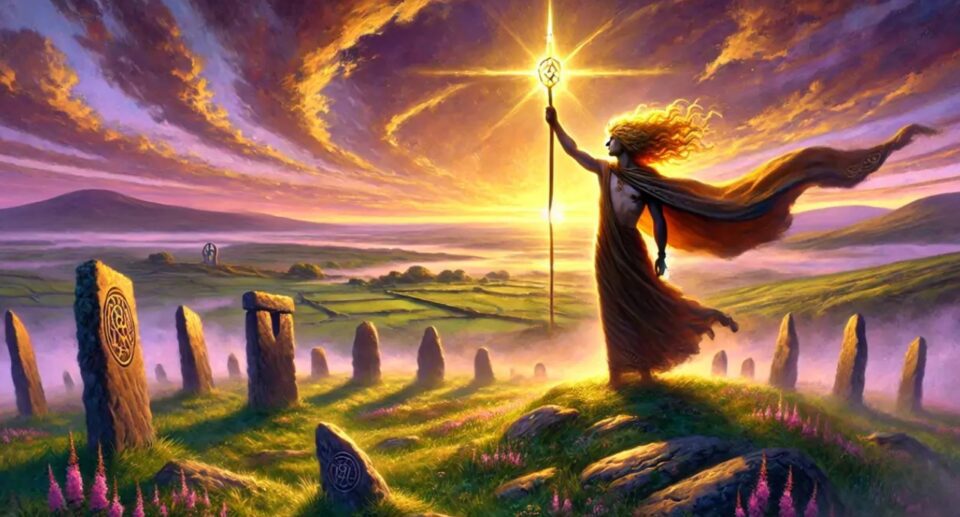
Irish storytelling carries more than entertainment. It carries identity.
When we speak about the Irish Heroic Cycles, we step into a world where myth, history, and belief move together like currents beneath the same river.
Scholars describe four main cycles. Each one reveals a different face of Ireland: sacred beginnings, warrior culture, poetic heroism, and the politics of kingship. Yet these stories do not feel distant. They breathe in music, proverbs, festivals, and family lore, the same traditions explored in our article on why Irish people are natural storytellers.
Let’s walk through the cycles one by one.
1. The Mythological Cycle: Gods Who Shape the Land
This cycle tells of divine beings such as the Tuatha Dé Danann. They bring art, skill, magic, and a sense of destiny. Their struggles teach that power demands wisdom, not only strength.
Here we also meet figures like Lugh, whose brilliance blends warrior courage and creative spirit, qualities that echo across Celtic culture. You can read more in our feature on the Celtic sun god Lugh:
https://celtguide.com/celtic-sun-god-lugh/
2. The Ulster Cycle: Heroism and Hard Choices
The Ulster Cycle centers on warriors such as Cú Chulainn: fierce, loyal, and often tragic. These tales explore bravery, friendship, honor, and the painful costs of pride.
I find the Ulster Cycle compelling because it refuses simple morality. Heroes succeed, yet they stumble. Their victories sometimes carry sorrow. That nuance feels deeply human.
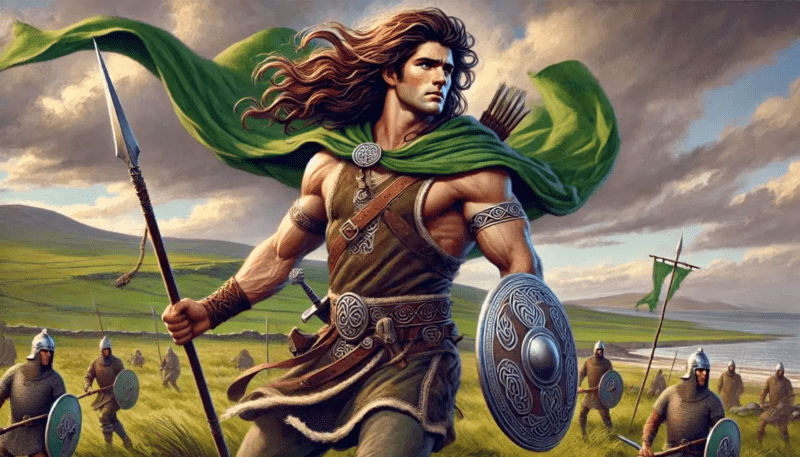
3. The Fenian Cycle: Poetry, Loyalty, and the Wild
Led by Fionn mac Cumhaill and the warrior-poets known as the Fianna, this cycle celebrates wit, courage, and love for the natural world. Forests, mountains, and rivers shape the heroes’ journeys much like the spirit of landscapes explored across our site, including the Ring of Kerry.
The Fenian stories remind us that leadership grows from character, not rank. You earn trust, listen, and learn.
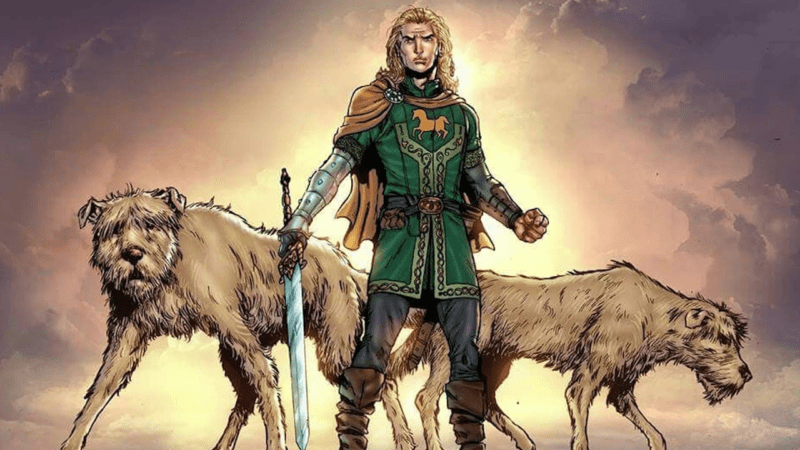
4. The Kings’ Cycle: Power and Responsibility
This cycle follows legendary and historical rulers. It asks hard questions:
- How should a leader rule?
- What happens when pride replaces justice?
- What responsibility does a king hold toward land and people?
These narratives frame kingship as a moral practice. Rule wisely or the land itself suffers.
What the Cycles Teach Us Today
The Irish Heroic Cycles survive because they speak to timeless dilemmas.
They show courage, but also restraint. Passion, but also reflection. Loss, but also renewal.
You can hear their echoes in music, from the harp to the bodhrán, where rhythm carries memory through generations:
- Harp traditions: https://celtguide.com/what-is-a-clarsach-a-comprehensive-guide-to-the-celtic-harp/
- Bodhrán drum: https://celtguide.com/the-bodhran-drum/
They appear in carvings, symbols, and ritual practices preserved in local culture, a theme we explore in Celtic stone carvings (https://celtguide.com/celtic-stone-carvings/).
These cycles do not freeze the past. They invite conversation with it.
A Living Legacy
When we read the heroic cycles, we do more than study literature. We engage with an ethical mirror.
We ask: What kind of person do I want to be?
Ireland answered that question through myth and still does.
If you want to keep diving into Celtic lore, our mythology and folklore articles offer rich companions on the journey:
https://celtguide.com/category/mythology-folklore/