

Irish Hedge Schools: Secret Classrooms of Courage and Knowledge

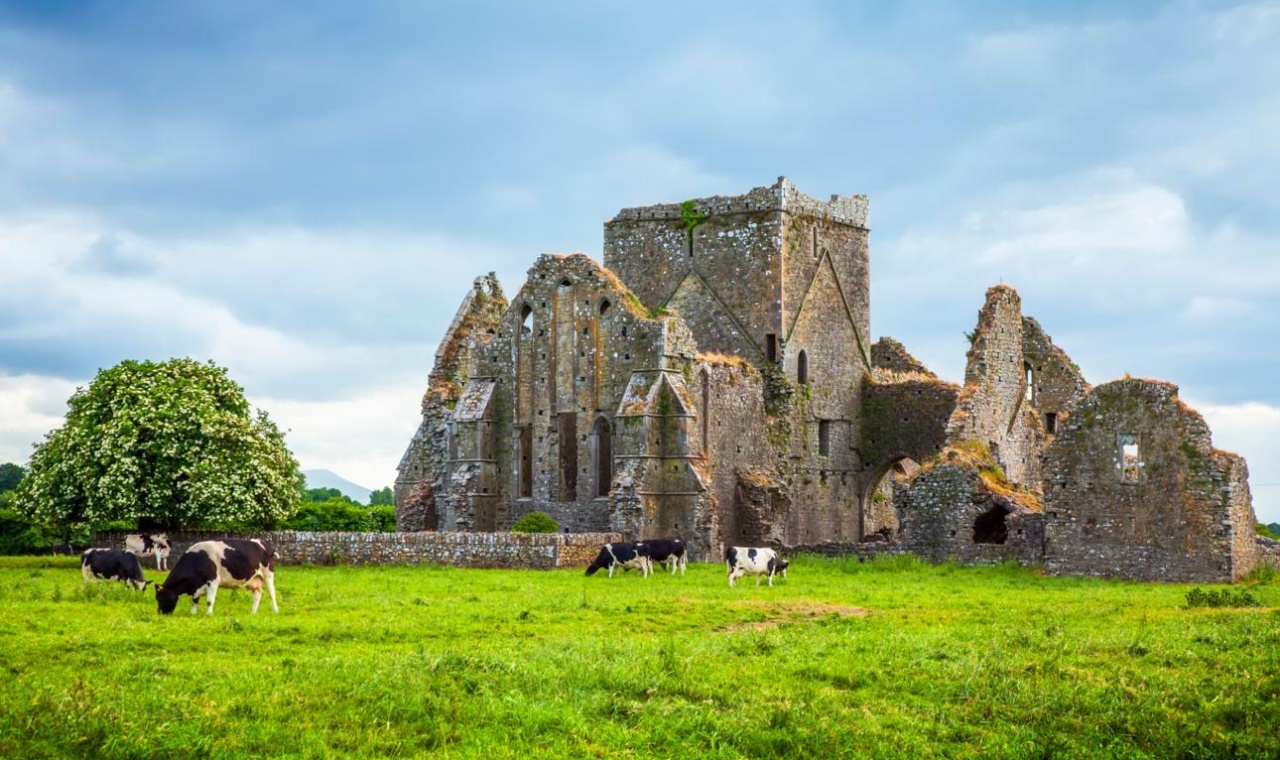
In 18th and early 19th century Ireland, education became an act of defiance. Under the Penal Laws, Catholics could not run schools or teach their faith. But the Irish refused to let ignorance take root. They built hedge schools; secret outdoor classrooms hidden in fields, barns, and beside stone walls.
These informal schools turned meadows into lecture halls and hedgerows into sanctuaries of thought. Through them, Ireland’s language, faith, and culture endured even when oppression tried to silence learning.
For context on the Penal Laws that led to these schools, see “The Irish Penal Laws”.
The Birth of Hedge Schools
After the Penal Laws banned Catholic education, thousands of teachers went underground. They taught wherever they could, by riverbanks, in barns, and along hedgerows. The name “hedge school” comes from this rural setting.
Teachers, often called “hedge masters,” taught reading, writing, arithmetic, Latin, and sometimes Greek. Lessons also included Irish history and storytelling, powerful tools that preserved culture and identity.
These teachers worked for little money, supported by local families who offered food or shelter in exchange for their service. Education became communal, a shared act of survival.

Life and Learning in the Hedge School
A hedge school wasn’t just about lessons. It was about defiance. The act of gathering to learn was dangerous, but also deeply symbolic. Students learned to read Irish poetry and prayers in secret, carrying forward what the state tried to erase.
In many cases, hedge schools became the only form of education available to rural Irish children. Despite their simplicity, they offered intellectual freedom that formal institutions denied.
Teachers didn’t rely on printed books — they used memory, recitation, and oral repetition. That tradition of spoken knowledge remains alive in Irish culture today.

Explore Ireland’s oral legacy in “Gaelic Irish Proverbs” and “Gaelic Children’s Lullabies”.
Subjects, Spirit, and the Spark of Identity
The curriculum of hedge schools went far beyond letters and numbers. Teachers taught Irish myths, Latin poetry, and geography. Students often learned from memory, chanting lessons in rhythm, a habit that shaped Irish music and verse.
In some regions, hedge schools became places of cultural exchange. Lessons in Irish folklore connected students to ancestral roots, much like the spiritual and cultural lessons drawn from “Irish Holy Wells: Portals to the Past, Pathways to the Divine.”
Through learning, the Irish found empowerment. Knowledge became an act of quiet resistance.
Decline and Legacy of the Hedge Schools
By the mid-19th century, the British government introduced the National School System (1831), which made education more accessible but also more controlled. Hedge schools slowly disappeared, though their spirit lived on in Ireland’s respect for education.
Their legacy is still visible today in Ireland’s high literacy rates, its devotion to learning, and its deep cultural pride. The hedge school became a symbol of survival, a quiet reminder that even in suppression, knowledge can never be fully silenced.

Conclusion: Knowledge as Defiance
The story of the Irish hedge schools is one of courage, intellect, and quiet rebellion. In fields and under hedges, Ireland educated its children against the odds. Those hidden lessons preserved not just language, but also identity and pride.
Every modern Irish classroom carries the echo of those early teachers who believed that learning was a sacred right — not a privilege to be granted, but a birthright to be protected.
For more stories of Irish resilience and cultural preservation, explore CeltGuide’s Culture & Tradition section.