Irish Gaelic Sports: Tradition, Culture, and Competition

Irish Gaelic sports are more than just games; they are a vibrant part of Ireland’s cultural identity. Rooted in centuries of history, these sports connect communities, honor traditions, and showcase athletic skill.
Gaelic games are governed primarily by the Gaelic Athletic Association (GAA). Established in 1884, the GAA preserved traditional Irish sports during a period when foreign games were becoming dominant. Learn more about Irish storytelling and culture.
Hurling: The Fastest Field Sport
Hurling is often described as the fastest field sport in the world. Played with a wooden stick called a hurley and a small ball known as a sliotar, it combines speed, skill, and strategy.
- Players can strike the sliotar in the air or on the ground.
- Matches are played on large fields with H-shaped goalposts.
- Hurling is celebrated for its intensity and historical significance in Irish culture.
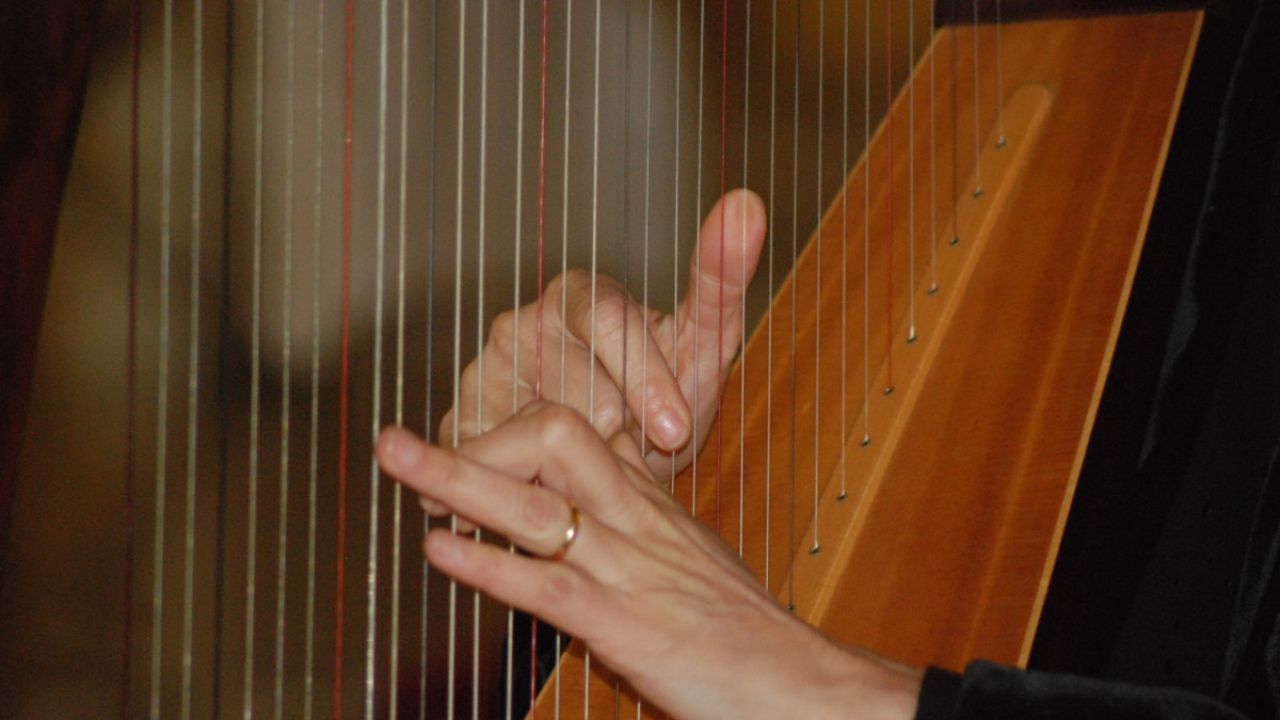
Discover the Irish Celtic harp as another symbol of Irish heritage alongside sports.
Gaelic Football: Skill, Strength, and Community
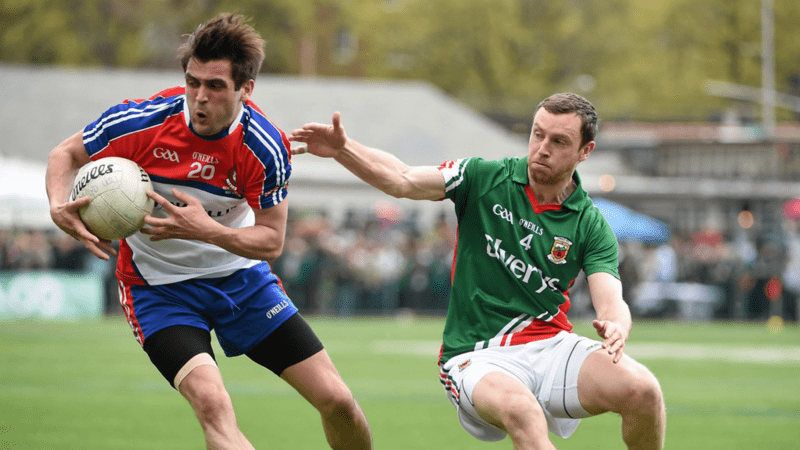
Gaelic football is a combination of soccer, rugby, and basketball. Played with a round ball, players can kick, hand-pass, and run with the ball to score points.
- Matches are 60–70 minutes long, featuring teams of 15 players each.
- Goals are scored by kicking or punching the ball over the crossbar or into the net.
- Gaelic football is both competitive and community-focused, fostering local pride and teamwork.
Camogie and Ladies’ Gaelic Football
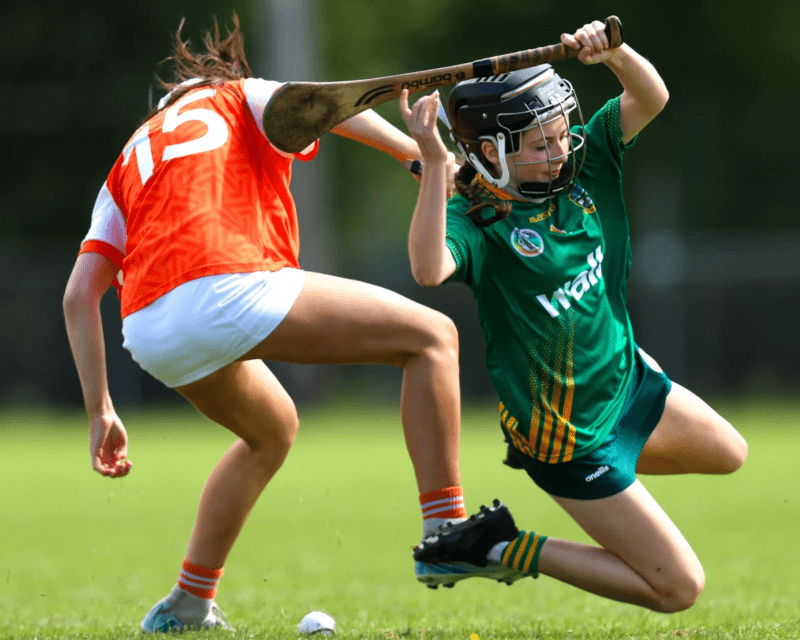
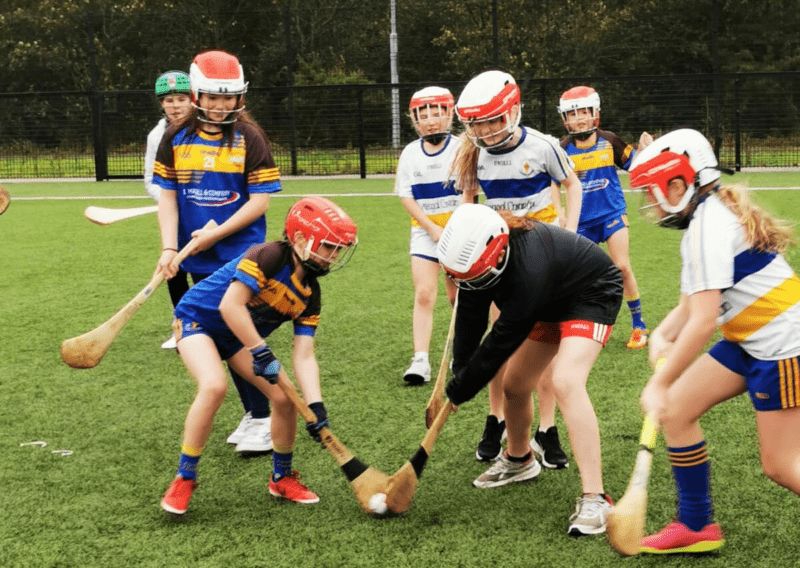
Women have long participated in Gaelic sports through camogie (similar to hurling) and ladies’ Gaelic football. These sports have grown significantly, providing opportunities for female athletes to compete at county and national levels.
- Camogie uses the same rules as hurling but is tailored for women’s gameplay.
- Ladies’ Gaelic football mirrors the men’s version, emphasizing speed and skill.
Rounders: A Traditional Bat-and-Ball Game
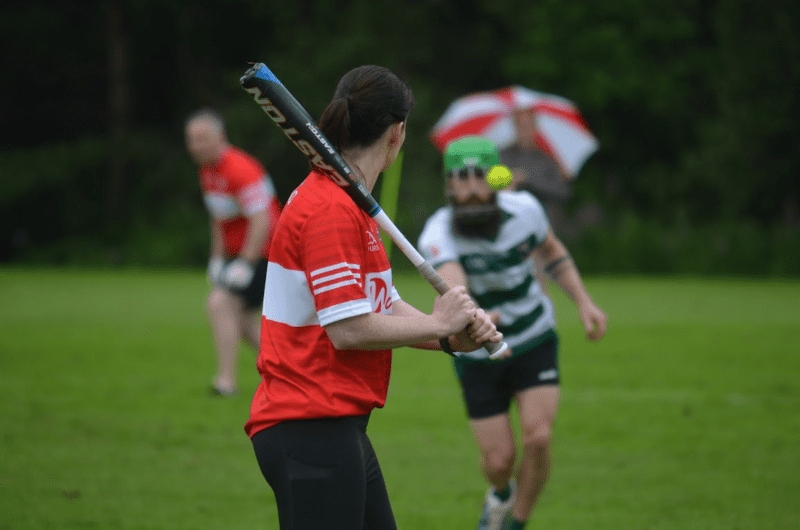
Rounders is an older Irish game similar to baseball. It involves striking a small ball and running between bases to score. Though less globally famous, it remains an important part of Gaelic sports heritage.
- Played mainly in schools and local clubs.
- Emphasizes hand-eye coordination and teamwork.
The Cultural Significance of Gaelic Sports
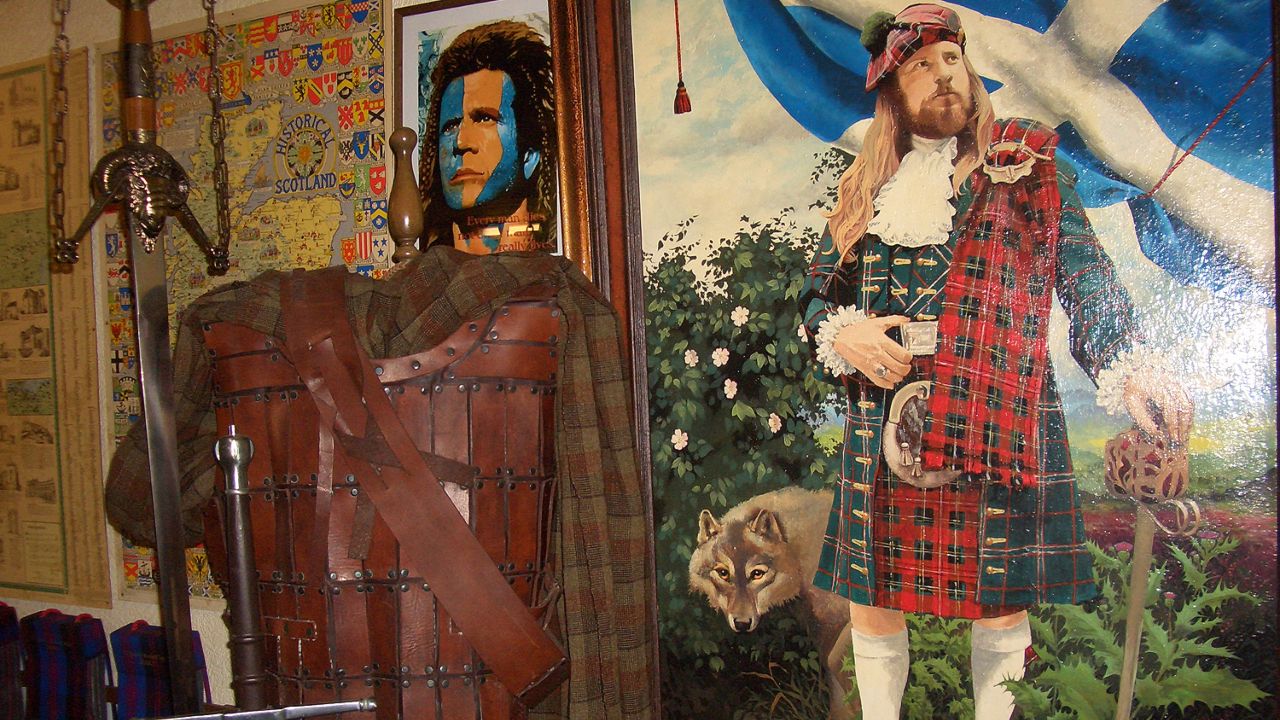
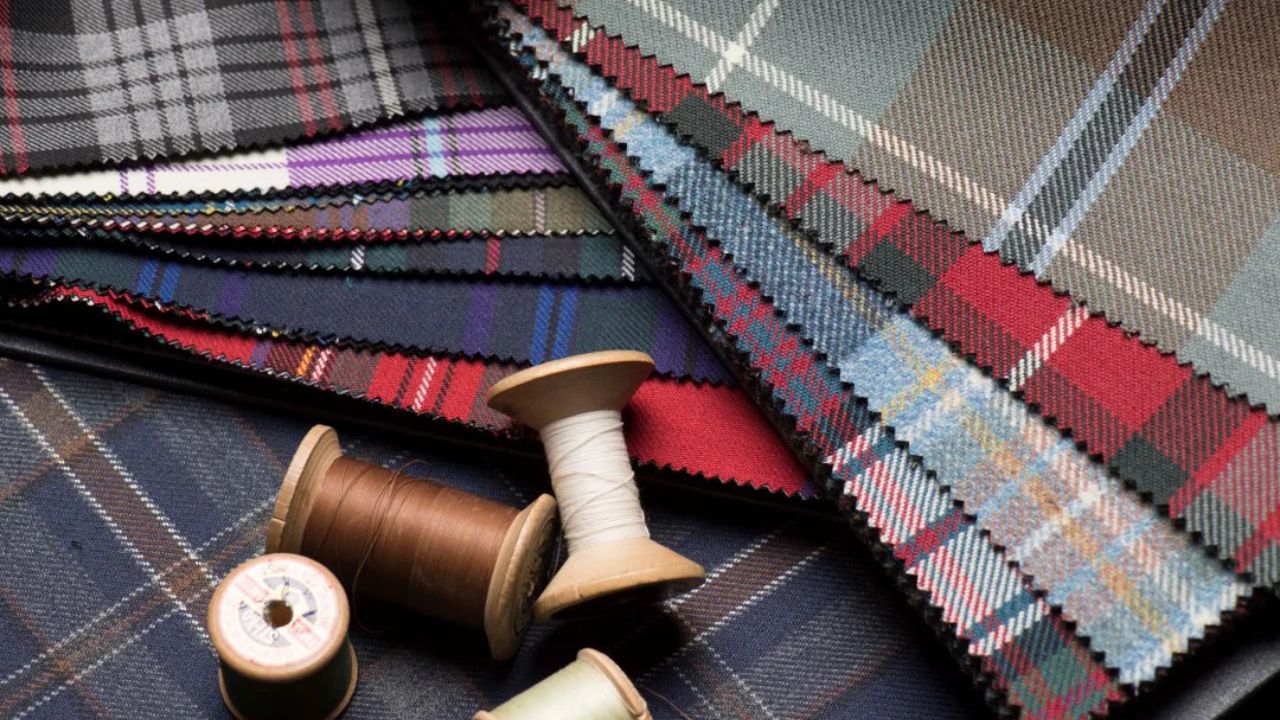
Gaelic sports are more than just recreation; they embody community, history, and identity. Matches often coincide with local festivals, and county teams inspire passionate support. Irish Gaelic sports also maintain links to other Celtic traditions, much like Celtic stone carvings or tartan patterns, blending athletics with heritage.
Getting Involved
For those interested in experiencing Gaelic sports firsthand:
- Local GAA clubs welcome newcomers, regardless of skill level.
- Schools and youth programs introduce children to hurling, football, and camogie.
- Spectators can attend county and national championships, witnessing high-level play and cultural celebration.
Conclusion
Irish Gaelic sports remain a cornerstone of Ireland’s culture. They preserve centuries-old traditions while fostering community, teamwork, and pride. From hurling to rounders, these games celebrate the spirit and heritage of Ireland, keeping history alive on the field.