Irish Gaelic Hurling: A Window into Ireland’s Ancient Soul
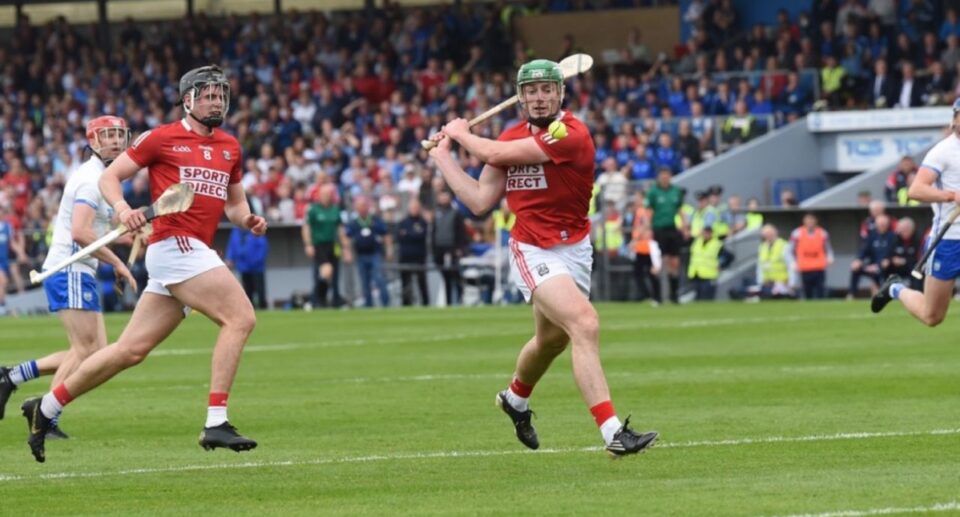
Hurling is often called Ireland’s national obsession, but it is much more than a sport. It is a ritual of community, an echo of Celtic resilience, and a fierce expression of Irish identity. Few games combine such speed, skill, and historical weight. Recognized as one of the oldest field games in the world, Irish Gaelic hurling is not just about scoring points, it’s about carrying forward a heritage that stretches back over three thousand years.
What Exactly Is Hurling?
At its heart, hurling is played with a wooden stick known as a hurley (camán in Irish) and a small leather ball called a sliotar. Two teams of 15 players each battle on a pitch to score either by sending the ball over the crossbar (one point) or into the net (a goal worth three points).
This fast-paced game has been described as a blend of hockey, lacrosse, and even aerial combat, as players leap and clash with breathtaking intensity.
Ancient Roots of a Celtic Game
The origins of hurling stretch deep into Celtic mythology. Tales of legendary warriors like Cú Chulainn describe their early mastery of the sport, often using the hurley as both weapon and tool of training.
Just as the Celtic Sun God Lugh symbolizes light and skill, hurling became associated with agility, bravery, and community. Unlike imported games, this was a distinctly Gaelic invention—woven into the rhythms of village life and seasonal festivals.

Hurling and Irish Identity: More Than Just a Sport
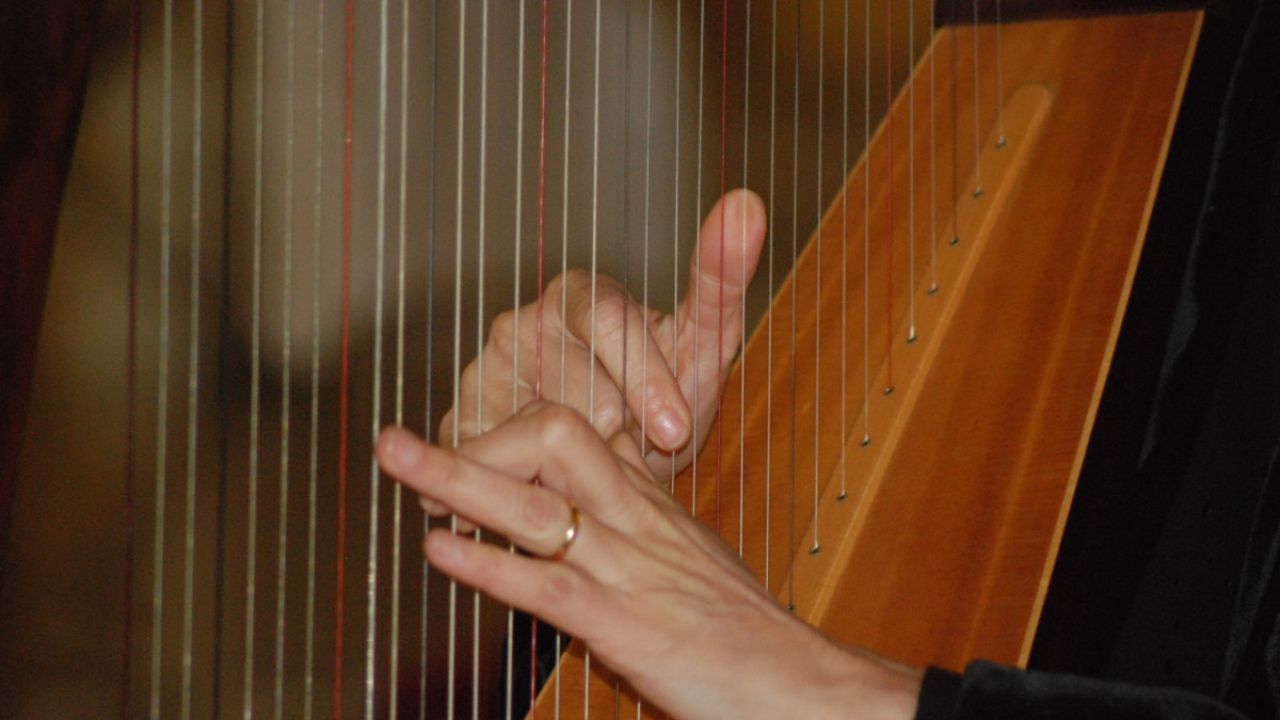
Hurling is more than competition, it is tradition in motion. Like the Irish Clarsach harp, it serves as a cultural marker, embodying Irish identity. During the centuries of English rule, hurling, like other Gaelic practices, was often suppressed. Yet it survived, played secretly in fields, a quiet act of resistance.
In the late 19th century, the founding of the Gaelic Athletic Association (GAA) safeguarded hurling as a national treasure. Today, the GAA continues to protect not only the sport but also the Irish language, music, and cultural heritage.
Modern Hurling Rules, Gameplay, and Competitions
Modern hurling remains one of the fastest field sports in existence. Players can strike the sliotar at speeds exceeding 160 km/h, balancing agility with raw strength. Matches are often accompanied by ceili bands and community festivities, not unlike the role of fiddle music in lifting collective spirits.
The annual All-Ireland Hurling Championship, held in Croke Park, Dublin, is a spectacle that draws global attention. For many Irish people abroad, watching hurling is as emotional as hearing Gaelic Irish proverbs spoken in the old tongue, a direct link to ancestral roots.

Hurling as Intangible Cultural Heritage of Ireland
Like Irish Holy Wells, hurling connects the present to the past. It is not a relic but a living, breathing tradition. In 2018, UNESCO recognized hurling as an element of Intangible Cultural Heritage of Humanity. This honor confirmed what Irish communities already knew that hurling is more than a pastime; it is a thread binding generations.

Final Thoughts: Why Hurling Matters
Irish Gaelic hurling is a cultural heartbeat. It embodies endurance, artistry, and communal pride. For those exploring Celtic traditions whether in the rhythms of bodhrán drumming, the symbols of Claddagh rings, or the storytelling spirit of Ireland, hurling offers another path into the soul of the nation.
As a sport, it thrills. As a tradition, it endures. As heritage, it inspires.