
Irish Family Crests and Heritage: A Deep Look Into Identity and Tradition

Irish heritage carries a remarkable depth, shaped by centuries of storytelling, migration, resilience, and cultural pride. Family crests, often called coats of arms, stand at the heart of that identity. They reflect old lineages, noble deeds, and the visual language through which families expressed values and belonging. Even today, people feel a strong emotional connection to these symbols because they offer a tangible link to the past.
What Makes an Irish Family Crest Unique?
Irish family crests developed as part of heraldic tradition, which became widespread in medieval Europe. Every crest tells a story. Shields show bravery, animals express virtues like loyalty or courage, and knotwork reveals the enduring influence of Celtic art.
Ireland’s crests stand out because they often draw from the same artistic spirit seen in Celtic stone carvings, which you can explore further in our detailed guide:
➡️ https://celtguide.com/celtic-stone-carvings/
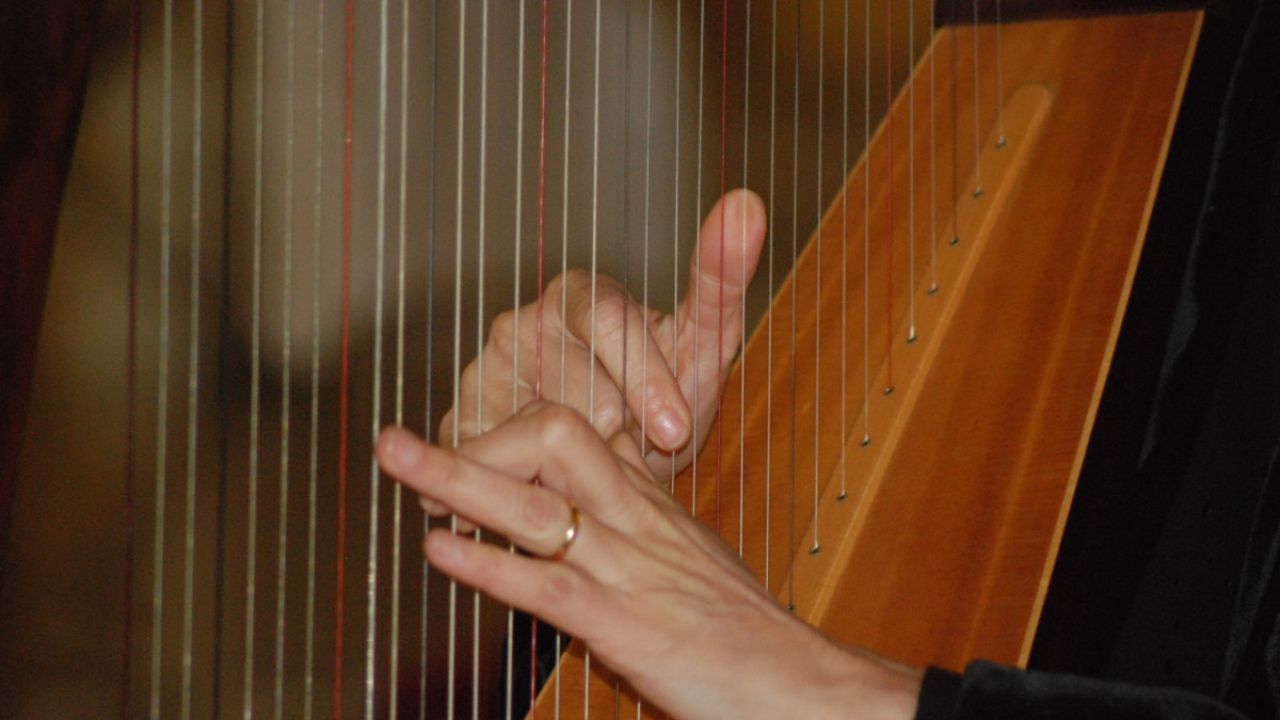
Many crests also include the Irish harp, a national symbol with deep musical and cultural roots. To understand its cultural importance, visit our article on the Clarsach, the Celtic harp:
➡️ https://celtguide.com/what-is-a-clarsach-a-comprehensive-guide-to-the-celtic-harp/
The Roots of Heraldry in Ireland
Heraldry took hold in Ireland around the 12th century. It came through Norman influence but quickly blended with native Gaelic tradition. Irish families used their crests to:
- Distinguish themselves in battle
- Demonstrate loyalty to chieftains
- Represent family values and achievements
- Record genealogical identity
This heritage remains strong, much like Ireland’s long tradition of oral storytelling:
➡️ https://celtguide.com/why-are-irish-people-natural-storytellers/
Symbols Commonly Found in Irish Crests
Irish crests use bold imagery. Some of the most common elements include:
1. Animals
Lions show courage, stags represent harmony, and eagles reflect strength. These choices say a lot about how a family saw itself.
2. Celtic Knots
Knotwork expresses eternity and continuity, fitting symbols for lineage and ancestry.
3. Harps
A reminder of Ireland’s musical soul and its role in cultural preservation.
4. Shields and Swords
These point to medieval martial history and clan loyalty.
You can explore more about clan structures in our article here:
➡️ https://celtguide.com/how-many-scottish-clans/
How Family Crests Connect to Irish Heritage
A crest does more than decorate a shield or a banner. It tells us how a family participated in Irish history. Sometimes it reflects migration during moments like the Irish Potato Famine:
➡️ https://celtguide.com/the-influence-of-the-irish-potato-famine/
Other times it highlights ties to regional identities—Ulster, Leinster, Munster, and Connacht all developed their own heraldic styles.
Crests also connect to other iconic Irish symbols, such as the Claddagh ring, which expresses loyalty, friendship, and love:
➡️ https://celtguide.com/claddagh-ring-meaning-history-and-symbolism/
Do Irish Families Still Use Crests Today?
Absolutely. People wear them on signet rings, display them in homes, or use them during cultural events. Irish diaspora communities especially value them because family crests anchor them to their heritage.
Modern interest often blends tradition with curiosity about genealogy. Many families trace their ancestry through historical records, oral stories, and even DNA reports. For a deeper exploration of Irish names, you can read:
➡️ https://celtguide.com/famous-irish-names-and-their-meanings/
How to Find Your Irish Family Crest
Finding a crest linked to your surname usually involves:
- Consulting heraldic registries
- Tracing your family’s region of origin
- Studying associated Gaelic clans
- Comparing variations across branches

Remember that not every surname has one official crest. Some families adopted similar symbols, especially when regional loyalties overlapped.
Irish Crests in Modern Culture
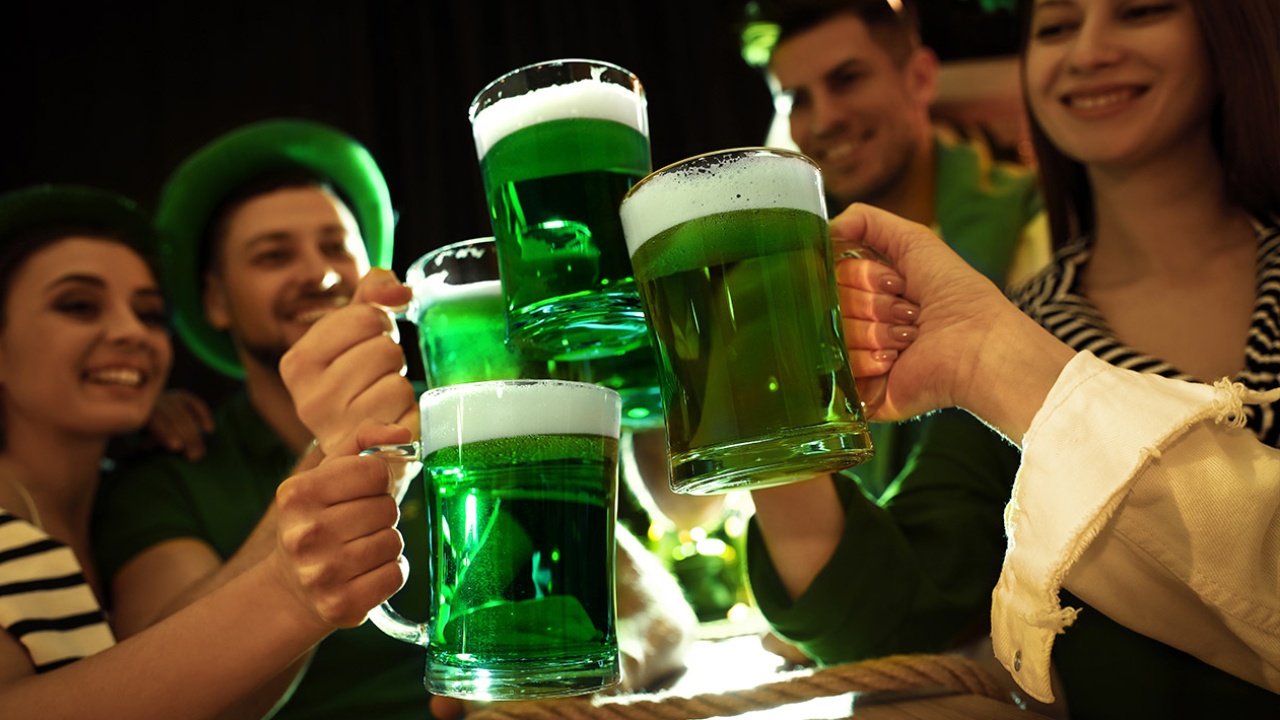
Even today, Irish crests appear in festivals, Celtic jewelry, traditional clothing, and cultural events tied to national identity. They echo the same pride seen during St. Patrick’s Day celebrations, where heritage becomes a shared expression across the world:
➡️ https://celtguide.com/the-significance-of-saint-patricks-day/
This continued presence shows that heritage is not just history—it is something lived, celebrated, and renewed.
Conclusion
Irish family crests open a window into lineage, identity, and the deeply symbolic art of Ireland. They stand as reminders that heritage is not only written in books but also carried through images, stories, and traditions passed from one generation to the next.
For more engaging articles on Celtic culture and history, you can explore our full blog archive:
➡️ https://celtguide.com/blog/