
Irish Cattle Droving and Livestock Traditions

Ireland’s rolling green hills once echoed with the sound of lowing cattle and the steady rhythm of hooves on winding rural roads. Before modern markets, cattle droving was a cornerstone of Irish life—linking people, land, and economy in a way that shaped the very identity of rural Ireland.
The Heart of the Irish Economy
For centuries, cattle were more than just livestock, they were a measure of wealth and symbols of status. In early Gaelic society, a man’s prosperity was often judged by the size of his herd. Cattle were central to Celtic trade, driving both local bartering and long-distance commerce.
Cattle ownership influenced everything from marriage dowries to tribal alliances. The ancient Brehon Laws, Ireland’s early legal system, even outlined specific rules for cattle lending and compensation for lost or stolen animals.
For deeper insight into how cultural values shaped daily life, explore Why Irish People Are Natural Storytellers.
Droving: The Art of Moving the Herd
Irish drovers were skilled and resilient people. They guided cattle over long distances, often from Connemara and Galway to major fairs like Ballinasloe or Smithfield in Dublin. These journeys, known as booleying, required endurance, local knowledge, and a bond with the animals.
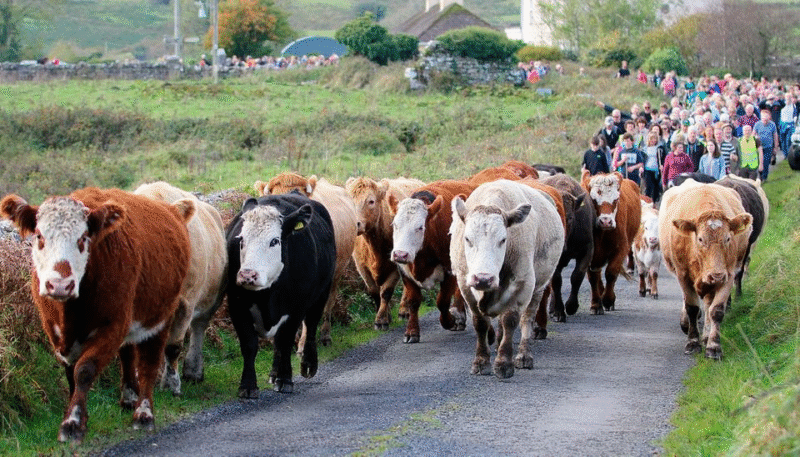
The routes they followed, called drove roads, became arteries of rural trade and community exchange. Inns and markets grew along these paths, transforming them into social and economic lifelines.
For a look at how landscape and travel shaped Celtic culture, see Ring of Kerry.
Livestock Fairs: The Pulse of Irish Rural Life
Livestock fairs were more than trading hubs, they were vibrant social events. Farmers gathered not only to buy and sell but also to exchange stories, forge friendships, and celebrate shared traditions.
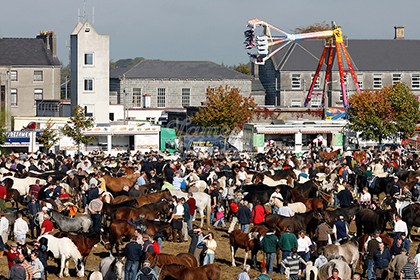
Songs, dance, and laughter filled the air, turning these fairs into cultural festivals. The Ballinasloe Fair, dating back to the 18th century, still carries echoes of its droving roots.
For insight into how music and gatherings enriched Irish heritage, read about Ceili Bands.
Cattle in Celtic Mythology
Cattle held deep spiritual value in Celtic mythology. Tales like the Táin Bó Cúailnge (“The Cattle Raid of Cooley”) centered on cattle as symbols of power, fertility, and divine favor. The great brown bull of Cooley became legendary, embodying Ireland’s bond with its livestock.
Celtic art and stone carvings, explored in Celtic Stone Carvings often depict bulls and herders, marking how central livestock was to both economy and faith.
From Drovers to Modern Farmers
Though droving faded with railways and modern transport, its legacy endures. Many Irish family farms trace their lineage back to drovers who once walked their cattle across the island. The spirit of self-reliance, connection to land, and community exchange remains a core part of Irish identity today.
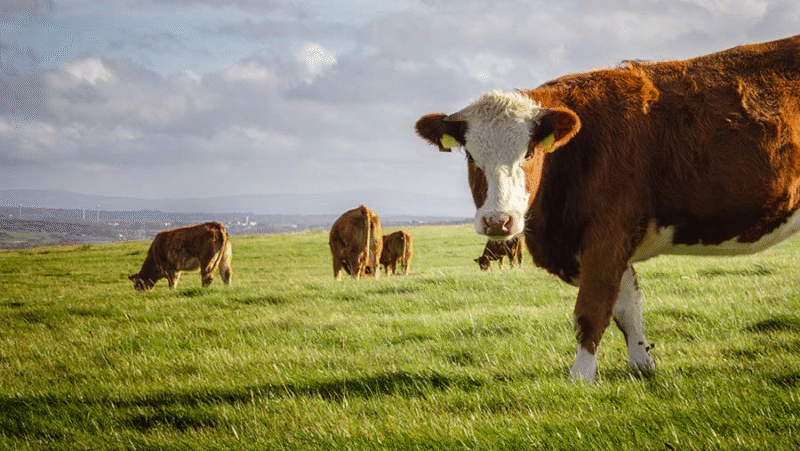
The rhythm of the drover’s life still echoes in rural Ireland, where livestock fairs, small farms, and shared stories continue to keep the nation’s agricultural soul alive.
The Enduring Heritage of the Herd
Cattle droving shaped Ireland’s economy, culture, and mythology in profound ways. From the sacred bulls of Celtic legend to the bustling fairs of Galway, the Irish relationship with livestock reflects a balance of livelihood and legacy.
For more explorations of Irish tradition, visit CeltGuide Blog, where history, folklore, and rural heritage come alive.