Irish Banshee Lore: Myth, Mystery, and Celtic Origins
Few figures in Irish mythology capture the imagination like the Banshee. This enigmatic spirit, often described as a wailing woman, has haunted Irish folklore for centuries. She serves as a bridge between the mortal world and the supernatural, offering a chilling yet reverent glimpse into the cultural psyche of Ireland.
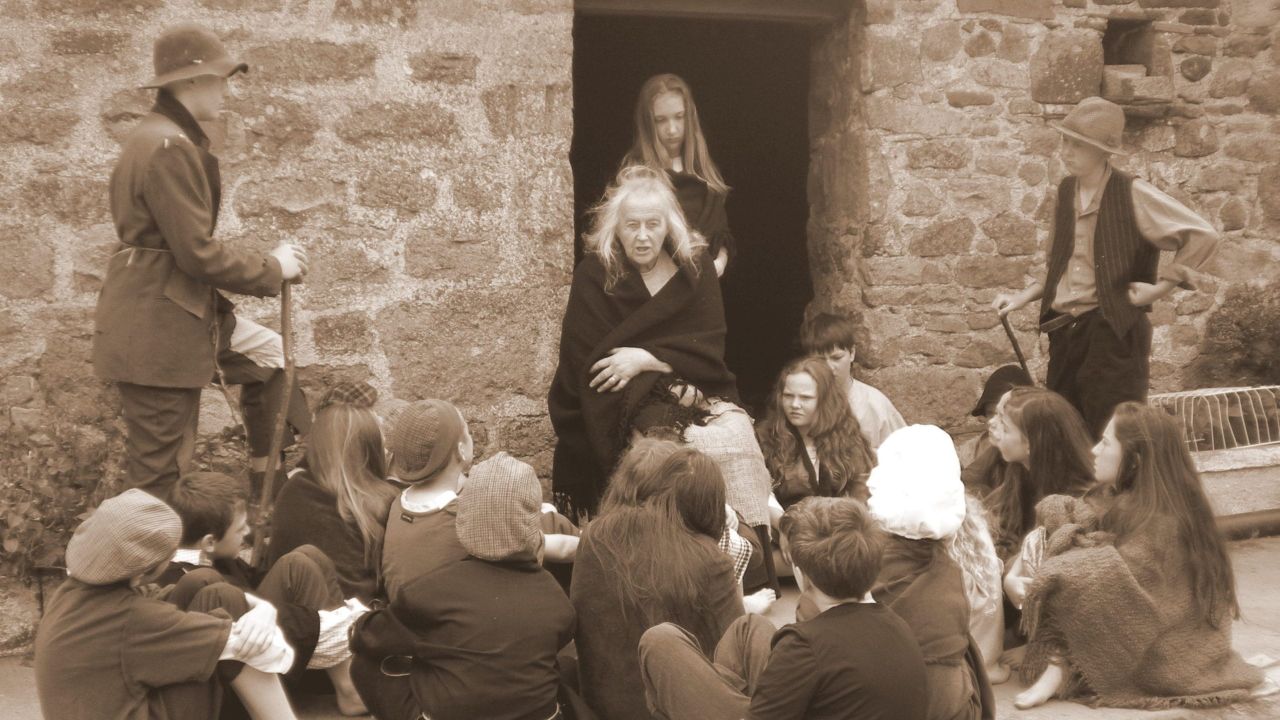
For those curious about the storytelling traditions that keep legends like the Banshee alive, Irish people have a natural gift for narrative, blending history, myth, and emotion seamlessly. Learn more about this narrative heritage here.
Origins of the Banshee
The term “Banshee” comes from the Irish bean sí, meaning “woman of the fairy mounds.” Traditionally, she is depicted as a supernatural messenger who appears to forewarn of death. Contrary to common misconceptions, the Banshee is not malevolent; she is a harbinger, a guide between the worlds of the living and the dead.
Historically, Banshee sightings were linked to specific Irish families, particularly noble clans. Her appearance was seen as both a warning and a sign of respect, highlighting her role as a guardian of familial lineage.
Appearance and Symbolism
Accounts of the Banshee vary, yet her symbolism remains powerful:
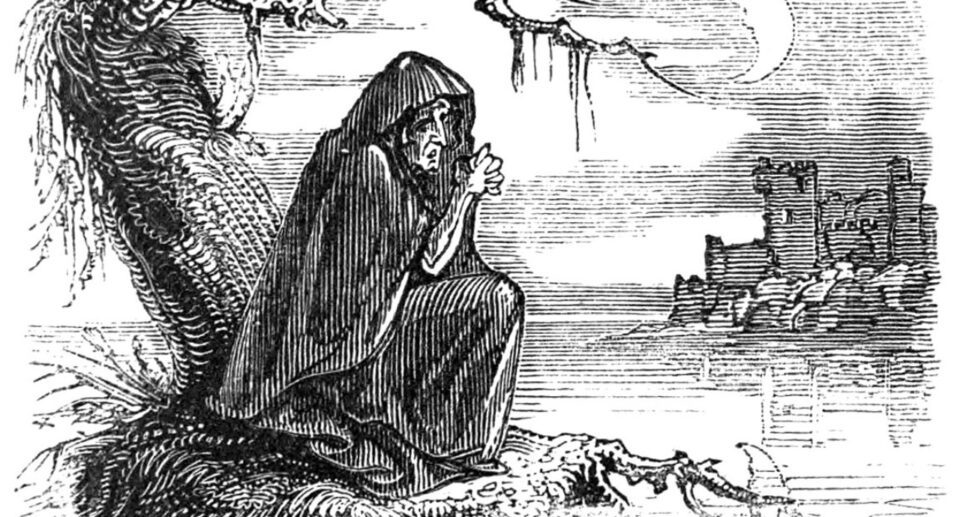
- Hair: Long, flowing, often silver or white, symbolizing her ethereal nature.
- Clothing: Grey or white robes, echoing themes of mourning and otherworldliness.
- Wail: Her scream, mournful and piercing, signifies an impending death and serves as a warning to the living.
The Banshee embodies the intertwining of life, death, and ancestry. She reminds Irish families to honor their heritage and the fragile nature of existence.
Regional Variations
Banshee lore differs across Ireland:
- Ulster: Often appears as either a young woman or an old hag, reflecting local storytelling styles.
- Leinster: Tied to certain clans, appearing exclusively for specific families.
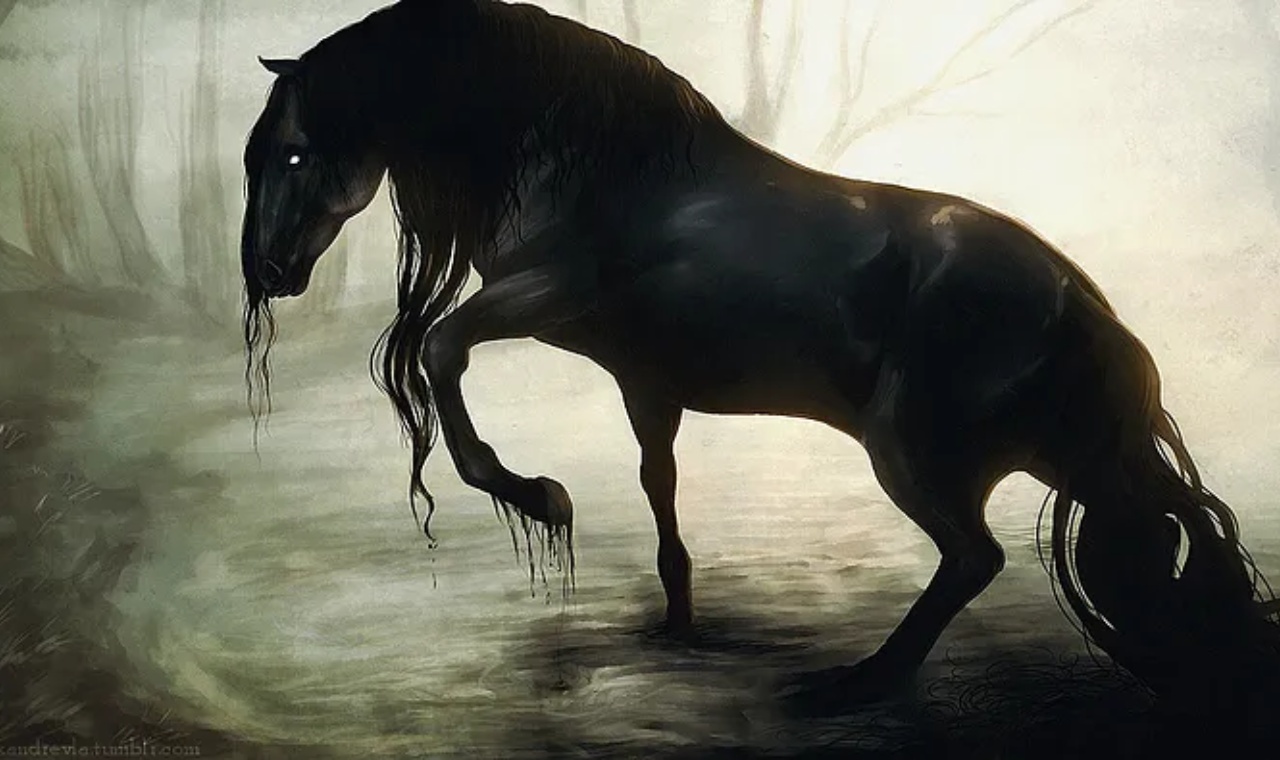
- Munster: Sometimes takes animal forms, such as a hooded crow or hare, connecting the spirit to nature and Celtic symbolism.
These regional distinctions reflect Ireland’s rich oral tradition. Folktales adapted to local landscapes and communities, creating a diverse tapestry of Banshee legends. For more on Irish folklore creatures, see Selkies in Folklore.
The Banshee in Modern Culture
The Banshee has transcended folklore to influence literature, film, and art. She embodies timeless themes of warning, protection, and ancestral connection, inspiring modern interpretations of Celtic mythology.
Her haunting wail resonates with the emotional depth of Irish music, reminiscent of the Celtic harp. This connection between sound, story, and spirit is central to Irish cultural identity.
Lessons from Banshee Lore
Why does the Banshee endure in Irish mythology? The answer lies in her dual nature. She is both a messenger of doom and a protective figure. Her presence emphasizes the importance of family, history, and the unseen spiritual world.
Legends of the Banshee encourage reflection on mortality, urging us to cherish life while honoring our ancestors. Through storytelling, these myths keep Irish heritage alive, connecting generations across time.

Conclusion
Irish Banshee lore is far more than ghost stories. It is a lens into Irish culture, spirituality, and storytelling tradition. From her sorrowful wail to her protective role, the Banshee embodies the delicate balance between life and death, the mortal and the mystical.
Learning about these legends enriches our understanding of Celtic mythology, offering insight into how the Irish connect with their past and interpret the world around them. The Banshee continues to haunt, inspire, and teach, reminding us that folklore is a living bridge between history and imagination.