
Celtic Tattoos: Meaning, Designs & Symbolism
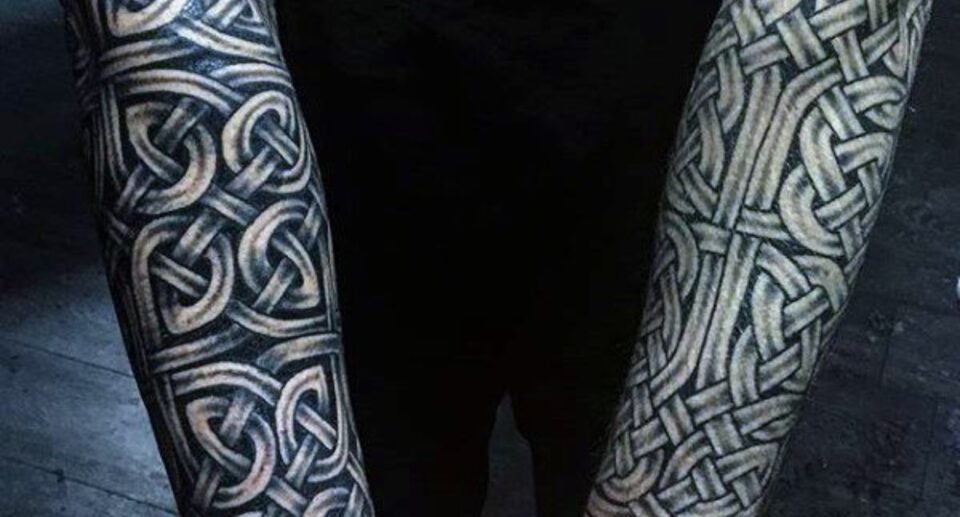
Celtic tattoos are more than body art—they are living expressions of heritage, culture, and personal identity. Rooted in ancient Celtic traditions, these designs combine symbolism, artistry, and storytelling in a unique way that resonates across centuries.
The History of Celtic Tattoos
Celtic tattoos trace their origins to the ancient Celts of Ireland, Scotland, and Wales. These tattoos were often used to convey social status, spiritual beliefs, and allegiance to clans. Warriors, in particular, adorned their bodies with intricate designs to signify courage, strength, and protection in battle.
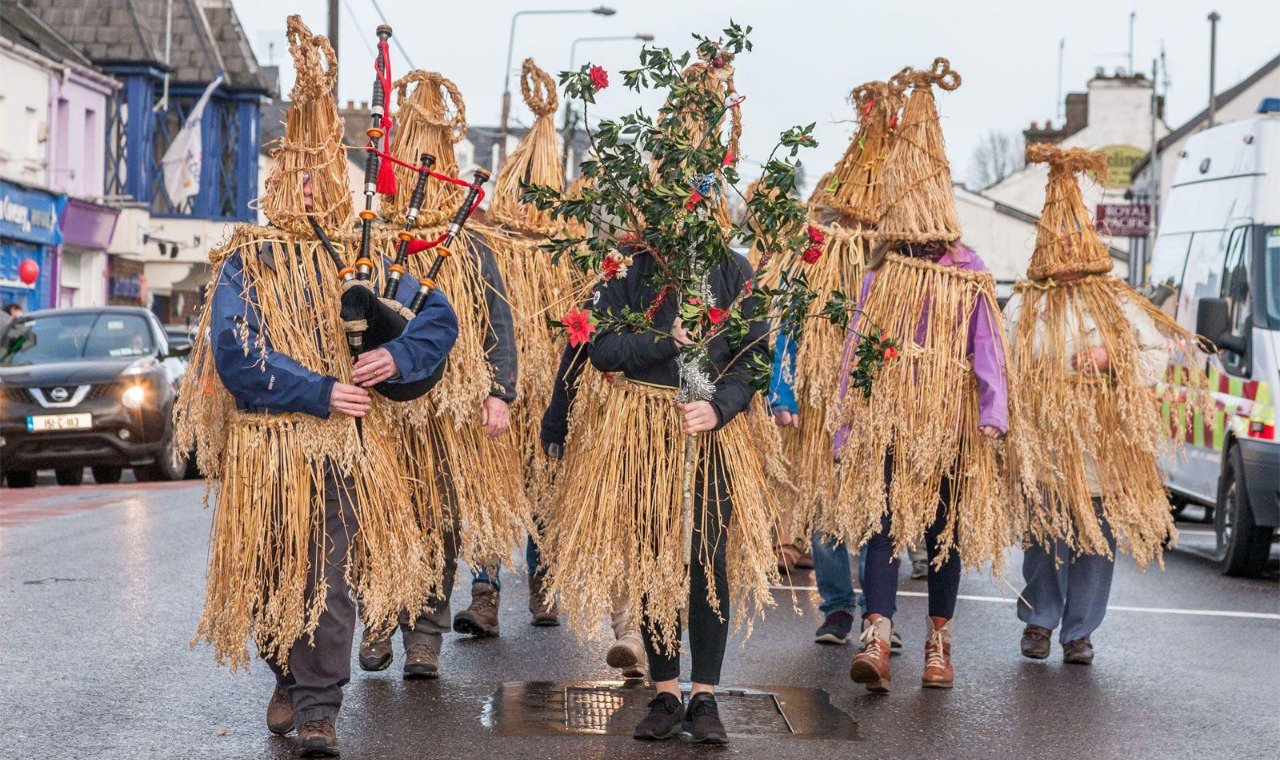
Today, Celtic tattoos are not limited to warriors, they are embraced by anyone wishing to celebrate Celtic heritage or connect with the mystical beauty of ancient designs. If you are curious about Celtic storytelling traditions, you can explore more here.
Popular Celtic Tattoo Designs
Celtic tattoos often incorporate motifs that carry deep meaning. Some of the most popular include:
- Celtic Knots: These endless loops symbolize eternity, loyalty, and the interconnectedness of life. Learn more about Celtic knots here.
- Triskele (Triple Spiral): A symbol of life, death, and rebirth, the triskele also represents mind, body, and spirit.
- Celtic Cross: Combining Christian and Celtic imagery, this cross represents faith and heritage. See more about the St. Andrew’s Cross for related symbolism.
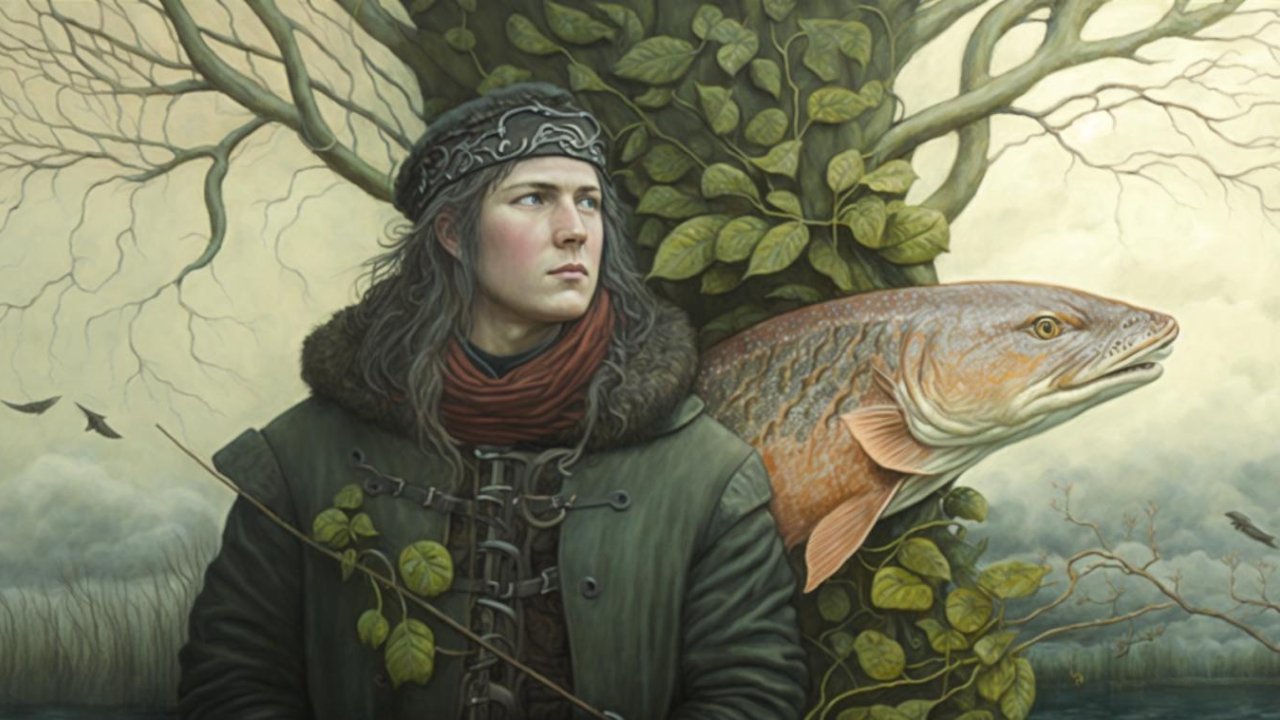
- Celtic Animals: Wolves, lions, and birds often feature in Celtic tattoos, symbolizing strength, courage, and wisdom.
- Claddagh Symbol: Featuring the heart, crown, and hands, the Claddagh represents love, loyalty, and friendship. Learn about its origins here.
Placement and Style Choices
Celtic tattoos are versatile and can be adapted to almost any part of the body:
- Forearm & Wrist: Perfect for elongated knotwork or spirals.
- Upper Arm & Shoulder: Ideal for larger, detailed pieces like crosses or animals.
- Back & Chest: Excellent for expansive, storytelling designs.
Styles vary from bold black ink, minimalist linework, to full-color illustrations that incorporate Celtic art motifs. These designs maintain a timeless elegance that connects wearers to their ancestry while allowing personal interpretation.
Symbolism in Celtic Tattoos
Each Celtic tattoo carries a story. Beyond their aesthetic appeal, they reflect spiritual beliefs, values, and a connection to Celtic heritage. For example:
- Knotwork: Eternal life, interconnectedness
- Crosses: Faith, protection, identity
- Spirals: Growth, journey, transformation
- Animals: Strength, guidance, courage
Many modern tattoo enthusiasts choose Celtic designs to celebrate personal milestones, honor ancestors, or symbolize resilience and unity.
Why Celtic Tattoos Remain Popular
Celtic tattoos endure because they merge artistry with meaning. They are not only visually striking but also serve as a bridge to the past. They remind wearers of the rich cultural heritage of Ireland and Scotland, and the enduring power of Celtic symbolism.
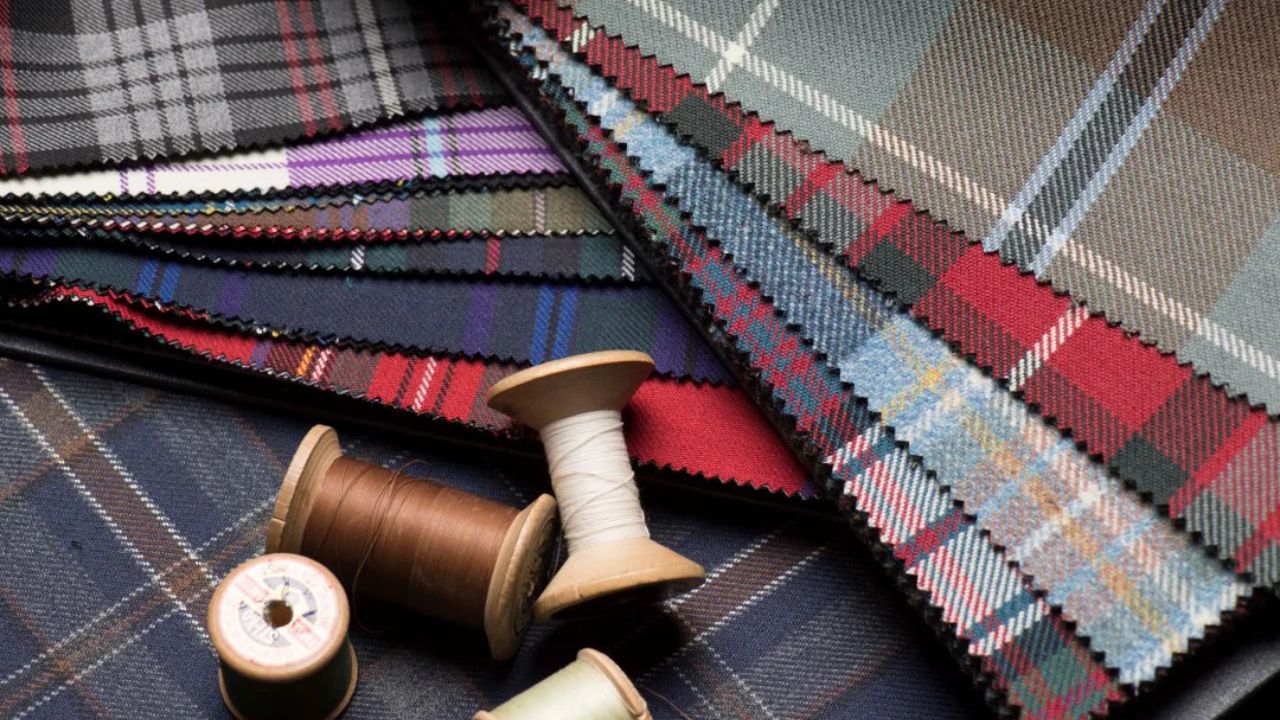
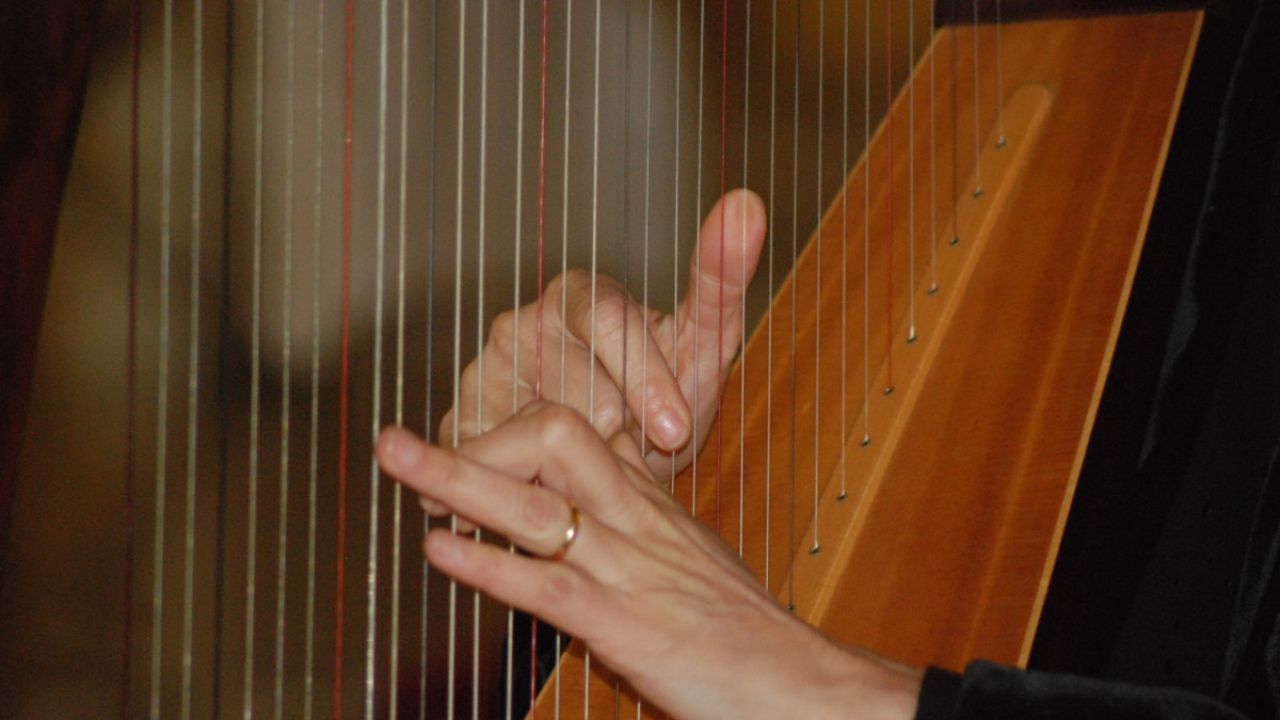
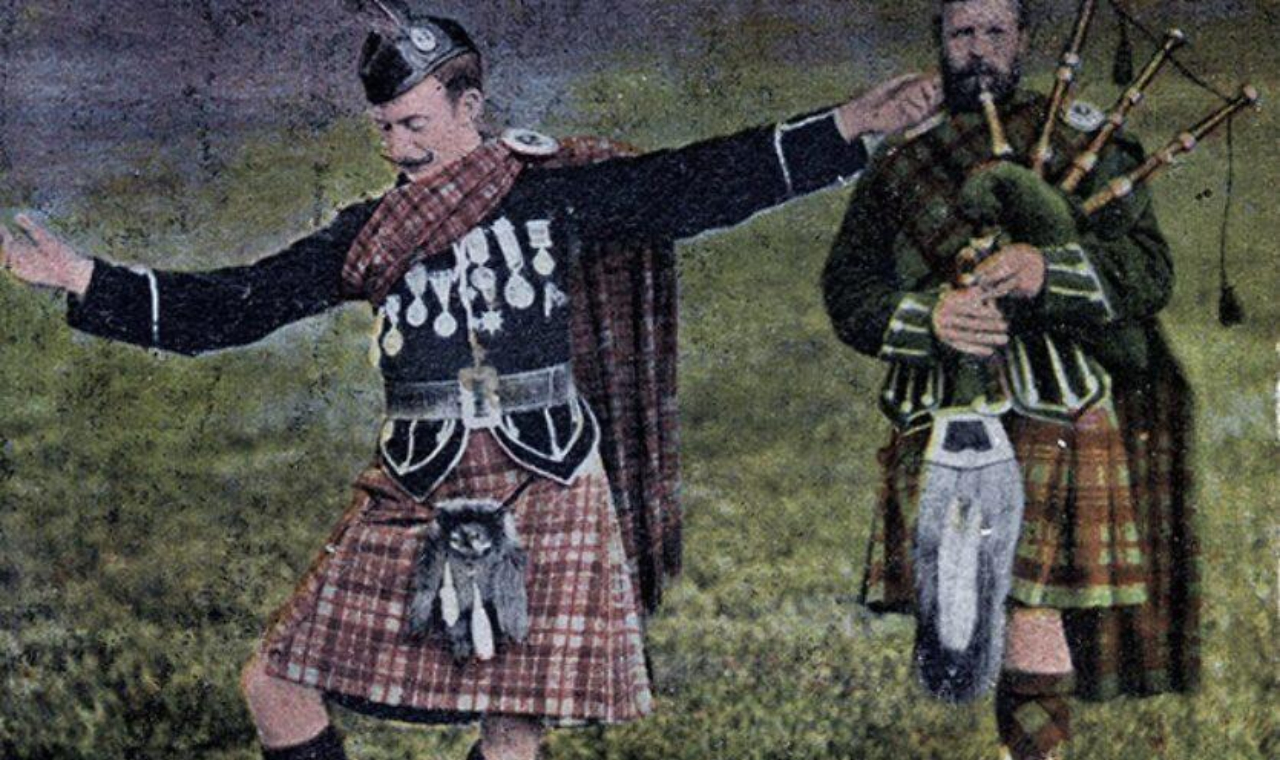
For more inspiration, check out related Celtic art traditions such as the Celtic Harp and tartan patterns. These designs can also inspire tattoo motifs with authentic historical roots.
Conclusion
Celtic tattoos are more than ink—they are a living testament to heritage, identity, and artistry. Whether you choose a knot, a cross, or a triskele, each design connects you to centuries of Celtic culture and the timeless beauty of its symbols.