Plaid Shawls: A Timeless Symbol of Celtic Elegance

Introduction: More Than Just a Shawl
There is something effortlessly elegant about draping a plaid shawl across your shoulders. Whether you see one in a Highland dance, a Celtic festival, or even in everyday wear, it carries with it a sense of warmth, history, and cultural pride. Much like tartan itself, the plaid shawl is not just fabric—it is identity, heritage, and artistry woven together.
Origins of the Plaid Shawl
The term plaid comes from the Gaelic word plaide, meaning blanket. In Scotland, shawls made of plaid wool were traditionally worn as outer garments, both for practicality and style. They were especially popular among women in the 18th and 19th centuries, when a richly patterned shawl was a prized possession.
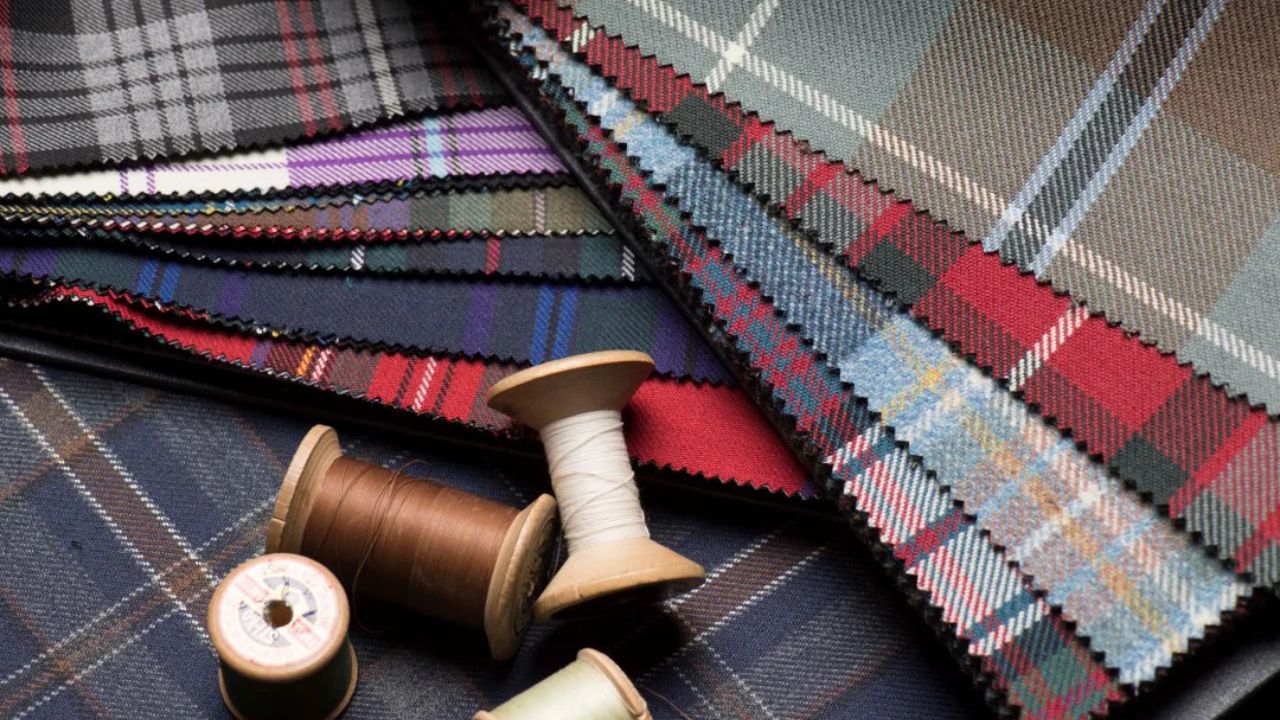
These garments were often woven in tartan prints, linking them to clans, regions, and family identities. Just as kilts embodied Scottish masculinity, shawls became markers of Celtic femininity and elegance.
Alt text: A Scottish woman in traditional dress wearing a red plaid shawl.
Plaid Shawls in Celtic Fashion
Plaid shawls were not just garments—they were statements. In rural areas, they kept women warm during market days and journeys across windswept landscapes. In cities, they became fashionable accessories, pairing Celtic tradition with modern style.
They also share a natural kinship with Scottish tartan shawls, which remain popular today at Highland gatherings and weddings. Both plaid and tartan shawls embody a dual role: protection against the elements and symbols of belonging.
Cultural Symbolism
The plaid shawl is more than fabric—it is storytelling in cloth. Each checkered design carried whispers of origin and identity, much like the oral traditions explored in why Irish people are natural storytellers.
Plaid patterns echoed the land, the clans, and the people who wove them. Just as Celtic stone carvings captured symbolism in stone, plaid shawls preserved heritage in fabric.

Plaid Shawls in Modern Times
Today, plaid shawls continue to appear in Celtic-inspired fashion shows, weddings, and festivals. They are beloved not only in Scotland but also among Irish and Celtic diaspora communities around the world.
Whether worn casually or at cultural events such as the Highland Games, they symbolize a connection to tradition. Paired with kilts, tartan sashes, or even the Tam O’Shanter hat, plaid shawls add the finishing touch to Celtic dress.

Fun Facts About Plaid Shawls
- Many 19th-century plaid shawls were so large they doubled as blankets.
- Queen Victoria’s fondness for tartan popularized plaid shawls across Britain.
- Some shawls were handed down as heirlooms, carrying the weight of family history.
Conclusion: A Woven Legacy
Plaid shawls remain timeless—an accessory that is at once functional, fashionable, and deeply cultural. To wear one is to carry a piece of Celtic history, woven into every check and stripe.
As Celtic traditions continue to inspire, plaid shawls remain as relevant today as they were centuries ago. They connect us to the land, the people, and the enduring artistry of weaving.