🌿 Irish Mythological Beings: The Druids of Celtic Lore

In the misty forests of ancient Ireland, before Christianity reshaped the land, the Druids held unparalleled power. They were philosophers, healers, judges, and spiritual leaders. To the Celtic imagination, Druids were not mere priests but bridges between the mortal and divine.
Druids in Irish mythology were spiritual leaders, judges, and mystics who guided Celtic society through ritual, law, and sacred knowledge.
Druids in Celtic Society
Unlike the warriors who fought for kings, Druids wielded the subtler power of knowledge. They memorized laws, history, and poetry, a role not unlike Ireland’s later storytelling traditions (why Irish people are natural storytellers).
Their education could last up to twenty years, much of it oral, echoing the rhythm of Gaelic proverbs and song. The Druids were therefore living libraries, safeguarding Celtic identity.

The Druids and the Sacred
For the Druids, nature was holy. The oak tree held particular reverence (Celtic oak tree), symbolizing endurance and connection to the gods. Sacred wells, groves, and rivers became ritual spaces where Druids performed ceremonies.
They were also known for divination and prophecy, a gift linking them to figures like Lugh, the Celtic sun god (Celtic Sun God Lugh), who embodied light, knowledge, and craftsmanship.

Mythological Appearances
Druids appear throughout Irish epics. In the Ulster Cycle, they are advisors to kings, often delivering prophecies that shape battles. The Lebor Gabála Érenn (Book of Invasions) also depicts Druids as mediators between human tribes and divine beings.
Their role mirrors other mythological beings of Ireland, from selkies to the guardians of the Cauldron of Dagda, all of whom reveal the mystical depth of Celtic imagination.
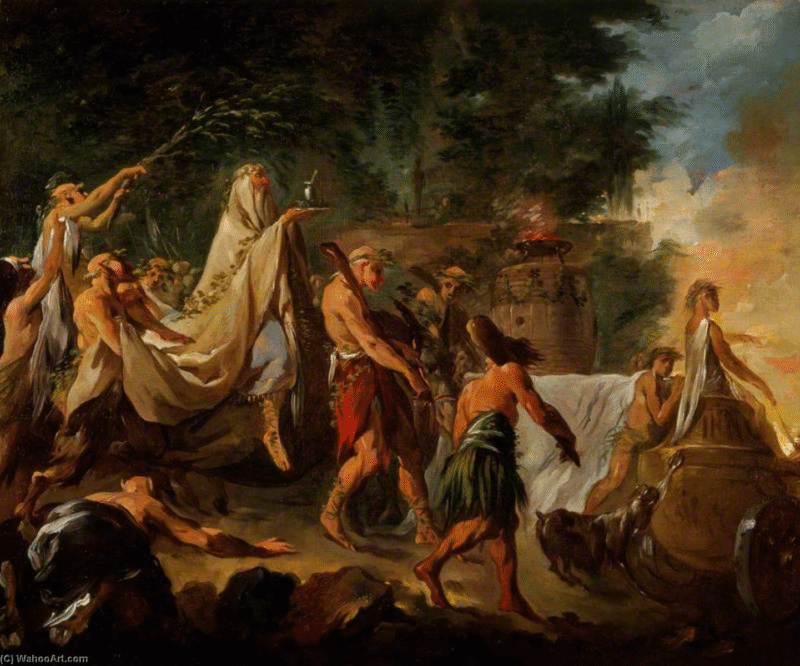
Decline and Transformation
With the rise of Christianity, Druidic power waned. Monks absorbed much of their role as guardians of wisdom, translating oral traditions into scripture (Scottish Gaelic Bible translations).
Yet echoes of the Druids remain in folklore, festivals like Saint Patrick’s Day, and even in the reverence for Ireland’s natural landscapes (Irish holy wells).
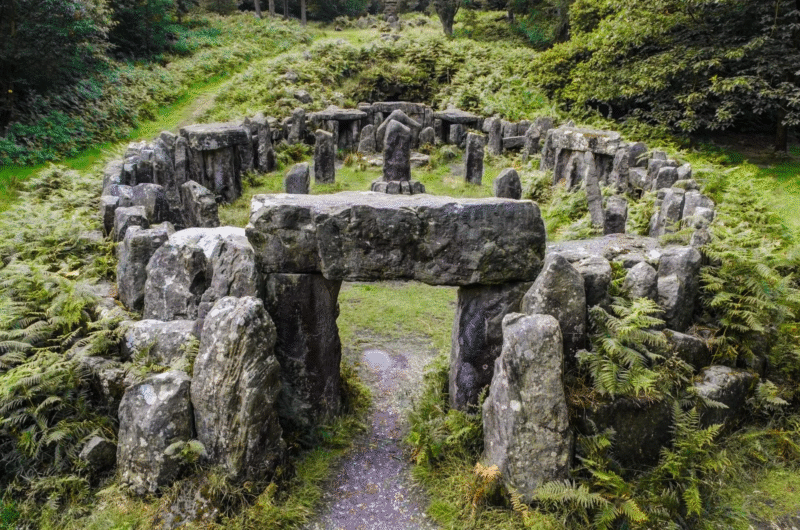
Wrap-Up: The Legacy of the Druids
Though their rituals are lost to time, Druids remain central figures in Irish mythology — guardians of knowledge, interpreters of fate, and keepers of balance.
To explore them is to walk the boundary between myth and history, where Celtic spirituality still whispers in the rustle of oak leaves and the flow of sacred wells.