Highland Shield Designs: History, Art, and Clan Identity

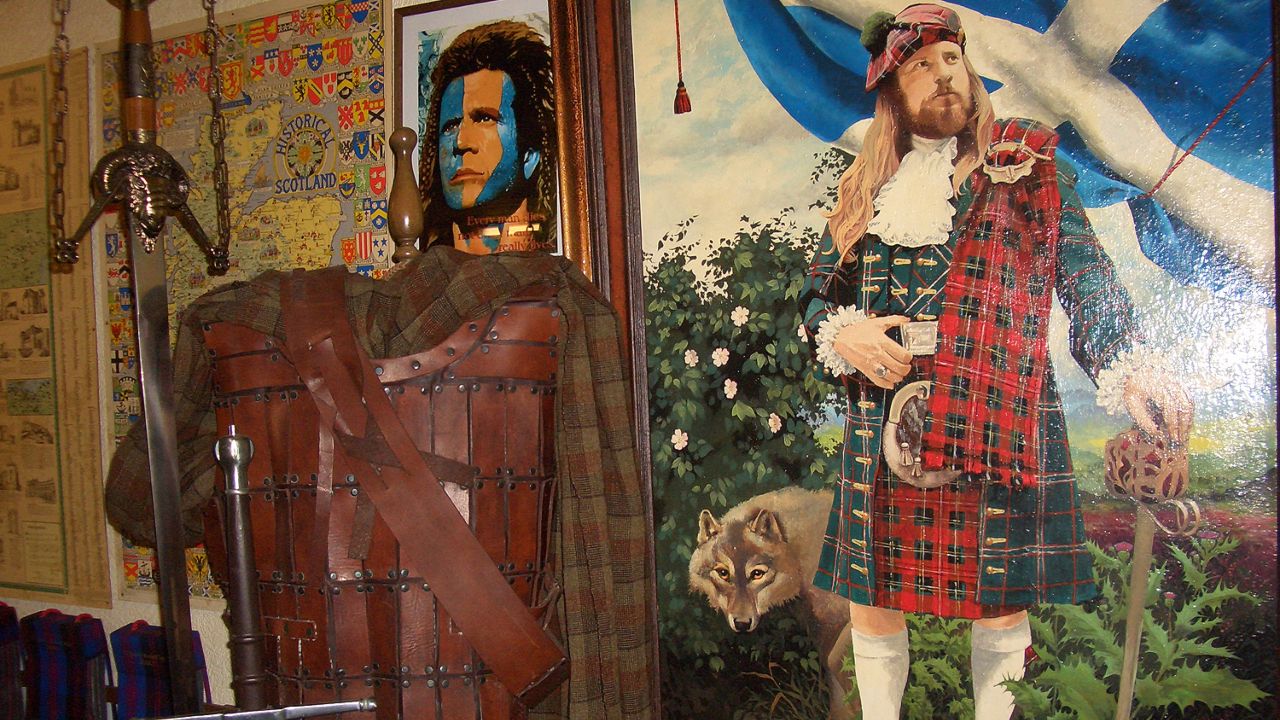
Walk into any Scottish heritage museum and the Highland shields immediately steal attention. Warriors treated their shields as more than armor. They became canvases of pride, memory, and identity. Each etched swirl and bold metal stud held a message that a Highlander carried into every battle.
This tradition has so much depth that it deserves a slow, appreciative look.
What Made a Highland Shield Special
Highland shields, also known as targes, usually stood round with thick wooden cores and leather stretched over the surface. Warriors loved them because they gave solid protection without feeling clumsy.
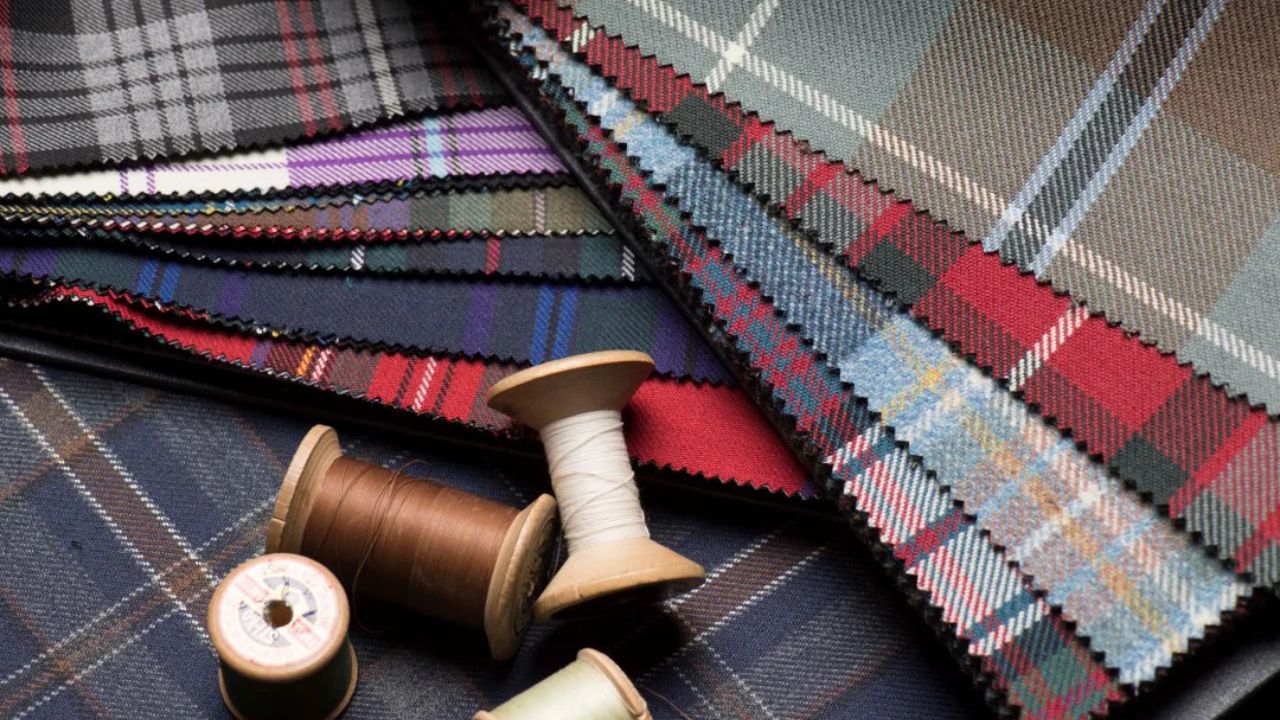
Design mattered too. When someone raised a targe in combat, the front looked like a cultural proclamation. It reflected ancestry, place, and the fierce independence of clan society. If you enjoy learning how practical objects hold identity, you might enjoy reading about tartan and its cultural meaning.
Celtic Motifs Across Wood and Leather
Celtic art shines brightest in intricate lines that twist and loop. Highland shields embraced these motifs to show eternal life, courage, and spiritual protection.
Many targes displayed:
• Spiral knot patterns
• Protective interlaced designs
• Animal symbolism with roots in myth
• Sunburst arrangements of metal studs
These echoes of earlier Celtic traditions connect with artifacts like those featured in our article on Celtic stone carvings.

Highlanders enjoyed letting art travel into battle. Imagine striking an enemy while a carved symbol reminds you of ancestors who stood strong before you. It gave confidence in moments where survival felt fragile.
Clan Identity at the Heart of Shield Designs
Every Highlander knew the power of kinship. A shield often showed the loyalty that structured life itself. Many targes featured features like:
• Clan badges
• Heraldic animals
• Highland patterns linked to local lands
Clan identity still shapes Scottish pride today. Curious about how family heritage continues? Check our guide to how many Scottish clans exist.

Shields Built for Ceremony as Well as Survival
Not every shield saw a blade. Some pieces spoke more to social status, diplomacy, and celebration. They featured fine brasswork or decorative gemstones. These targes traveled to events like Highland gatherings, where families showcased honor rather than warfare. Events such as the Highland Games keep that spirit alive today.
Warriors cared about art because storytelling lived everywhere in Highland life. If that interests you, you might enjoy learning why Irish people are natural storytellers. The cultural threads run surprisingly close.
How Highland Shield Designs Live On Today
Modern craftsmen revive these methods through hand tooling, knotwork carving, and historic metal fastening. Targes decorate homes, serve as reenactment gear, and appear proudly at weddings and ceilidhs. They act as guardians of tradition in a time that often forgets the beauty of old craft.
Celebrations like Saint Patrick’s Day touch similar themes of identity and memory. See our article on the significance of Saint Patrick’s Day for another example of heritage shining through time.
Final Thoughts
Highland shield designs reveal a truth. Even in war, the Highlanders refused to separate strength from creativity. Every shield fused survival, myth, and pride. No mass-produced item could ever carry that depth.
If you want more explorations of Celtic craft and culture, visit our main Celtic blog page and get lost in the stories that shaped Scotland and Ireland.