The Border Reivers: Raids, Law and Life on the Anglo-Scottish Border
For centuries, the Anglo-Scottish border was both a frontier between kingdoms and a place where families had to live, farm and trade. The Border Reivers were people from this region who raided across and along the line, especially for livestock. Their story involves more than daring horsemen: it is also a history of insecurity, kinship, disputed justice and the communities left to bear the losses.
Reiving was most prominent from the late medieval period into the early seventeenth century. Scots and English people took part. The names and ballads endure, but the surviving towers, fortified farmhouses and records of border law reveal a more complicated world than the romantic legend.
Who were the Border Reivers?
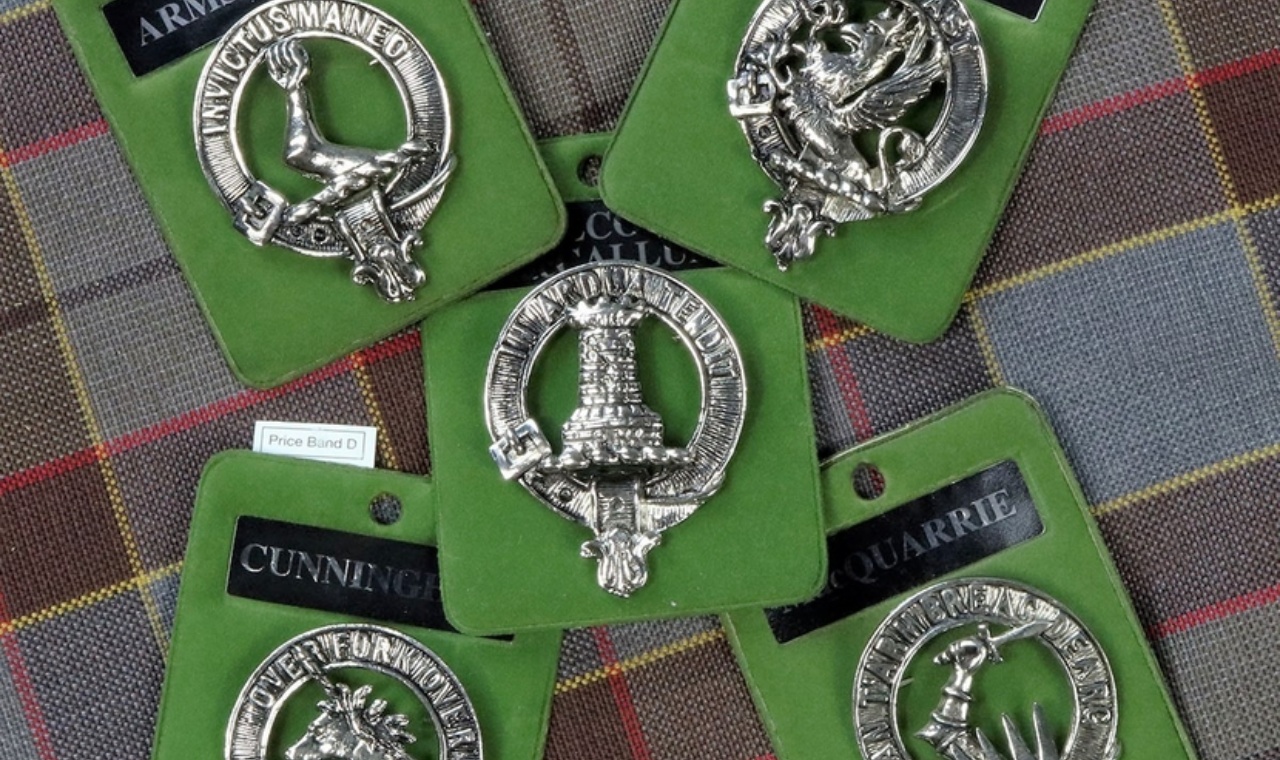
A “reiver” was a raider, from a Scots word for taking by force. The term describes conduct rather than a single clan or nationality. Families on both sides of the Anglo-Scottish border were involved, among them Armstrongs, Elliots, Grahams, Johnstones and Scotts. Alliances could follow kinship and local interest more closely than the political boundary. The Roman Army Museum’s account of the Reivers places their activity broadly between the thirteenth and seventeenth centuries.
The border country stretched from the Solway Firth in the west toward the North Sea in the east. Rivers, valleys and upland routes connected settlements as much as they separated them. A raiding party might cross from one kingdom into another, but feuds and theft also occurred among neighbours on the same side. “Scottish raider versus English victim” is therefore too simple a picture.
The word clan sometimes appears in modern retellings. In the Borders, historians also use surname or kindred for the extended networks that supplied protection, obligations and sometimes fighting men. Members of a family did not all behave alike, and the best known names should not be treated as a list of hereditary criminals.
Why raiding took root on the border
War between England and Scotland repeatedly disrupted this region. Armies burned property, removed supplies and put pressure on communities near the frontier. Peace at the national level did not automatically settle local grudges or make distant officials effective. Livestock was valuable, portable wealth, while farms and villages could be exposed to a fast raid.
Kinship offered practical security when formal protection was uncertain. It could also sustain cycles of retaliation: the loss of animals or a relative’s injury gave a family reason to seek repayment, sometimes by force. The result was neither constant lawlessness everywhere nor a harmless sport. A stolen herd could strip a household of food, work animals and its means of recovery.
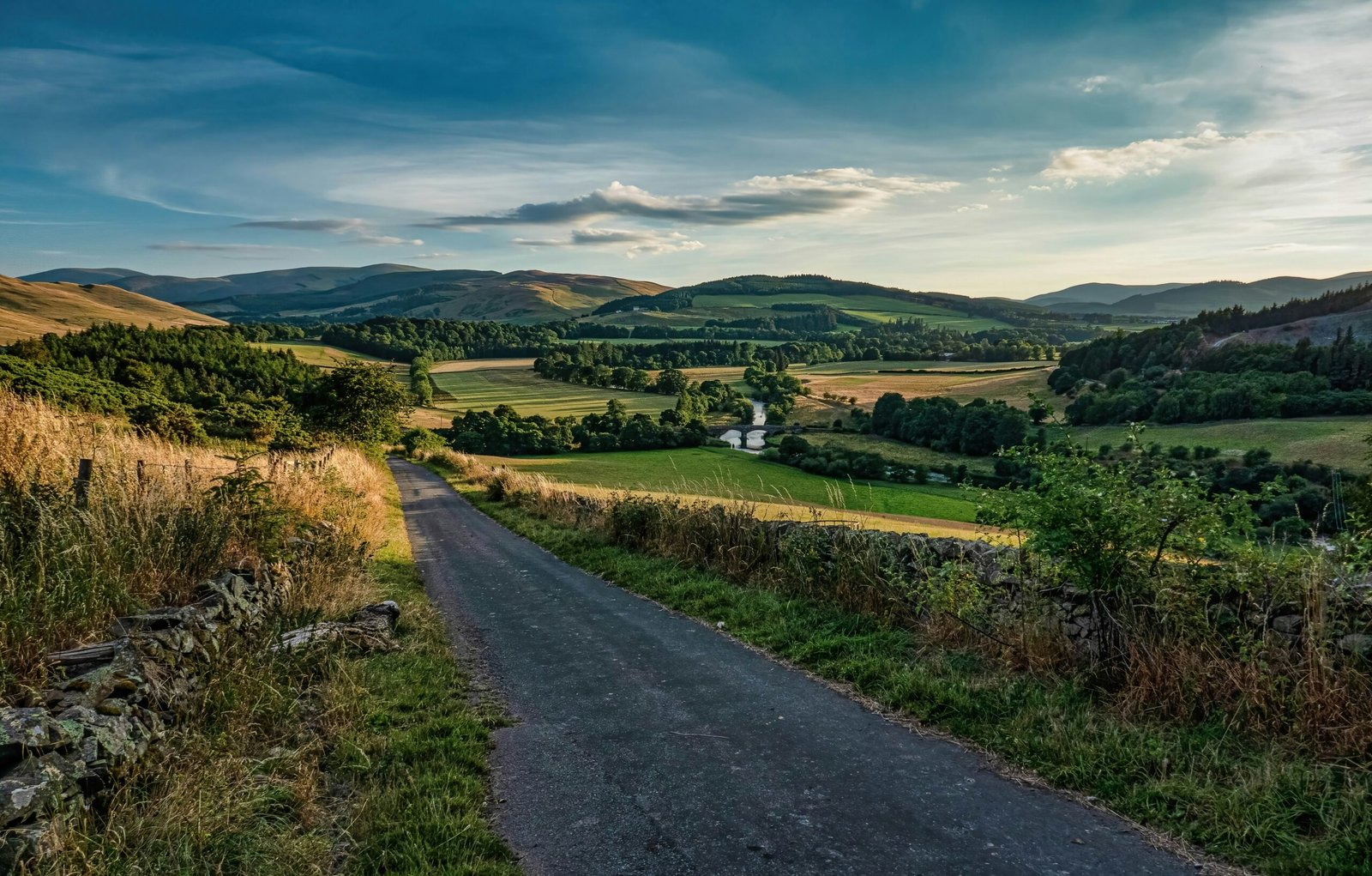
The landscape helps explain how the practice worked. Riders who knew the crossings and paths could cover ground quickly, especially in poor weather or darkness. The modern Tweed Valley looks peaceful, yet its connected routes and scattered holdings help a visitor understand why movement, refuge and warning mattered so much.
How raids worked, and whom they hurt
Reiving parties commonly targeted cattle and horses. Riders carried weapons and travelled light enough to move fast. According to the Roman Army Museum, autumn through spring offered a long raiding season, and expeditions often took place at night. The scale ranged from small thefts to major incursions involving many men.
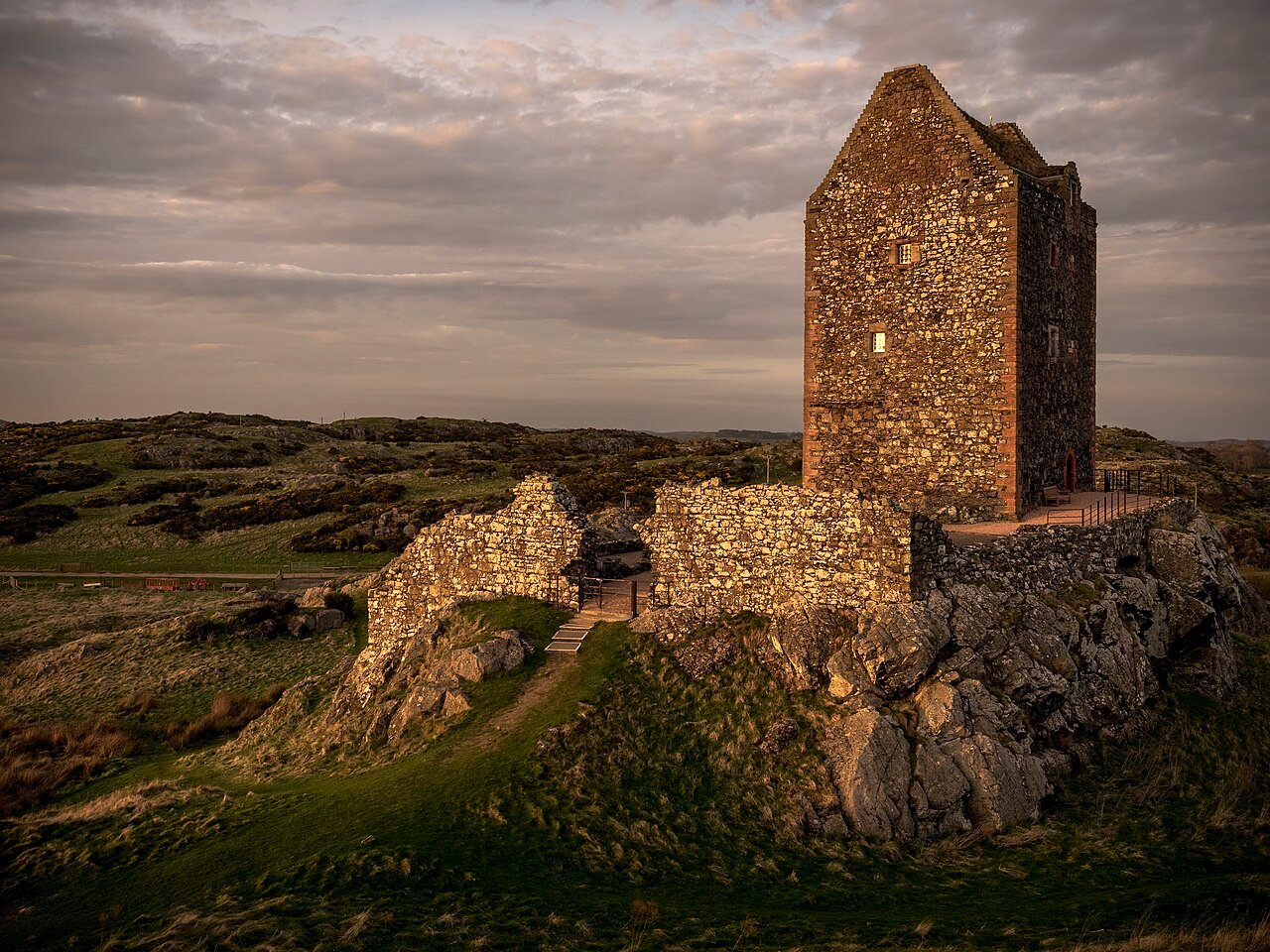
A well documented example gives those generalities weight. Historic Environment Scotland records that Northumberland reivers made two raids on the Pringles of Smailholm in 1544, taking more than 700 cattle and 100 horses. These figures describe what happened to a particular estate, not a typical night’s haul. They show why a family invested in a defensive tower and why the loss mattered economically.
The people affected were not only rival riders. Farmers, servants and households could face damage, intimidation or injury. The familiar ballad image of a clever outlaw can obscure those costs. Nor should every episode be explained as an act of poverty: opportunity, power, family conflict and the weaknesses of enforcement all shaped border violence.
The Marches, wardens and the hot trod
The frontier had a legal framework. Each kingdom divided its border into East, Middle and West Marches, with wardens responsible for maintaining order and handling disputes. The divisions did not stop raids, but they show that both crowns attempted to govern the region. Days of truce offered occasions for people from opposite sides to bring claims and negotiate redress.
A hot trod was a prompt pursuit after a raid to recover stolen goods. The Roman Army Museum describes the prescribed pursuit within six days, signalled by a horn or a piece of burning turf. This was a recognised procedure with conditions, not a general licence for revenge. Where proof, local loyalties and practical enforcement were contested, even formal remedies could be difficult to use.
The 1596 case of Kinmont Willie Armstrong became one of the border’s most famous episodes. Arrested on a truce day and imprisoned in Carlisle, he was rescued in a raid led by Walter Scott of Buccleuch. His story survives vividly in ballad tradition. As Historic Environment Scotland notes in its discussion of border ballads, the songs preserve memory and drama, but their details need to be read alongside historical evidence.
Defensive homes and a rider’s clothing
A border family’s home could be built around the possibility of attack. A bastle was a fortified farmhouse, generally with animals sheltered below and people living above. Historic England’s description of a surviving bastle dates this building type mainly to the sixteenth and early seventeenth centuries. Its arrangement makes the priority plain: protect a household and its livestock together.
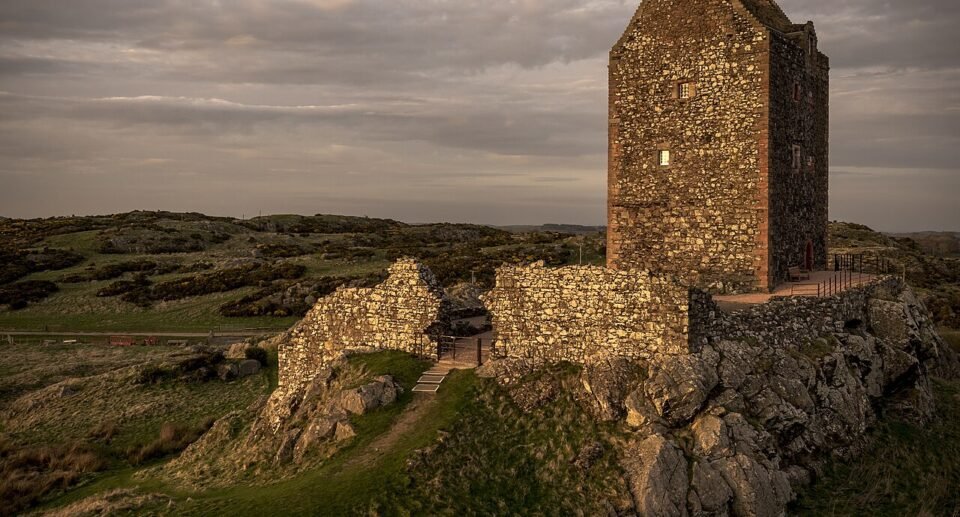
The Pringles’ Smailholm Tower, built in the early fifteenth century, is a striking Scottish example of a defensible residence in an exposed setting. Larger strongholds mattered too. At Hermitage Castle, the Earl of Bothwell was wounded in a skirmish with reivers in October 1566; Mary, Queen of Scots, rode from Jedburgh to see him. These sites tell different stories, but both make the insecurity of the frontier tangible.
The rider’s kit was chosen for speed and protection: a horse, weapons, a metal helmet often called a steel bonnet, and practical layers of clothing. Celt Guide’s account of Border Reiver clothing explores how dress served work, weather and identity. Our related piece on clothing and markings in border feuds offers further context.
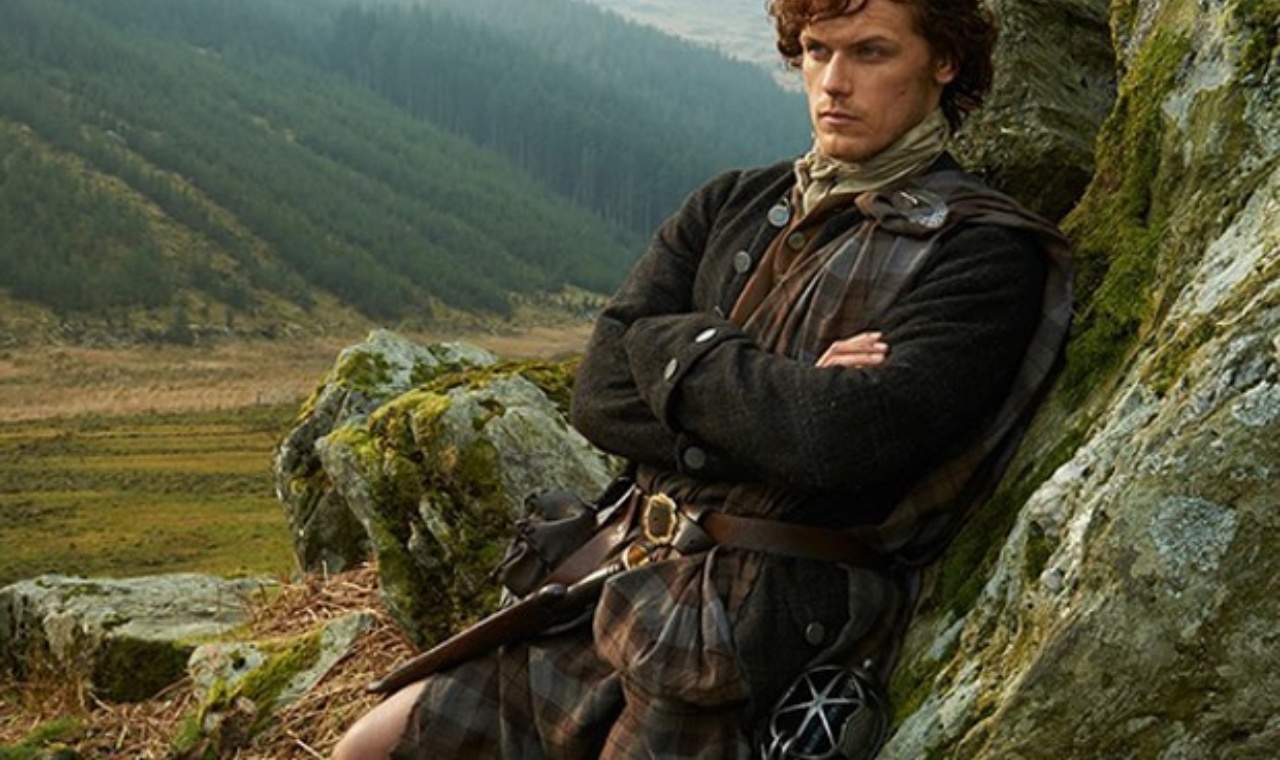
It is easy to dress every figure from Scottish history in a modern tartan kilt. That image does not describe the typical mounted Reiver of the sixteenth century. Highland dress has its own later public history; Kiltist’s discussion of kilts and cultural identity is useful context for that separate tradition.
How reiving ended and became legend
When James VI of Scotland inherited the English throne in 1603, the two crowns came under one monarch. That changed the political logic of a defended Anglo-Scottish frontier. Royal efforts to impose order intensified, although habits, feuds and violence did not disappear overnight. It is more accurate to describe a transition in enforcement and authority than to imagine every raid ending on a single date.
The history later gained a literary afterlife. Walter Scott, who spent time near Smailholm as a child, published the first volume of Minstrelsy of the Scottish Border in 1802. His collecting helped carry songs and stories to new readers. Ballads such as those of Johnnie Armstrong and Kinmont Willie are invaluable evidence of remembrance and storytelling; they are not neutral transcripts of the events they describe.
Today, towers, bastles, museum collections and local records let us study the border on several levels at once: the choices of rulers, the networks of families and the daily vulnerability of households. The Reivers were part of that world, and understanding them means keeping the people they raided in the picture too.
Questions readers often ask
Were Border Reivers Scottish or English? Both. Raiding crossed the national line, but disputes also involved neighbours within either kingdom. Family networks and local rivalries complicate a simple national label.
What did they steal? Cattle and horses were frequent targets because they were valuable and could be driven away. Raids could also damage property and harm people.
Did the Union of the Crowns end reiving? The accession of James VI to England’s throne in 1603 enabled stronger efforts to control the border. The change took time; it was not an instant disappearance of violence.
Where can you see this history? Smailholm Tower, Hermitage Castle and surviving bastle houses make the defensive landscape visible. Check each site’s current visitor information before travelling.
Image credit: Featured photograph of Smailholm Tower by Keith Proven via Wikimedia Commons, used under CC BY-SA 4.0; image resized for the site. Tweed Valley photograph by Stephen Talas via Unsplash, used under the Unsplash License.