Celtic Serpent Deities: Guardians of Mystery and Power

The Celts were deeply attuned to the natural world, and their mythology often reflects this connection. Among the many figures that appear in Celtic lore, serpent deities occupy a fascinating and mysterious space. Far from mere monsters, these serpents symbolize transformation, protection, and the cyclical nature of life.
Understanding these deities provides insight into Celtic spirituality, their reverence for nature, and their complex symbolic system. Much like the storytelling traditions highlighted in Why Are Irish People Natural Storytellers?, the serpent myth conveys lessons that transcend time.
Serpents in Celtic Symbolism
In Celtic mythology, serpents are rarely villains. They often represent wisdom, fertility, and guardianship. For example, serpents are linked with water deities, which makes sense when considering their sinuous, flowing movements that resemble rivers and streams.
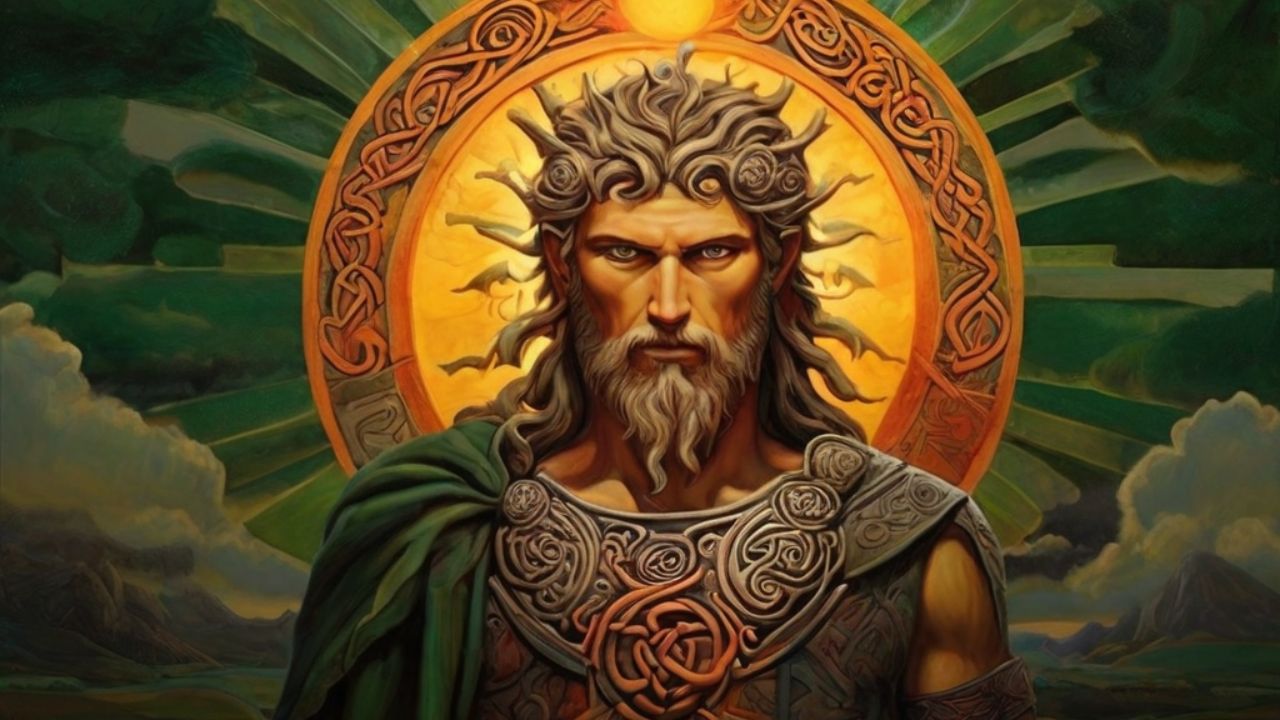
Celtic art frequently features intertwined serpents, highlighting the endless cycle of life, death, and rebirth. This imagery mirrors broader Celtic cosmology, where cycles and nature are central to understanding existence. Serpents embody both physical and spiritual power, bridging the human and divine worlds.
Key Celtic Serpent Deities
While the Celts did not have a single, unified pantheon like the Greeks, several deities and mythological beings incorporate serpentine elements:
- The Linton Worm – A famous Scottish serpent associated with cunning and territorial guardianship. Learn more in The Linton Worm.
- The Cauldron of Dagda – Though primarily a vessel of abundance, serpentine designs appear in tales surrounding Dagda’s power and life-giving force. Details in Cauldron of Dagda.
- Water Serpents and Spirits – Many local water spirits in Celtic folklore took serpentine forms, guarding sacred wells and springs. Explore more at Irish Holy Wells.
These figures reflect the protective, transformative, and sacred role of serpents within Celtic culture.

Serpent Imagery in Celtic Art
Celtic stone carvings and metalwork often depict serpents. Their winding forms are not only aesthetically striking but also carry symbolic weight. Serpents appear on amulets, ceremonial objects, and even on weapons, suggesting spiritual protection and vigilance.
For instance, the recurring motif of interlaced serpents conveys continuity, connection, and the unseen forces of the natural world. This pattern resonates with Celtic storytelling methods, which often interweave human, animal, and divine narratives. Discover similar designs in Celtic Stone Carvings.

Serpents as Symbols of Transformation
In many Celtic myths, serpents symbolize change and rebirth. Their ability to shed skin represents renewal, a theme mirrored across Celtic ritual and seasonal festivals. By honoring serpents, the Celts acknowledged life’s cyclical nature and the spiritual power inherent in transformation.
These stories remind us that even creatures feared in other cultures can hold sacred meaning in Celtic thought. Serpent deities illustrate how the Celts found divinity in nature, seeing lessons in the movement, survival, and persistence of these creatures.
Modern Interpretations
Today, Celtic serpent symbolism survives in cultural practices, art, and storytelling. Artists continue to depict serpents in jewelry, carvings, and tattoos, reflecting their role as guardians, guides, and symbols of resilience. For those exploring Celtic spirituality, understanding serpents provides a lens into ancient wisdom and reverence for the natural world.
Much like the enduring Celtic harp discussed in What is a Clarsach?, serpent motifs blend artistry with profound symbolism, demonstrating the Celts’ ability to fuse the practical with the spiritual.