Scottish Traditional Gaiters: A Small Accessory With a Big Story

When we picture Highland dress, our minds usually jump straight to the kilt, tartan, and sporran. But there is another piece that quietly completes the look, Scottish traditional gaiters. They may seem like a simple accessory, yet they reveal a lot about Scottish history, practicality, and style.
Gaiters protect the lower legs, add structure to the outfit, and create that proud, polished Highland appearance we recognize at parades and ceremonies today. Their story connects the everyday life of Scottish soldiers and Highlanders to modern traditions.
What Are Scottish Gaiters?
Gaiters are coverings worn from the ankle up toward the calf. They sit neatly over socks and shoes, fastening with buttons or straps. Historically, they served very practical purposes:
- They kept mud and water away from wool socks.
- They helped secure shoes when people walked across rocky or wet terrain.
- They gave soldiers and bands a smart, unified appearance.
Over time, they became closely associated with Highland dress, standing alongside iconic garments like the kilt and tartan. Today, they are worn in ceremonies, cultural festivals, and historical reenactments, reminding us of Scotland’s strong military heritage and rugged lifestyle.
Materials and Styles Through History
Traditional Scottish gaiters came in a few common materials, each chosen for a reason.
White canvas gaiters were especially popular in military settings. They looked clean, uniform, and authoritative. They were also durable, which mattered during long marches.
Black leather gaiters offered extra protection against rain and mud. These were often used in colder weather or more formal settings.
In some Highland regions, gaiters were even made from heavy wool blends to help keep warmth in and moisture out. No matter the style, gaiters always balanced practicality with appearance, something that describes Highland dress overall.

Gaiters and Highland Identity
Highland dress grew from real life, not only ceremony. Life in the Highlands meant rough roads, unpredictable weather, and long travel on foot. Gaiters helped people move safely and stay dry. Over time, practicality evolved into tradition.
Wearing gaiters today isn’t just about fashion, it’s about honoring resilience, discipline, and heritage.
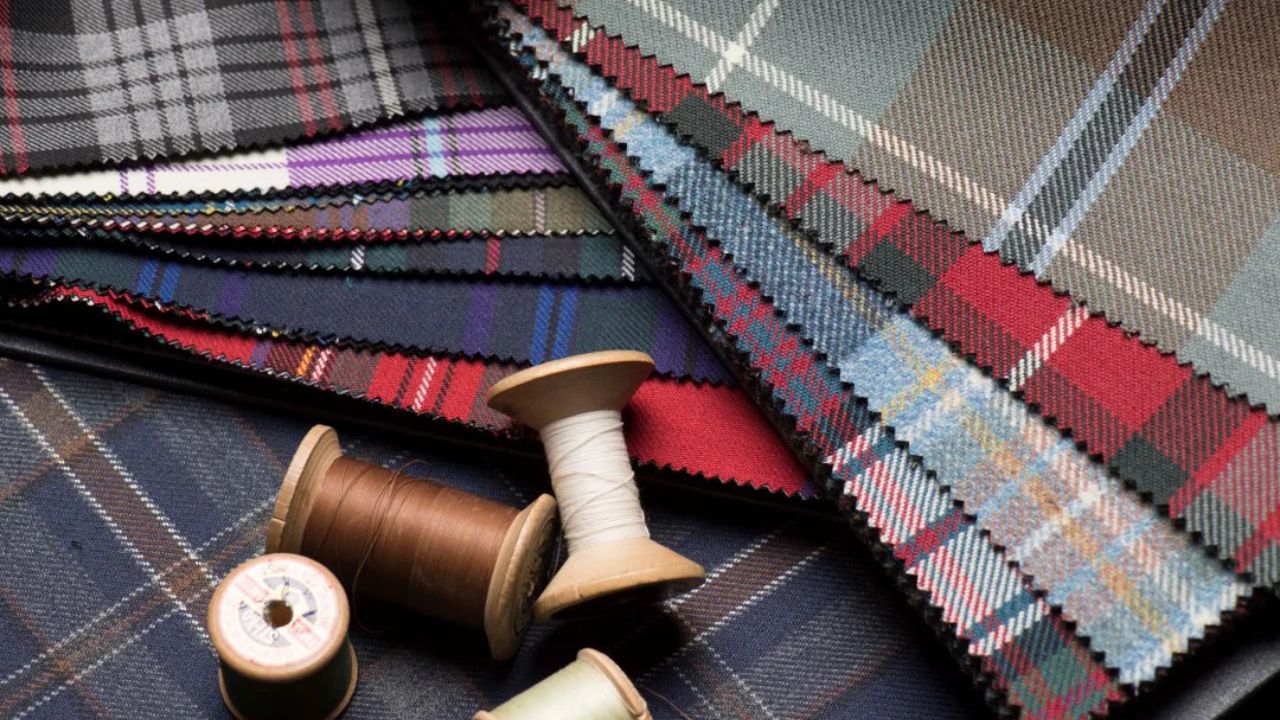
Just like tartan patterns carry clan identity and history, gaiters reflect the working, marching, and living reality of Highland communities. Every button and strap represents centuries of adaptation and pride.
Where You’ll See Gaiters Today
Even in the modern world, gaiters still play an important role in Scottish cultural life. You will often see them during:
- military and state ceremonies
- pipe band performances
- Highland Games events
- parades and historical reenactments
When combined with kilts, jackets, and sporrans, gaiters help complete the authentic Highland look. They add structure from the ground up, making the overall outfit appear strong and balanced.

More Than Just a Costume Piece
Some people think Highland dress is just for special occasions. But gaiters remind us that Scottish clothing developed from everyday needs. What once protected soldiers and travelers is now celebrated as part of cultural identity.
This connection between useful clothing and tradition is part of what makes Highland fashion so meaningful. It isn’t just about appearance, it tells a story about the land, the people, and their way of life.
Final Thoughts
Scottish traditional gaiters may sit low on the leg, but they carry a high level of importance. They show how the smallest details can hold history, pride, and symbolism.
Next time you see a Highland outfit, look closely at the gaiters. Behind those simple coverings lies a story of discipline, resilience, and cultural heritage that continues to walk proudly into the future.