Celtic Animal Totems: Boar, Deer, Raven Meanings

Walk through a Celtic forest in your imagination. You might feel that the land itself has a memory. For the ancient Celts, animals guided that memory. They did not see animals as decorations in stories. They saw them as teachers, ancestors, guardians, and warnings.
In this guide, we explore three of the most important Celtic animal totems: the boar, the deer, and the raven. Each reveals how the Celts thought about courage, leadership, life, death, and mystery.
While we study symbols, we also come closer to the worldview that shaped Celtic culture, from heroic stories to sacred rituals. And as you’ll see, these meanings still speak to us today.
The Boar: Courage, Ferocity, and Honor
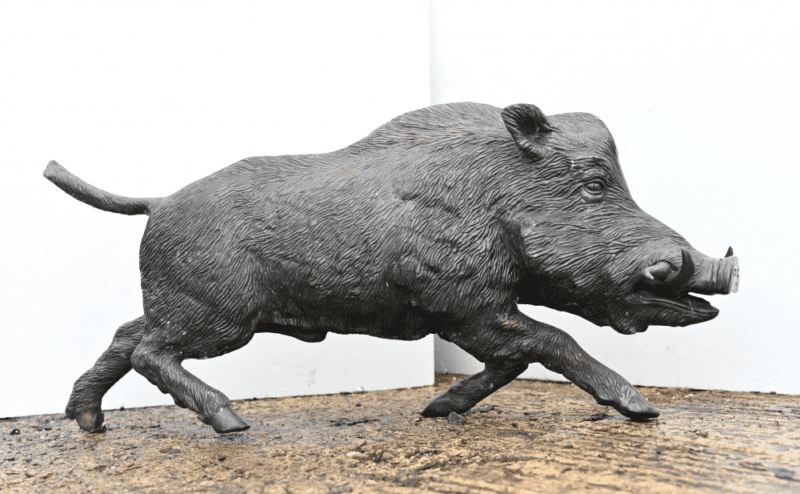
The boar stands at the heart of many Celtic legends. Warriors admired it. Poets wrote about it. Carvings across Britain and Ireland show its bristling strength.
The boar symbolized bravery, stamina, and stubborn truth. A person who carried boar imagery signaled fearlessness. They stood firm in the face of danger and refused to abandon their path.
Hunters respected the boar deeply, because meeting it meant real risk. In myth, the boar sometimes guarded sacred places or treasure. It challenged heroes to prove worth, not through birth, but through courage.
We also see echoes of this strength in other Celtic symbols, such as legendary weapons and feasts linked with the gods, themes explored further in articles like the Cauldron of Dagda.
The Deer: Grace, Leadership, and the Path Between Worlds
If the boar represents raw strength, the deer brings us something softer but no less powerful.
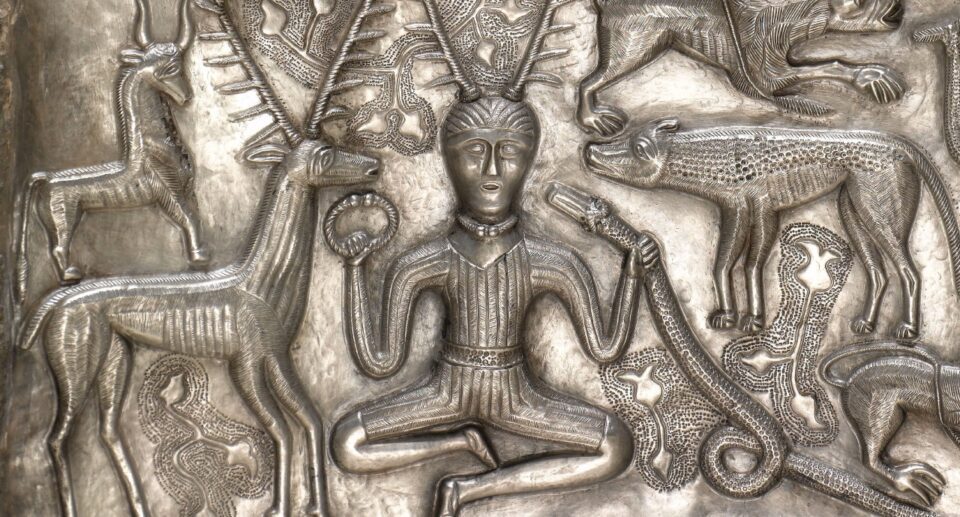
In Celtic lore, the deer leads people into forests and into the Otherworld, that liminal spiritual space between life and the unseen. The deer moves quietly, but with purpose. It symbolizes spiritual guidance, wisdom, and respectful leadership.
White deer appear in many legends. When a hero follows one, they begin a journey of transformation. The deer invites reflection rather than confrontation. It teaches that true leadership grows from patience and moral clarity, not force.
We find the same theme in sacred natural symbols like the Celtic Oak Tree, which also speaks to endurance and connection with the divine.

The Raven: Prophecy, Mystery, and the Cycle of Life
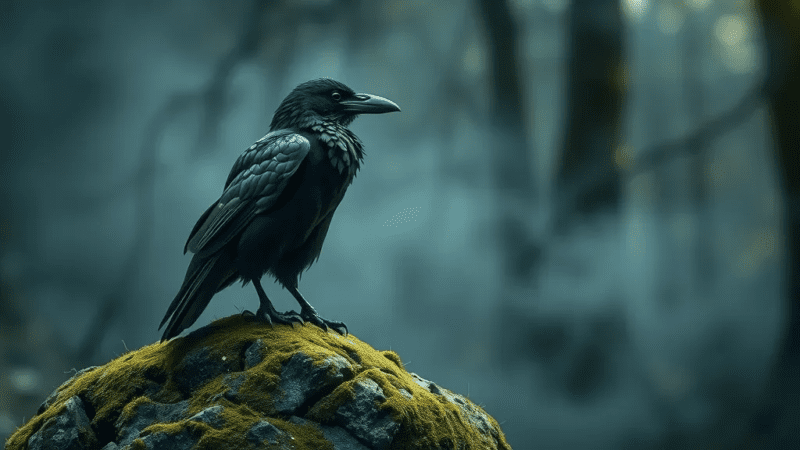
Few animals unsettle and fascinate like the raven. For the Celts, the raven knew the secrets of battlefields, kings, and the future itself.
Ravens often appear alongside gods linked with prophecy and fate. They symbolize intelligence, transformation, and sometimes the unsettling truth that death forms part of life’s cycle.
The raven does not simply predict doom. It reveals what we prefer to ignore. It asks us to listen closely to messages that come through dreams, omens, or sudden insight.
This idea of crossing thresholds also appears in Celtic legends about sacred landscapes like the Hill of Tara, places where worlds seem to touch.
Why Animal Totems Still Matter
Celtic animal totems do not exist only in dusty manuscripts. They still help people think about identity, responsibility, and purpose.
- The boar asks: What are you willing to stand for?
- The deer asks: How gently can you lead?
- The raven asks: What truth are you ready to face?
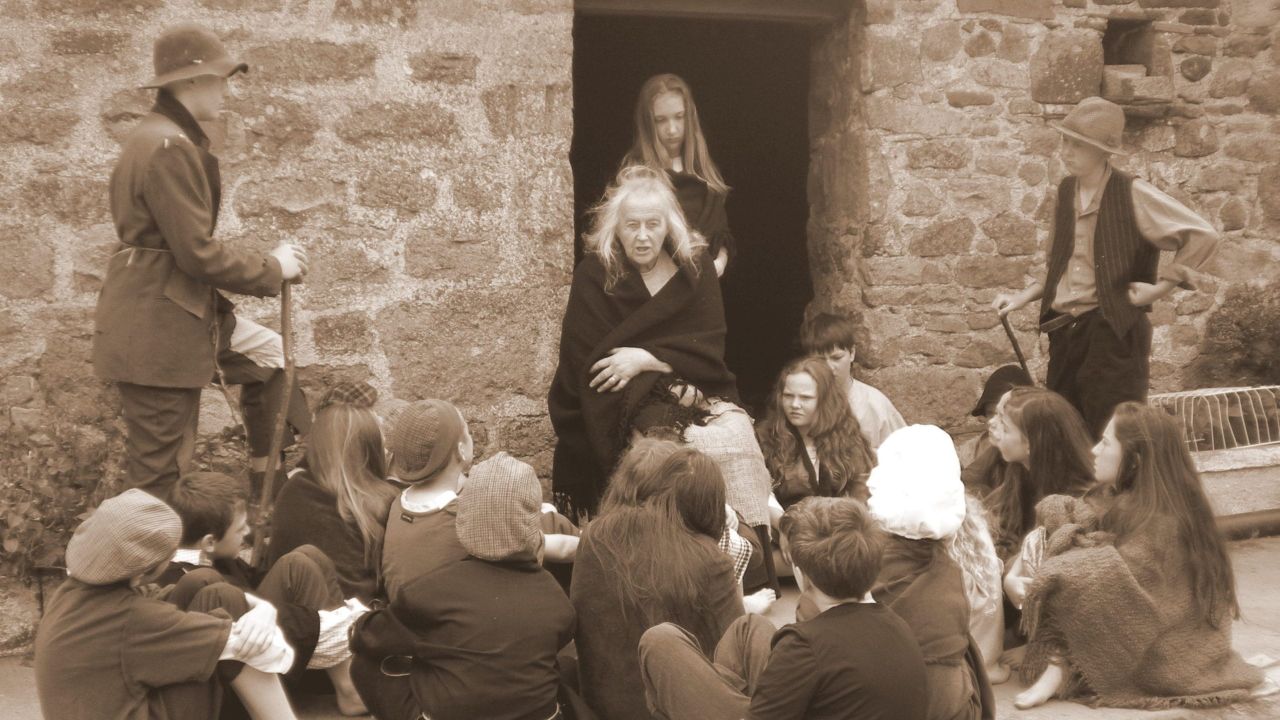
Exploring these symbols connects us to an older rhythm of life. It reminds us that myth carries knowledge, just as storytellers still do today, much like those celebrated in our feature on Irish storytelling traditions.
And of course, if you want to keep exploring Celtic myth and folklore, you’ll find many more journeys in our Mythology & Folklore category, each article built to guide you deeper, step by step.
Final Thoughts
As a historian, I find that the most compelling Celtic symbols are not frozen relics. They breathe. They evolve with every retelling.
When we look at the boar, deer, and raven today, we do more than read about the past. We participate in it. We learn bravery, gentleness, and awareness from the same teachers who guided Celtic communities centuries ago.
And perhaps, the next time you walk through a quiet wood, you may feel that ancient conversation continue.