Irish Fiddle Tunes: History, Styles & Sessions

Irish fiddle tunes do more than entertain. They carry memory, migration, faith, and festivity in their bow strokes. The fiddle stands at the heart of Irish traditional music. It shapes the soundscape of village dances, pub sessions, and global stages alike.
In this essay, I explore the history, forms, and cultural force of Irish fiddle tunes. I also trace how they connect with storytelling, ritual, and national identity.
The Fiddle in Irish Tradition
The fiddle entered Ireland by the seventeenth century. Irish musicians quickly adapted it to local modes, ornaments, and dance rhythms. Unlike the classical violin, the Irish fiddle values lift, drive, and variation over strict adherence to written scores.
You will hear this difference instantly in a traditional session. The bow cuts sharply. Grace notes flicker. Rhythm propels the melody forward.
For a broader overview of the instrument’s development, see our guide to fiddle music on CeltGuide.
Forms of Irish Fiddle Tunes
Irish fiddle tunes fall into distinct dance categories. Each form carries its own tempo, meter, and emotional register.
Reels
Reels use a 4/4 rhythm. They move quickly and invite energetic step dancing. Tunes such as “The Silver Spear” or “Cooley’s Reel” exemplify this driving pulse.
Jigs
Jigs typically follow a 6/8 meter. They feel lilting and buoyant. Dancers respond with light, springing footwork.
Hornpipes
Hornpipes slow the pace. They emphasize dotted rhythms and subtle swing.
Airs
Airs differ from dance tunes. They unfold slowly and express longing, grief, or devotion. Many draw from ancient Gaelic poetry and song traditions. You can explore related oral traditions in our article on Gaelic Irish Proverbs.
These forms thrive in communal gatherings, especially in performances by Ceili Bands (https://celtguide.com/ceili-bands/). Such ensembles sustain the collective energy that defines Irish social dance culture.
Storytelling Through Sound
Irish culture prizes narrative. As we discuss in Why Are Irish People Natural Storytellers? (https://celtguide.com/why-are-irish-people-natural-storytellers/), storytelling shapes communal identity. Fiddle tunes extend that narrative impulse into melody.
A lament can echo the sorrow explored in The Influence of the Irish Potato Famine (https://celtguide.com/the-influence-of-the-irish-potato-famine/). A festive reel may animate celebrations like The Significance of Saint Patrick’s Day (https://celtguide.com/the-significance-of-saint-patricks-day/).
In each case, music does not decorate history. It interprets it.

The Fiddle and Companion Instruments
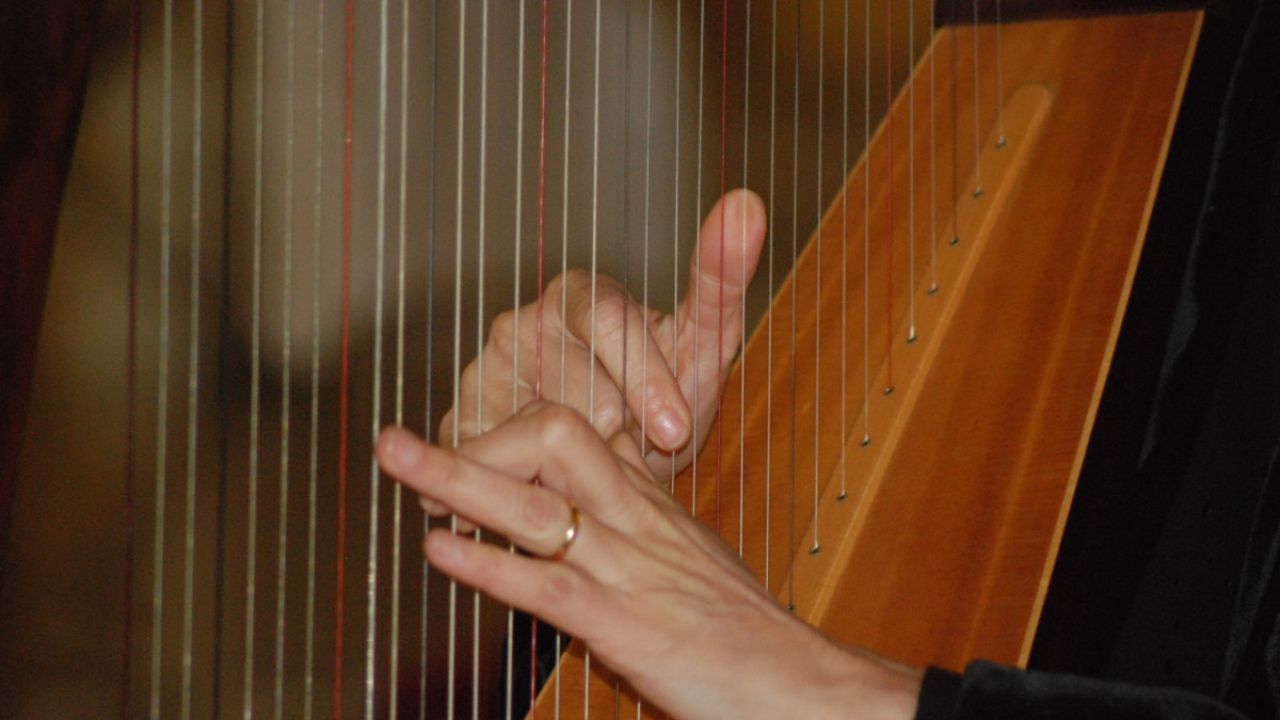
The fiddle rarely stands alone. It converses with the bodhrán drum (https://celtguide.com/the-bodhran-drum/), whose rhythmic pulse grounds the melody. It may also weave alongside the clarsach in What Is a Clarsach? A Comprehensive Guide to the Celtic Harp (https://celtguide.com/what-is-a-clarsach-a-comprehensive-guide-to-the-celtic-harp/).
This interplay creates texture. The fiddle leads, but it also listens. Ornamentation responds to percussion. Tempo adjusts to dancers. Irish traditional music thrives on this shared attentiveness.
Regional Styles and Landscape
Regional variation enriches Irish fiddle playing. Musicians from County Clare favor fluid ornamentation. Donegal players often adopt a sharper, more Scottish-influenced tone.
Landscape shapes sound. The windswept coasts near the Ring of Kerry (https://celtguide.com/ring-of-kerry/) inspire expansive airs. Sacred sites such as the Hill of Tara (https://celtguide.com/hill-of-tara/) remind listeners that music once accompanied ritual and kingship.
Music here reflects place. It binds geography to memory.
Fiddle Tunes in Diaspora
Irish migration carried fiddle tunes across the Atlantic. In America, they shaped Appalachian old-time music. In Scotland, they interacted with Highland repertories.
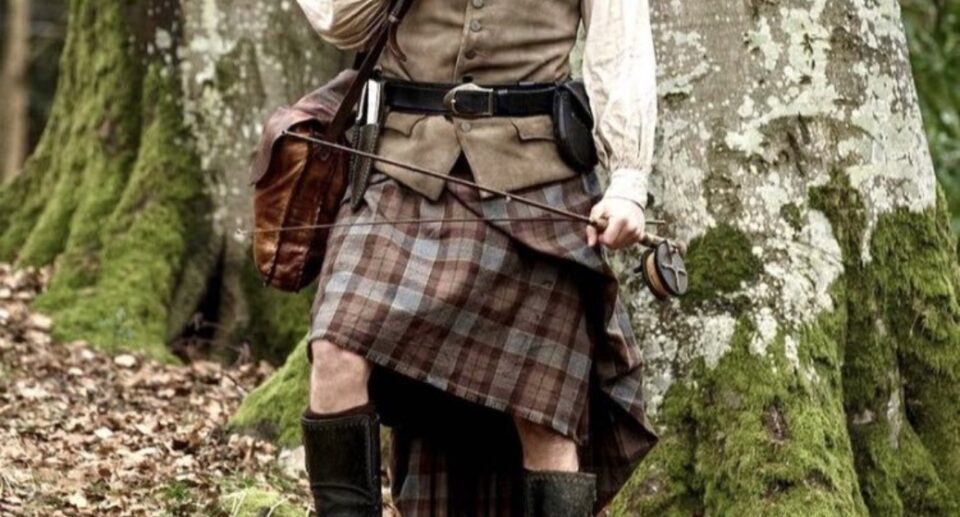
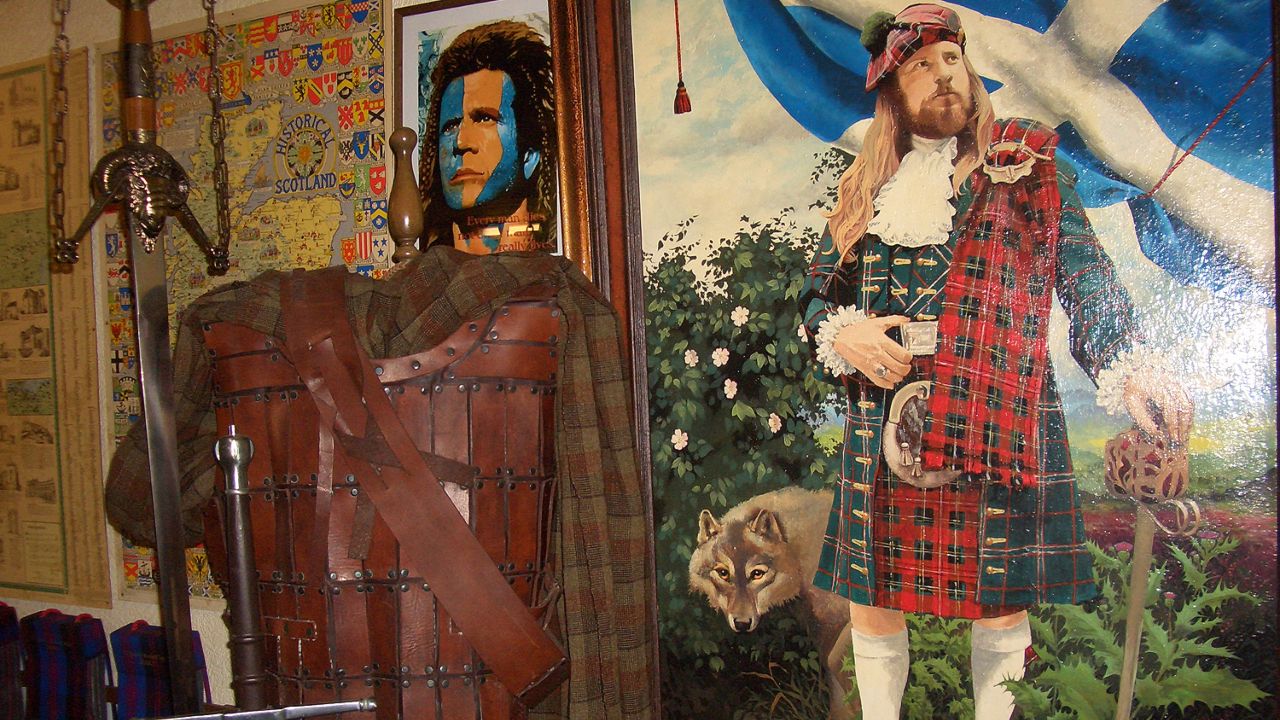
This exchange mirrors broader Celtic connections. Articles such as How Many Scottish Clans (https://celtguide.com/how-many-scottish-clans/) and Do Irish Wear Kilts? (https://celtguide.com/do-irish-wear-kilts/) reveal how material culture and music intersect across regions.
Fiddle tunes travel easily. They adapt without losing their core identity.
The Modern Session Culture
Today, you can hear Irish fiddle tunes in rural pubs and global festivals. Informal sessions remain central. Musicians gather, trade sets of reels, and welcome newcomers into the circle.
These gatherings do not function as concerts. They operate as living archives. Each player contributes variation. Each performance renews tradition.
Explore more in our Music & Dance category:
https://celtguide.com/category/music-dance/
Why Irish Fiddle Tunes Still Matter
Irish fiddle tunes endure because they balance continuity and creativity. They honor the past yet invite reinterpretation.
They accompany wakes, weddings, and national holidays. And they echo across landscapes and generations. Above all, they foster community.
To understand Irish culture, one must listen closely to its fiddle. In its ornament and rhythm, you will hear the living pulse of a people.