

Celtic Helmet Designs: Artistry, Warfare, and Identity
When we think of Celtic warriors, vivid images flood the imagination: painted bodies, flowing cloaks, intricate jewelry, and swords that shimmered in the sun. Yet one detail often slips beneath the radar, the helmet. Far from being a simple piece of battlefield equipment, Celtic helmets embodied status, ritual meaning, and breathtaking artistry. They were, in many ways, the crown of the Celtic warrior.
The Origins of Celtic Helmets
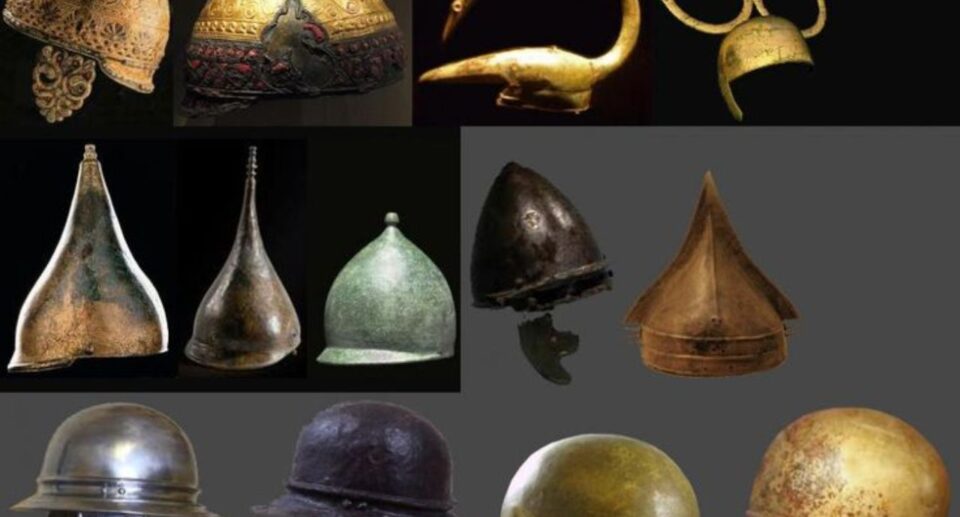
The story of Celtic helmets begins in the Iron Age, when craftsmanship and symbolism merged in extraordinary ways. Forged from bronze and iron, these helmets were often decorated with repoussé patterns, curvilinear motifs, and even animal imagery. Some were practical, designed to deflect blows; others were ceremonial, never meant to face the clash of swords.
As with Celtic stone carvings, the helmets were more than objects, they were narratives in metal. Each spiral, triskele, or engraved line held cultural meaning, echoing the Celts’ spiritual connection to the natural and divine worlds.
The La Tène Revolution in Design
By the La Tène period (c. 450 BCE–1 CE), Celtic art had reached its golden age. Helmets became canvases of creativity, balancing Mediterranean influences with distinctly Celtic flourishes.
- Montefortino Helmets: Borrowed from Italic design but reimagined with Celtic flair, these helmets spread widely across Celtic Europe. Their rounded bowl and knobbed finial were practical, but the Celts often embellished them with intricate decoration.
- Agen Port Helmets: Recognizable for their deep bowl shape and crest holders, these helmets projected power and status. Some featured elaborate plumes or horns that would have made their wearers unforgettable on the battlefield.

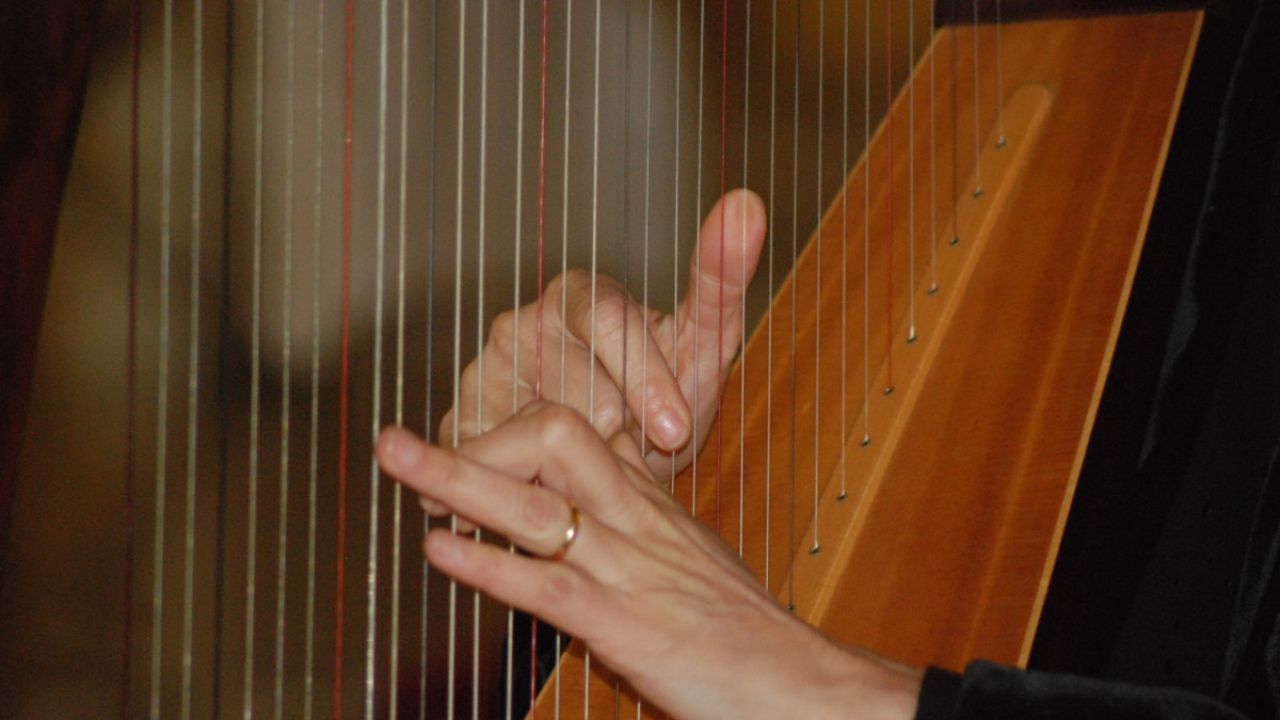
This attention to beauty parallels the craftsmanship seen in other Celtic instruments, such as the Clarsach harp, reminding us that the Celts infused art into every aspect of daily and sacred life.
Symbolism Woven into Metal
Celtic helmets carried layers of symbolism and ritual significance. The rare yet striking horned helmets have sparked centuries of debate. While modern imagination often places these in battle, scholars argue they were more likely ritual headpieces, aligning the warrior with divine forces.
Here we glimpse connections to deities such as Lugh, the Celtic sun god (read more here), whose imagery often emphasized brilliance, light, and celestial power. Wearing such a helmet would transform the warrior into a figure both human and divine.
Animal motifs were equally powerful. Boars, for instance, symbolized ferocity and courage, while birds like ravens suggested transformation and prophecy. By wearing these symbols, warriors not only protected themselves physically but aligned spiritually with the essence of the animal itself.

Rituals, Rivers, and Warfare
One of the most fascinating aspects of Celtic helmets is their presence in ritual deposits. Many helmets uncovered in rivers or bogs show little sign of use, suggesting they were votive offerings. These sacred deposits echo traditions found in Irish holy wells, where water acted as a portal to the divine.

Still, helmets were also instruments of war. In the frenzy of battle, a polished bronze helmet with towering plumes would have made the wearer a terrifying spectacle, magnifying his status and unsettling opponents. Roman accounts remark on the awe-inspiring appearance of Celtic warriors, who turned war into theater as much as strategy.
Helmets as Identity and Heritage
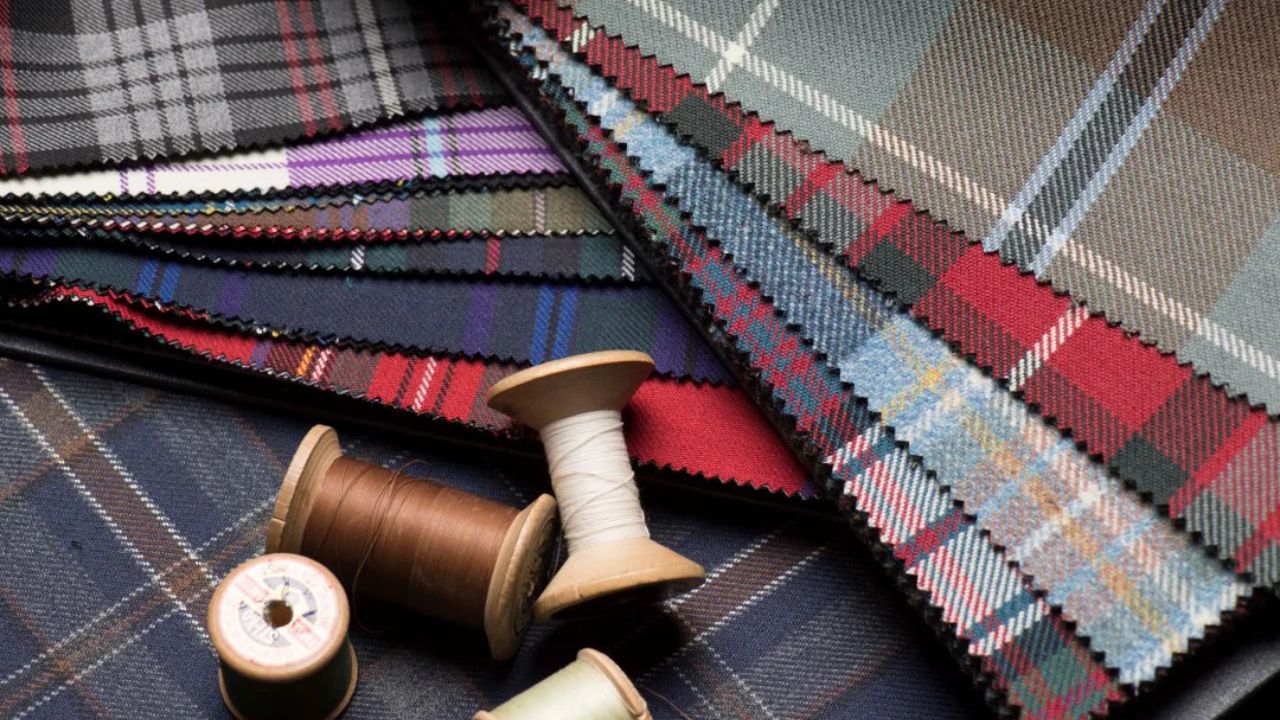
The symbolism of Celtic helmets can be seen as an ancient precursor to cultural identifiers like tartan patterns, which later marked Scottish clans. Just as tartans signaled belonging, helmets could display rank, allegiance, and personal prestige.
Some scholars argue that helmets also played a role in funerary traditions. Their inclusion in burials suggests that they were carried into the afterlife, signifying the eternal warrior spirit. This parallels broader Celtic beliefs in cyclical life and death, an idea found in myths and folklore such as the legend of the Fairy Glen.
The Enduring Legacy of Celtic Helmet Designs
Today, surviving Celtic helmets rest in museums across Europe, admired for their blend of practicality and artistry. They remind us that for the Celts, even instruments of war were inseparable from beauty, spirituality, and cultural identity.
Just as we celebrate the craftsmanship of Celtic jewelry, harps, and stone carvings, helmets hold a central place in the story of a people who saw life, art, and belief as a single interwoven fabric.

Conclusion
Celtic helmet designs reveal a civilization where warfare, ritual, and art were never separate. Each helmet was a statement, a shimmering, symbolic crown worn by those who defended, celebrated, and embodied Celtic identity. Whether resting in rivers, echoing in battle, or glimmering in museum displays, these helmets remind us of the Celts’ enduring genius: finding art in the heart of struggle and spirit in the tools of war.