Celtic Harp: A Timeless Symbol of Poetry
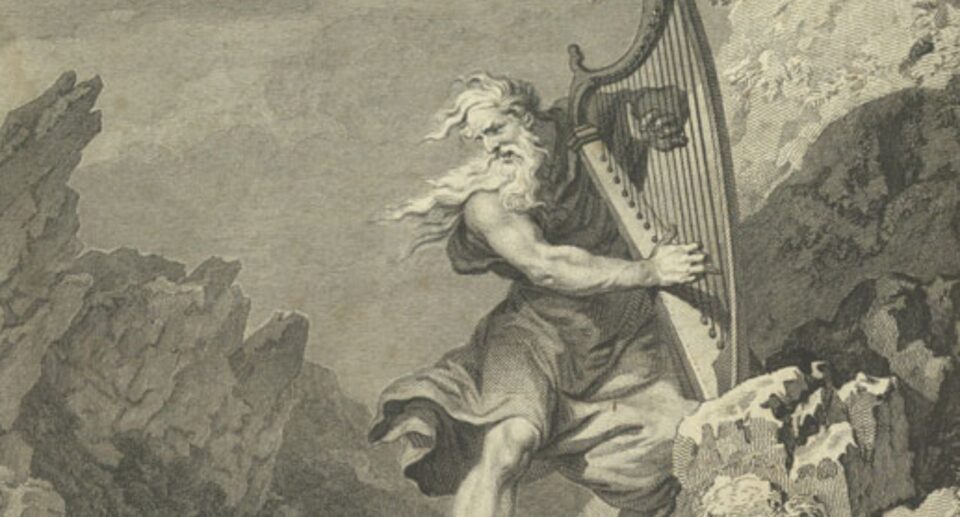
Few instruments carry the emotional weight of the Celtic harp. Its curved frame and shimmering strings speak not only in melody but in memory. Across Ireland and Scotland, the harp has long symbolised poetry, storytelling, and the sacred power of language.
As a scholar might observe in a seminar room in Edinburgh, the harp does not merely accompany verse. It shapes it. The instrument orders rhythm, guides breath, and anchors the bard’s voice. To understand the Celtic harp is to understand the poetic imagination of the Gaelic world.
What Is the Celtic Harp?
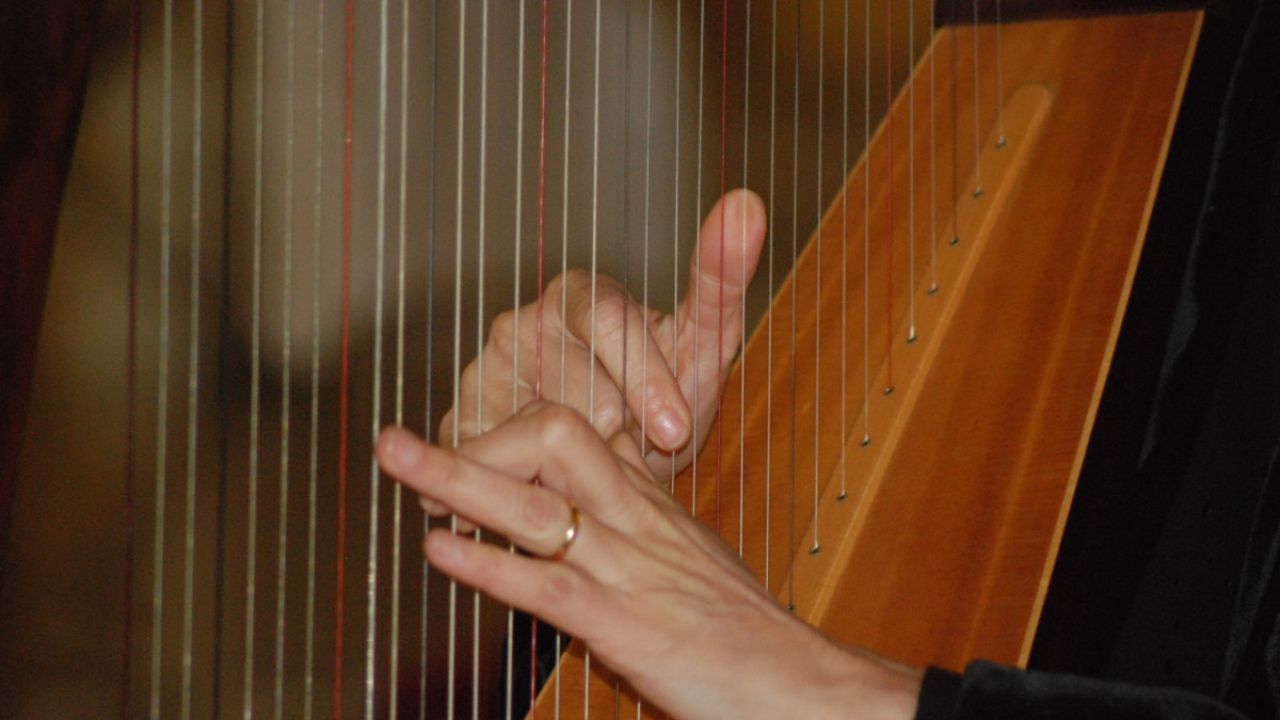
The Gaelic term clàrsach (or clarsach) refers to the traditional wire-strung harp of Scotland and Ireland. If you would like a detailed historical overview, see our guide: https://celtguide.com/what-is-a-clarsach-a-comprehensive-guide-to-the-celtic-harp/.
Unlike the modern orchestral harp, the clarsach produces a bright, resonant tone. Medieval harpers played it in royal courts and clan gatherings. They trained for years. Their art demanded technical mastery and intellectual discipline.
In Gaelic society, music and poetry rarely stood apart. The harp gave structure to oral tradition.
Harpers and the Bardic Tradition
Professional poets, or bards, held prestigious roles in early Irish and Scottish culture. They memorised genealogies, composed praise poems, and preserved law through verse. Harpers supported this tradition by providing melodic scaffolding.
This close relationship between sound and story helps explain why Irish culture values narrative so deeply. Our article on why Irish people are natural storytellers (https://celtguide.com/why-are-irish-people-natural-storytellers/) explores that heritage in greater depth.
The harp did more than entertain. It authenticated the poem. A praise song without musical accompaniment lacked authority. Melody lent legitimacy.
The Harp as a National Symbol
Over time, the harp transcended performance. It became a national emblem of Ireland. Coins, manuscripts, and official seals display its outline.
Sacred landscapes such as the Hill of Tara often hosted ceremonial gatherings where poetry and music flourished. You can explore Tara’s layered history here: https://celtguide.com/hill-of-tara/.
In Scotland, clan culture also embraced musical symbolism. If you explore how many Scottish clans exist (https://celtguide.com/how-many-scottish-clans/), you will see how artistic patronage shaped identity. Harpers served chiefs much like poets did.
The harp thus became more than wood and string. It embodied sovereignty, cultural resilience, and intellectual life.
Poetry, Memory, and Survival
During periods of upheaval; political suppression, famine, and migration, oral tradition preserved communal memory. While our feature on the influence of the Irish Potato Famine (https://celtguide.com/the-influence-of-the-irish-potato-famine/) focuses on social history, it also reminds us that song and verse carried grief across generations.
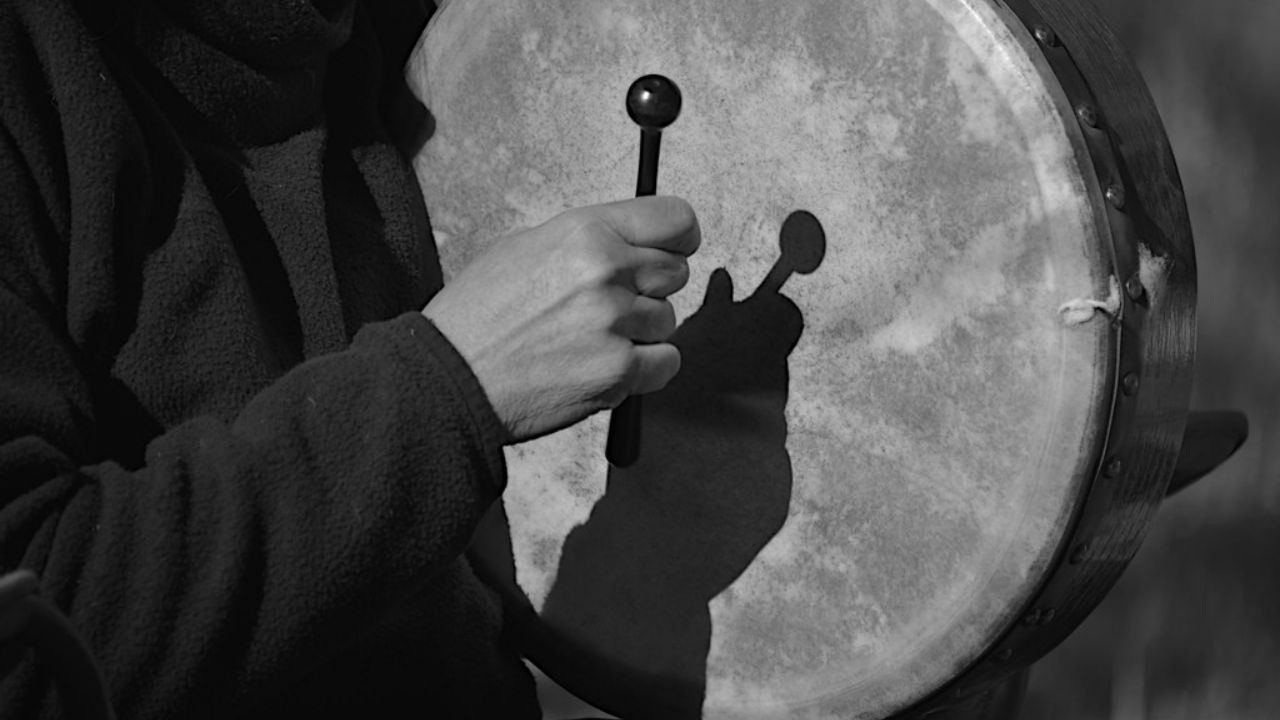
The harp offered continuity. Even when written Gaelic declined, melody endured. Instruments such as the bodhrán (https://celtguide.com/the-bodhran-drum/) later complemented this revival, yet the harp retained symbolic primacy.
Poetry needs breath. The harp regulates that breath. Its measured cadence mirrors the structure of Gaelic verse.
Spiritual Resonance and Myth
Celtic mythology associates music with enchantment and transformation. Consider the divine artistry of Lugh, master of many skills. Learn more in our article on the Celtic sun god Lugh: https://celtguide.com/celtic-sun-god-lugh/.
Music in myth often opens portals between worlds. Welsh tradition speaks of Annwn, a realm of mystery and beauty. Explore its meaning here: https://celtguide.com/what-is-annwn/.
In this cosmology, the harp does not simply produce sound. It mediates between seen and unseen. Poetry, guided by harp strings, becomes an act of spiritual articulation.
The Harp in Modern Cultural Revival
The 19th and 20th centuries witnessed a renewed interest in Gaelic arts. Musicians revived traditional repertoire. Cultural festivals celebrated heritage.
Ceilidh gatherings, described in our piece on ceili bands (https://celtguide.com/ceili-bands/), continue to unite community through rhythm and dance. While fiddles often lead these sessions, the harp retains ceremonial gravitas.
In fashion and visual culture, Celtic symbolism thrives. From tartan shawls (https://celtguide.com/scottish-tartan-shawls-a-timeless-blend-of-heritage-and-elegance/) to national emblems, artistic motifs echo older poetic traditions.
The harp’s silhouette still appears in logos, jewellery, and manuscripts. It signals depth rather than decoration.
Why the Celtic Harp Still Symbolises Poetry
The harp symbolises poetry because it embodies structure and emotion at once. Its frame suggests order. Its strings invite improvisation. Together, they reflect the dual nature of verse: disciplined yet expressive.
In Gaelic culture, poetry shapes identity. It records lineage, negotiates honor, and confronts sorrow. The harp stands beside the poet in each of these tasks.
When we see the Celtic harp today, we do not merely see an instrument. We see centuries of voices carried forward in vibration. We hear echoes of courts, crofts, and sacred hills.
For more explorations of Celtic heritage, visit our main blog hub: https://celtguide.com/blog/