Battle of Bannockburn Myths Uncovered
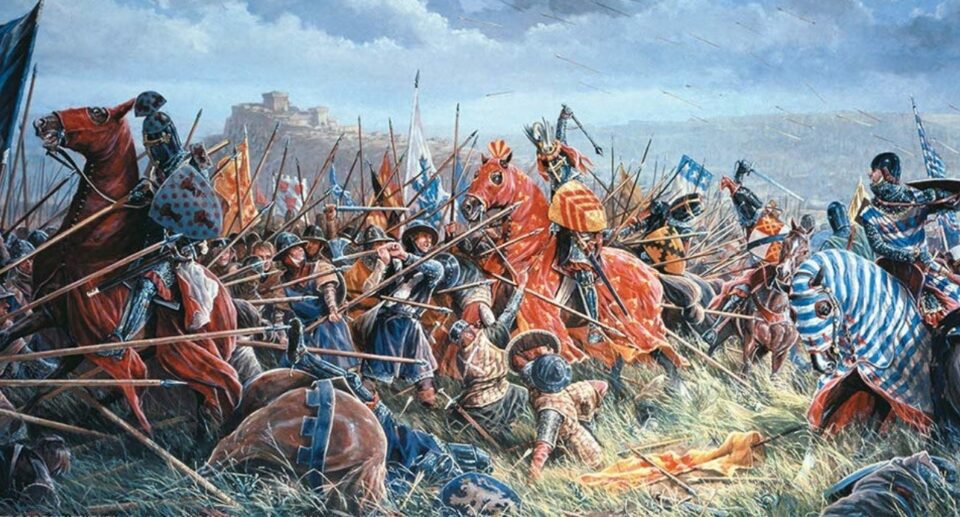
The Battle of Bannockburn, fought in 1314, is a cornerstone of Scottish identity. Robert the Bruce’s victory over Edward II’s forces became legendary. Over time, stories about the battle intertwined fact and fiction, creating enduring myths. Understanding these myths helps us appreciate not just history, but how Scots remembered and celebrated it.
Myth 1: Robert the Bruce as a Lone Hero
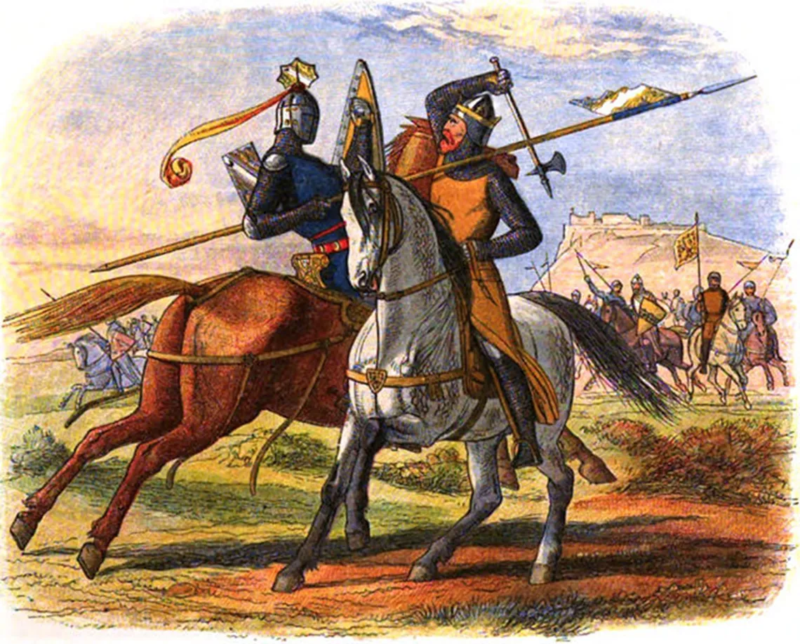
One persistent image depicts Robert the Bruce single-handedly rallying his troops. While he was undoubtedly a strategic genius, contemporary chronicles indicate a coordinated command structure. Bruce inspired his men, but victory depended on the cohesion of Scottish nobles and soldiers. Leadership, not heroics alone, secured the win.
Myth 2: The Scots Were Outnumbered Ten to One
Popular accounts exaggerate the disparity in numbers. Estimates suggest the Scots fielded 5,000–6,000 men, while English forces may have had 10,000–15,000. The dramatic “ten-to-one” figure enhances narrative tension but misrepresents the scale. The Scottish army relied on terrain and tactical formations to offset numerical disadvantage.
Myth 3: Bannockburn Was a Simple Clash
Some depictions present Bannockburn as a chaotic skirmish decided by luck. In reality, it was a carefully planned engagement. The Scots exploited marshy ground and narrow passes to disrupt English cavalry. This strategic use of geography mirrors the tactical ingenuity discussed in other Scottish military histories.
Myth 4: Only the Battle Decided Scottish Independence
While Bannockburn was pivotal, it did not alone secure independence. The victory strengthened Robert the Bruce’s claim and morale, but diplomatic recognition of Scotland as a sovereign nation came decades later. Political negotiations, truces, and subsequent battles played critical roles.
Myth 5: Legends of Supernatural Intervention
Medieval chroniclers often attributed victories to divine favor. Stories claim that saints or omens guided Scottish forces. While compelling, these accounts reflect cultural storytelling rather than historical causation. Scottish mythmaking, much like Irish storytelling traditions (https://celtguide.com/why-are-irish-people-natural-storytellers/), blends reality with symbolic meaning.
The Role of Geography and Strategy
Bannockburn’s success owed much to careful planning. Narrow passes, boggy terrain, and compact formations neutralized English advantages. Robert the Bruce’s forces relied on disciplined spearmen and hidden reserves, demonstrating that tactical acumen outweighed sheer force.
Cultural Memory and Mythmaking
The myths of Bannockburn endure because they serve identity and memory. They inspire pride, resilience, and narrative continuity. Chroniclers, poets, and later historians shaped these stories, ensuring that Bannockburn remained more than a military encounter, it became a symbol of Scottish courage.
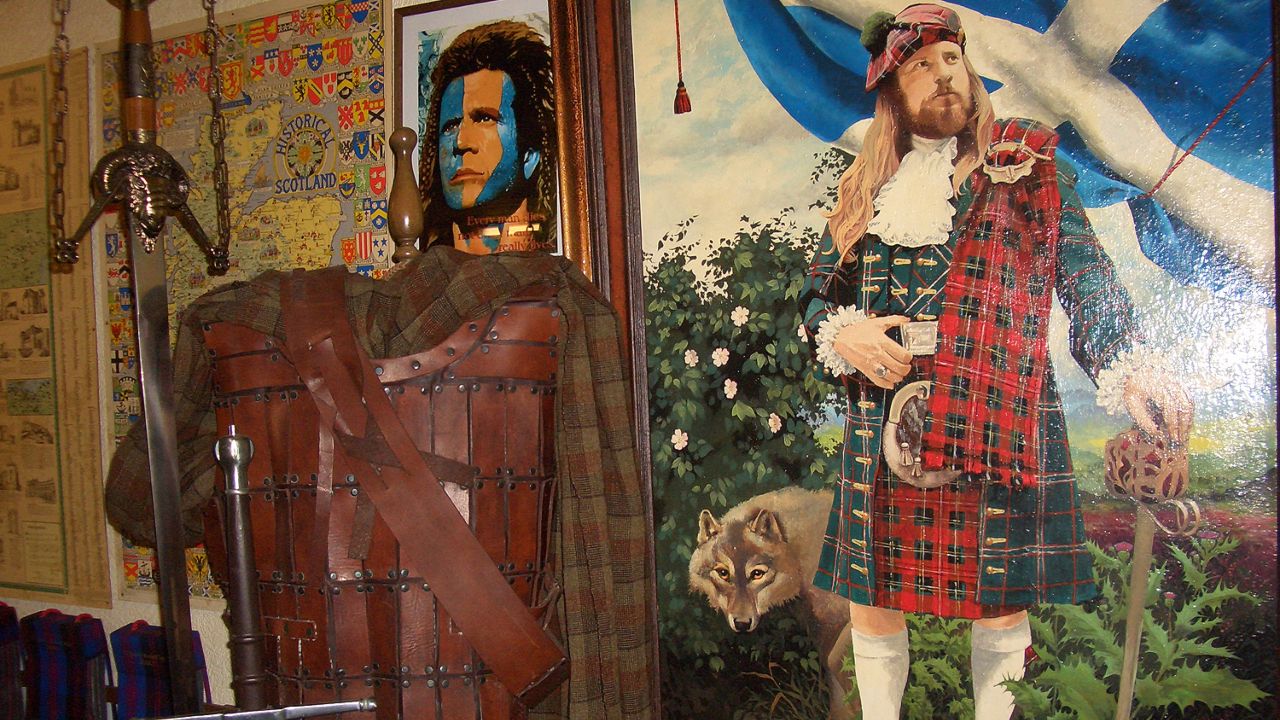
Visual storytelling continues today. For example, Scottish tartan and symbols link modern clans to historical heritage (https://celtguide.com/how-long-has-the-tartan-prints-been-around/). Music, poetry, and oral history reinforce collective memory, echoing the interconnection of narrative and identity.
Modern Interpretations
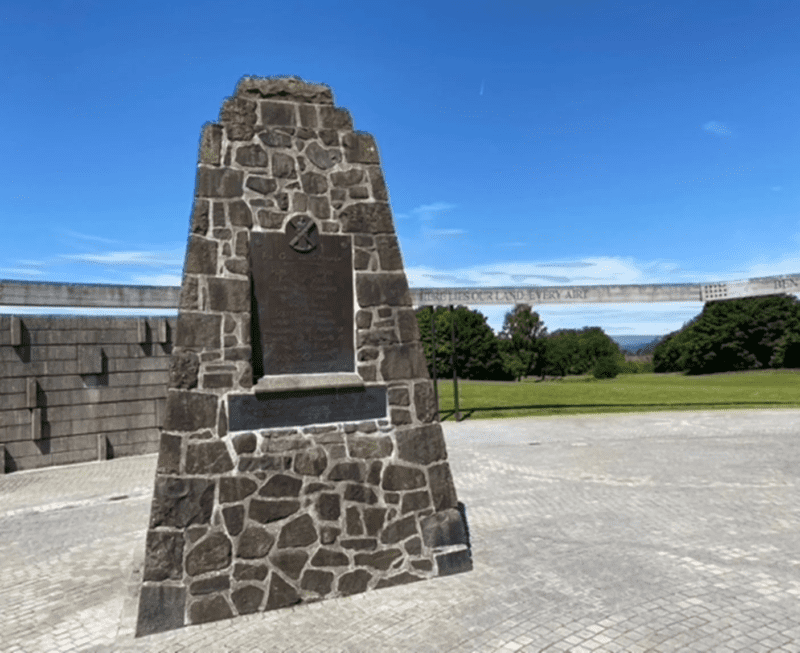
Historians now separate legend from fact. Battlefield archaeology, contemporary accounts, and comparative study offer nuanced understanding. Visitors to Bannockburn can explore heritage sites that reconstruct troop formations and leadership decisions, making history tangible. These approaches balance reverence for legend with empirical inquiry.
Why Myths Matter
Even when inaccurate, myths reveal values. Bannockburn myths highlight courage, strategic intelligence, and national unity. They show how Scots framed past events to teach, inspire, and commemorate. Studying these stories illuminates the interplay of fact, memory, and identity in medieval Scotland.