Celtic Deities of the Forest: Guardians of Nature and Wisdom
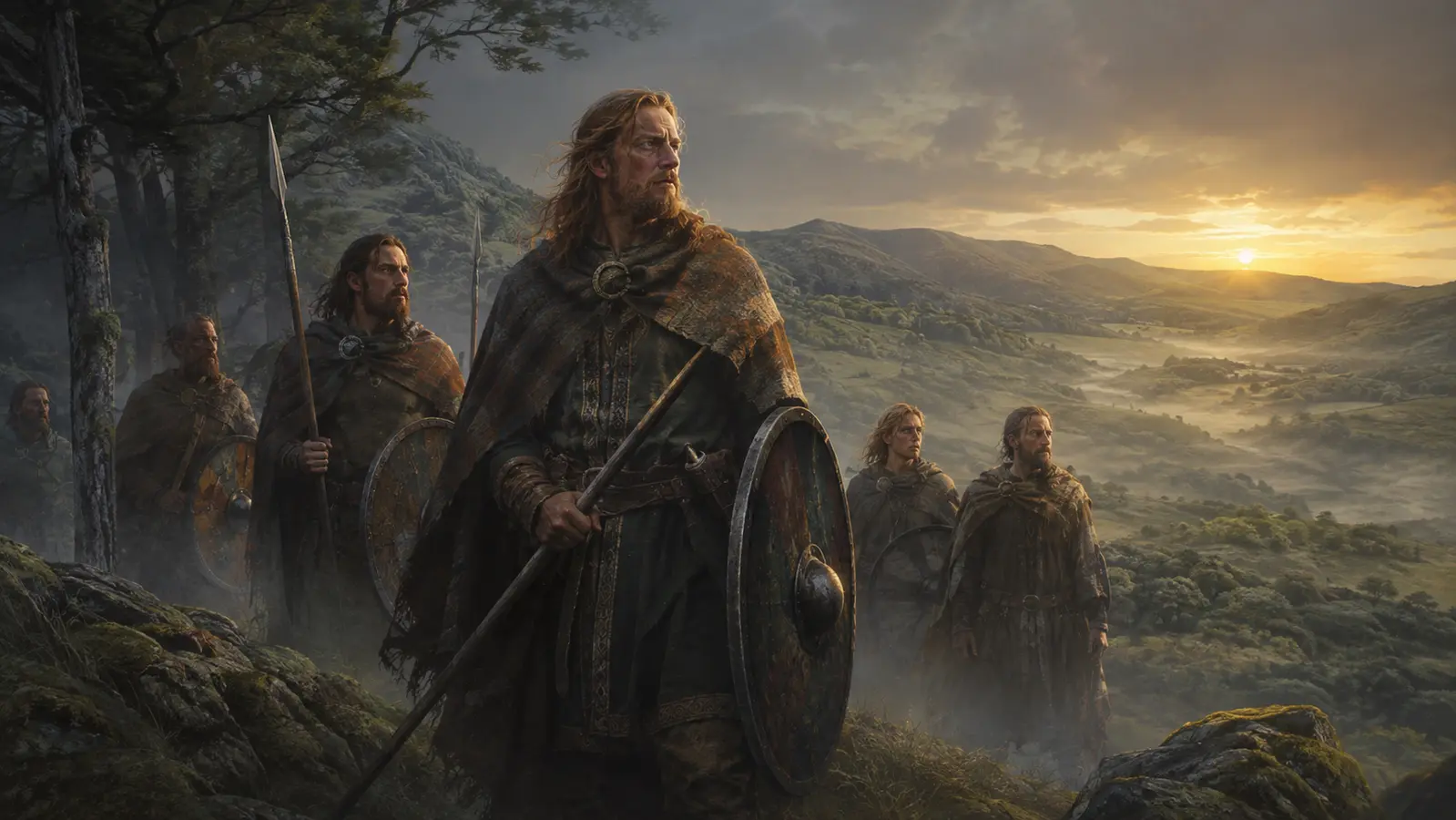
Ancient Celts viewed forests not just as wilderness, but as sacred spaces. Trees, rivers, and stones were alive with spirits and deities. These forest deities guided people, protected animals, and taught lessons about life, death, and harmony with nature.
Understanding these deities reveals the Celtic worldview: one that honors balance, reverence, and storytelling. As you explore these beings, you see why the Celts are remembered as natural storytellers and guardians of lore.
Cernunnos: The Horned God of Animals and Fertility
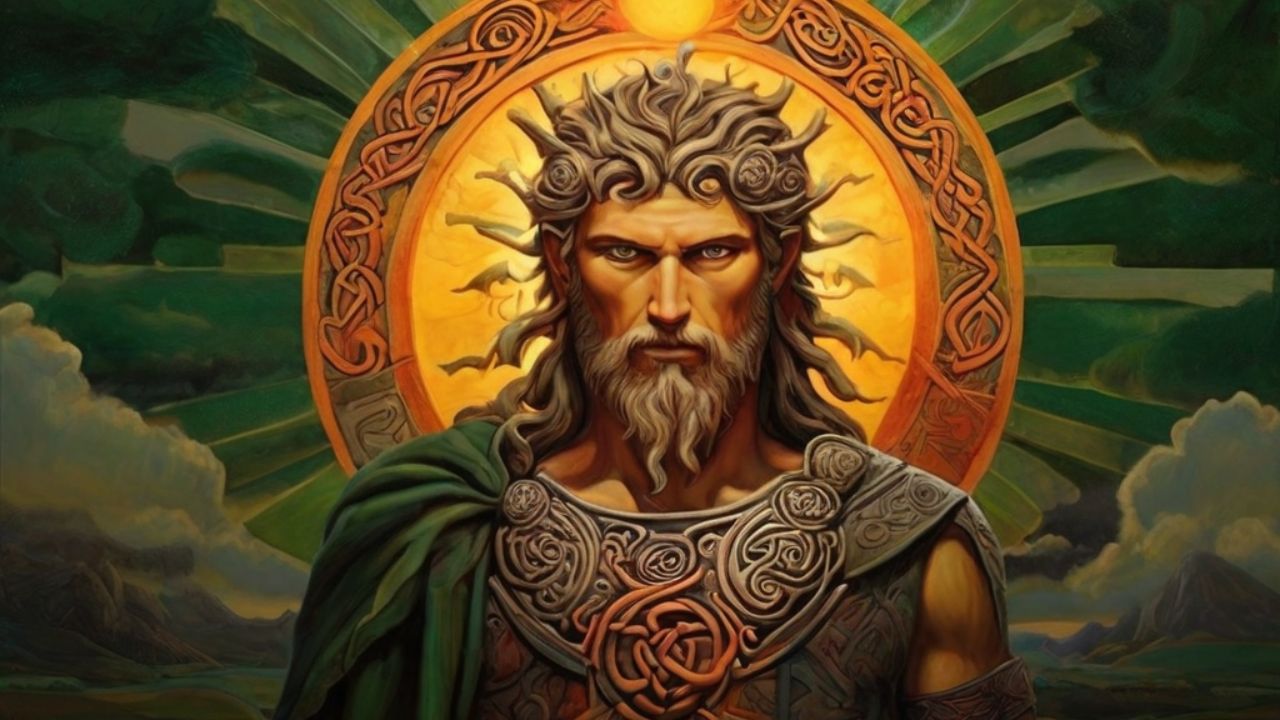
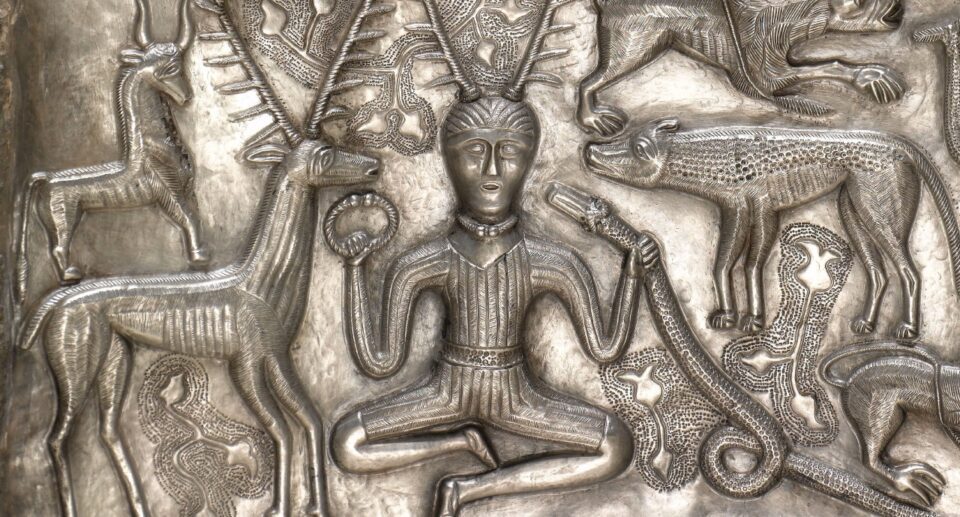
Cernunnos, often depicted with antlers, is one of the most recognized Celtic forest deities. He embodies the cycle of life, fertility, and animal guidance. Hunters and villagers revered him for his connection to wild animals and forests.
His image appears on stone carvings and coins, often seated cross-legged, surrounded by deer, serpents, or bulls. Cernunnos symbolizes harmony with nature and the natural cycles of life.
Flidais: The Goddess of Herds and Woodland Magic
Flidais is a forest goddess associated with cattle, fertility, and woodland magic. She could make deer and other animals appear or disappear, guiding humans to live in balance with wildlife.
In mythology, Flidais demonstrates the Celtic respect for abundance without domination. Farmers and herders often invoked her to ensure livestock thrived while honoring sacred woodland spaces.
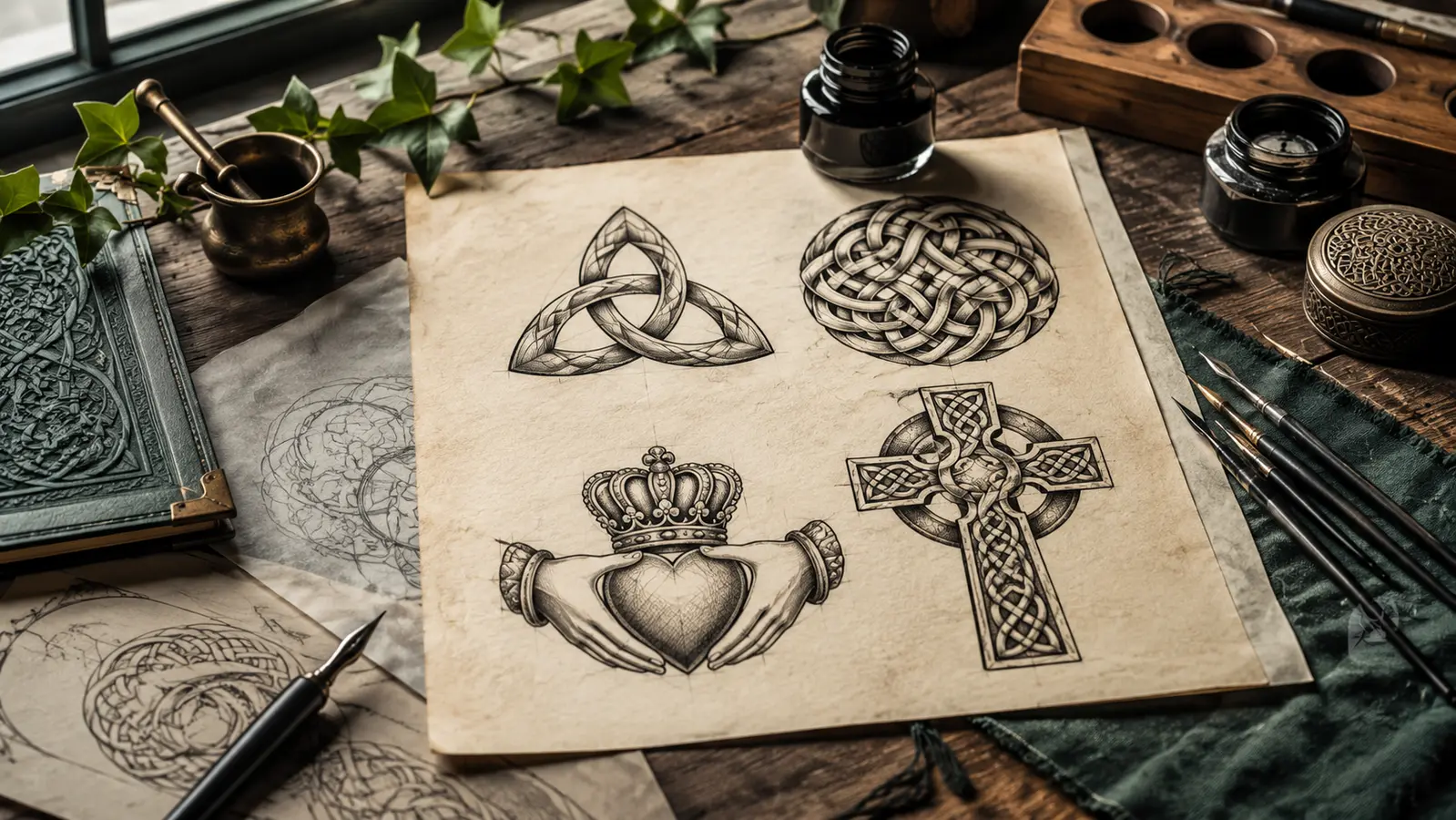
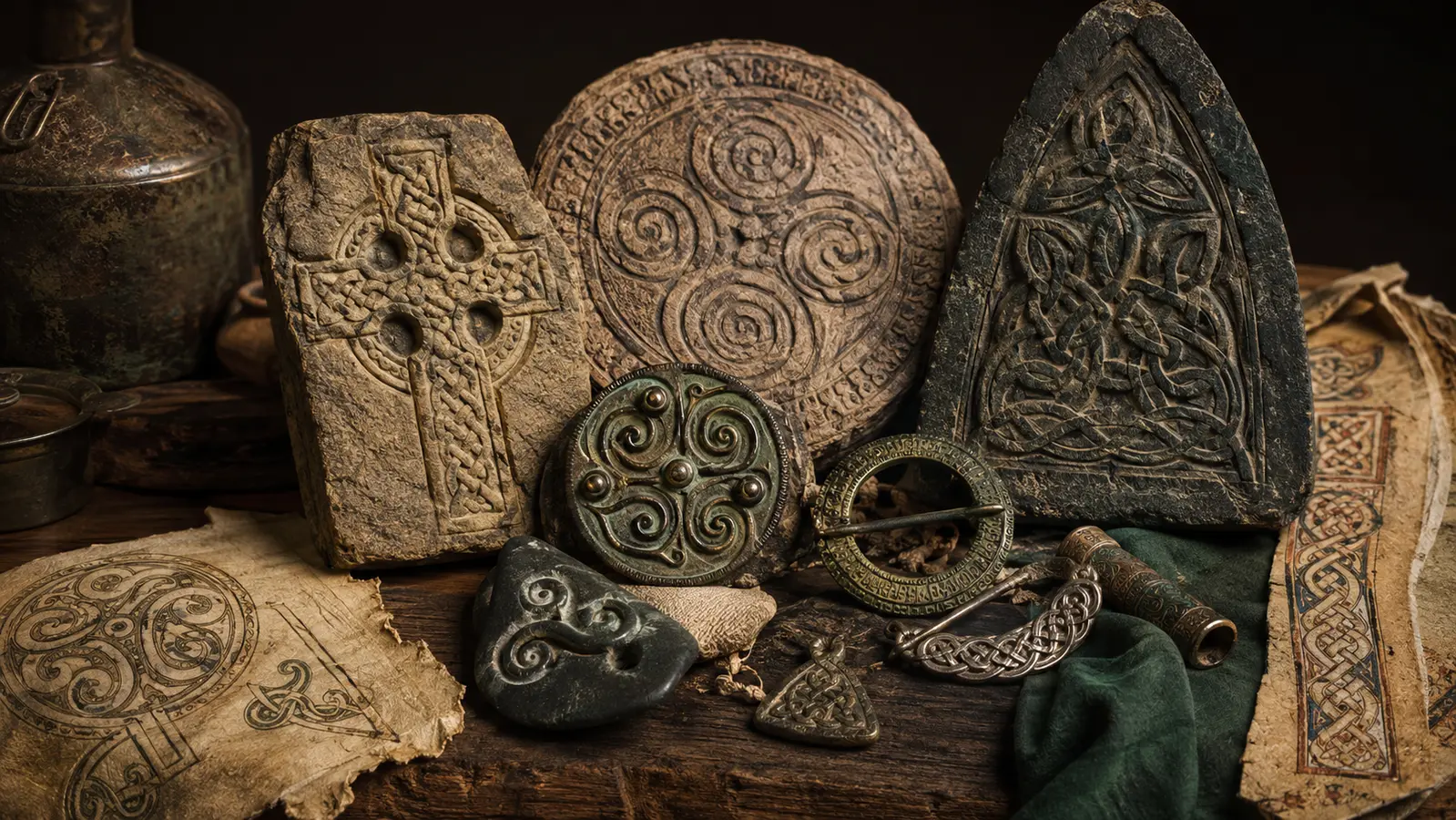
Her story parallels themes in Celtic craftsmanship, such as Celtic stone carvings, where animals, trees, and deities intertwine.

Aengus: The Youthful God of Love and Forest Paths
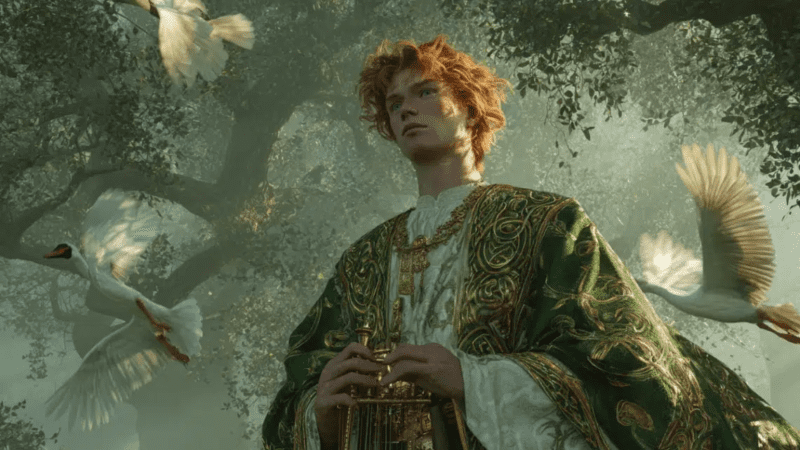
Aengus is more commonly remembered as a god of love, yet he also has deep connections to forests and secret paths. His myths involve guidance through hidden woodland realms, showing the interplay of love, wisdom, and exploration.
Following Aengus in stories is like walking a forest trail: every turn reveals new lessons, hidden beauty, and encounters with spirits. His presence reminds us that Celtic forests were living classrooms, where humans could learn from the divine.
Why Forest Deities Remain Relevant
Celtic forest deities were never distant figures. They shaped how people lived, hunted, and worshipped. Today, they inspire respect for nature, storytelling, and spiritual reflection.
- Cernunnos teaches respect for life and the wilderness.
- Flidais reminds us to balance abundance with care.
- Aengus encourages exploration and learning through connection with nature.
These lessons are echoed in sacred spaces like the Celtic Oak Tree and historic landscapes such as the Hill of Tara. They show that Celtic spirituality always blended the physical and the mystical.

Connecting to Celtic Culture Today
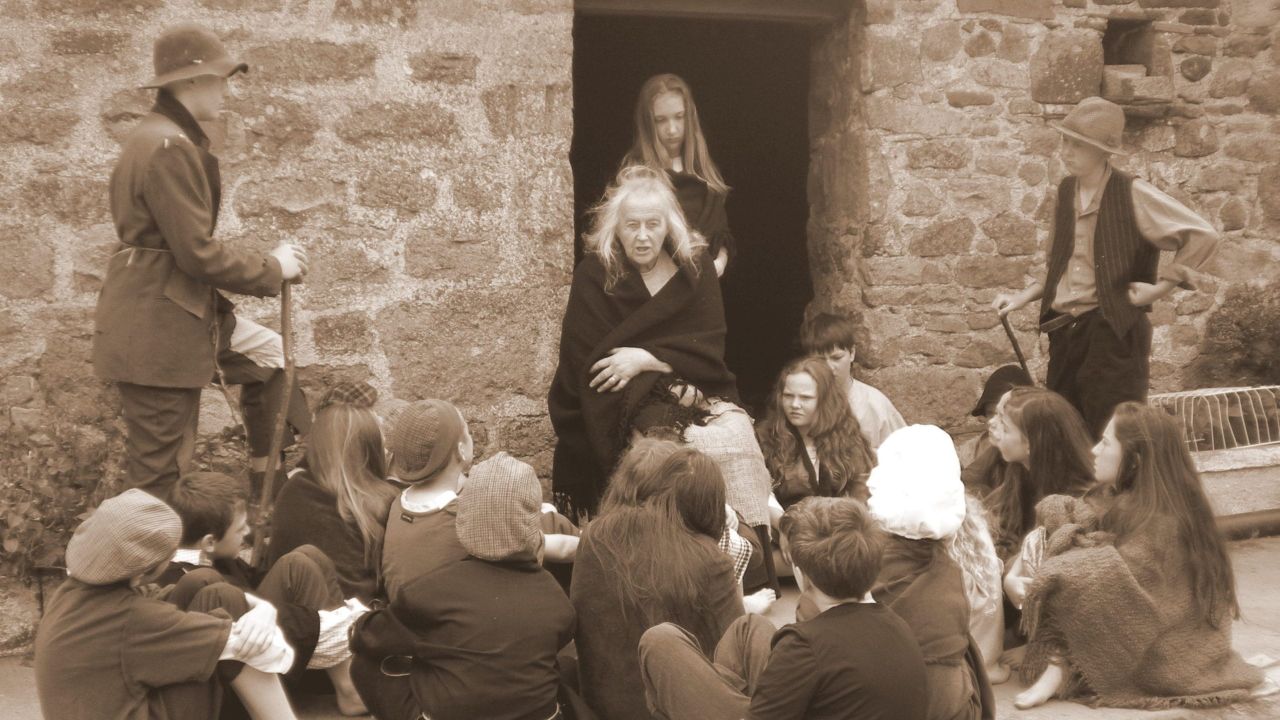
The influence of forest deities extends beyond myth. They shaped festivals, music, and art. Instruments like the clarsach may have been played to honor forest spirits. Stories about gods and goddesses remain key elements of Irish storytelling.
Engaging with these myths encourages modern readers to see nature as sacred, interconnected, and alive, an enduring lesson from the Celts.
Final Thoughts
Celtic forest deities were not just characters in stories. They were guardians of wisdom, guides through nature, and symbols of balance. Understanding them invites us to walk more thoughtfully through forests, honor the creatures that dwell there, and carry forward the Celtic tradition of learning from the land itself.
For more exploration, browse the Mythology & Folklore category and discover the richness of Celtic beliefs intertwined with the natural world.