Celtic Serpent Symbolism: Guardians of Life and Transformation

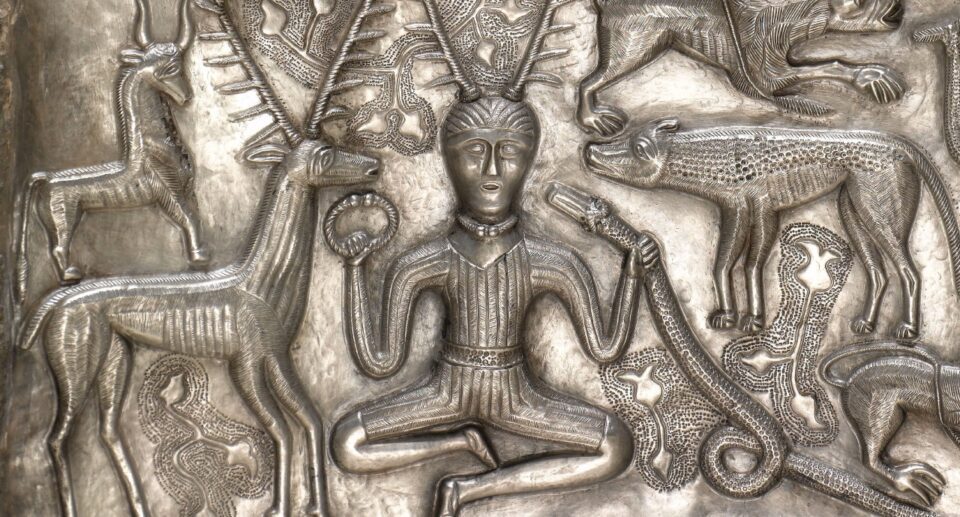
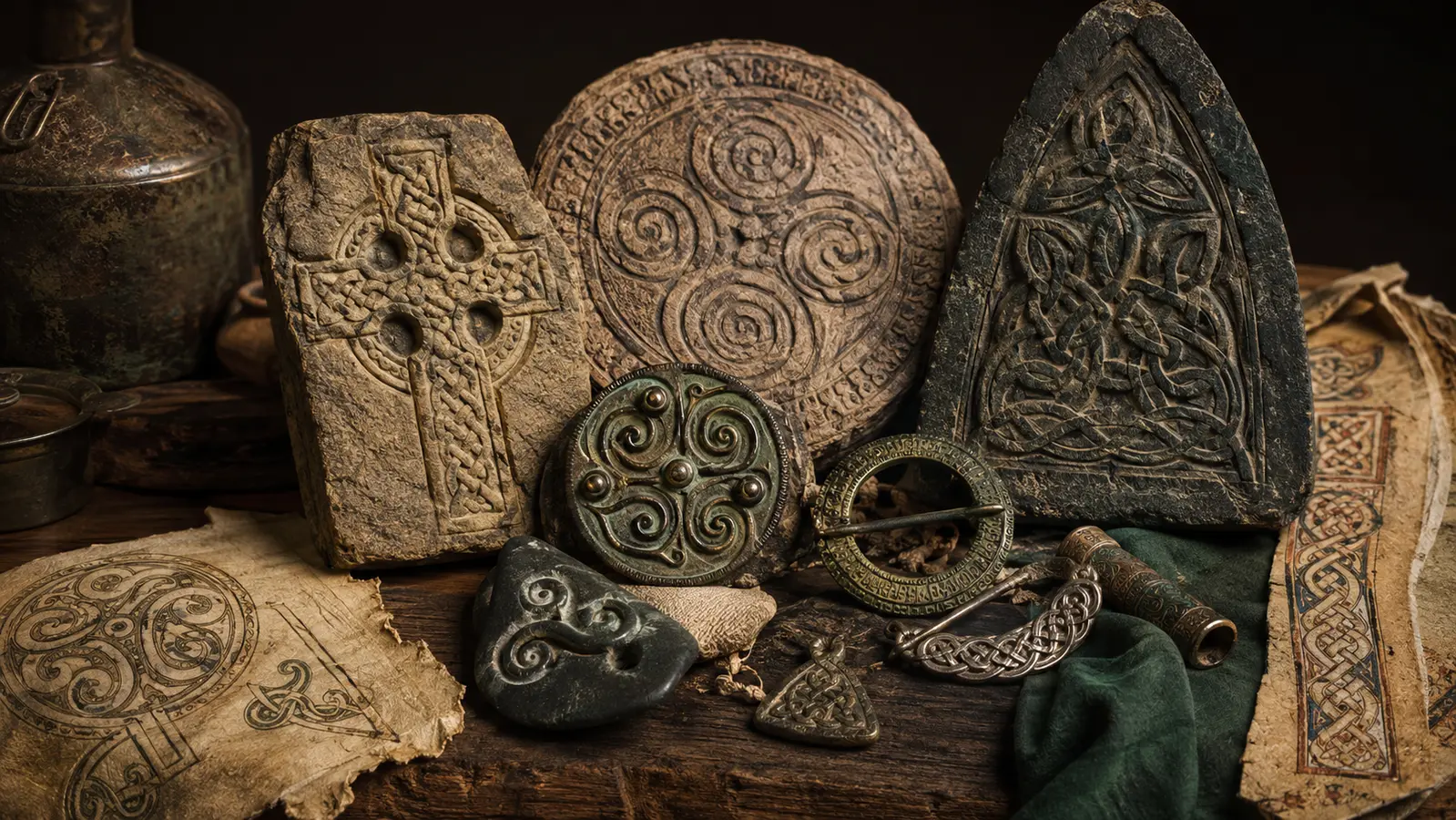
Snakes and serpents hold a powerful place in Celtic mythology. Unlike modern fears around snakes, the Celts saw them as symbols of transformation, wisdom, and protection. Serpents appear in carvings, manuscripts, and oral stories, often intertwined with themes of life, death, and renewal.
Understanding these symbols offers a window into Celtic beliefs, where nature, myth, and human life interconnect. The serpent is more than a creature, it is a teacher.
Serpents and Rebirth: The Cycle of Life
The serpent’s ability to shed its skin makes it a perfect emblem of renewal and rebirth. For the Celts, this act represented the ongoing cycle of life and the interconnectedness of past, present, and future.
Serpents often appear near sacred waters or holy wells, connecting them to healing and spiritual cleansing. These themes resonate with sites like Irish holy wells, where nature and divine power meet.
Protection and Guardianship
Celtic serpents were also guardians of treasures and sacred places. They protected groves, tombs, and magical objects, warning humans to respect boundaries and natural law.
In many myths, encountering a serpent was both a challenge and a lesson. It symbolized vigilance, wisdom, and respect for the unseen forces of nature. This protective aspect parallels other sacred Celtic symbols, such as the Celtic Oak Tree, revered for its strength and shelter.
The Serpent as a Symbol of Wisdom
The serpent’s cunning and fluid movement also link it to knowledge and insight. Celts believed that serpents could communicate hidden truths, guide spiritual journeys, and offer warnings through dreams or omens.
This wisdom connects to other aspects of Celtic life, from storytelling to music. Just as the clarsach carried melodies that told histories and morals, the serpent carried lessons of perception and awareness.
Serpents in Myth and Storytelling
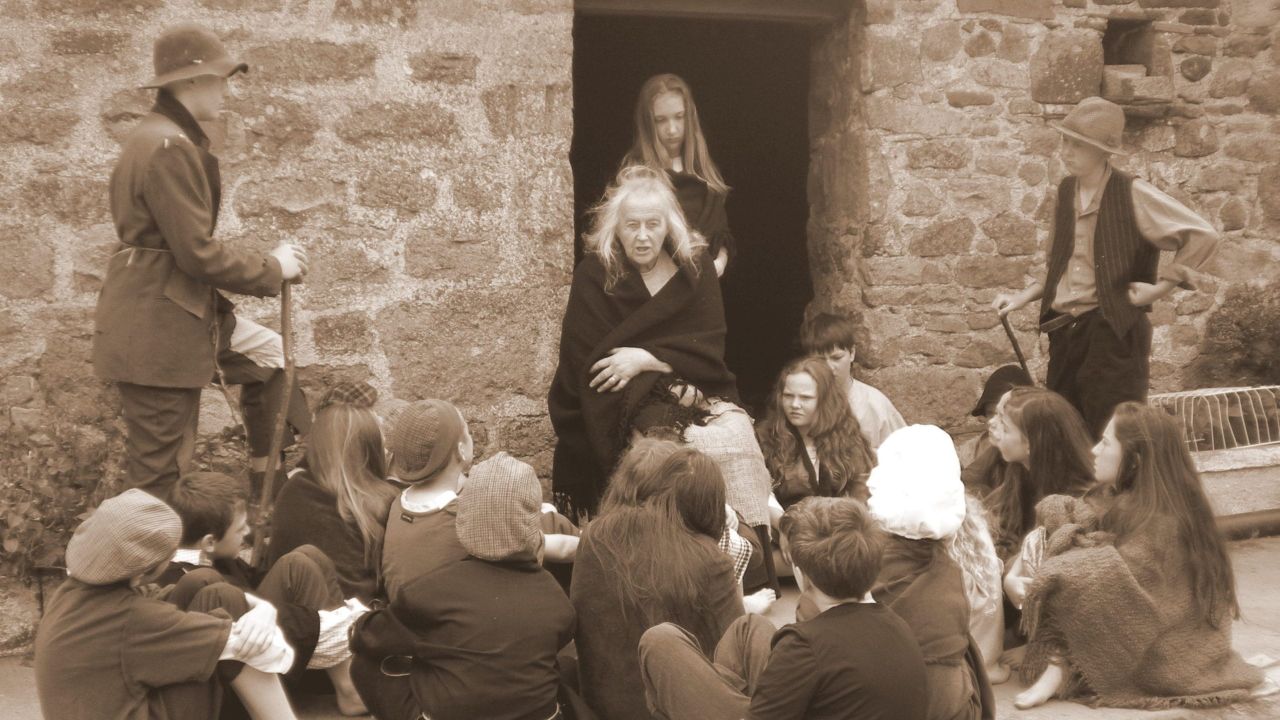
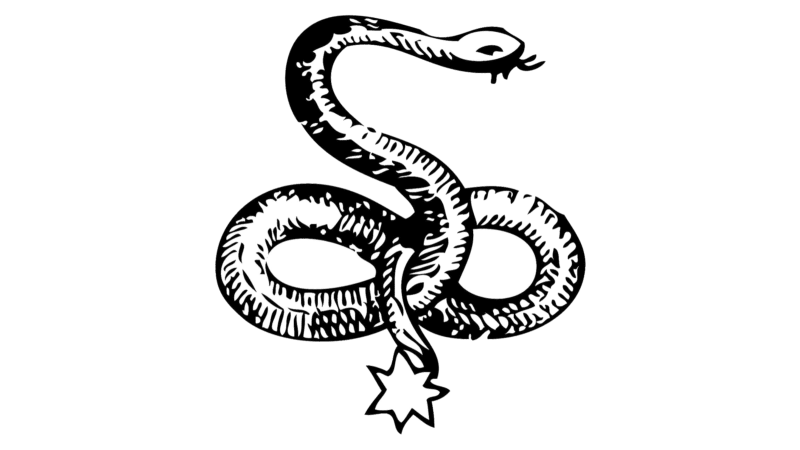
Stories about serpents appear throughout Celtic myths. They teach respect for nature, caution in human ambition, and the cyclical nature of life. Serpents are often linked with rivers, lakes, or forests, acting as intermediaries between humans and the divine.
Exploring serpent myths also highlights the Celtic love for storytelling, a tradition celebrated in modern Ireland and explored in why Irish people are natural storytellers.
Why Serpent Symbolism Matters Today
Celtic serpents remind us that life is continuous, transformative, and interconnected. They teach us to face challenges, respect boundaries, and seek wisdom from nature.
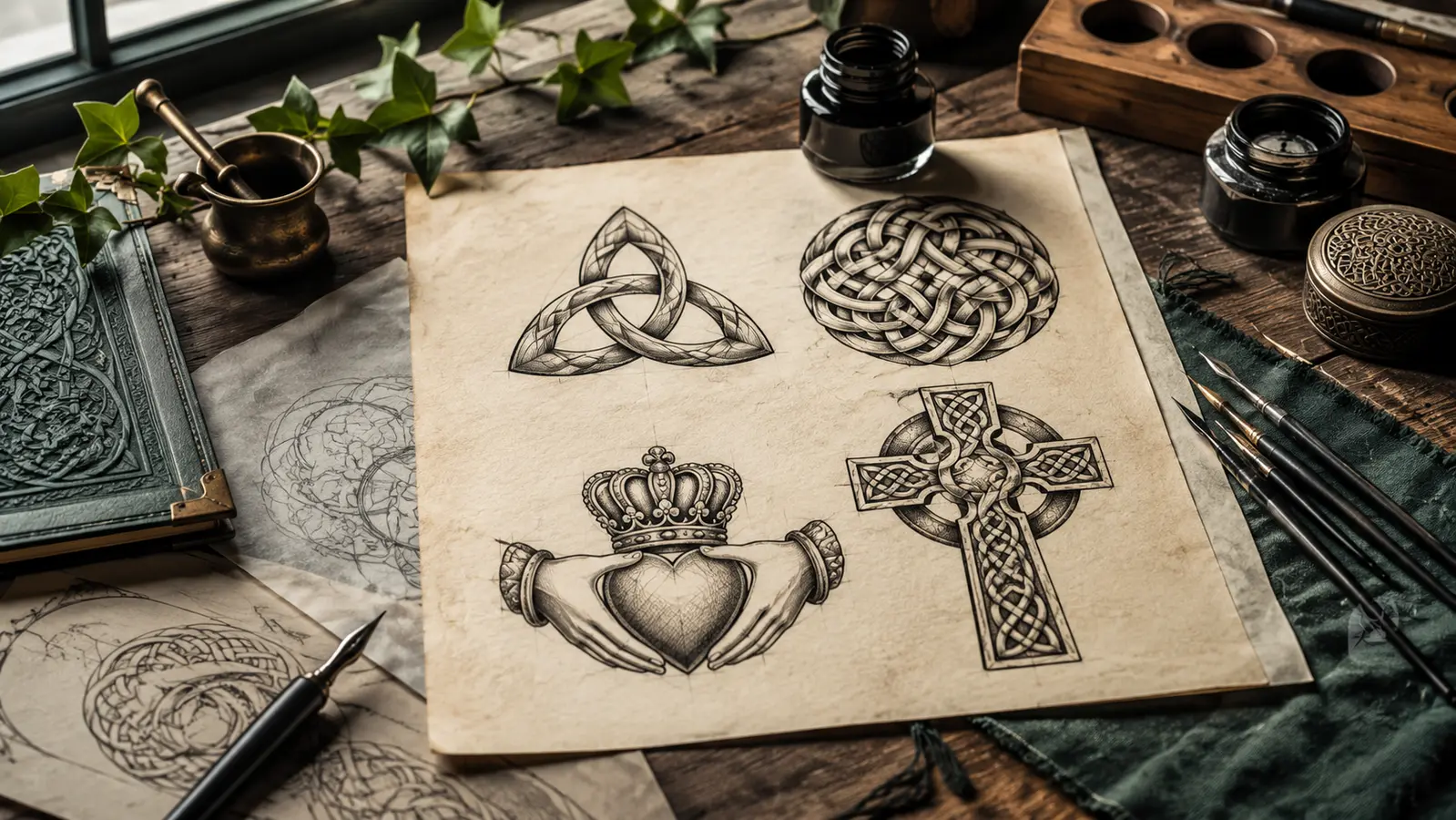
Whether you encounter serpent imagery in art, jewelry, or sacred sites, it carries the same message: embrace change, honor knowledge, and remain vigilant.
For further exploration of Celtic mythology and symbolism, browse the Mythology & Folklore category and discover more ways the Celts interpreted the world around them.
Final Thoughts
Celtic serpents are more than decorative motifs. They are living symbols of rebirth, guardianship, and wisdom. By studying them, we reconnect with the Celtic view of the world, a world where nature and myth are inseparable, and where every creature carries a lesson.