
Burns Supper Tradition: Honouring Scotland’s National Bard
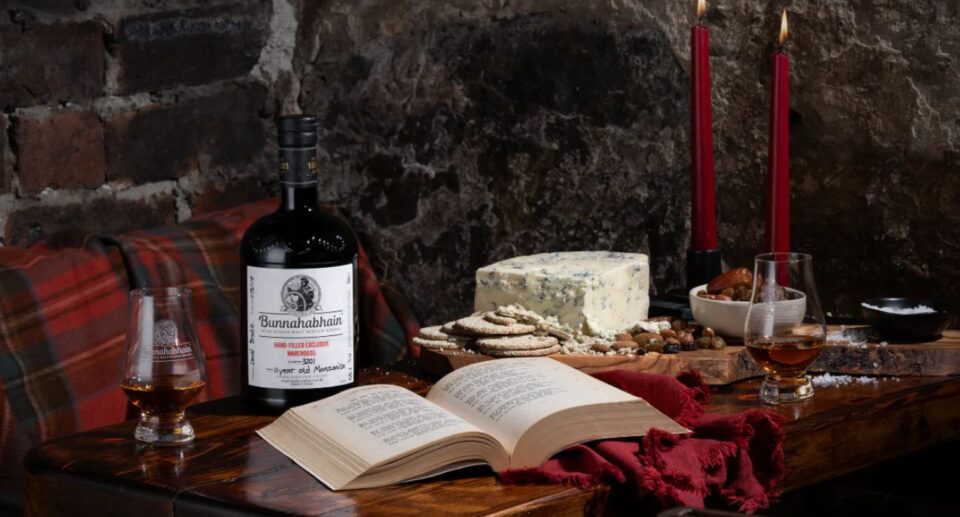
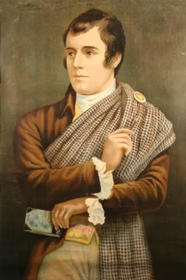
Every January, Scots and Scotland’s admirers worldwide gather to celebrate Robert Burns, the beloved national poet. Known simply as Burns Night or Burns Supper, this tradition blends food, poetry, song, and storytelling into an evening that is as much about community as it is about culture. It is not just dinner, it is a ritual that ties past and present together, reminding us of the enduring power of poetry to shape identity.
The Origins of Burns Supper
The first Burns Supper was held in 1801, five years after the poet’s death, when his close friends gathered at his birthplace in Alloway. What began as a private commemoration has grown into a global celebration, observed not only in Scotland but also in Canada, the United States, Australia, and beyond.
This tradition mirrors other Celtic gatherings of memory and music, much like céilí bands continue to unite communities through music and dance.
What Happens at a Burns Supper?
A Burns Supper usually follows a familiar format, part formal, part playful:
- Piping in the Guests: Bagpipes welcome the attendees.
- The Selkirk Grace: A short prayer attributed to Burns.
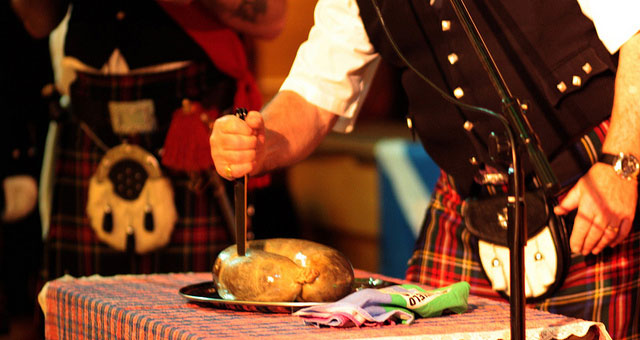
- Piping in the Haggis: The centrepiece dish, ceremoniously carried in, accompanied by bagpipes.
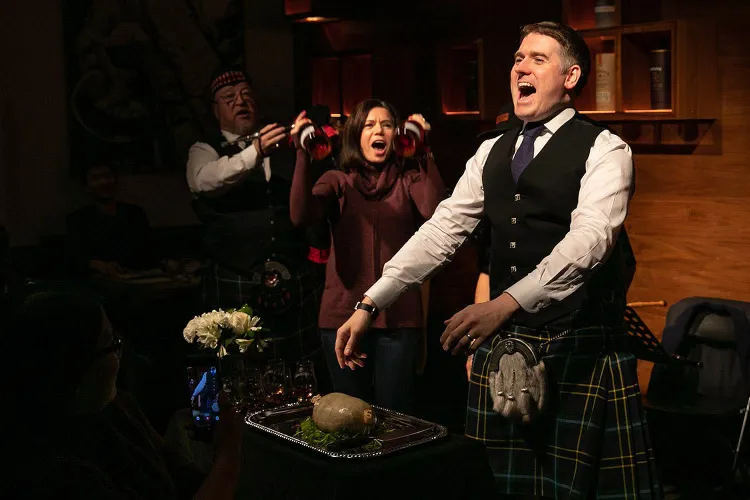
- Address to the Haggis: Burns’ famous poem “To a Haggis” is recited, knife in hand.
- The Meal: Traditionally haggis, neeps (turnips), and tatties (potatoes).
- Immortal Memory Speech: A reflection on Burns’ life and works.
- Toast to the Lassies & Reply: Humorous speeches celebrating women and returning the favour.
- Recitations & Songs: Verses of Burns’ works, much like fiddle music and ballads, keep the night lively.
- Closing with Auld Lang Syne: Sung arm-in-arm, uniting everyone present.
Symbolism and Cultural Significance
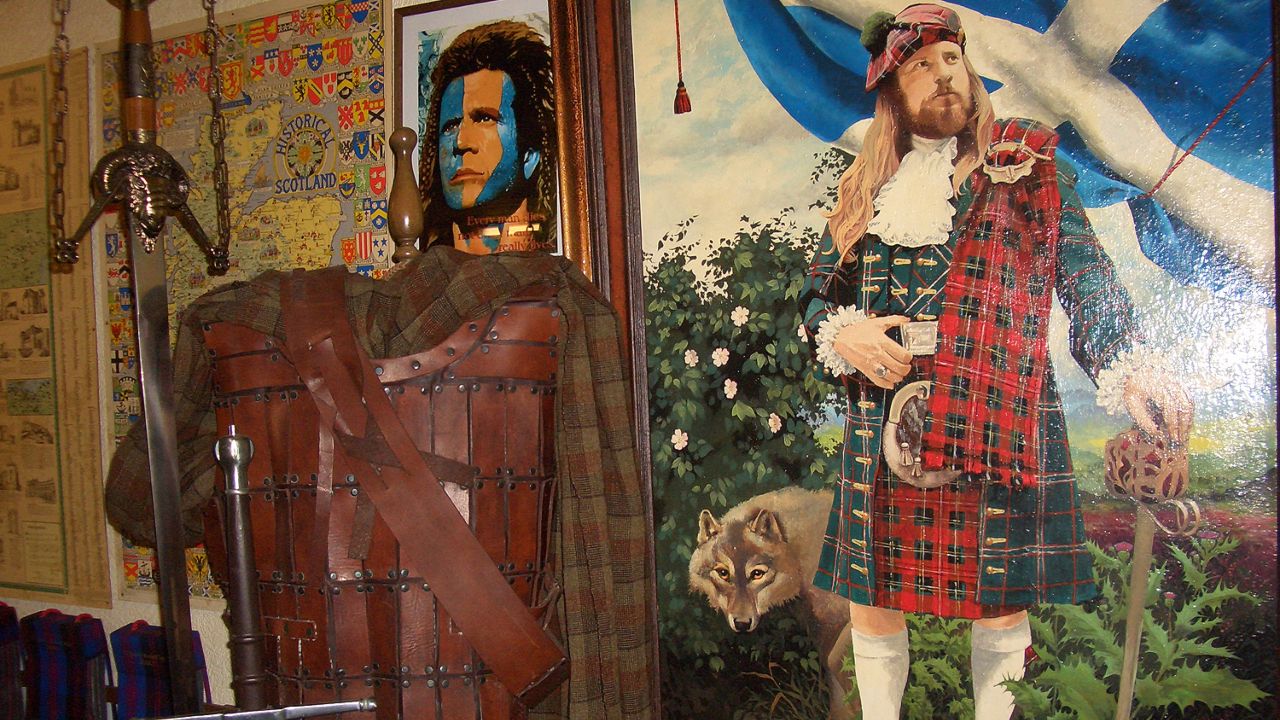
The Burns Supper is more than homage to a poet, it is a reaffirmation of Scottish identity. Like tartan or the tam o’ shanter hat, it has become a cultural emblem. Burns’ works resonate because they speak of equality, nature, love, and justice, universal themes that transcend centuries.
The tradition is also deeply tied to storytelling, echoing the same cultural thread that makes Irish people natural storytellers.
Burns Night in the Modern World
Today, Burns Night is celebrated with as much enthusiasm in Edinburgh as in New York or Sydney. Some gatherings are formal black-tie dinners with ceilidh dancing, while others are intimate family meals. The adaptability of the Burns Supper proves that tradition, much like Scottish clans, can evolve while still honouring its roots.
Conclusion: Why Burns Supper Endures
The Burns Supper endures because it is more than ritual, it is a living celebration of poetry, friendship, humour, and heritage. It reminds Scots, and those who love Scotland, that culture is strongest when it is shared.
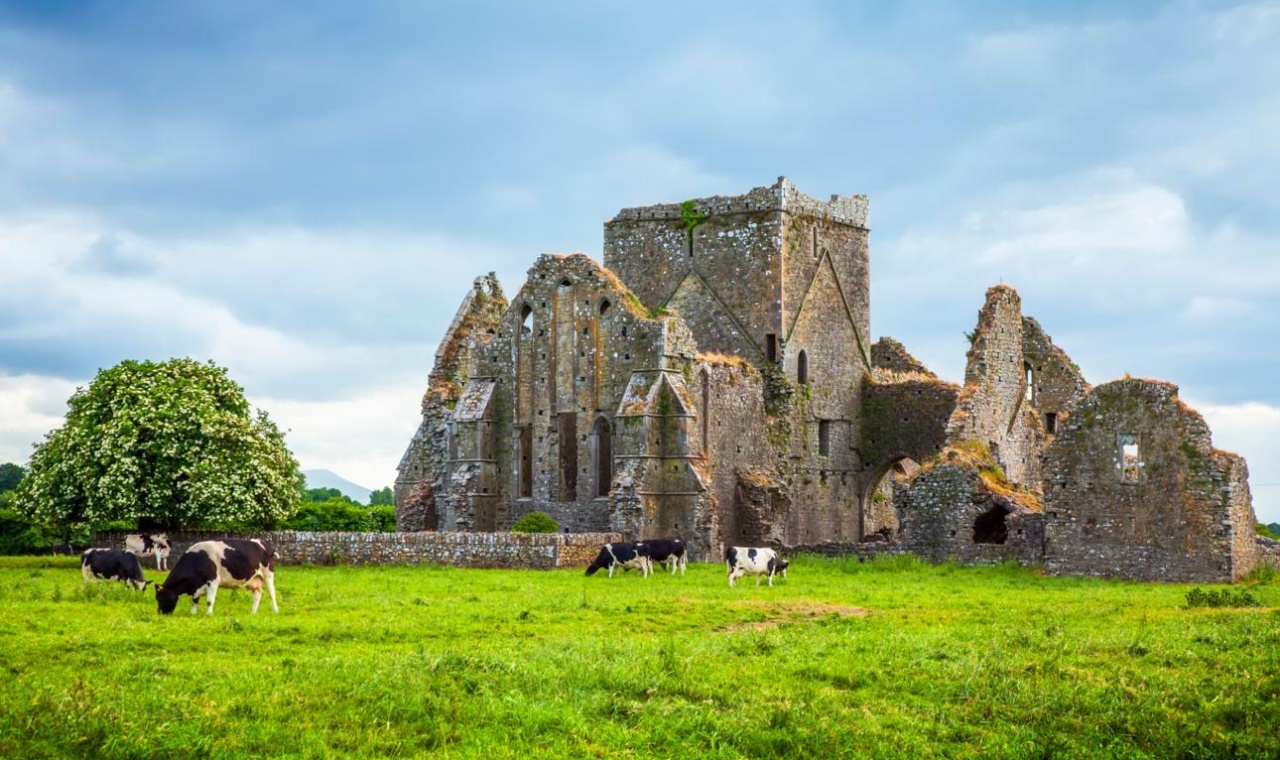
Just as Celtic stone carvings preserve history in stone, Burns Suppers preserve Scotland’s voice in verse.