Battle of Dunbar 1650: Cromwell, Leslie and the Aftermath
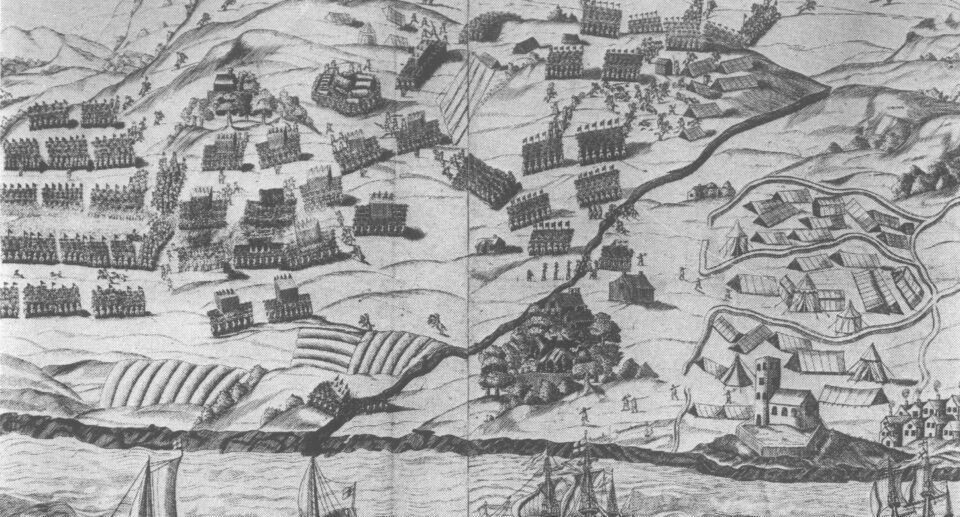
The Battle of Dunbar on 3 September 1650 was a decisive victory for Oliver Cromwell’s English Commonwealth army over Scottish forces commanded by David Leslie. A Scottish army had constrained the invaders for weeks, yet its movement off strong ground near Doon Hill exposed a flank in the cramped coastal landscape. The outcome opened the road toward Edinburgh and led to the capture of thousands of soldiers, whose subsequent treatment remains an essential part of the story.
Why were England and Scotland fighting in 1650?
The conflict grew from the wars of the three kingdoms. Scotland’s Covenanters had opposed religious policies associated with Charles I, but the king’s execution by the English Parliament in 1649 changed the political landscape. Scottish leaders proclaimed his son Charles II king, subject to conditions protecting the Presbyterian settlement. Cromwell’s Commonwealth regarded that alliance as a threat and invaded Scotland in July 1650.
Calling the campaign a simple national war conceals its divisions. Scots disagreed over the monarchy and the Covenant; English Parliamentarians also understood the war through religion and constitutional power. Leslie’s army was positioned to defend Scotland’s new settlement, while Cromwell aimed to prevent Charles II from using Scotland as a base to regain power.
Leslie’s defensive advantage and Cromwell’s retreat
Leslie avoided the pitched battle Cromwell sought, harried his supply lines and used terrain to limit the English army. Cromwell withdrew east to the coast at Dunbar, where ships could sustain or evacuate his force. Scottish troops occupied high ground around Doon Hill south of town. Historic Environment Scotland’s battlefield inventory describes Leslie’s earlier success in frustrating the English campaign.
The Scottish position was powerful, but the army needed food and a way to press its advantage. On 2 September its forces descended from the heights toward the Brox Burn, narrowing the space for deployment. Historians debate how much of that decision came from Leslie, political or clerical pressure, logistics, or a belief that the English could be struck as they withdrew. The terrain and resulting exposure are clearer than any single motive.
How the battle unfolded
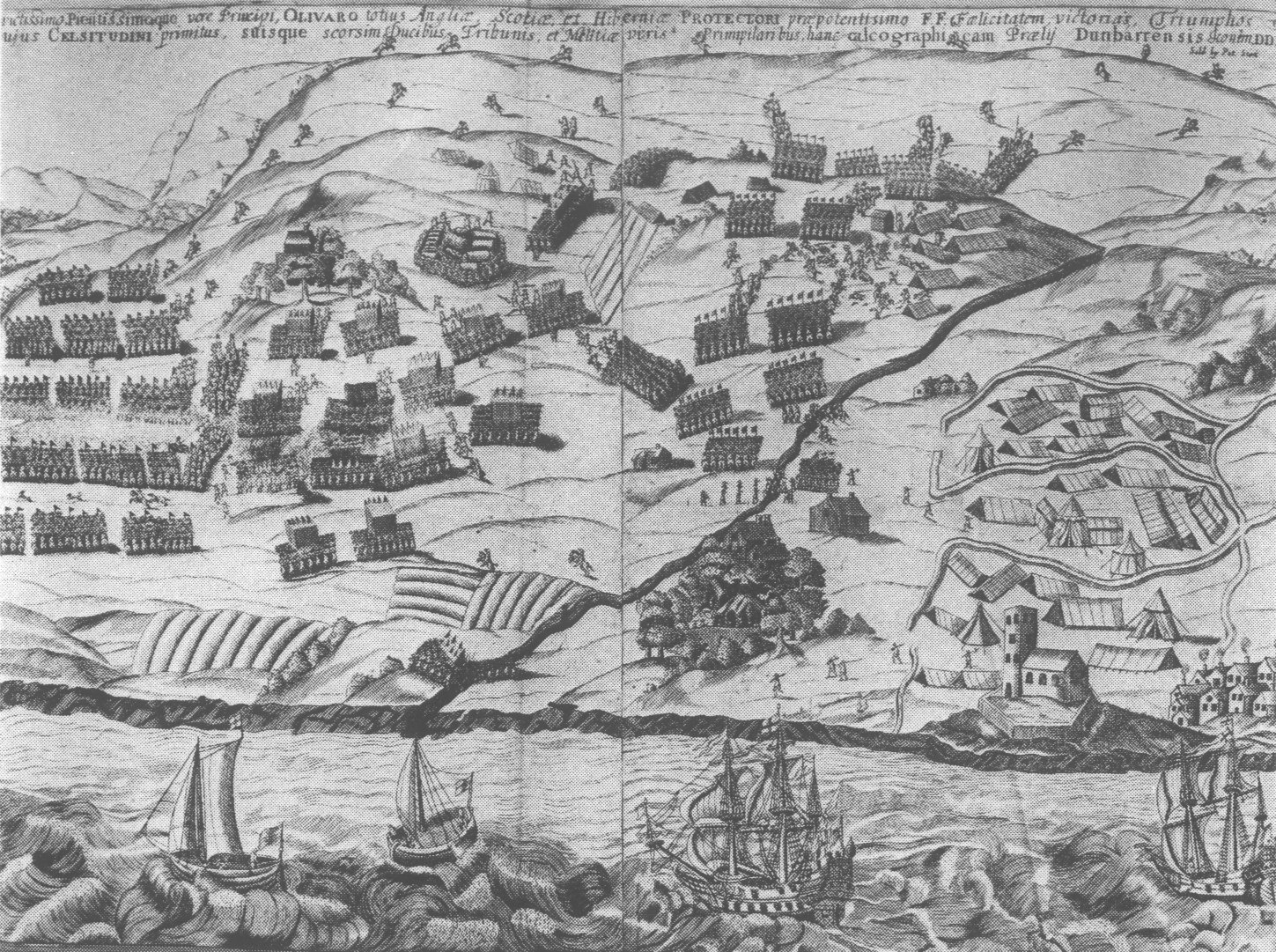
Cromwell saw an opening against the Scottish right, which had become crowded near the coast. Before dawn on 3 September, English infantry and cavalry crossed or fought around the burn and attacked that flank. Scottish troops resisted hard, and the action was contested before their line broke. A collapse on the right spread into a general rout as the army tried to escape through confined ground.
A familiar account credits one perfectly timed English blow with instant victory. The fighting was more complicated: deployment, the burn, cavalry movement and command all mattered. Exact troop and casualty figures differ markedly among contemporary reports and later estimates, often colored by the victors’ claims. It is safer to describe a devastating Scottish defeat than to treat a single round number as established fact.
Prisoners, Durham and the human cost
Large numbers of Scots were captured. Some were released as unfit to fight, while others marched south. Around 3,000 were confined at Durham Cathedral, then out of ordinary cathedral use. Durham Cathedral records their imprisonment and memorial; many died amid disease and harsh conditions. Survivors were dispersed through several forms of captivity and forced labor, including transportation overseas.
Archaeological work has given some of these men a more individual history. In 2013, mass graves were found near Palace Green. A peer-reviewed study of the remains found evidence consistent with Dunbar prisoners who died after the march. The remains were reburied in 2018. These findings do not resolve every disputed total, but they make the consequences of victory visible beyond battlefield narratives.
What changed after Dunbar?
Cromwell took control of Edinburgh and much of lowland Scotland, but the war did not end in September. Charles II was crowned at Scone in 1651, Scottish and royalist forces continued to fight, and Cromwell’s army pursued them into England. Their defeat at Worcester a year after Dunbar marked a further turning point. Dunbar was therefore decisive without being the last battle of the campaign.
The battlefield near Doon Hill is a landscape of slopes, burn and coastal approaches rather than a neatly preserved arena. Reading those features alongside the archival record explains why the Scottish position looked secure and why its shift proved costly. The story also extends to Durham, where captured soldiers’ experiences challenge any account focused solely on commanders.
Who won at Dunbar in 1650? Cromwell’s English Commonwealth army defeated the Scottish army under David Leslie on 3 September.
Is this the same as the Battle of Dunbar in 1296? No. A separate medieval battle near Dunbar in 1296 involved Edward I’s invasion. The 1650 battle belongs to the Wars of the Three Kingdoms.
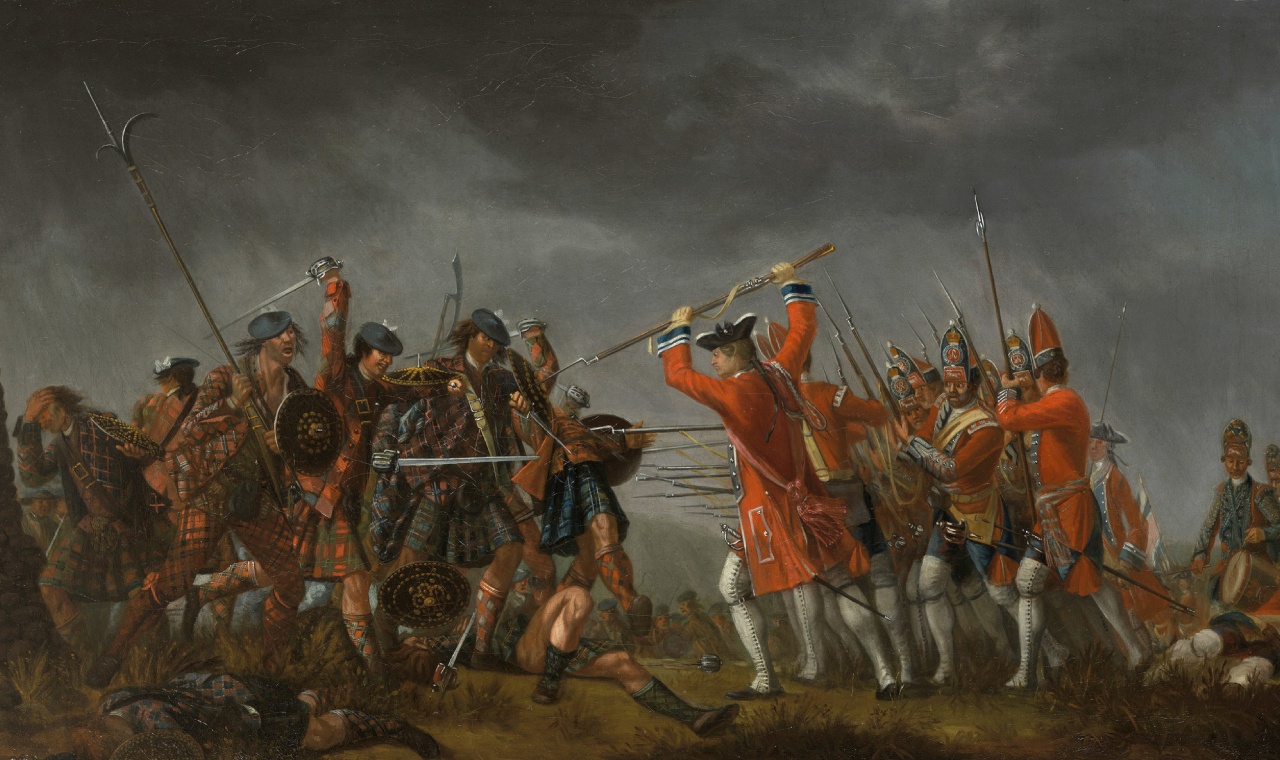
Featured image: Historical depiction of the Battle of Dunbar, artist unknown, via Wikimedia Commons, public domain; resized. Its arrangement of troops is an artistic source, not a modern measured battlefield map.