Gaelic Football: History, Rules, and Cultural Legacy

Gaelic Football stands at the core of Irish identity. It blends athletic skill, local pride, and centuries of cultural memory. When you watch a match, you witness more than a game. You see history, language, and community move together across the pitch.
This sport, governed by the Gaelic Athletic Association (GAA), remains one of Ireland’s most powerful cultural expressions.
Origins of Gaelic Football
Gaelic Football grew from ancient Irish ball games played long before modern sports codes emerged. Rural communities passed these games down orally, much like Irish storytelling traditions. That oral transmission mirrors the deep narrative culture explored in why Irish people are natural storytellers.
In 1884, the GAA formalized the sport. The association aimed to protect Irish culture during a time of political and social pressure. Gaelic Football became both recreation and resistance.
How Gaelic Football Is Played
Gaelic Football combines elements of soccer, rugby, and basketball, yet it remains entirely unique.
Each team fields 15 players. The pitch resembles a soccer field but includes H-shaped goalposts. Players move the ball by kicking, hand-passing, or soloing, dropping the ball onto the foot while running.
Scoring System
- Goal (under crossbar): 3 points
- Point (over crossbar): 1 point
The balance between speed, strength, and precision defines the game’s rhythm.
Skills, Speed, and Strategy
Unlike many modern sports, Gaelic Football values versatility. Players attack and defend constantly. No position stays fixed for long.
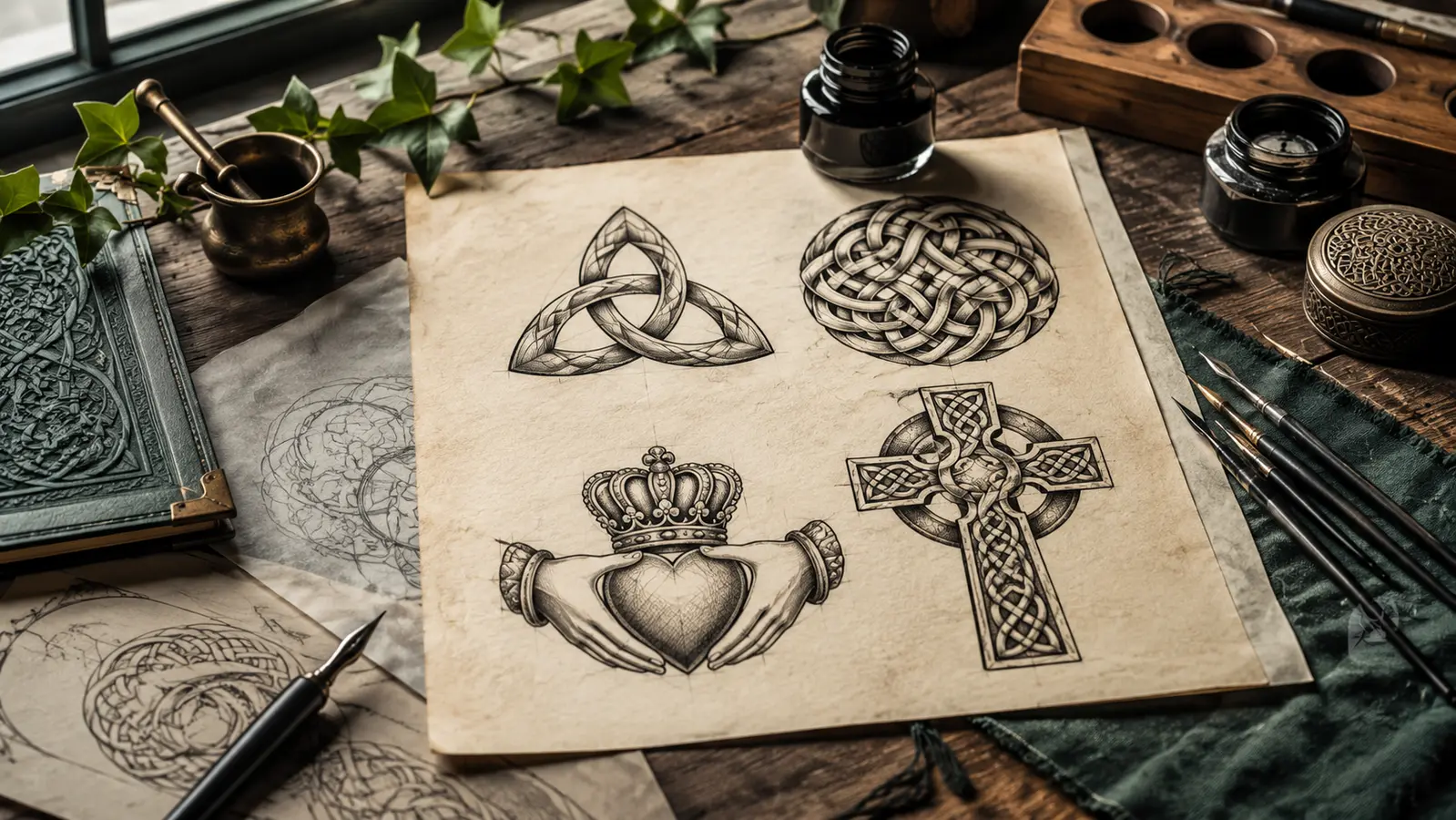
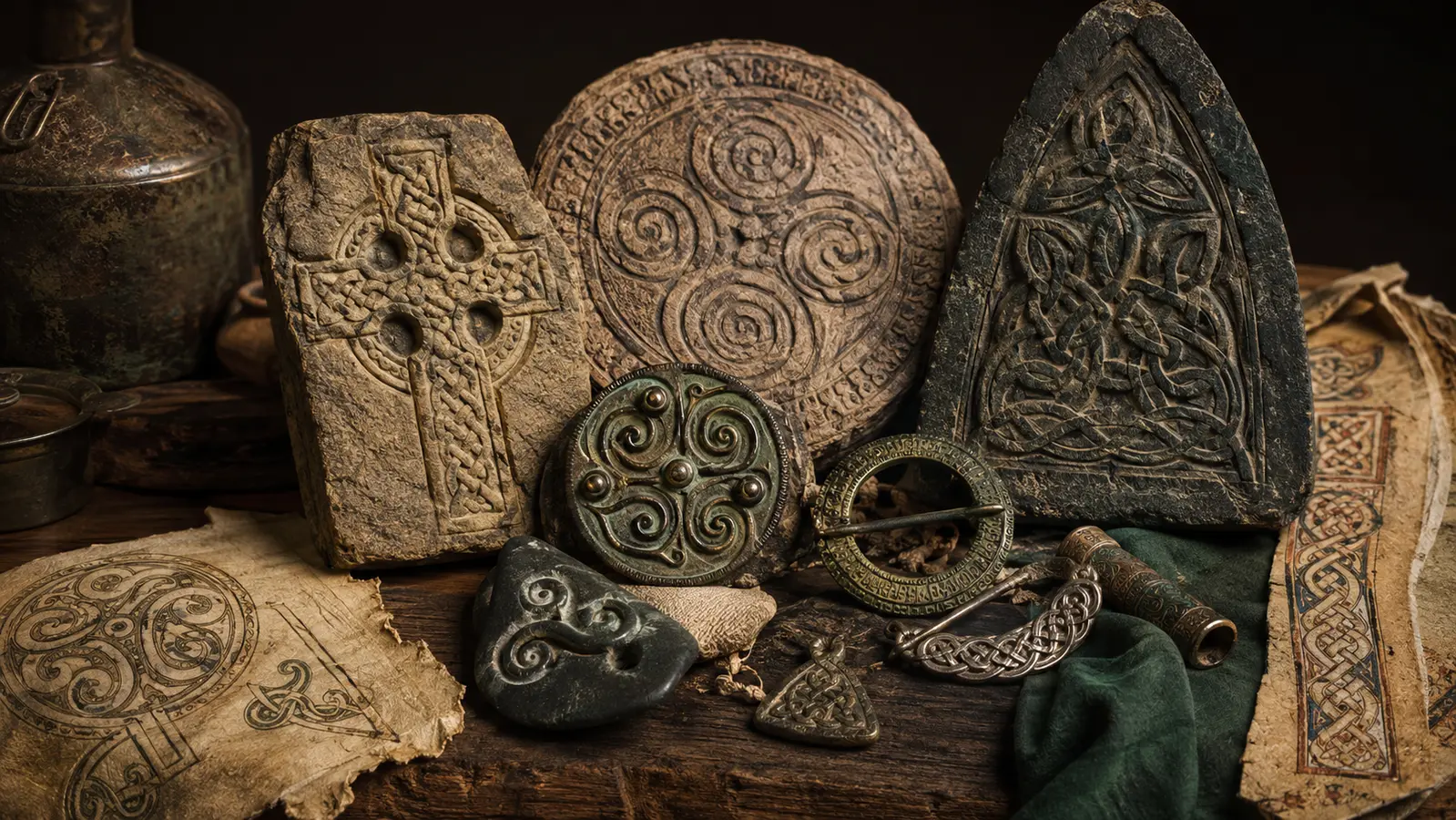
This fluid movement echoes the adaptability seen in traditional Celtic arts, from Celtic stone carvings to folk music rhythms. The sport rewards awareness, not just power.

Gaelic Football and Irish Identity
Gaelic Football thrives at the local level. Players represent their counties, parishes, and families. Unlike many professional sports, athletes play for pride, not contracts.
This connection mirrors other Irish traditions rooted in land and lineage, such as those linked to the Hill of Tara, a historic symbol of kingship and unity.
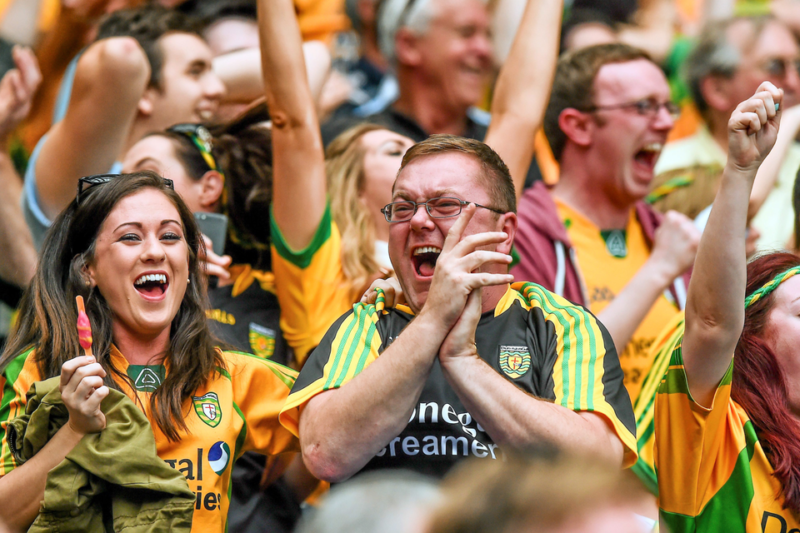
Match days feel communal. Entire towns gather. Generations share stories in the stands. Sport becomes social memory.
Dress, Symbolism, and Heritage
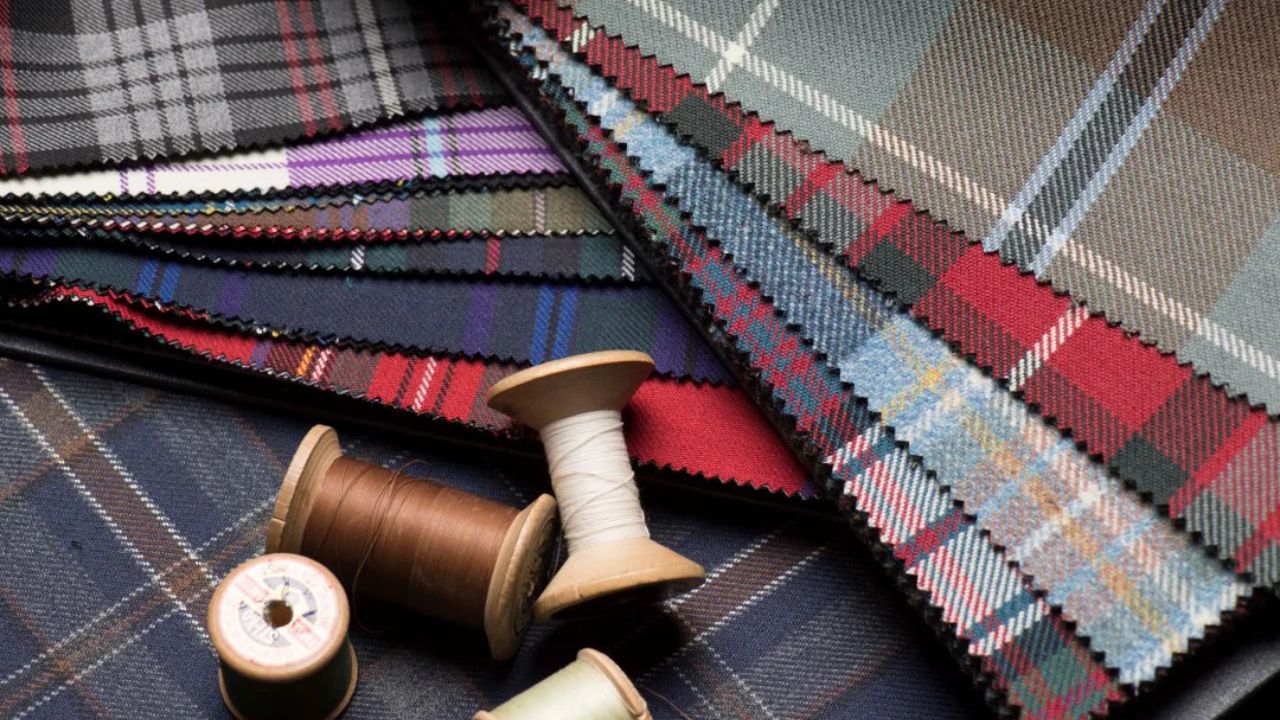
Team jerseys carry county colors, often tied to local history. This visual symbolism connects closely with Irish textile traditions and tartan studies discussed in what is tartan.
While kilts do not feature in gameplay, ceremonial and cultural events around matches often celebrate traditional dress. Gaelic Football exists within a broader Celtic aesthetic world.
Modern Reach and Global Growth
Today, Gaelic Football extends far beyond Ireland. Clubs flourish in Britain, North America, Australia, and Europe. The Irish diaspora carries the sport abroad, much like music, language, and festivals.
Events often align with cultural celebrations, including those highlighted in events to watch in Highland Games 2025. Sport and heritage travel together.
Why Gaelic Football Still Matters
Gaelic Football survives because it adapts without forgetting its roots. It resists commercial excess. It values community over spectacle.
In an age of globalized sports, this game remains distinctly Irish. It teaches teamwork, resilience, and belonging, qualities that define Celtic tradition itself.
Final Thoughts
To understand Gaelic Football is to understand Ireland. The sport reflects history, place, and people in motion. It tells a living story, one passed not through books alone, but through movement, sound, and shared experience.
For deeper insights into Celtic culture, explore more at CeltGuide’s blog.