Celtic Lore of Shape-Shifting: Magic, Transformation, and the Otherworld

Shape-shifting is one of the most enchanting elements of Celtic mythology. From humans turning into animals to spirits adopting human forms, this lore reveals the Celts’ profound understanding of transformation, identity, and the unseen world.
Unlike modern tales of mere fantasy, Celtic shape-shifting stories carry deep symbolic meaning. They explore adaptation, moral lessons, and connection to nature, bridging the human world and the mystical Otherworld.
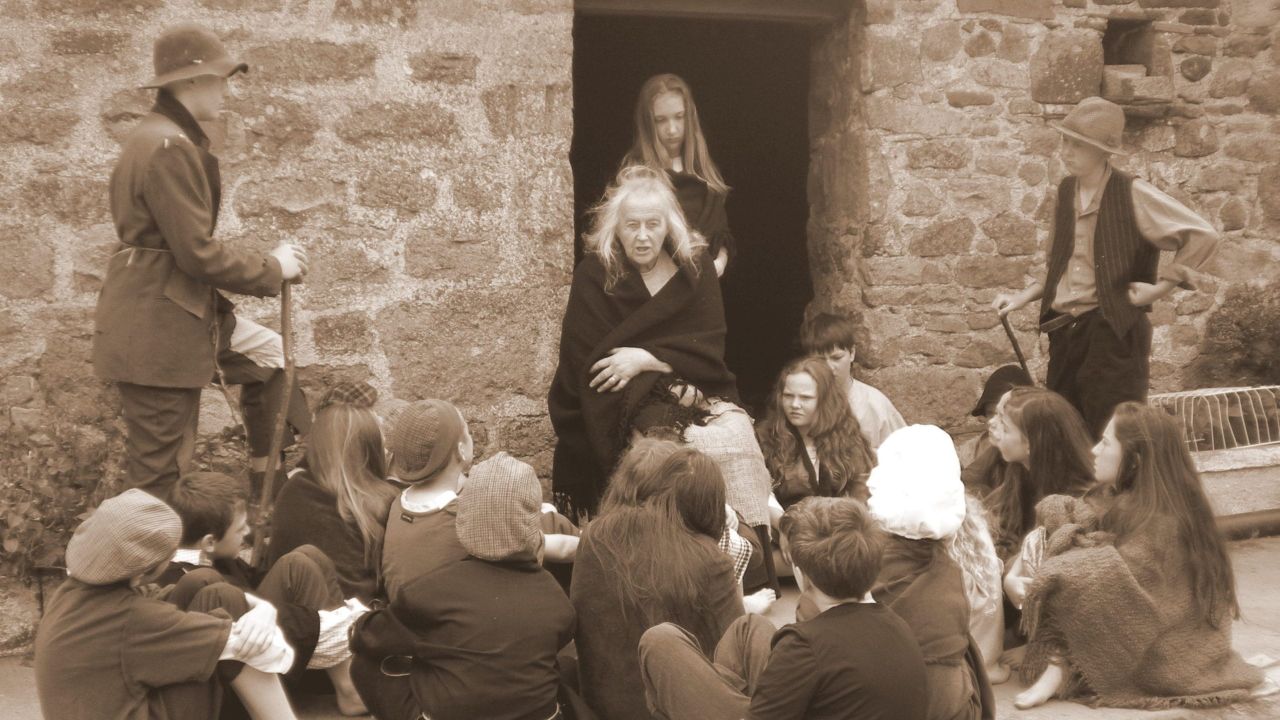
For centuries, these narratives have been preserved through storytelling, a tradition celebrated in why Irish people are natural storytellers.
Selkies: The Seal Folk of the Sea
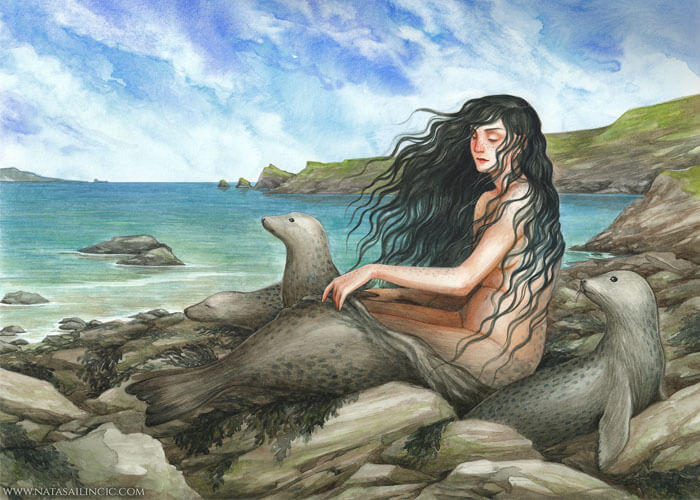
Perhaps the most famous Celtic shape-shifters are the selkies. Selkies live as seals in the ocean but can shed their skins to become human on land.
Selkie stories often explore love, longing, and freedom. A selkie caught by a human may feel bound, yet the tale usually ends with the selkie returning to the sea, symbolizing the pull between desire and destiny.
Púca: The Mischievous Shape-Shifter
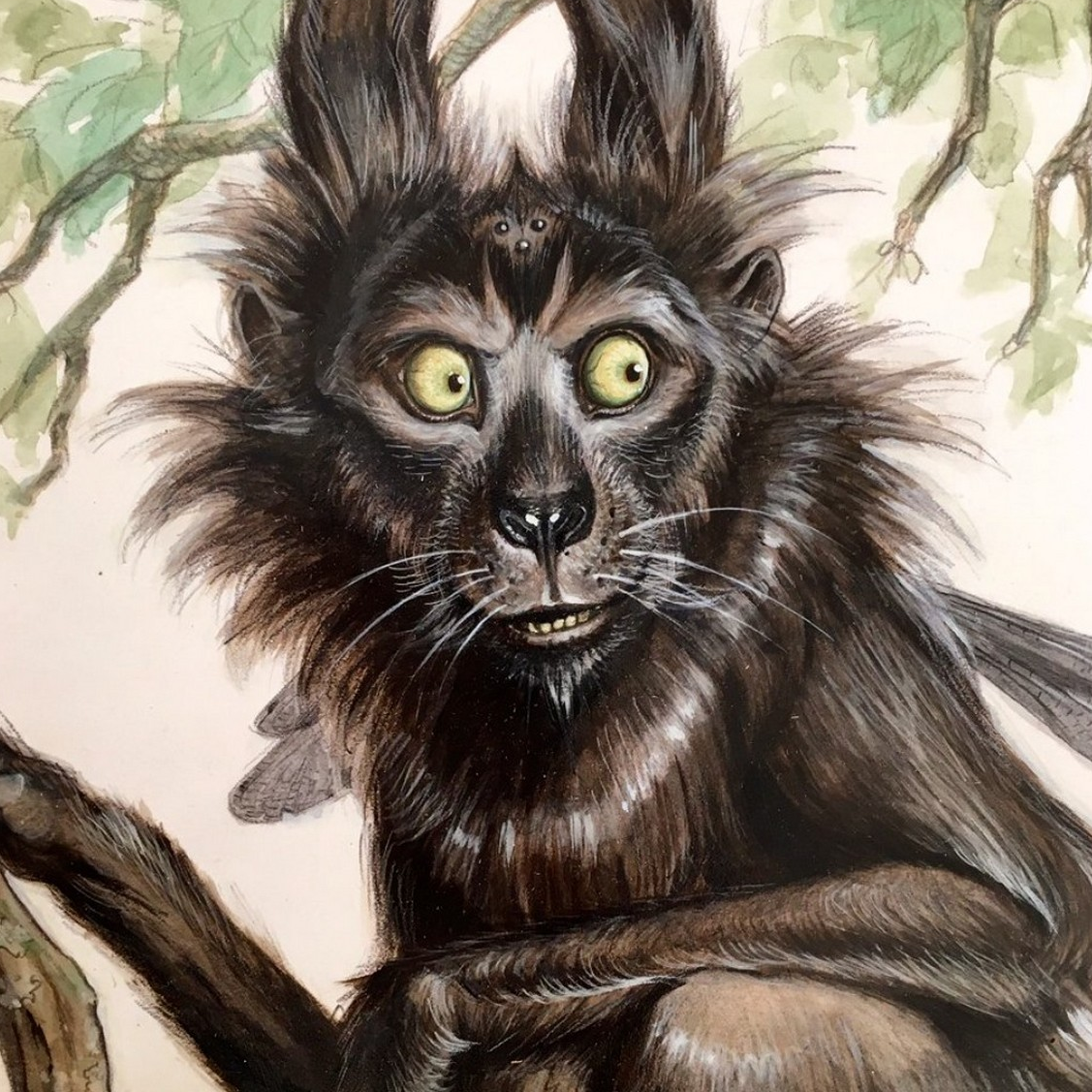
The púca is a shape-shifting spirit known for mischief and sometimes guidance. It can appear as a horse, goat, dog, or other creatures, depending on the story.
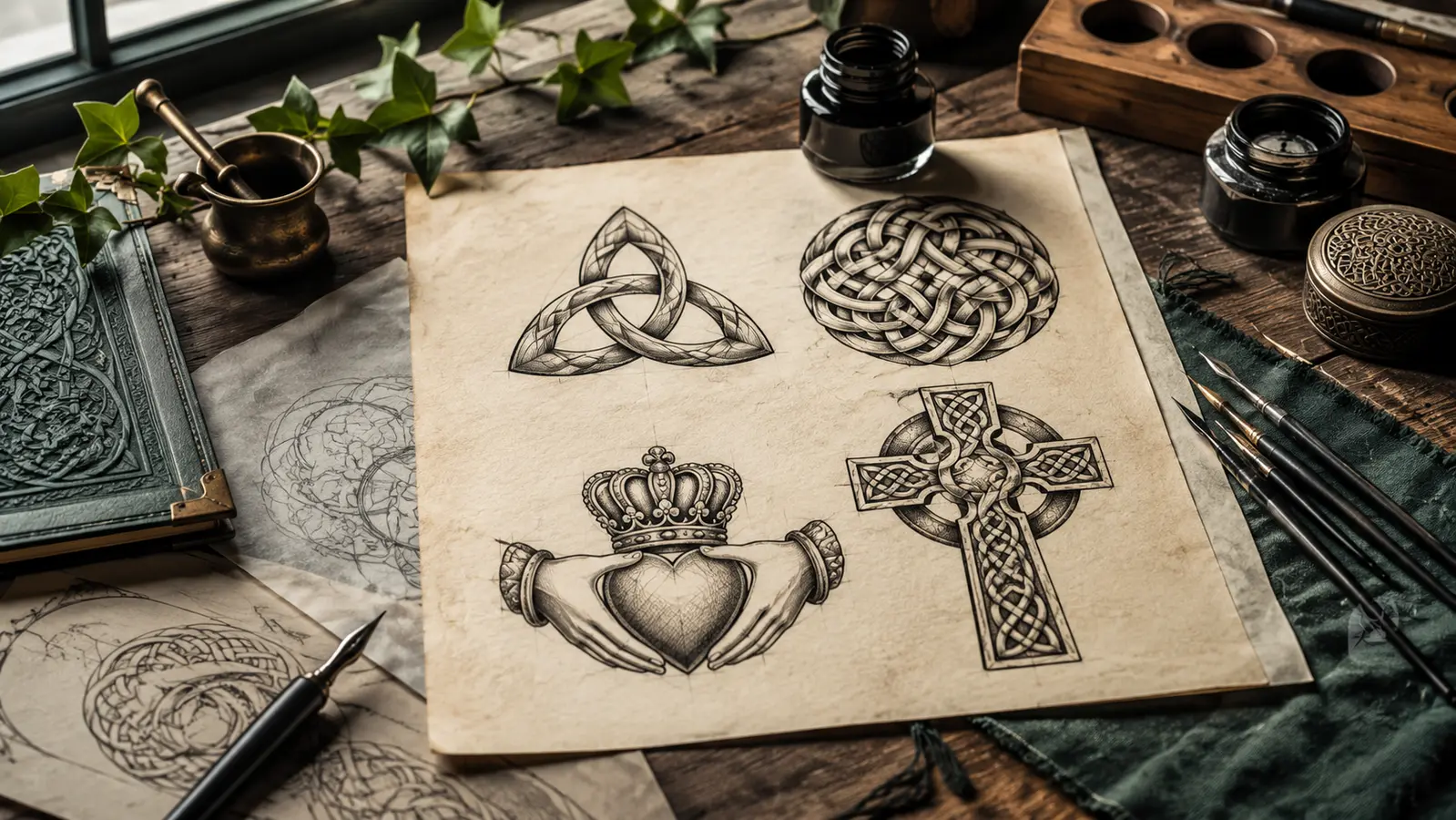
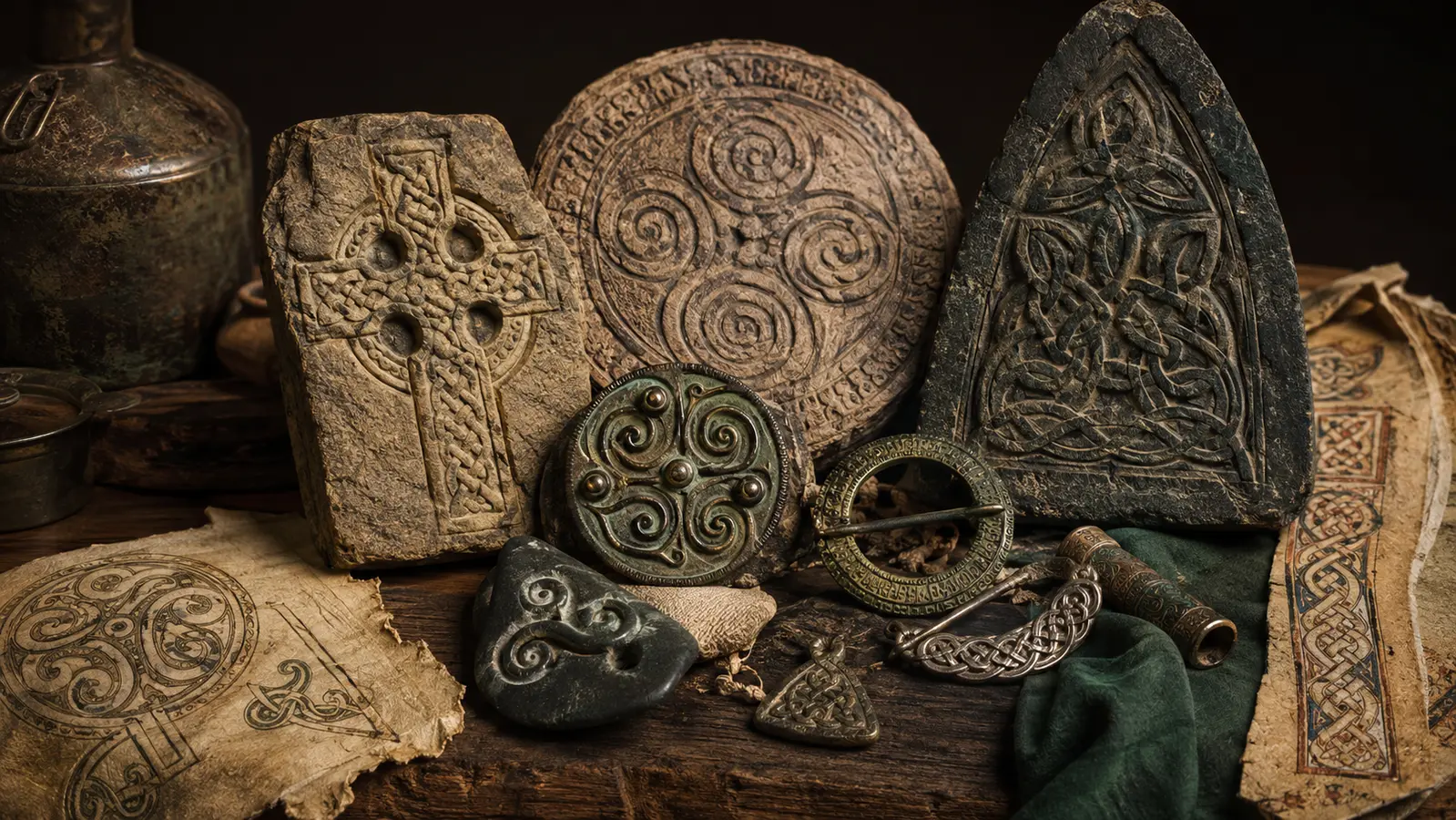
Púcas are cautionary and transformative, reminding humans to respect the land, behave wisely, and remain attentive to omens. They show that Celtic myths blend playfulness with moral instruction, much like other symbols seen in Celtic stone carvings.
Druids and Shape-Shifting Magic
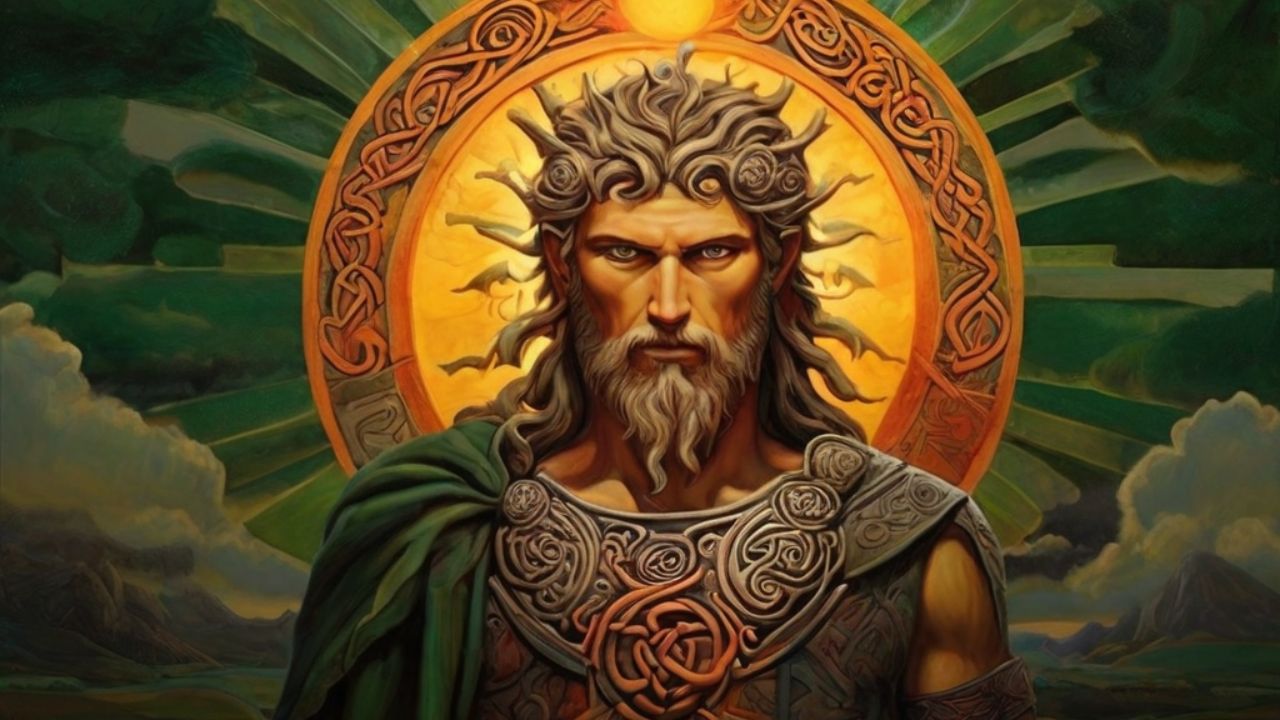
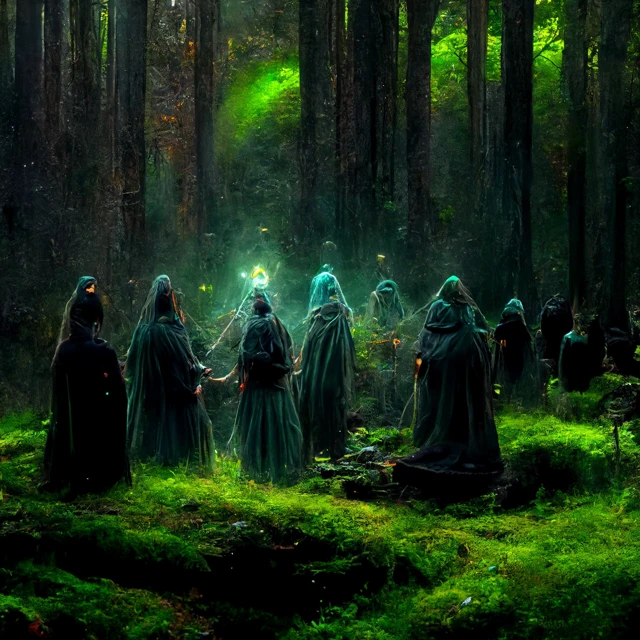
Druids, the learned priests and magicians of Celtic society, were often associated with shape-shifting abilities. Through rituals, they could connect with animals, the elements, and the spiritual realm, using transformation as a tool for wisdom and insight.
This magical dimension emphasizes the Celts’ respect for nature, knowledge, and spiritual practice. Instruments like the clarsach were sometimes played in ritual contexts, enhancing mystical experiences.
Lessons from Celtic Shape-Shifters
Shape-shifting tales carry enduring lessons:
- Adaptation: Change is natural and necessary.
- Awareness: Every form, human or animal, has insight.
- Respect: The Otherworld and its inhabitants deserve reverence.
Stories of selkies, púcas, and druids teach that identity is fluid, and transformation can be both literal and metaphorical. These myths connect with broader Celtic spirituality, echoing the harmony seen in sacred spaces like the Celtic Oak Tree.

Why Shape-Shifting Matters Today
Celtic shape-shifting tales continue to inspire art, literature, and spiritual reflection. They remind us that life is dynamic, identities are multifaceted, and respect for nature and the mystical remains vital.
For a deeper dive into Celtic myths and magical symbols, explore the Mythology & Folklore category and experience the rich tapestry of stories that shaped Celtic culture.
Final Thoughts
Celtic shape-shifting lore is more than mythology. It is a window into the Celtic worldview, where humans, animals, and spirits interact fluidly, and where every transformation carries meaning. By engaging with these stories, we connect with a culture that celebrated change, respected nature, and valued wisdom.