The Wild Geese Emigration: Ireland’s Soldiers Without a Homeland
The story of the Wild Geese Emigration is one of loss, courage, and endurance. It tells how thousands of Irish soldiers left their homeland after defeat and found new lives across Europe. This migration reshaped Irish identity and left a deep mark on European military history.
As a historian, I see the Wild Geese not only as exiles, but as cultural carriers. They took Irish memory, language, and loyalty with them wherever they settled.
What Does “The Wild Geese” Mean?
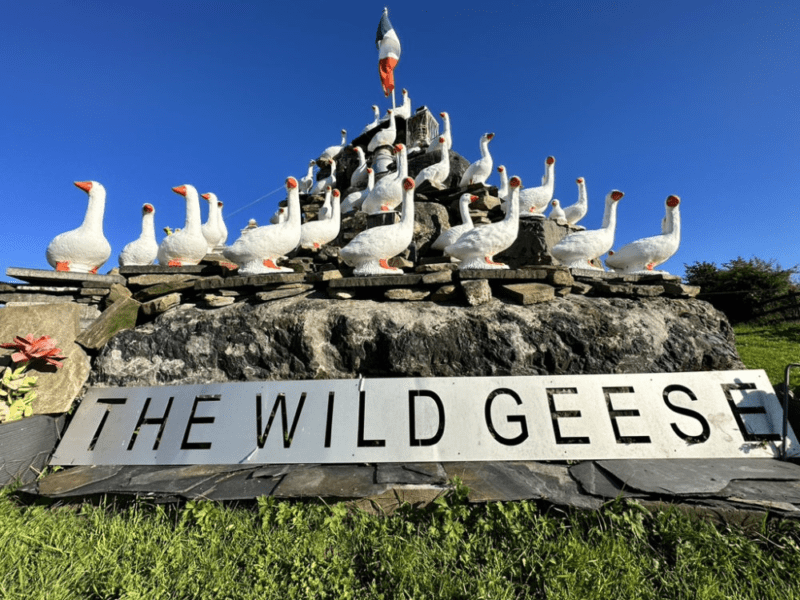
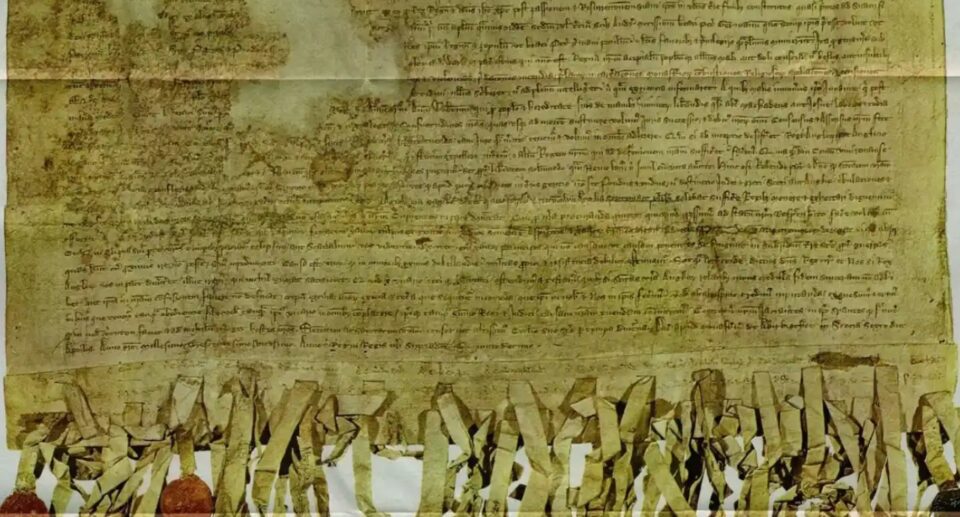
The term Wild Geese refers to Irish Catholic soldiers who left Ireland to serve in foreign armies. Most departed after the Treaty of Limerick in 1691, following the defeat of Jacobite forces.
Like migrating birds, these soldiers crossed borders in search of survival and honor. France, Spain, Austria, and other Catholic powers welcomed them.
For wider historical themes on displacement and survival, see The Influence of the Irish Potato Famine.
Why Did the Wild Geese Leave Ireland?
Religious and political pressure forced their departure. Penal Laws restricted Catholic rights, land ownership, and military service. Many Irish soldiers faced a stark choice. They could abandon their profession or leave their country.
Military service abroad offered dignity and purpose. It also allowed Irish leaders to preserve their martial tradition.
This sense of inherited loyalty reflects older clan-based bonds discussed in How Many Scottish Clans Are There?.
Where Did the Wild Geese Go?
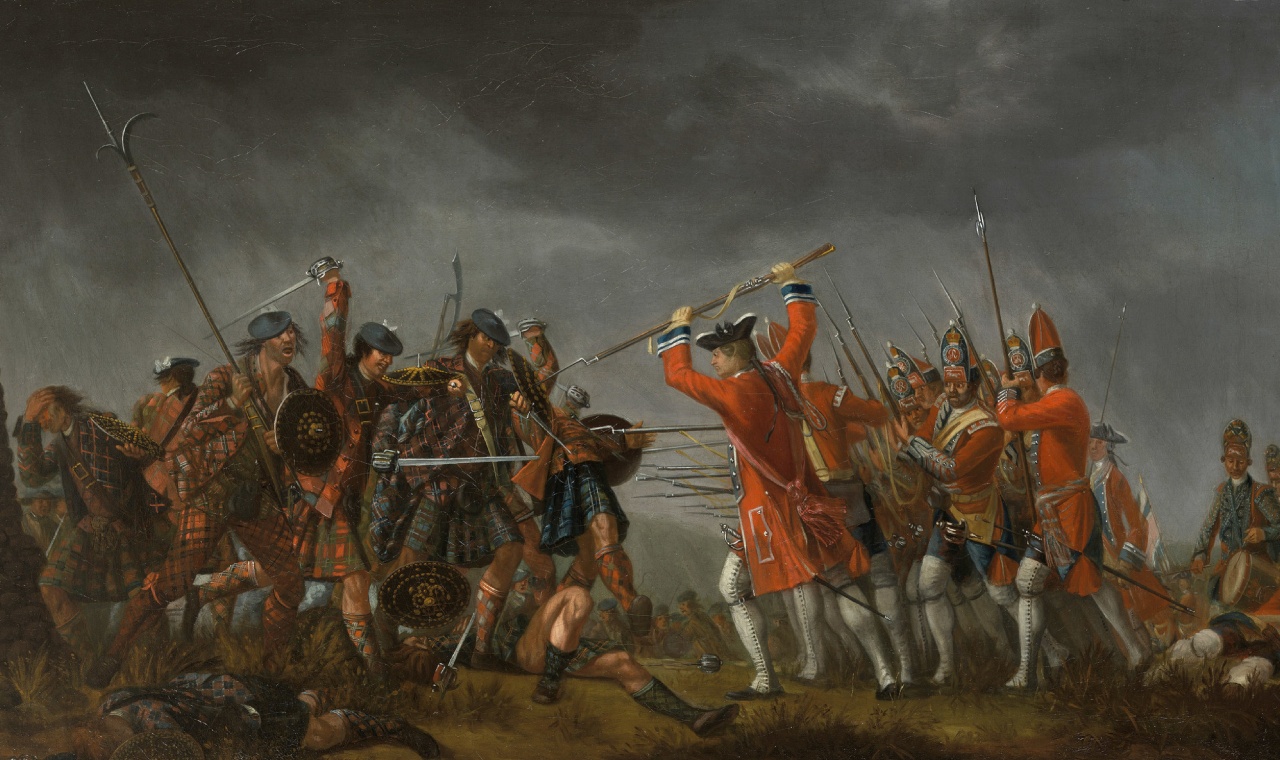
France became the primary destination. Irish Brigades served with distinction in the French army for over a century. Spain, Austria, and the Papal States also relied on Irish officers.
Irish regiments gained a reputation for discipline and bravery. Their presence influenced European warfare and diplomacy.
Life Abroad: Soldiers and Storytellers
The Wild Geese did not abandon Irish culture. They preserved songs, family names, and oral history. In foreign lands, storytelling became a way to remain Irish.
This narrative tradition connects closely with themes explored in Why Are Irish People Natural Storytellers?.
Music also played a vital role. Instruments like the fiddle carried memory and emotion, much like those discussed in Fiddle Music.
The Symbolism of Exile in Irish Identity
Over time, the Wild Geese became symbols of noble exile. Poetry and folklore portrayed them as loyal sons of Ireland, waiting for a return that rarely came.
Their image blends history and myth, similar to how Irish landscapes shape cultural memory, such as the symbolic importance of The Hill of Tara.
Did the Wild Geese Ever Return?
Some families returned generations later. Many did not. Yet their influence came back through ideas, alliances, and inspiration. Leaders of later Irish movements often traced ancestry to Wild Geese officers.
Their story shaped the wider Irish diaspora, which continues to balance memory with adaptation.
For insight into enduring Irish customs tied to remembrance, see Heartbeat of Farewell: Irish Wake Traditions.
Why the Wild Geese Emigration Still Matters
The Wild Geese Emigration reminds us that migration is never only economic. It carries culture, identity, and grief. These soldiers left unwillingly, yet they shaped nations beyond Ireland.
Their legacy lives in European history, Irish surnames abroad, and the shared memory of exile and resilience.