Irish Nationalism and Cultural Pride: A Cultural History

Irish nationalism did not grow only from politics or rebellion. It developed through culture, language, memory, and daily life. Songs, stories, symbols, and shared hardships shaped how people understood Ireland and themselves. This cultural foundation explains why Irish nationalism remains deeply emotional and enduring.
From the perspective of cultural history, nationalism in Ireland functioned as an act of preservation. Communities protected identity during periods of colonial pressure and social upheaval. Cultural pride became a quiet form of resistance long before it became a public movement.
Storytelling, Language, and the Irish Voice
Storytelling stands at the heart of Irish cultural pride. Oral tradition carried history when written records felt distant or restricted. Folktales, legends, and local histories connected generations. This tradition explains why Irish people gained recognition as gifted narrators of lived experience (see: https://celtguide.com/why-are-irish-people-natural-storytellers/).
The Irish language reinforced this bond. Gaelic encoded worldview, humour, and rhythm. Even as English spread, Irish survived through songs, proverbs, and prayer. Cultural revival movements later treated language not as nostalgia but as a living expression of identity.

Music as Cultural Memory and National Expression
Music carried nationalism into homes and gatherings. Instruments such as the bodhrán and fiddle shaped communal identity through rhythm and participation. These sounds expressed belonging rather than spectacle (see: https://celtguide.com/the-bodhran-drum/ and https://celtguide.com/fiddle-music/).
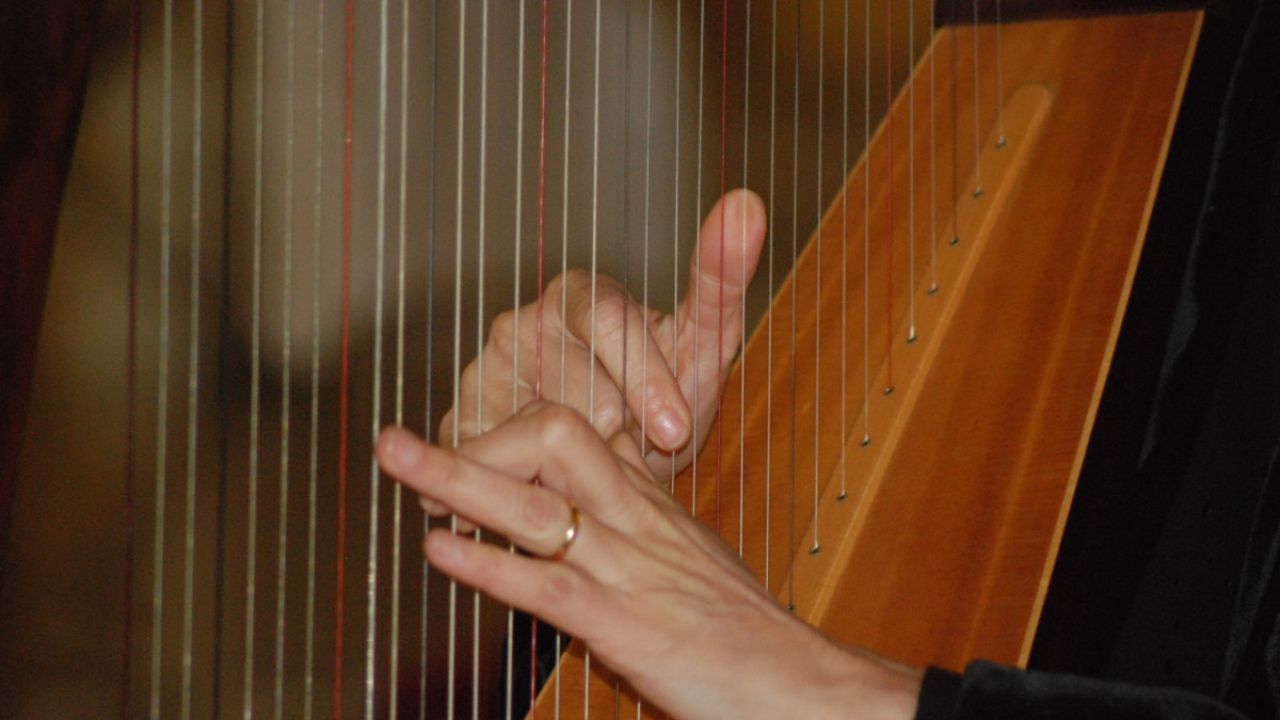
The clarsach, or Celtic harp, became a national symbol because it represented continuity. Harp music survived displacement and change, linking medieval courts to modern concert halls (see: https://celtguide.com/what-is-a-clarsach-a-comprehensive-guide-to-the-celtic-harp/).
Music allowed nationalism to remain inclusive. Anyone could listen, learn, or play. Cultural pride grew through shared experience rather than exclusion.

History, Trauma, and Shared Memory
Irish nationalism cannot be understood without acknowledging collective trauma. The Great Famine reshaped population, land ownership, and memory. Cultural responses preserved dignity when material security collapsed (see: https://celtguide.com/the-influence-of-the-irish-potato-famine/).
Commemoration did not focus only on suffering. It honoured resilience. Songs, prayers, and place names preserved stories of endurance. These memories fed a nationalism grounded in empathy rather than triumph.
Sacred and symbolic sites such as the Hill of Tara reinforced historical continuity (see: https://celtguide.com/hill-of-tara/). Such places linked modern identity to ancient kingship, myth, and sovereignty.

Symbols, Dress, and Visible Identity
Material culture also expressed cultural pride. Jewellery like the Claddagh ring symbolised loyalty, love, and community (see: https://celtguide.com/claddagh-ring-meaning-history-and-symbolism/). These meanings travelled globally with the Irish diaspora.
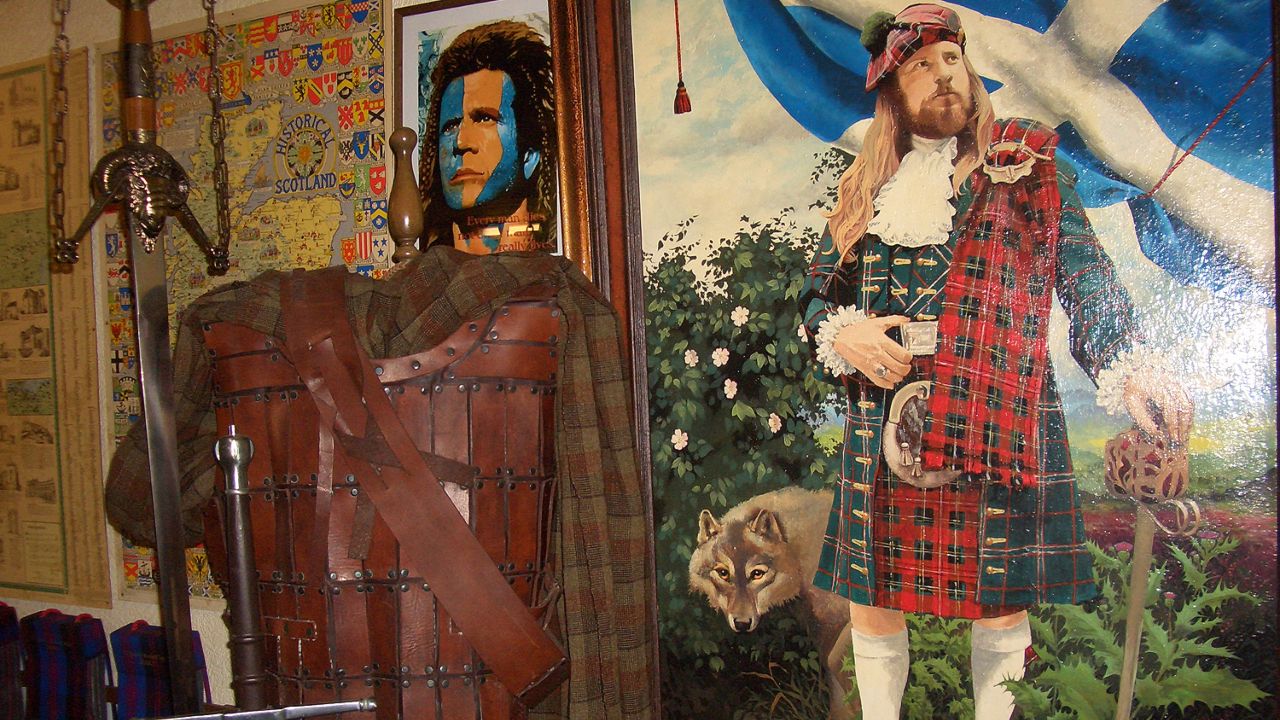
Debates about dress, including whether Irish people wear kilts, reflect how identity evolves (see: https://celtguide.com/do-irish-wear-kilts/). Irish nationalism rarely demanded uniform appearance. Instead, it encouraged symbolic choice.
Seasonal celebrations such as Saint Patrick’s Day transformed cultural pride into public ritual (see: https://celtguide.com/the-significance-of-saint-patricks-day/). These events balance heritage with modern expression.

Nationalism Beyond Politics
Irish nationalism today functions as cultural confidence rather than confrontation. Language classes, music sessions, and heritage tourism sustain identity without hostility. Cultural pride welcomes participation from visitors and descendants alike.
This inclusive approach explains why Irish culture resonates globally. Nationalism rooted in culture invites understanding rather than division. It speaks through art, memory, and everyday practice.
Irish nationalism remains strongest when it values continuity over control. Cultural pride survives because it adapts while remembering where it began.