Scottish Clan Pins: Symbols of Honor, Heritage, and Identity
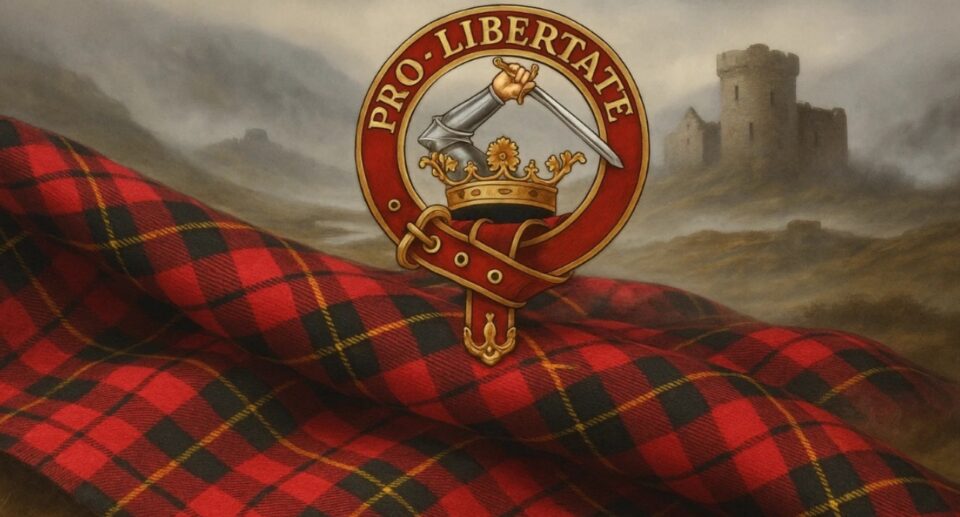
Few accessories in Scottish culture carry as much meaning as the Scottish Clan Pin. Beyond its decorative charm, the clan pin symbolizes belonging, loyalty, and ancestral pride. For centuries, it has adorned kilts, plaids, and sashes, linking the wearer to a proud Highland lineage.
The Origins of Clan Pins
The origin of clan pins dates back to the early Highland clans, when symbols of allegiance were worn during gatherings and battles. Each clan adopted a distinct emblem—often inspired by natural motifs such as animals, plants, or crests. These designs later became the basis for the beautifully crafted clan pins we know today.
Clan members wore these pins as signs of unity, often engraved with mottos that reflected courage or loyalty. The tradition evolved through generations, maintaining its importance in Scottish ceremonial attire.
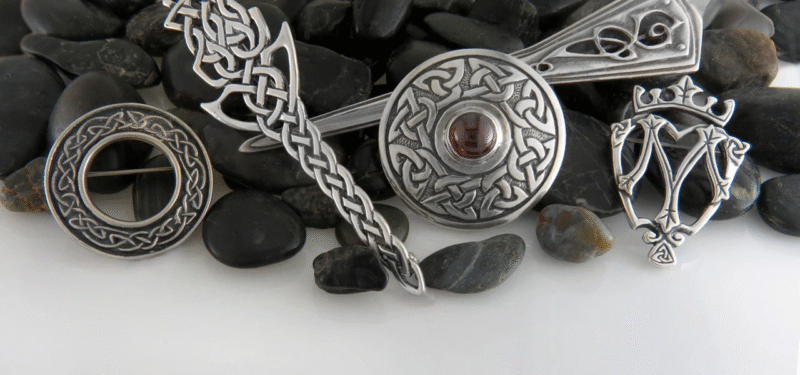
Design and Symbolism
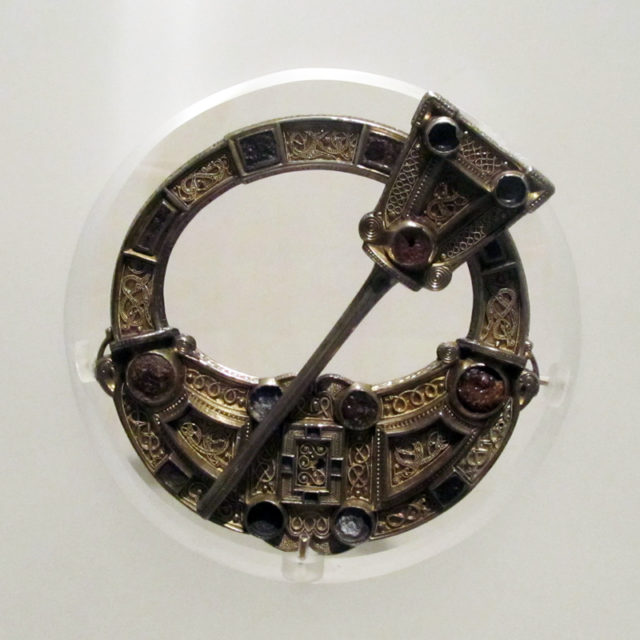
Every Scottish clan pin tells a story. The design often mirrors the clan crest, featuring symbols like the thistle (Scotland’s national flower), the stag (for bravery), or the Celtic knot (representing eternity). Some are made of sterling silver or pewter, while others incorporate stones like Cairngorm quartz or agate for color and regional identity.
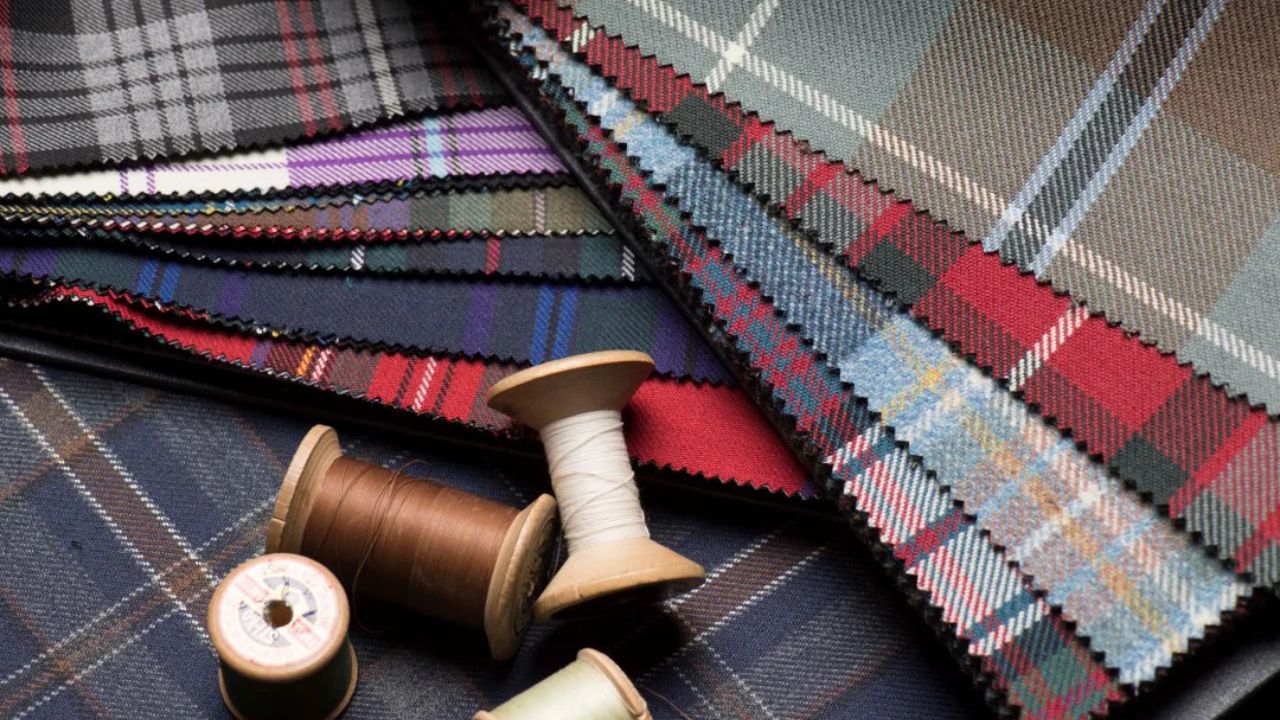
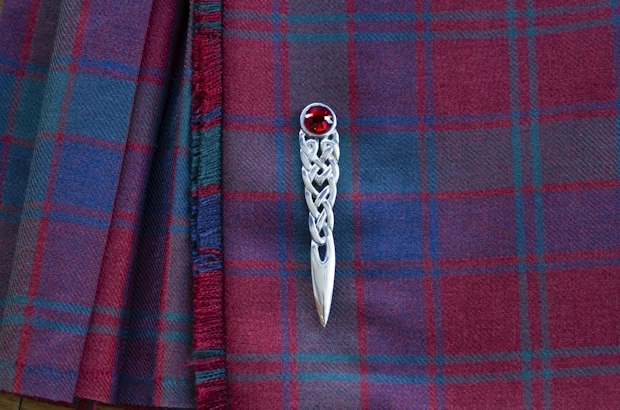
Just as the tartan patterns distinguish one clan from another, the clan pins act as wearable insignia of heritage. When paired with kilts or Highland dress, they complete a powerful expression of Scottish identity.
Clan Pins in Modern Scotland
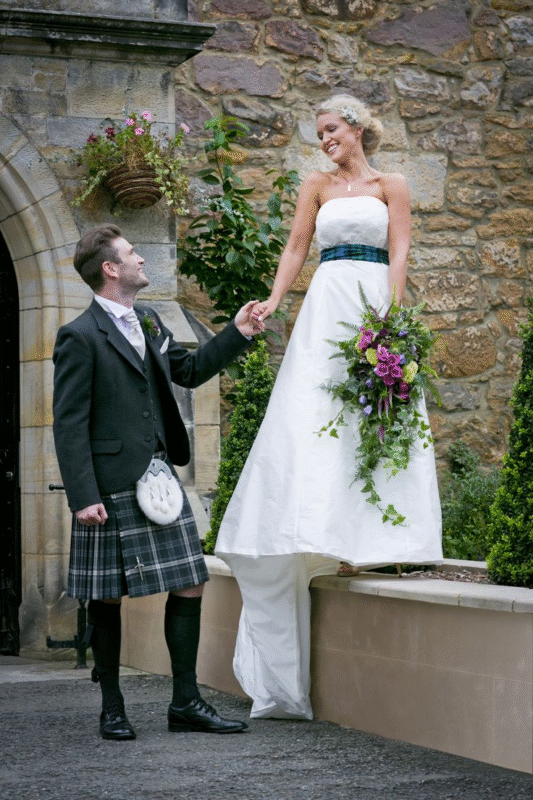
While once purely traditional, clan pins have found a new place in modern fashion. Many Scots and Celtic enthusiasts now wear them at weddings, Highland games, and cultural festivals. The Highland Games, in particular, often showcase clan pins as proud emblems of family lineage.
Today, artisans continue to blend traditional craftsmanship with contemporary design. Some pins are minimalistic for everyday wear, while others remain elaborate heirlooms passed through generations.
Cultural Significance
To wear a clan pin is to honor more than ancestry, it’s a statement of continuity and connection. For Scots abroad, it bridges the distance between homeland and heritage. Much like the Claddagh Ring symbolizes love and loyalty in Irish culture, the clan pin embodies the spirit of unity within Scottish tradition.
The Celtic stone carvings found across Scotland also reflect similar motifs, reminding us how art, identity, and symbolism have long intertwined in Celtic culture.
Keeping Tradition Alive
The fascination with clan symbols continues to thrive, especially among the Scottish diaspora. Collectors and descendants often seek pins representing their ancestral clan—be it MacDonald, Campbell, Fraser, or others.
Whether handcrafted by Highland artisans or passed down as family treasures, clan pins remain powerful tokens of belonging. As interest in Scottish fashion and culture grows globally, these historic emblems remind us of the timeless bond between identity and art.
Final Thoughts
The Scottish Clan Pin is more than an accessory—it’s a bridge between past and present, uniting artistry, history, and emotion in a single emblem. It reminds us that heritage is not static; it’s worn, shared, and celebrated across generations.
If you’d like to explore more about Scottish heritage and attire, visit our features on how many Scottish clans exist or the art of wearing a tartan sash. Each story deepens the appreciation for Scotland’s enduring cultural tapestry.