

Scottish Lace Cuffs: Elegance Woven Through Scottish History
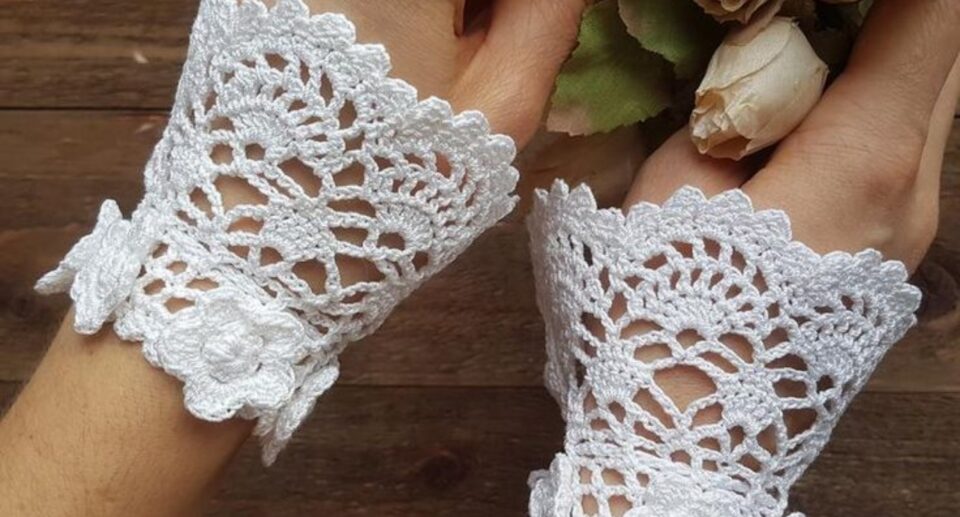
Few fashion details capture the soul of Scottish craftsmanship quite like lace cuffs. Woven with precision and often passed down through generations, these delicate pieces tell a story of artistry, culture, and quiet sophistication. Beyond their visual appeal, Scottish lace cuffs embody centuries of tradition, from Highland households to royal courts.
The Origins of Scottish Lacework
Scottish lace-making emerged in the 18th century, deeply influenced by both Celtic textile art and European lace traditions. In rural regions like Ayrshire and Fife, skilled women created lace collars and cuffs to adorn everyday garments. These pieces were not only signs of refinement but also symbols of patience and artistic mastery.
The intricate needlework often echoed patterns seen in Celtic stone carvings — spirals, knots, and organic motifs that celebrated life and continuity. Each cuff, whether made from fine linen thread or cotton, was a wearable reflection of Scotland’s creative spirit.
A Mark of Elegance in Scottish Fashion
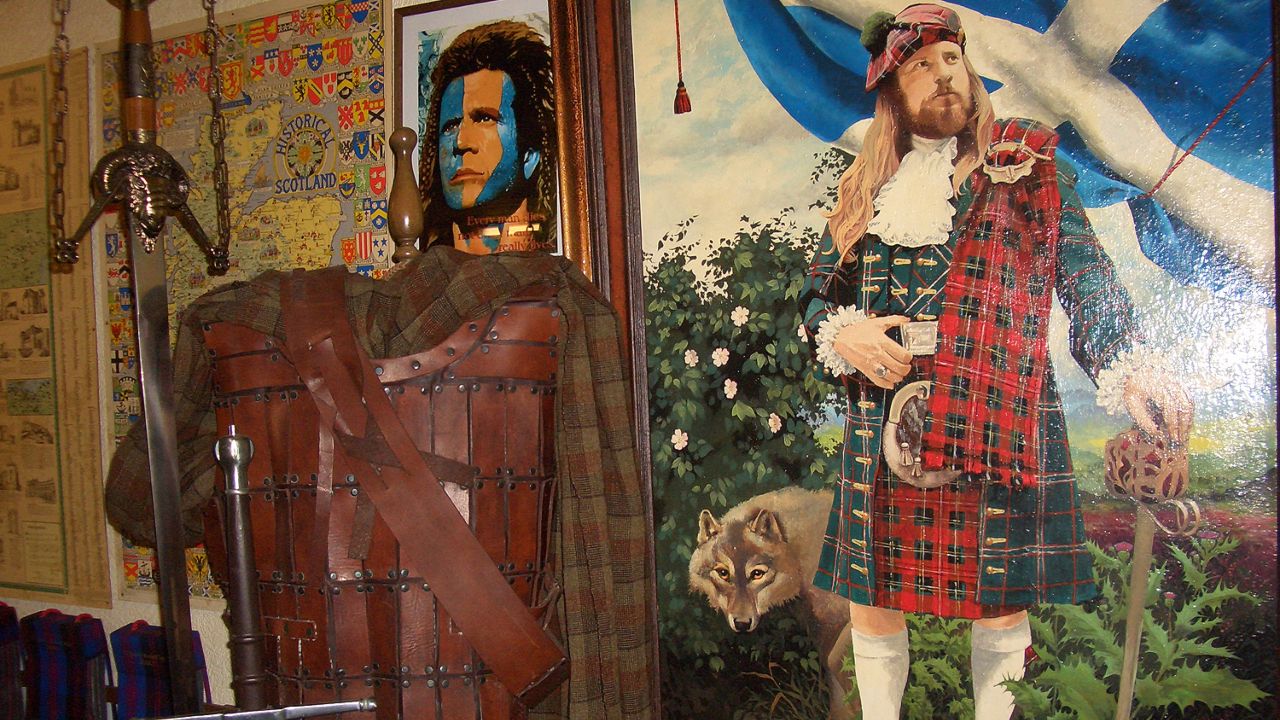
By the 19th century, Scottish lace cuffs became a hallmark of formal and Highland dress. They adorned the wrists of both men and women, adding grace to tweed jackets, velvet coats, and even the tartan ensembles worn at festive gatherings.
For women, lace cuffs symbolized refinement, the perfect contrast to the sturdy fabrics of everyday life. For men, especially in aristocratic circles, they represented elegance and a deep respect for handcrafted detail.
In portraits from the Victorian era, it’s common to see gentle folds of lace peeking from sleeves, subtle yet powerful statements of identity and pride.
Craftsmanship Rooted in Patience
Lace cuffs were not mass-produced; they were labors of love. Traditional Scottish lace was crafted using techniques like bobbin lace and needle lace. These required hours of focused work, with artisans counting threads by hand to maintain symmetry.
What made Scottish lace special was its combination of utility and art. It wasn’t overly ornamental; it was designed to last, to be washed, mended, and worn again. This durability reflected the very essence of Scottish living: beauty built on practicality.
Some modern designers, inspired by the preservation of heritage crafts, now blend traditional lace motifs with contemporary materials. This revival echoes the way tartan was reimagined through centuries as explored in How Long Has the Tartan Print Been Around?.
Lace Cuffs and Highland Identity
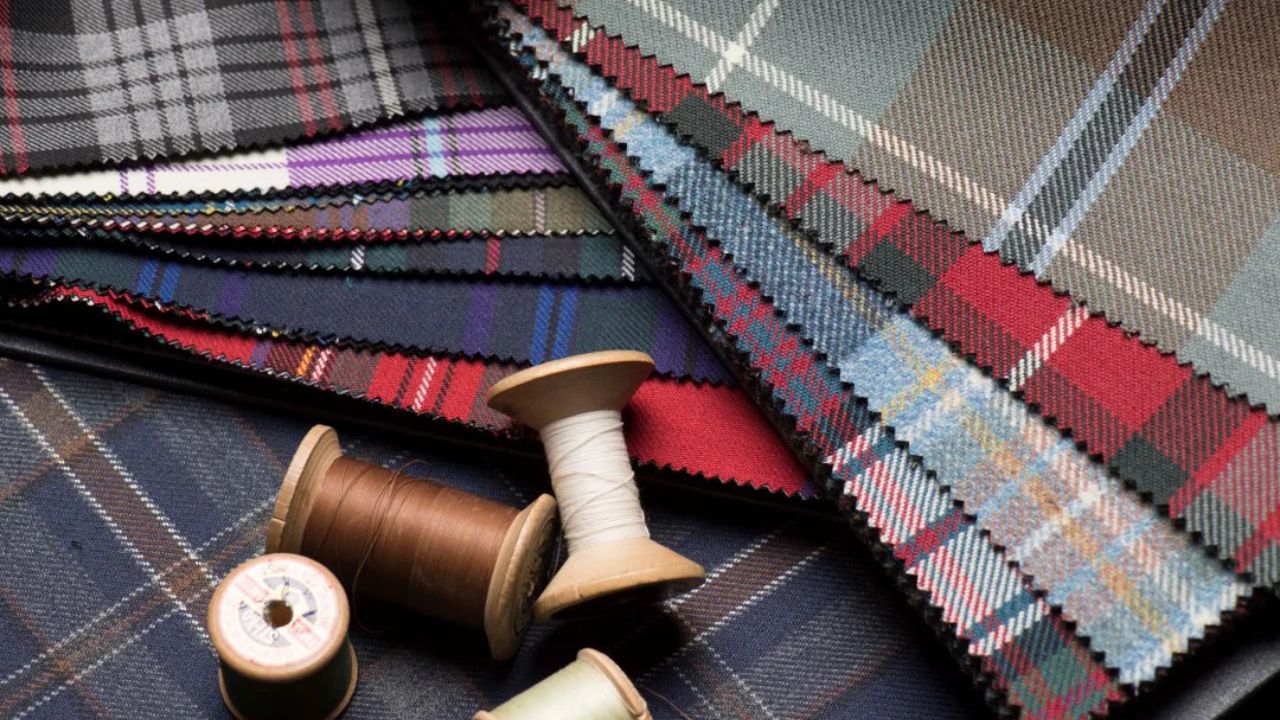
Lace cuffs became part of Highland ceremonial wear, often seen in dances, banquets, and weddings. In some cases, lace detailing was matched with family tartans or clan colors, merging individuality with collective heritage.
This interplay of soft lace and structured tartan represents Scotland’s dual identity, fierce yet graceful, rugged yet refined. The same contrast is found in other traditional attire like the Tam O’Shanter Hat or intricately pleated kilts that symbolize centuries of cultural resilience.
The Revival of Scottish Lace in Modern Fashion
Today, lace cuffs are enjoying a renaissance. Scottish fashion houses and independent artisans are reintroducing lace details into modern attire, from bridal collections to tailored jackets and capes.
Tourists visiting regions like the Isle of Mull or Loch Lomond often discover local craft shops selling lace-inspired accessories, bridging traditional art with global appeal. These contemporary interpretations remind us that heritage is not static. It evolves, just as Scotland’s fashion story continues to do.
For those curious about the broader journey of Scottish dress, our piece on Scottish Tartan Shawls: A Timeless Blend of Heritage and Elegance explores how tradition meets modern design.
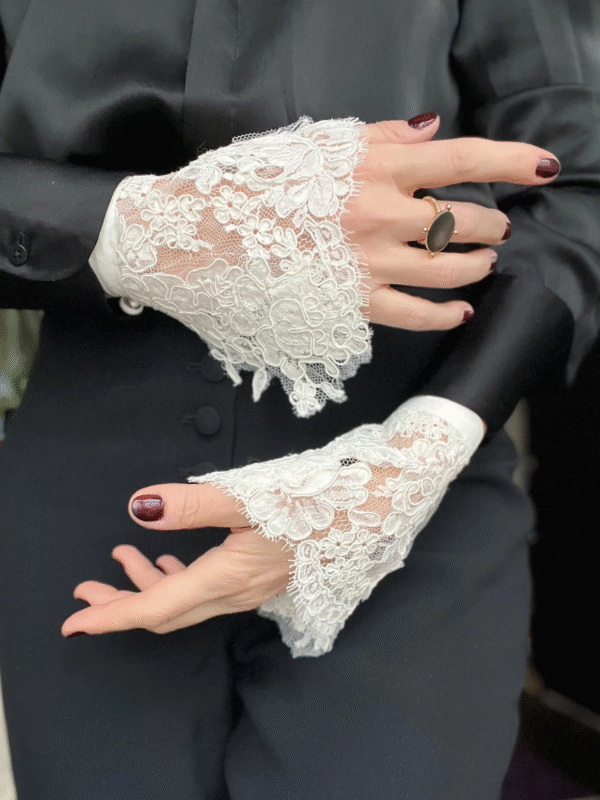
Conclusion: A Thread That Never Breaks
Scottish lace cuffs might seem like small details, but they hold a large place in the nation’s cultural tapestry. They are reminders that elegance doesn’t always shout — sometimes, it whispers through the delicate loops of thread, crafted by generations who believed in beauty that endures.
Whether admired in museums, worn at Highland gatherings, or reimagined by today’s designers, these cuffs remain timeless. In every sense, they are Scotland — intricate, enduring, and gracefully proud.