
Selkirk Bannock: Scotland’s Fruity Bread with a Story
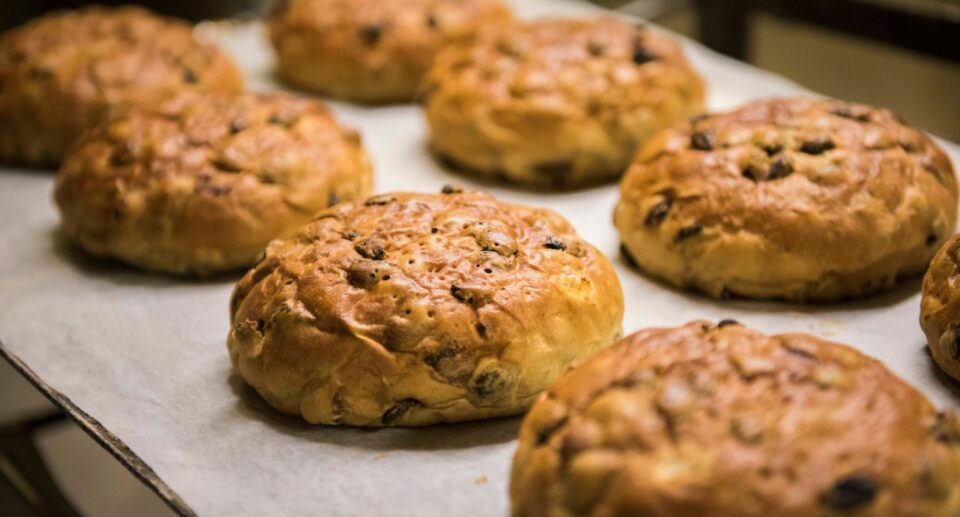
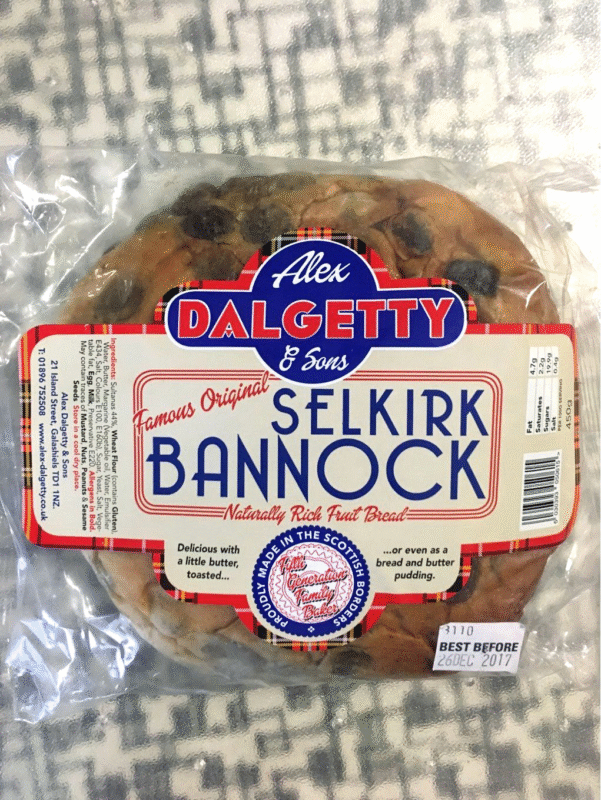
Few foods are as deeply woven into Scotland’s cultural fabric as the Selkirk Bannock. More than just bread, this rich, fruit-filled loaf is a symbol of Scottish heritage, hospitality, and resilience. Originating in the Borders town of Selkirk, the bannock became famous for its golden crust, buttery crumb, and abundance of sultanas.
Where other bannocks were often plain or oat-based, Selkirk Bannock stood out as a luxurious treat. A bread reserved for gatherings, celebrations, and the tables of those who wished to honour guests with the very best.
A Brief History of Selkirk Bannock
The Selkirk Bannock rose to fame in the 19th century, thanks to a baker named Robert Douglas. His recipe transformed the humble bannock into a buttery yeast bread, rich with dried fruit.
One famous admirer was Queen Victoria, who first tasted it while staying at nearby Abbotsford House, the home of Sir Walter Scott. From that moment, the bannock’s reputation spread far beyond Selkirk, securing its place as one of Scotland’s most iconic bakes.
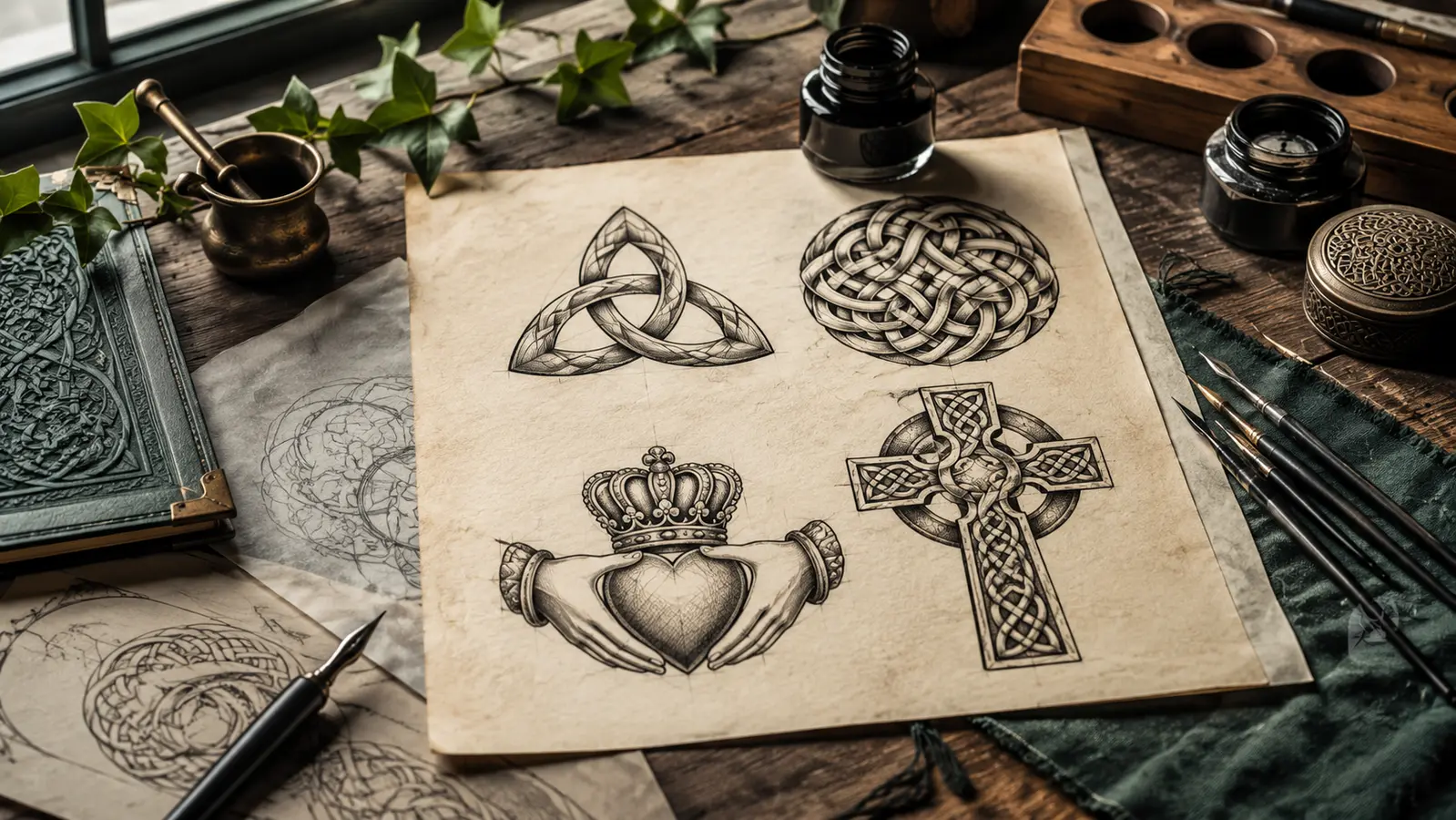
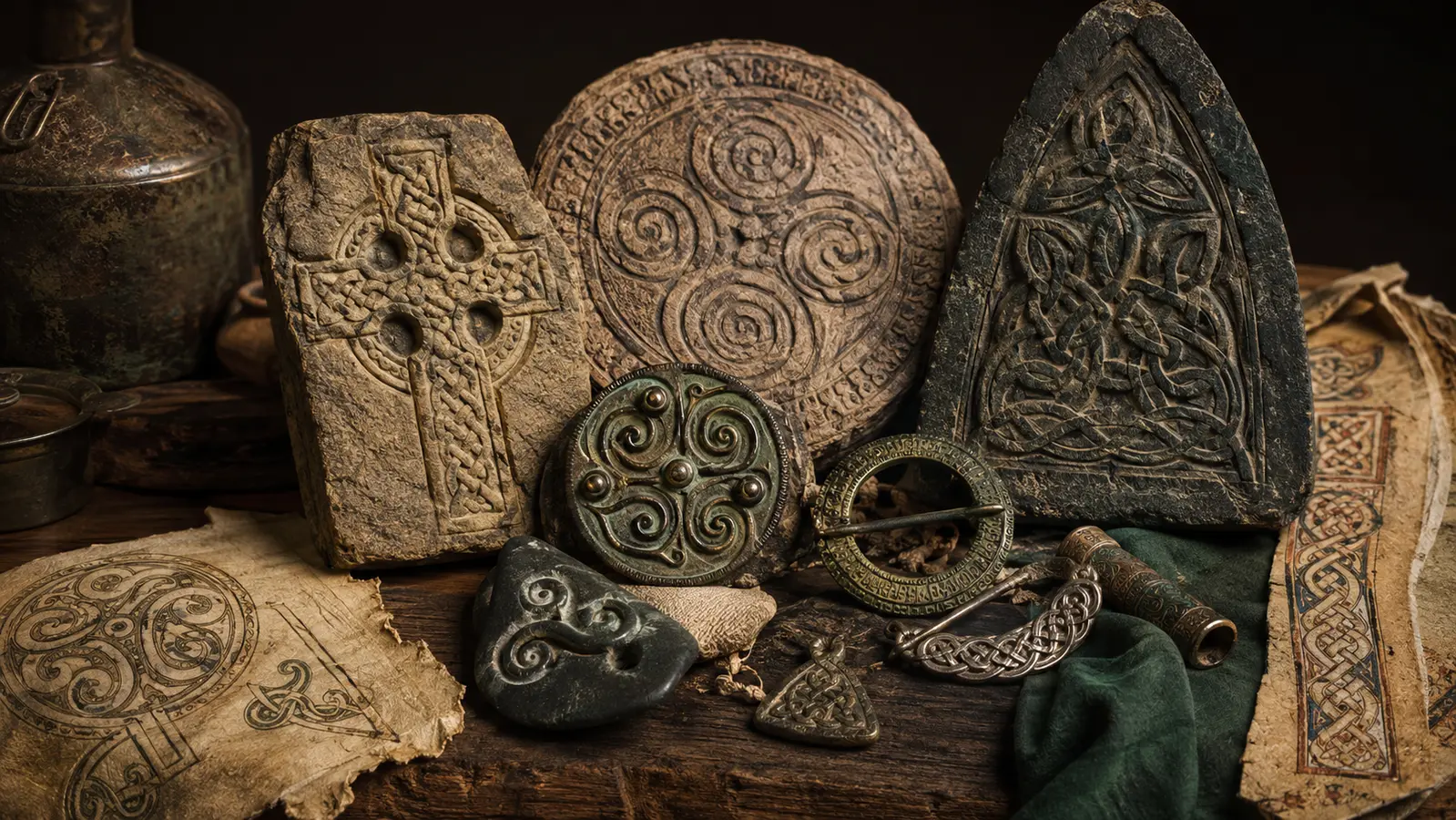
Much like the Celtic stone carvings that preserve stories in stone, the Selkirk Bannock carries Scotland’s traditions in flour and fruit.
Ingredients that Make it Unique
What distinguishes the Selkirk Bannock from other Scottish breads?
- Butter-rich dough – giving softness and flavour.
- A generous helping of sultanas – sometimes more fruit than dough.
- Golden crust – baked to perfection, often enjoyed warm with butter.
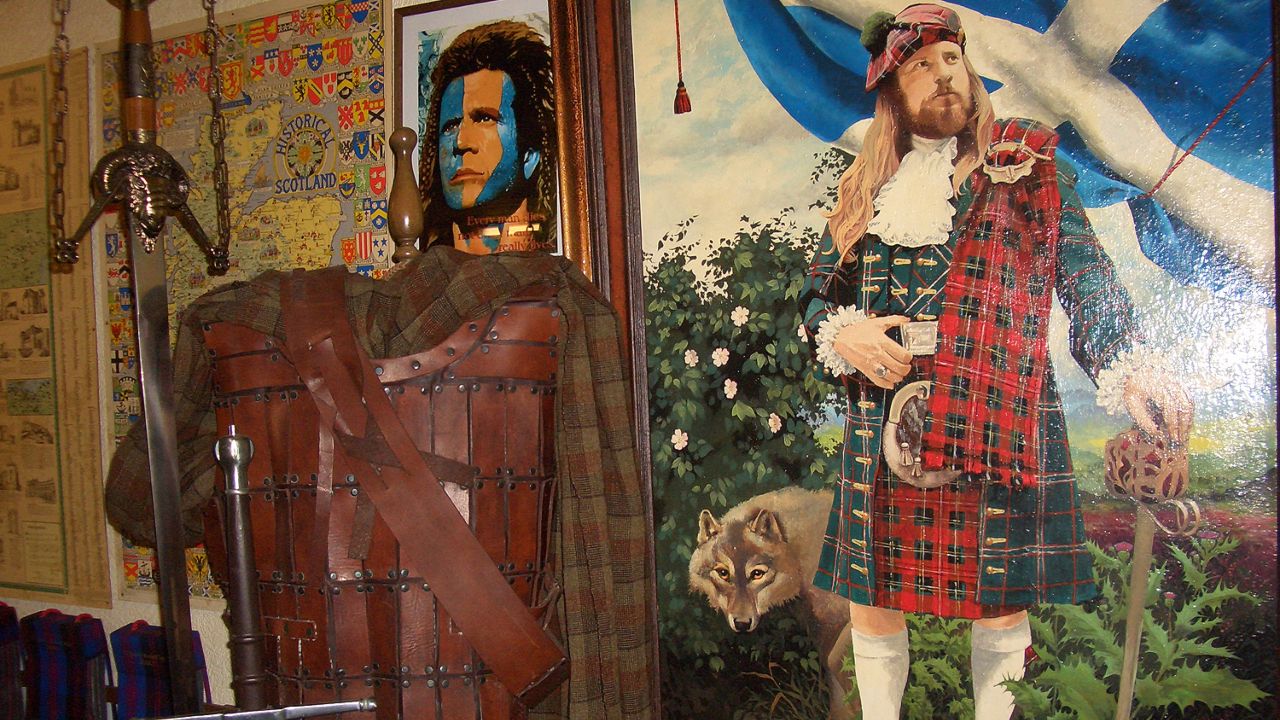
It reflects the same Scottish love for simple ingredients elevated into something extraordinary—like the artistry seen in Scottish tartan.
Cultural Significance
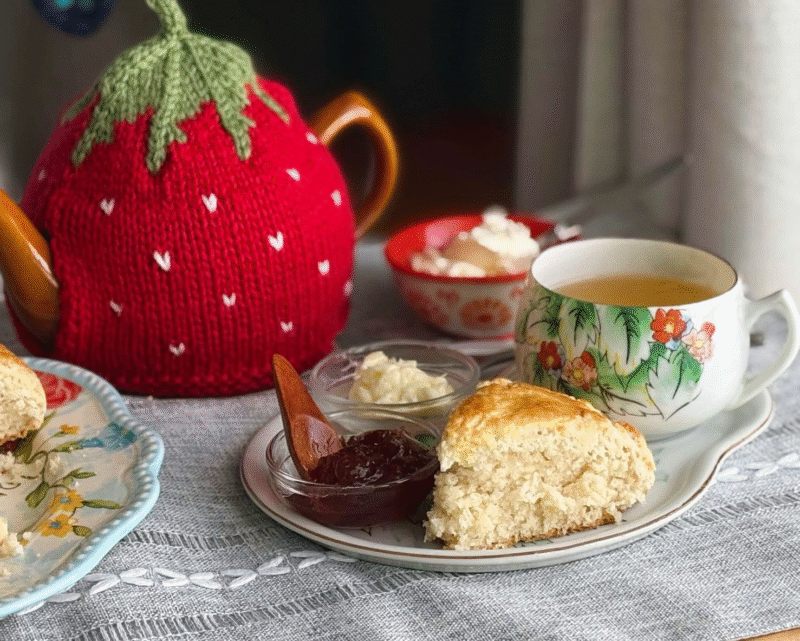
The Selkirk Bannock is more than food, it’s a cultural marker. Families traditionally served it at weddings, New Year celebrations, and christenings. Sharing a slice was an act of kinship, much like exchanging a Claddagh ring as a token of love and loyalty.
To this day, visitors to Selkirk can still find bakeries producing authentic bannocks, carrying forward a tradition that binds past to present.
Selkirk Bannock in the Wider Celtic Context
Just as Irish storytelling traditions and Celtic music keep culture alive through words and sound, the Selkirk Bannock does so through taste. Food, after all, is one of the most enduring forms of heritage.
It reminds us that Scottish identity is not only seen in kilts or heard in Gaelic songs, but also baked, shared, and savoured.
Conclusion
The Selkirk Bannock is more than a regional specialty, it is a living piece of Scotland’s culinary heritage. Its richness reflects not only the ingredients but the cultural weight it carries: a loaf steeped in memory, history, and identity.
For those who seek to understand Scotland, tasting Selkirk Bannock is as essential as exploring its landscapes or learning about its Highland traditions. It is heritage, served warm.