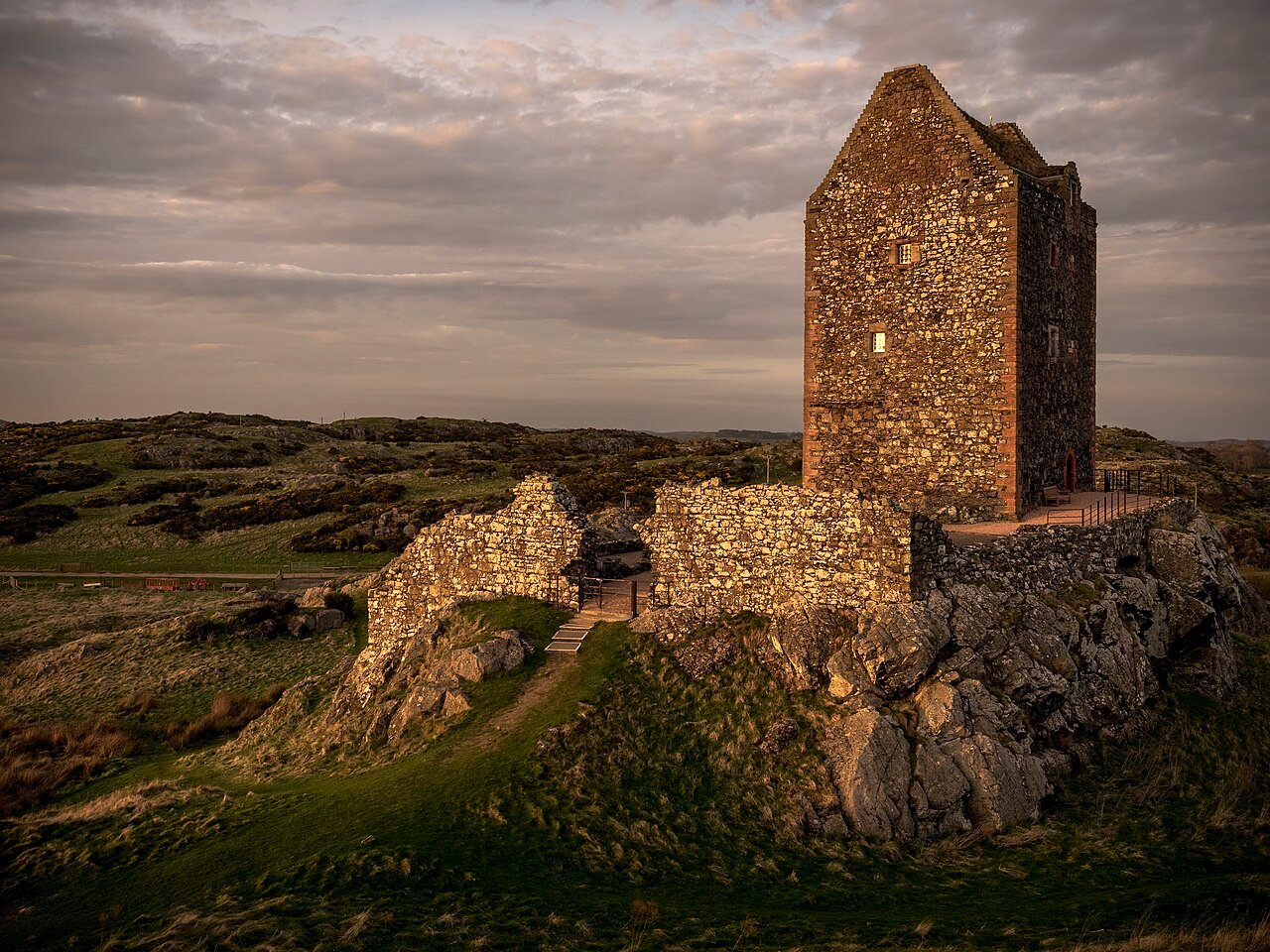
The Heart of the Highlands: Peat and its Place in Scottish Life
For centuries, peat was not simply fuel in Scotland, it was survival. Cut from the boglands of the Highlands and islands, peat provided warmth in long winters, cooked family meals, and created that unforgettable hearthside aroma many still associate with Scottish cottages.
While industrial fuels have largely replaced peat today, the traditions of peat cutting remain deeply embedded in Scottish cultural memory.
What Exactly is Peat?
Peat is partially decayed organic matter formed over thousands of years in wet, boggy landscapes. Scotland, rich in moorland and moss, became one of Europe’s centers of peat usage. For rural communities, it was the most accessible energy source, particularly in areas where coal or timber was scarce.
This close connection between people and land mirrors the way other natural resources shaped Celtic culture, much like the Celtic oak tree, revered for its strength and symbolism.
The Tradition of Peat Cutting
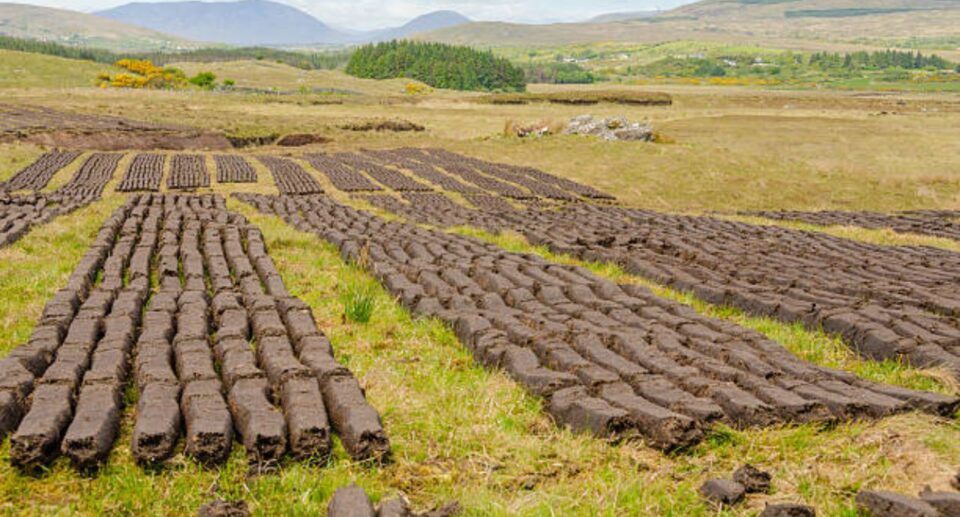
Peat cutting was not just a chore, it was a seasonal rhythm. Families would gather each spring or early summer to cut and stack the turf. Using tools like the tusker or tarasgeir, men cut rectangular blocks, while women and children spread them for drying. Once dried, the peat was stacked into neat piles resembling miniature walls or pyramids.
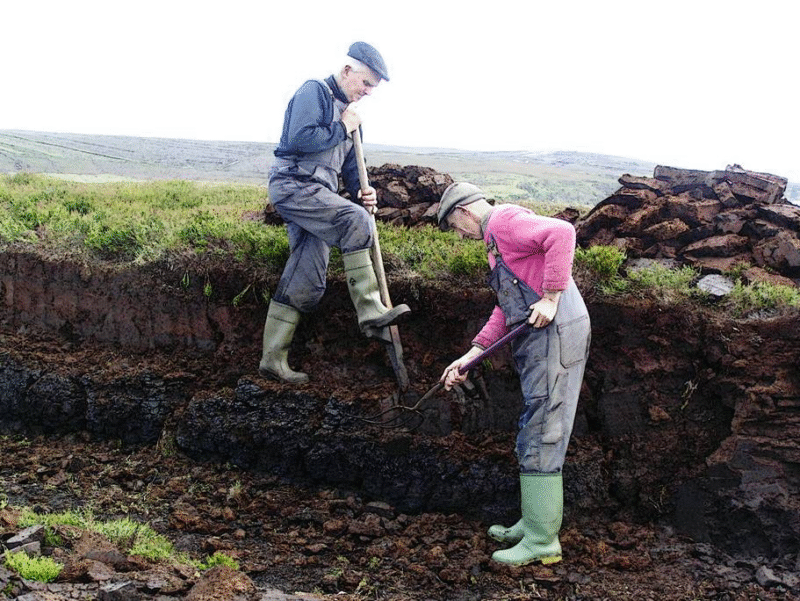
The work was laborious, yet it fostered a sense of community and continuity, much like the shared festivities of Highland Games events.
Peat and Scottish Identity
Beyond practicality, peat carried cultural weight. Fires fueled by peat were places of storytelling, echoing the oral traditions celebrated in Irish storytelling heritage. Around the hearth, tales of clans, warriors, and folklore figures were passed down, ensuring peat’s role extended into the realm of imagination.
The Environmental Debate
Today, peat cutting is far less common due to its environmental impact. Peatlands are recognized as vital carbon sinks and unique ecosystems. Scotland now works to restore bogs, balancing heritage with ecological responsibility.
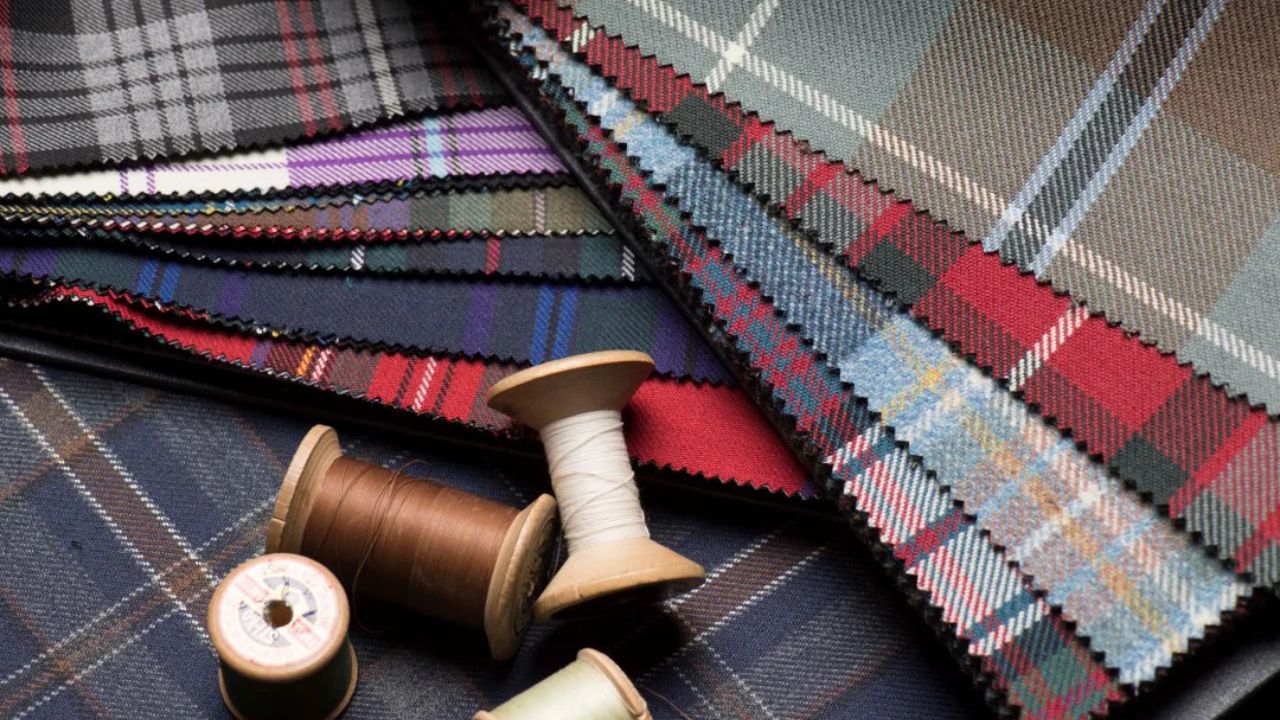
This reflects the same tension seen in preserving tradition versus modernity—whether through tartan’s evolution or in the cultural adaptation of Gaelic language and song.
Peat in Modern Scotland
Although peat fires have dwindled, traces of the tradition endure:
- In the smoky notes of Scotch whisky, famously infused with peat smoke.
- In cultural festivals that re-enact peat cutting for heritage tourism.
- In the memories of older generations who recall the warmth of peat fires in croft houses.
Conclusion
Scottish peat cutting traditions represent a deep bond between people, land, and culture. From the physical warmth of peat fires to the spiritual warmth of community stories told around them, peat shaped Highland life for centuries.
Though modern Scotland embraces ecological restoration, the memory of peat cutting endures as a reminder of resilience, resourcefulness, and heritage.
For further explorations of Scotland’s cultural past, you might enjoy our look at crofter traditions or the artistry of Celtic stone carvings.