Macbeth and Scottish History: Fact, Fiction, and Legacy
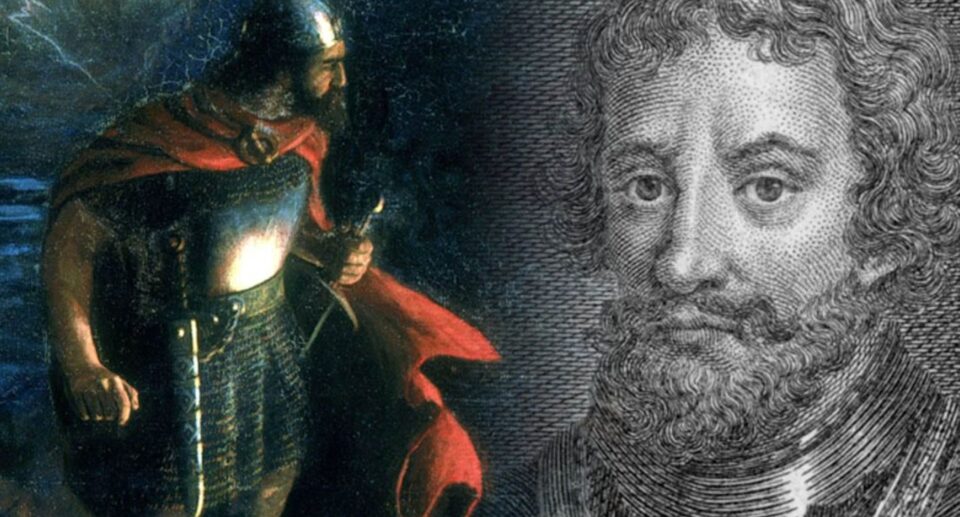
When most people hear the name Macbeth, they immediately think of Shakespeare’s dark tragedy filled with witches, daggers, and bloody ambition. Yet behind the play lies a real Scottish king whose reign was far more complex than the dramatist’s imagination suggests.
In this article, we’ll explore the historical Macbeth, separate fact from fiction, and consider why his story continues to haunt Scotland’s cultural memory.
The Real Macbeth: King of Scots
Mac Bethad mac Findlaích, better known simply as Macbeth was born around 1005 CE. He became King of Scots in 1040 after defeating King Duncan I in battle near Elgin. Unlike Shakespeare’s portrayal of him as a usurper consumed by guilt, the historical Macbeth was a capable ruler who reigned for 17 years, a surprisingly long tenure for an 11th-century monarch.
He strengthened Scotland’s ties with Europe, even making a pilgrimage to Rome in 1050. This suggests a king more concerned with stability and faith than with endless bloodshed.
Shakespeare’s Macbeth: A Play for Politics
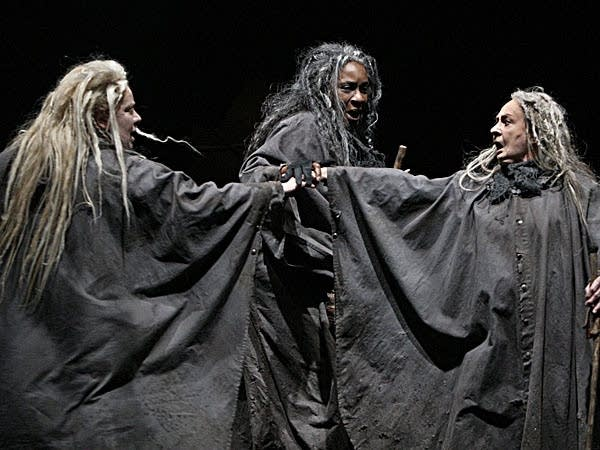
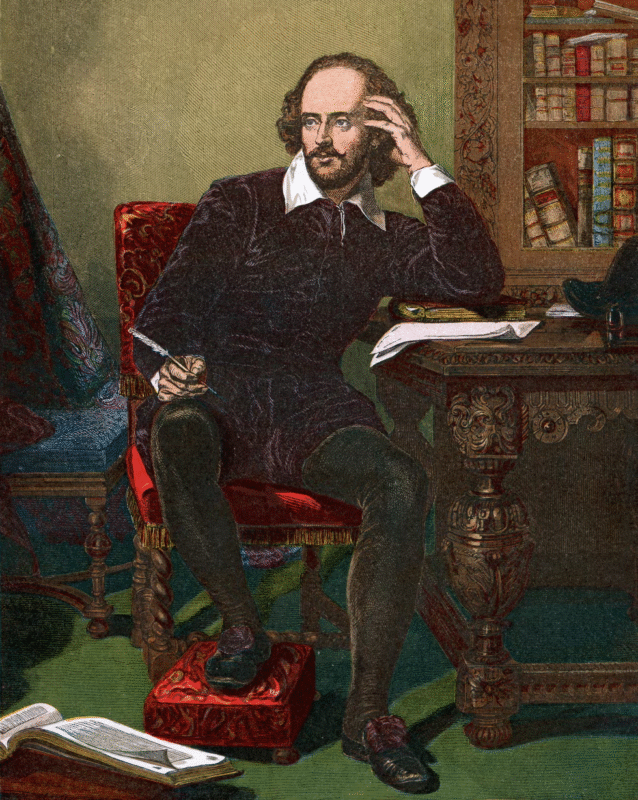
Why, then, did Shakespeare turn Macbeth into a tyrant? The answer lies in political theatre. The play was first performed around 1606, during the reign of King James VI of Scotland, who had also become James I of England.
James claimed descent from Banquo, a character Shakespeare portrays as noble and wronged by Macbeth. By demonizing Macbeth and glorifying Banquo, Shakespeare crafted a narrative that flattered the king while providing thrilling entertainment.
For readers interested in Scotland’s rich storytelling traditions, see our piece on why Irish people are natural storytellers.
Macbeth’s Scotland: Clans, Castles, and Culture
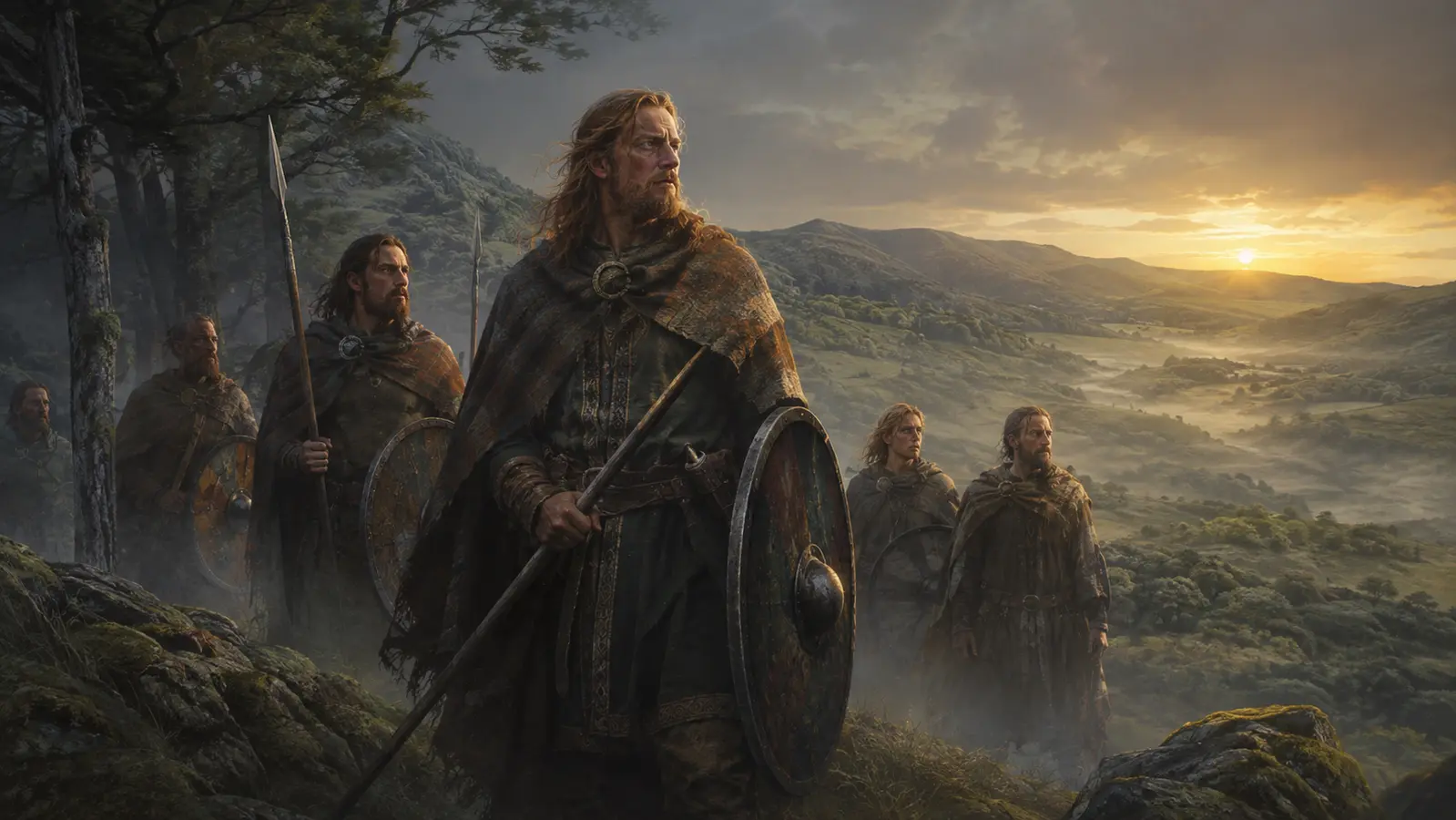
The Scotland of Macbeth’s time was a land of clan rivalries, Norse influence, and evolving kingship. Castles were wooden fortifications, Gaelic culture dominated, and Christianity was steadily expanding its influence.
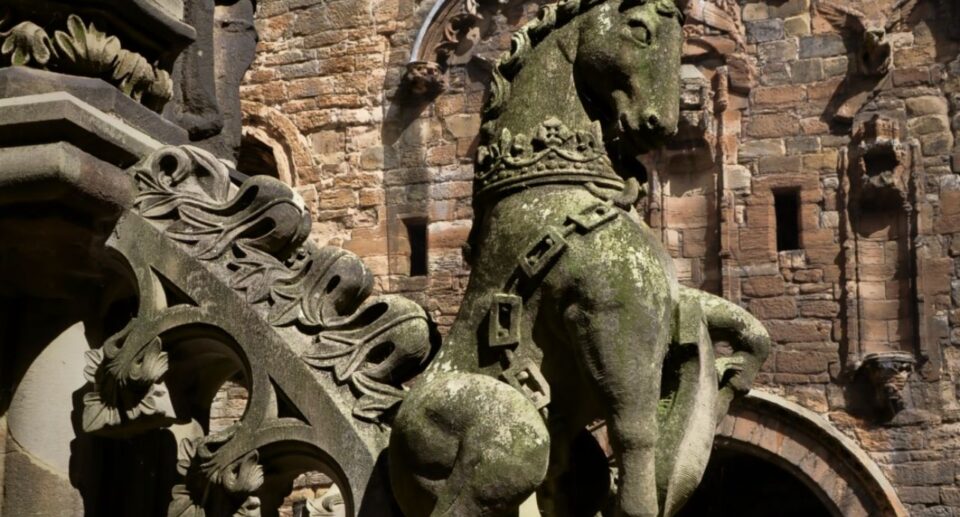
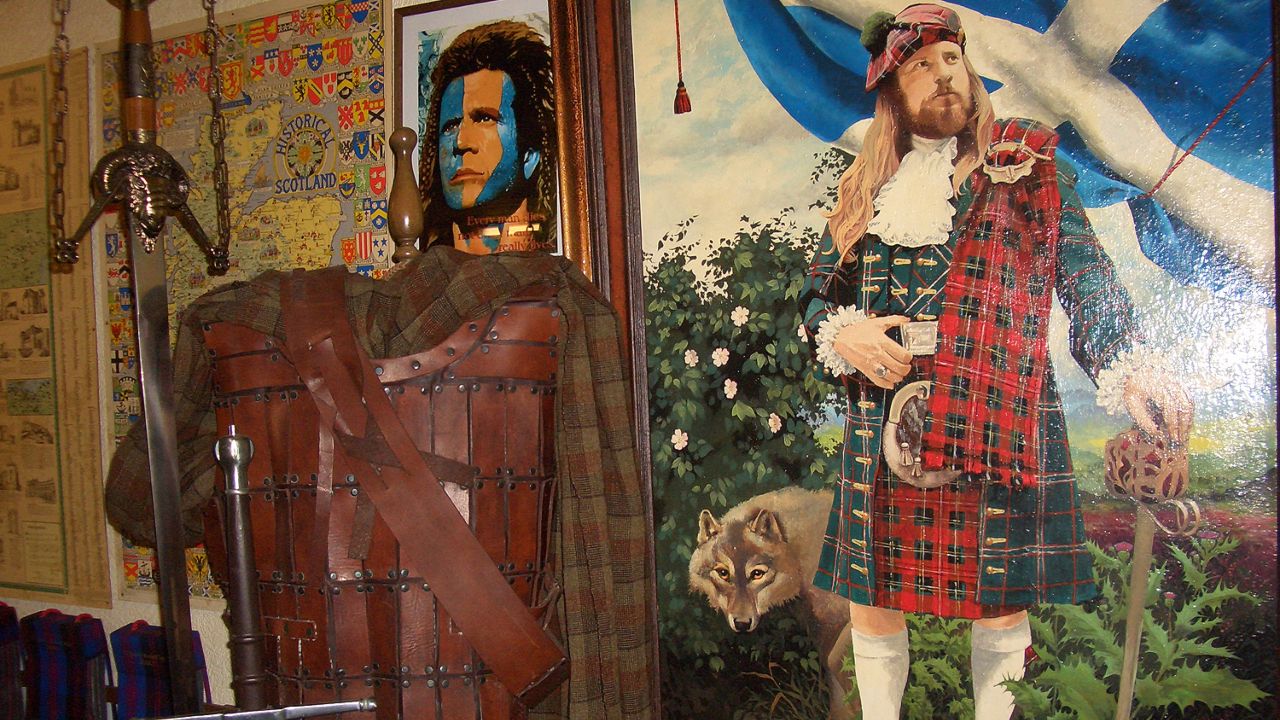
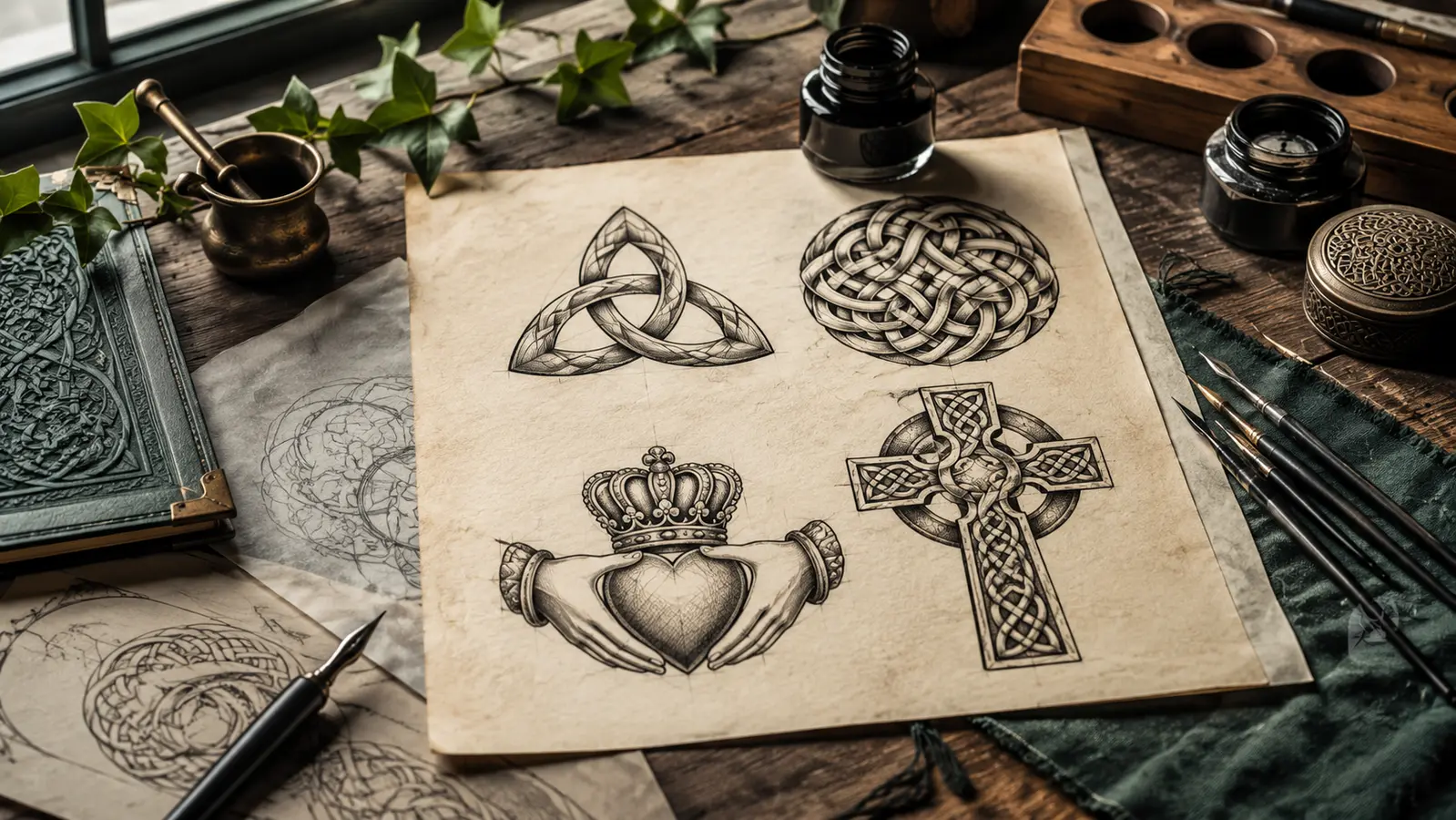
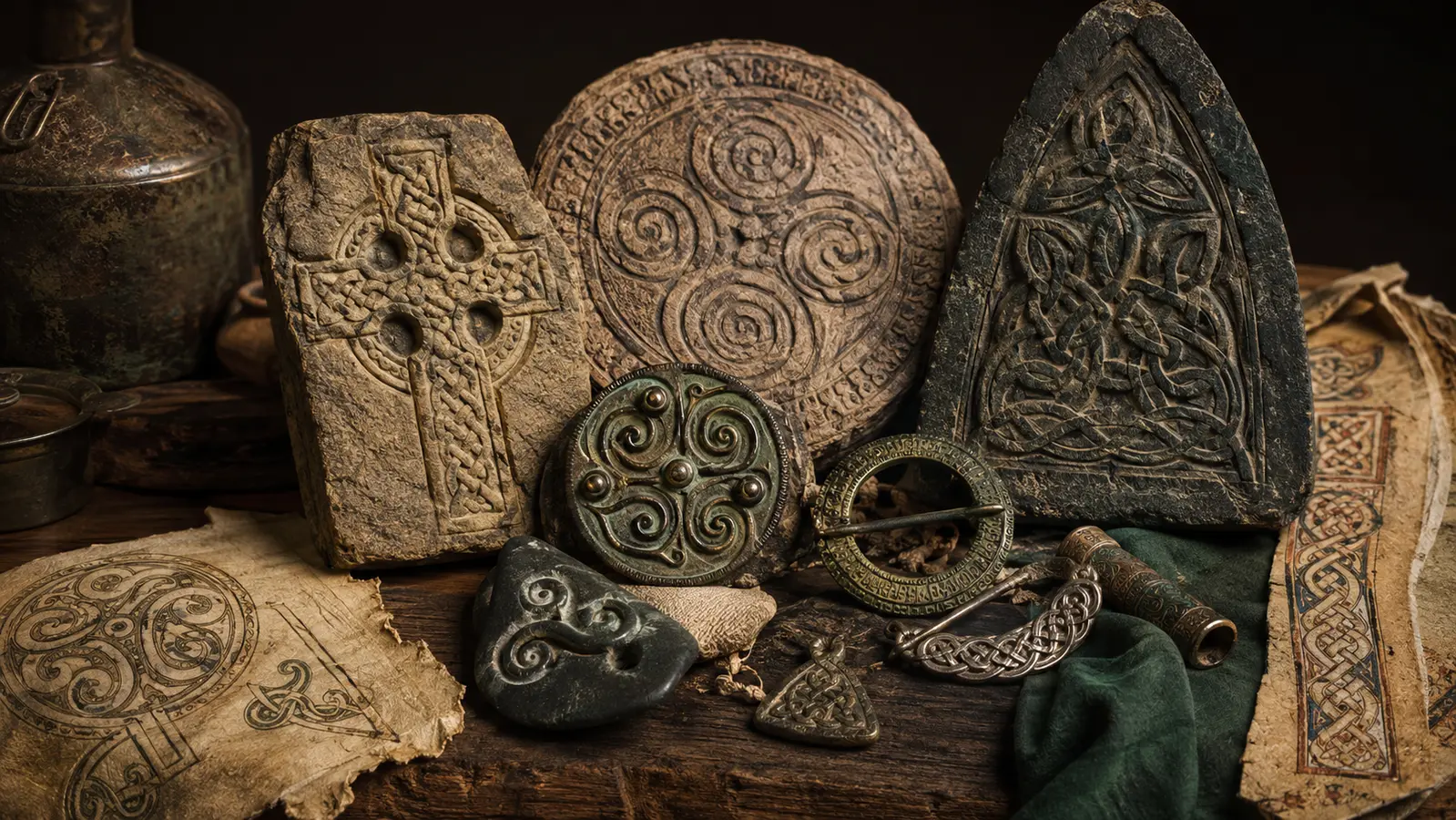
Understanding this world requires more than just reading Shakespeare, it means engaging with the material culture of medieval Scotland, such as Celtic stone carvings and the early use of tartan patterns. These cultural markers offer glimpses into the identity of the people who lived under Macbeth’s rule.

Legacy: Between Myth and Memory
Today, Macbeth exists in two forms: the historical king who ruled effectively for nearly two decades, and the literary villain who became shorthand for ambition gone wrong. This tension between myth and history is not unusual in Celtic culture, where folklore and fact often intertwine much like the tales of selkies in folklore or the legends tied to the Fairy Glen.
His story reminds us that history is not fixed. It is told, retold, and reshaped across centuries.
Conclusion
Macbeth is far more than Shakespeare’s villain. He was a Scottish king navigating the turbulence of medieval power, faith, and culture. By comparing the real history with the literary myth, we see how Scotland’s past has been shaped not just by battles and kings, but by the stories we choose to tell.
If this glimpse into Scottish history intrigues you, explore our guides on how many Scottish clans and the role of Gaelic proverbs in preserving cultural wisdom.