Ben Nevis: Scotland’s Majestic Giant
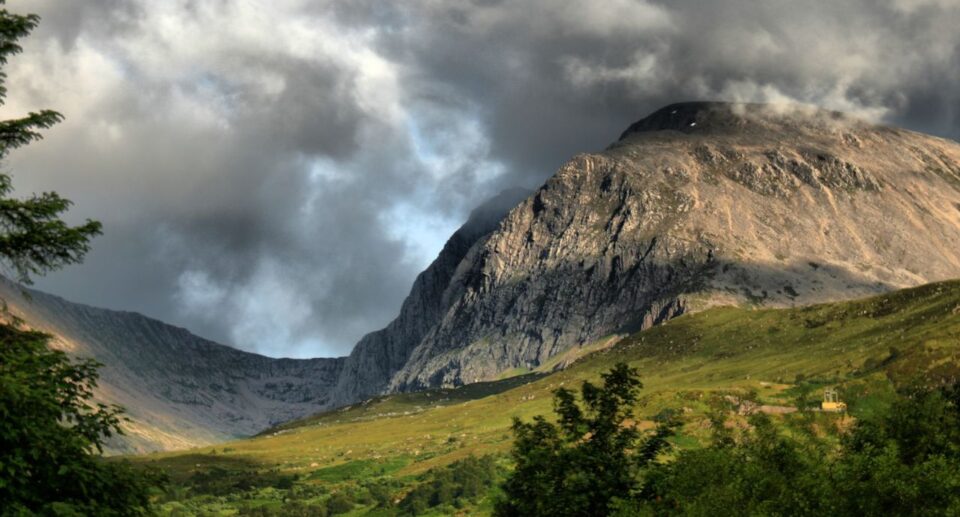
Standing at 1,345 meters (4,413 feet), Ben Nevis is not just the highest mountain in Scotland, it is a living emblem of the Scottish Highlands. Rising near the town of Fort William, this mighty peak has drawn climbers, poets, and dreamers for centuries. Its Gaelic name, Beinn Nibheis, translates to “Mountain of Heaven” or “Venomous Mountain,” capturing both its awe-inspiring beauty and its unpredictable dangers.
Like the legendary Fairy Glen, Ben Nevis connects people not only to nature but also to stories woven deep into Celtic tradition.
The Origins of Ben Nevis
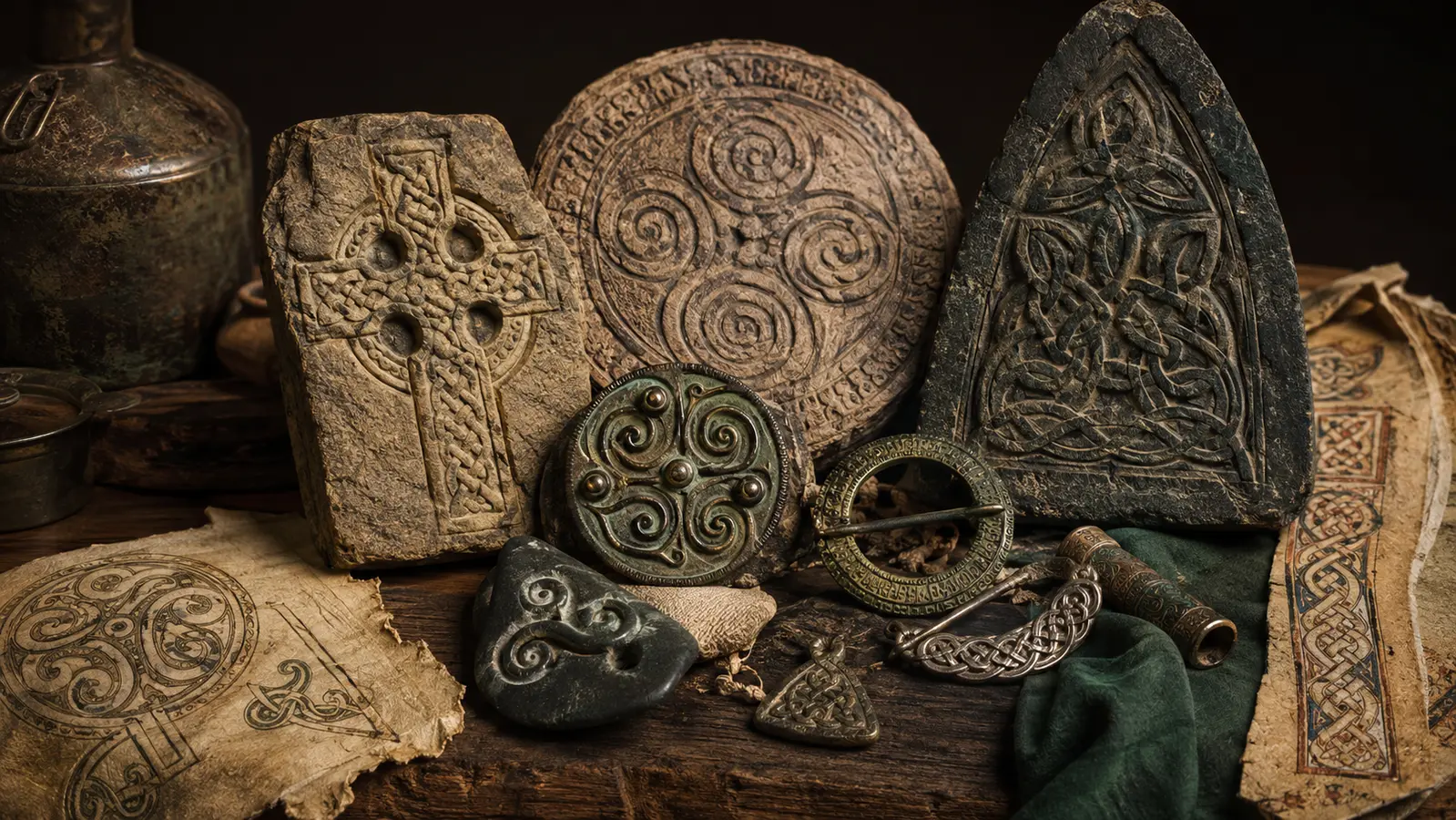
Ben Nevis was formed from an ancient collapsed volcano more than 350 million years ago. Today, its rugged cliffs and layered rocks tell a geological story of fire and ice. From summit to glen, the mountain whispers Scotland’s deep past, much like the mysterious Celtic stone carvings scattered across the Highlands.
Hiking Ben Nevis: A Rite of Passage
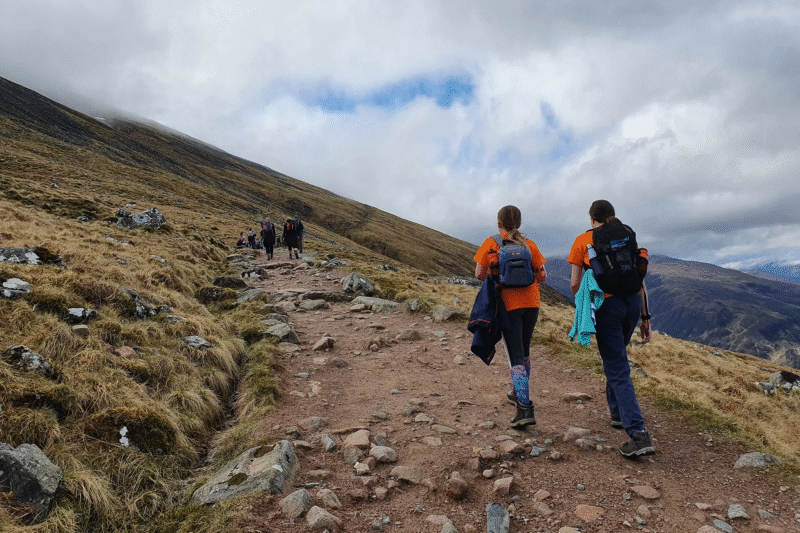
Every year, more than 150,000 people attempt to climb Ben Nevis. The most popular route, the Mountain Track, offers a challenging but rewarding hike, while seasoned mountaineers often take on the steeper Carn Mor Dearg Arete.
- Best time to climb: May to September
- Starting point: Glen Nevis Visitor Centre, near Fort William
- Time required: 7–9 hours on average
Like donning a tartan sash, hiking Ben Nevis is both practical and symbolic, an embrace of Scotland’s enduring heritage.
Folklore and Cultural Significance
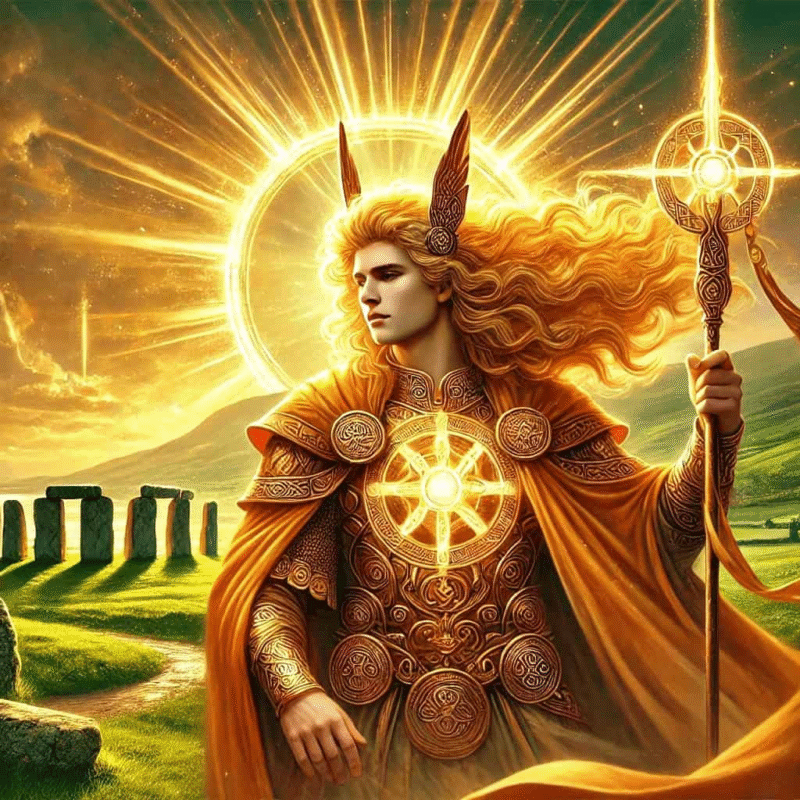
Ben Nevis is not merely a mountain; it is a cultural landmark. In Gaelic folklore, mountains were often seen as sacred places, bridging the earthly and the divine. Just as Lugh, the Celtic Sun God, was associated with strength and light, Ben Nevis embodies power and endurance.
Poets and musicians have long celebrated the mountain. The echoes of fiddle music and Highland ballads remind visitors that Ben Nevis is as much a cultural climb as a physical one.
Ben Nevis Today: A Highland Icon
Ben Nevis continues to inspire:
- For adventurers: It is a bucket-list climb.
- For scholars: It is a geological and historical treasure.
- For cultural enthusiasts: It is part of a living Celtic landscape, tied to Scottish clans and traditions that have endured for centuries.
Whether you approach it as a climber, a storyteller, or a lover of Scottish landscapes, Ben Nevis reminds us that heritage is not confined to museums—it is etched into the land itself.
Conclusion: More Than a Mountain
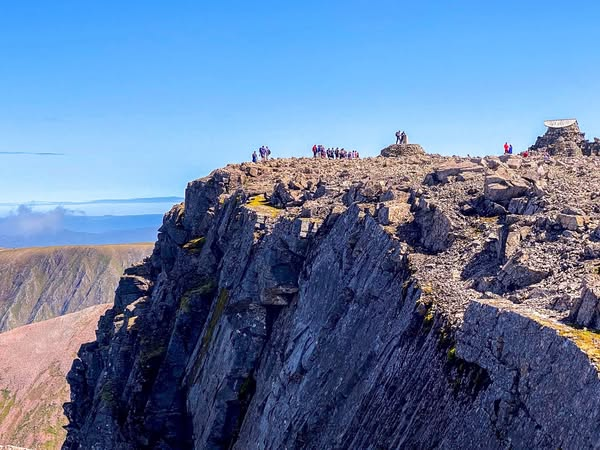
Ben Nevis is not just Scotland’s highest point. It is a stage where nature, history, and folklore converge. Like the threads of tartan, its slopes weave together geology, tradition, and modern adventure. Standing at its summit, one does not simply see Scotland; one feels it.
For more insights into Celtic traditions and landscapes, explore our CeltGuide blog.