
Gaelic Names: A Window into Celtic Identity
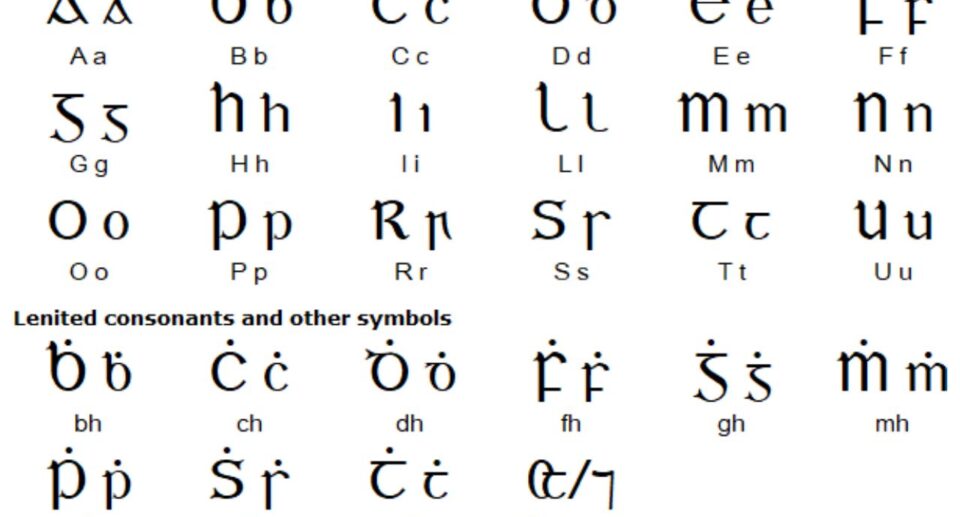
Names are more than labels, they carry echoes of ancestors, landscapes, and centuries of storytelling. Gaelic names, whether Irish or Scottish, offer not just linguistic beauty but also cultural depth. Each name connects its bearer to a heritage steeped in myth, religion, and tradition.
Like Celtic storytelling traditions, Gaelic naming practices preserve history in everyday life. When we say Aoife, Ciarán, or Màiri, we invoke stories, saints, and landscapes that continue to shape Celtic identity.
Origins of Gaelic Names
Gaelic names largely originate from Old Irish and Scottish Gaelic. These names often carry meanings linked to:
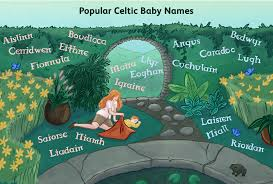
- Nature – Aisling (“dream” or “vision”), Niamh (“bright” or “radiant”).
- Virtues & Qualities – Máel Sechnaill (“devotee of St. Seachnall”), Ciarán (“little dark one”).
- Myth & Heroism – Names inspired by gods and warriors, such as Lugh (see Celtic Sun God Lugh) or Oisín, the legendary poet-warrior.
Just as the Hill of Tara anchors myth and kingship in Ireland, Gaelic names anchor individuals in cultural memory.

Irish vs. Scottish Gaelic Names
Though closely related, Irish and Scottish Gaelic names developed unique flavors:
- Irish Gaelic: Names like Siobhán (pronounced “Shiv-awn”) and Eoghan (“Owen”) emphasize poetic sound.
- Scottish Gaelic: Names such as Màiri (Mary) or Alasdair (Alexander) often reflect Christian and clan influences, as seen in Scottish clan traditions.
Both traditions highlight the intertwining of local geography, myth, and faith.
The Symbolism Behind Gaelic Names
Gaelic names are rarely random. Each contains layers of symbolism:
- Spiritual Roots: Many names honor saints or Christian devotion, echoing Scottish Gaelic Bible translations.
- Mythological Heritage: Names drawn from mythic cycles, like Deirdre of the sorrows, resonate with Celtic folklore.
- Cultural Identity: Wearing a Gaelic name is akin to wearing a tartan: it signals belonging, heritage, and pride.
Modern Revival of Gaelic Names
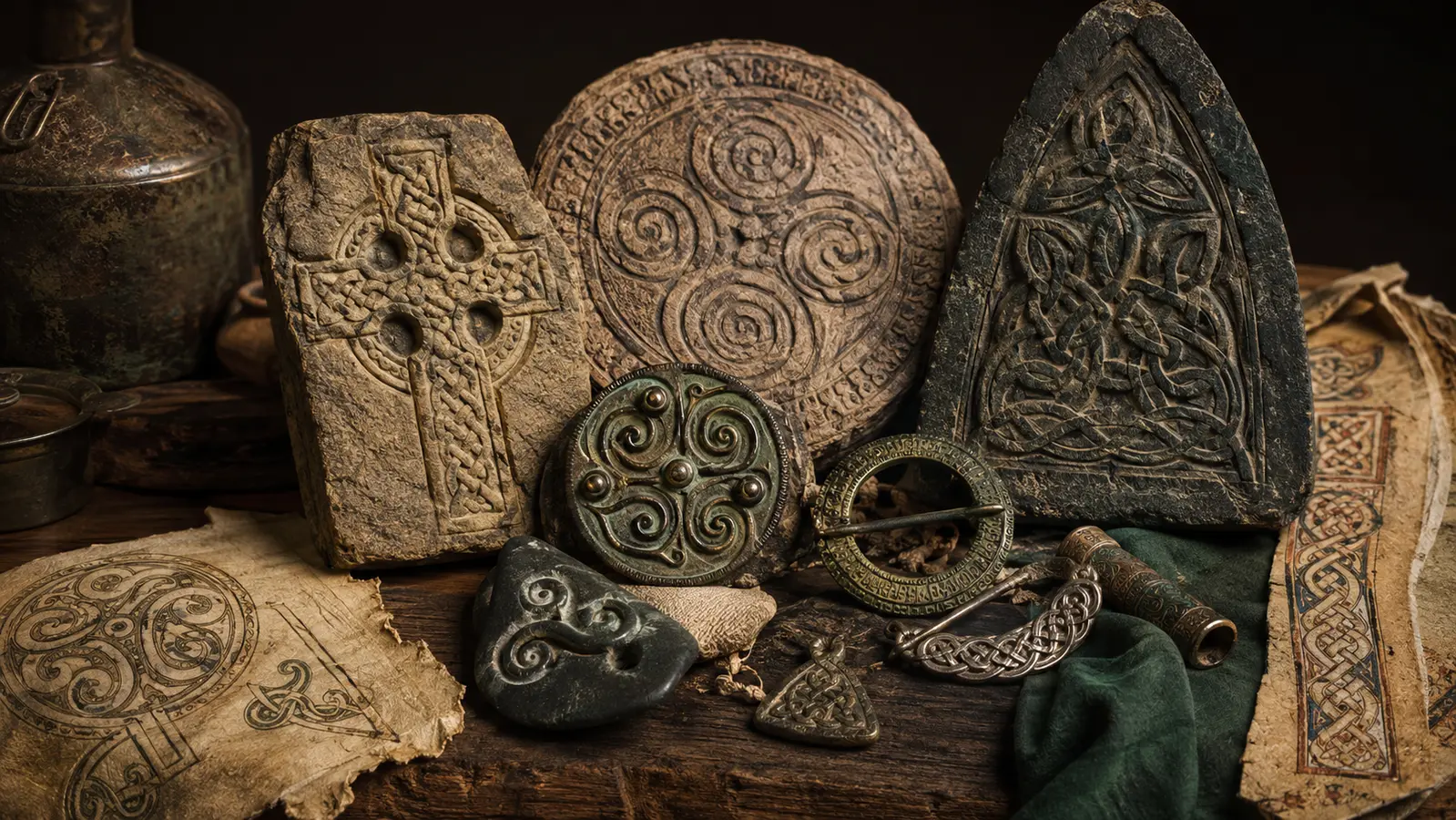
Much like the revival of Celtic stone carvings and Irish proverbs, Gaelic names have experienced a renaissance. Parents in Ireland, Scotland, and the global Celtic diaspora increasingly choose traditional names to preserve cultural identity.
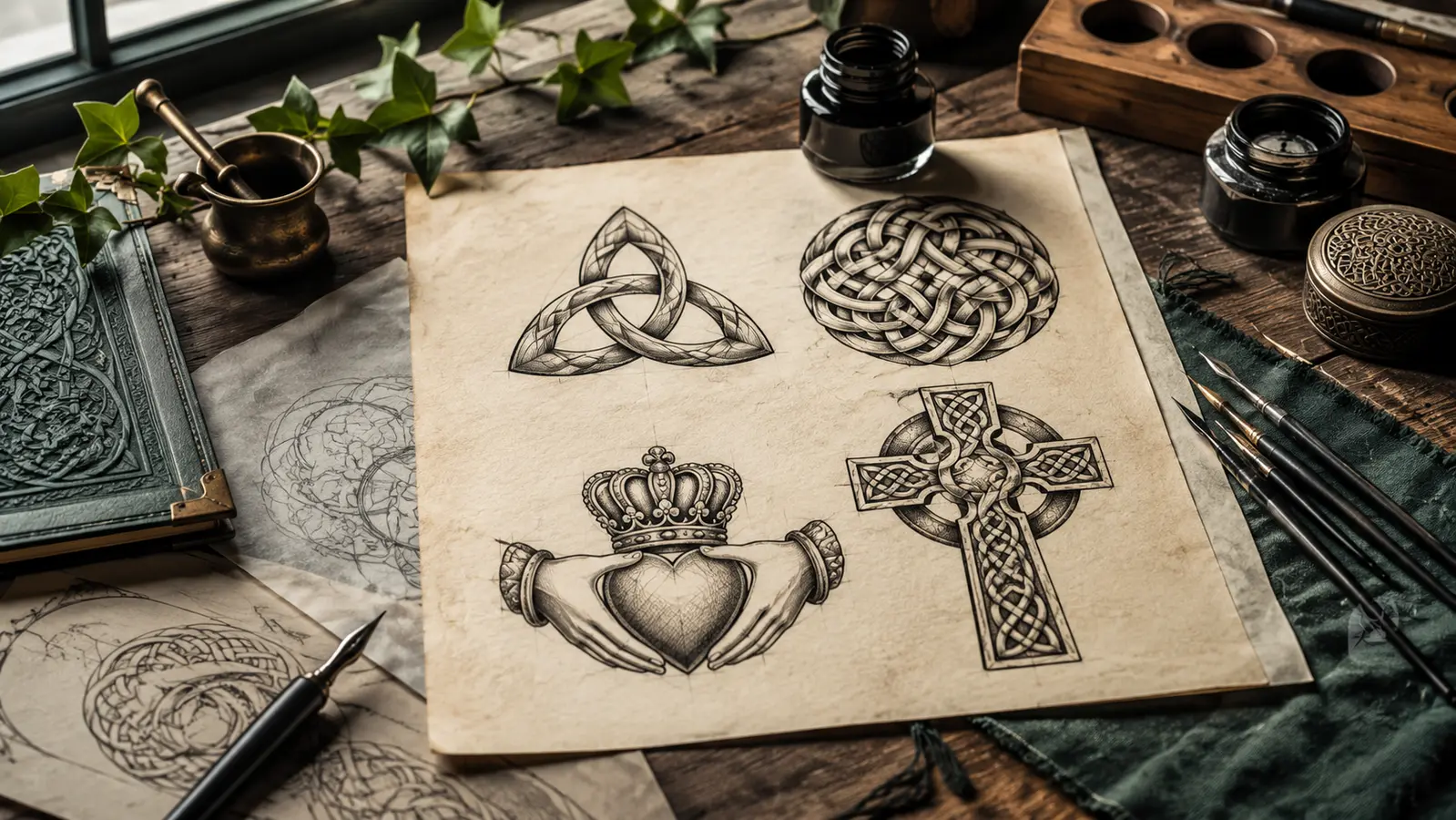
Names once considered “too difficult” are now celebrated worldwide, reinforcing the timeless allure of Gaelic culture just as Claddagh rings symbolize eternal love and loyalty.
Conclusion: A Living Legacy
Gaelic names are not relics of the past; they are living expressions of identity, history, and belonging. Whether whispered in lullabies (see Gaelic children’s lullabies) or spoken proudly at family gatherings, these names remind us that heritage is not just remembered—it is lived.
Choosing or cherishing a Gaelic name is, in itself, an act of cultural preservation.