Scottish Highland Ponies: Guardians of the Highlands

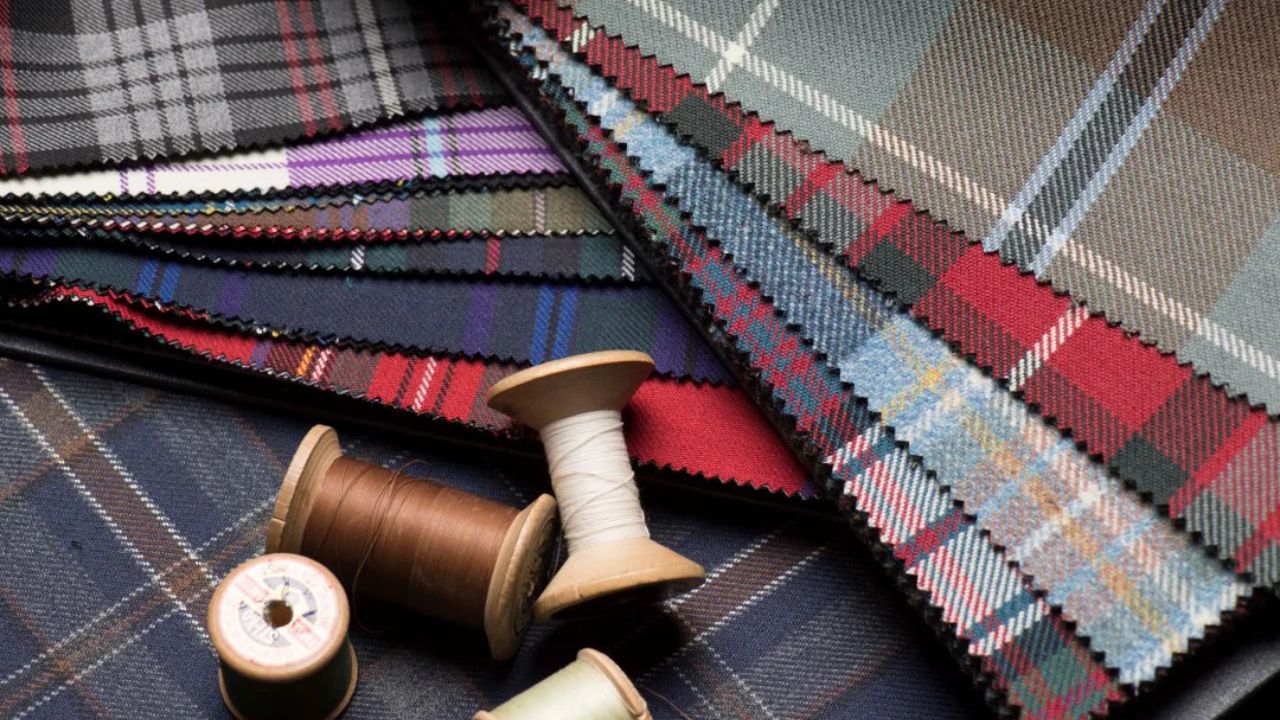
Scotland’s landscapes: rugged mountains, windswept moors, and glens, demand resilience. Few animals embody that spirit better than the Scottish Highland pony. Sturdy, intelligent, and deeply tied to Highland heritage, these ponies are more than working animals. They are living emblems of Scotland’s history and identity, standing alongside tartan (learn about tartan) and Gaelic traditions as cultural icons.
Origins and Heritage of Highland Ponies
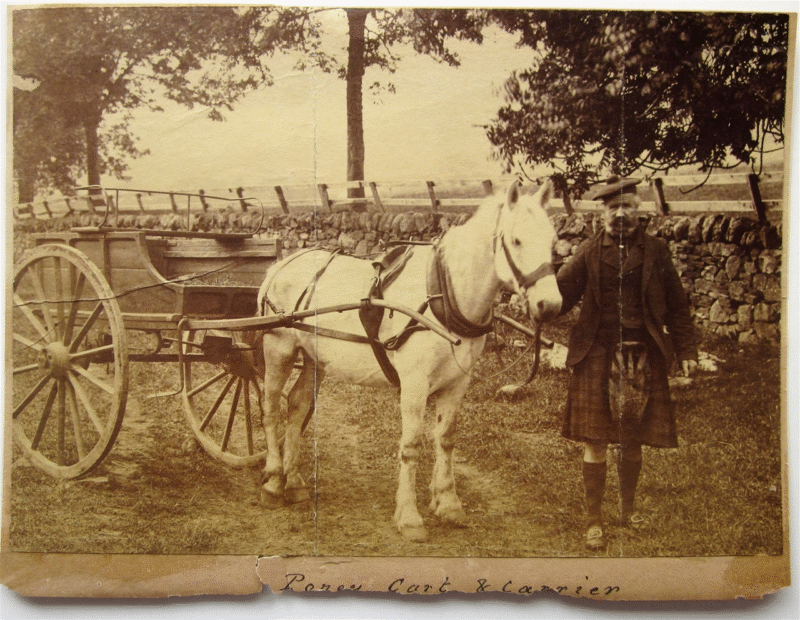
The Highland pony is one of the oldest native horse breeds in the world, with roots stretching back to the Pleistocene. Over centuries, they adapted to Scotland’s climate, developing hardy coats, sure-footedness, and stamina.
Traditionally, they were used for:
- Carrying peat, timber, and farm goods
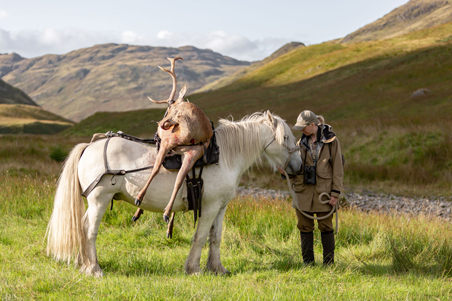
- Transporting deer and game from Highland hunts
- Serving as reliable mounts for crofters (explore crofters’ lives here)
Much like the Celtic oak tree symbolized endurance (read more), these ponies became guardians of survival in Scotland’s high and lowlands.
Characteristics: Built for the Highlands
Highland ponies are instantly recognizable by their compact build and gentle temperament. Their double coats—long guard hairs with a soft insulating underlayer—help them withstand the chill of Highland winters.
Key traits include:
- Height: 13–14.2 hands
- Strength: Capable of carrying heavy loads relative to size
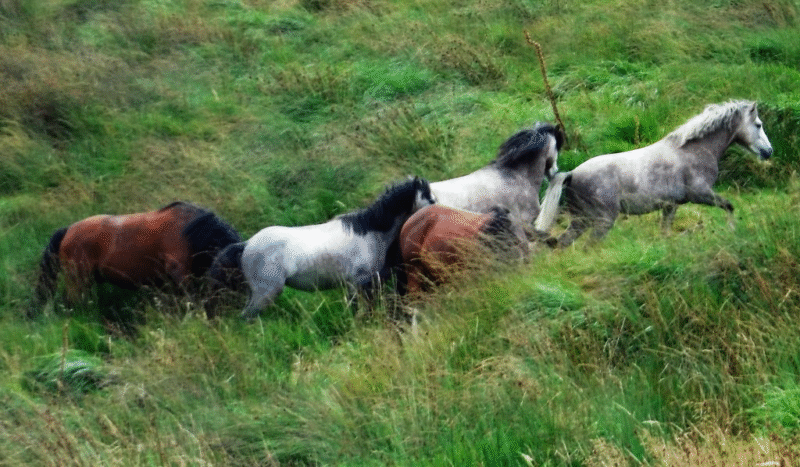
- Colours: Duns, bays, chestnuts, greys, often with primitive markings like dorsal stripes
- Temperament: Calm, intelligent, and dependable
Their resilience mirrors Scotland’s wider cultural endurance, evident in traditions from Scottish clans to Highland Games.
Role in Highland Life
For centuries, Highland ponies were indispensable to daily life. Crofters relied on them for ploughing and transport, while sporting estates prized them for their ability to navigate rugged terrain.
Even today, they remain a feature of deer-stalking expeditions, carrying game across landscapes where vehicles cannot tread. Their presence connects modern Scotland to its agrarian and hunting past—much as Gaelic proverbs carry wisdom across generations.
Symbolism and Cultural Identity
The Highland pony is more than a working breed. It embodies Highland resilience, humility, and balance with nature. Just as the legendary Fairy Glen sparks imagination, Highland ponies symbolize the living bond between landscape and culture.
Their steady presence in Scottish life has also paralleled the rise of tartan and kilt traditions (see kilts in culture), anchoring identity in both work and heritage.
Conservation and Modern Role
Today, Highland ponies are classified as a rare native breed. Organizations and breeders across Scotland work to preserve their numbers and maintain their genetic diversity.
Modern roles include:
- Riding and trekking for visitors exploring places like Isle of Mull
- Forestry and conservation work, where machinery cannot go
- Show and heritage events celebrating Scotland’s culture
Their survival story reflects Scotland’s commitment to keeping traditions alive, much like the preservation of Scottish tartan shawls.
Conclusion: Living Symbols of the Highlands
Scottish Highland ponies remain living testaments to Scotland’s rugged beauty and enduring traditions. They are not just horses of the past but companions of the present—bridging ancient crofting life with modern conservation.
Like Celtic stone carvings etched in rock, they tell a story of resilience, heritage, and belonging that continues to inspire today.
For more on Scotland’s landscapes, traditions, and cultural icons, explore our Celtguide travel and tradition category.