The Clan System: Heartbeat of Celtic Society
Introduction: More Than Family Ties
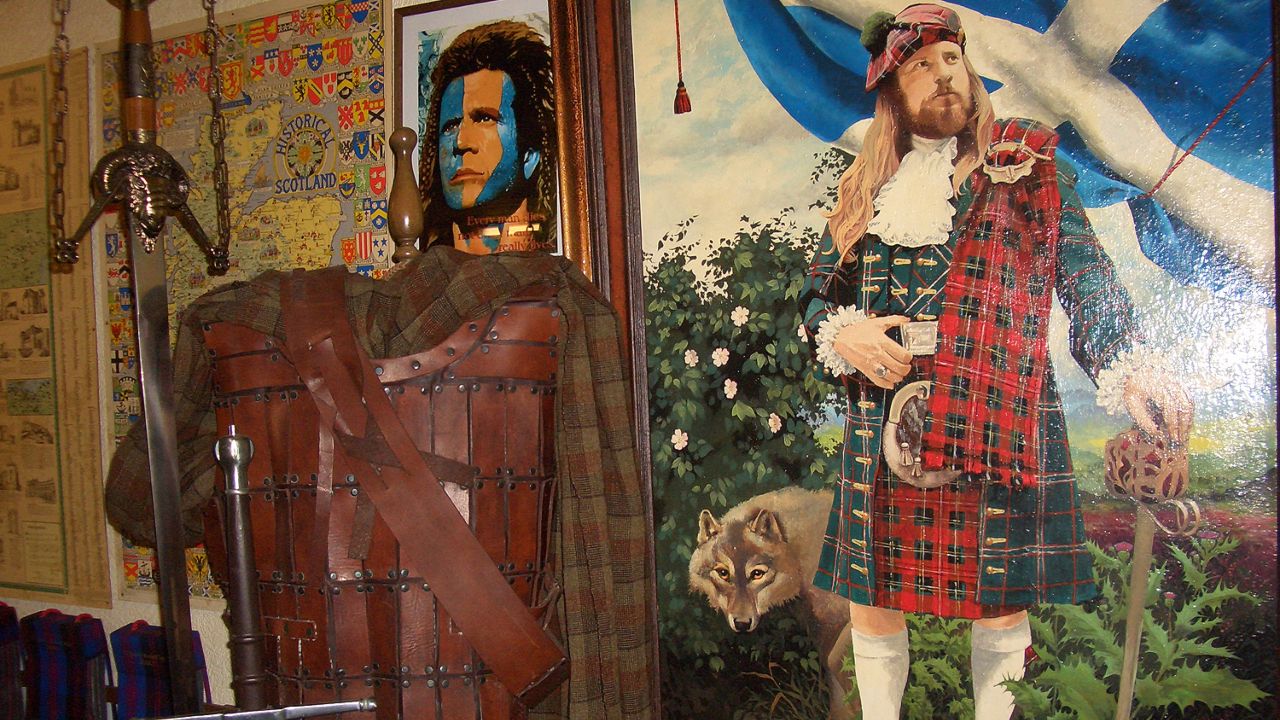
When we hear the word clan, images of tartan, Highland gatherings, or even scenes from films like Braveheart come to mind. But the clan system was not just about kinship, it was a deeply woven structure of identity, loyalty, and survival. Much like Irish storytelling traditions, clans were vessels of memory, carrying history through generations.
What Was the Clan System?
The word clan derives from the Gaelic clann, meaning “children” or “family.” In Celtic societies, a clan was more than a bloodline; it was a social, political, and cultural community. Clans included extended families, allies, and even fostered kin.
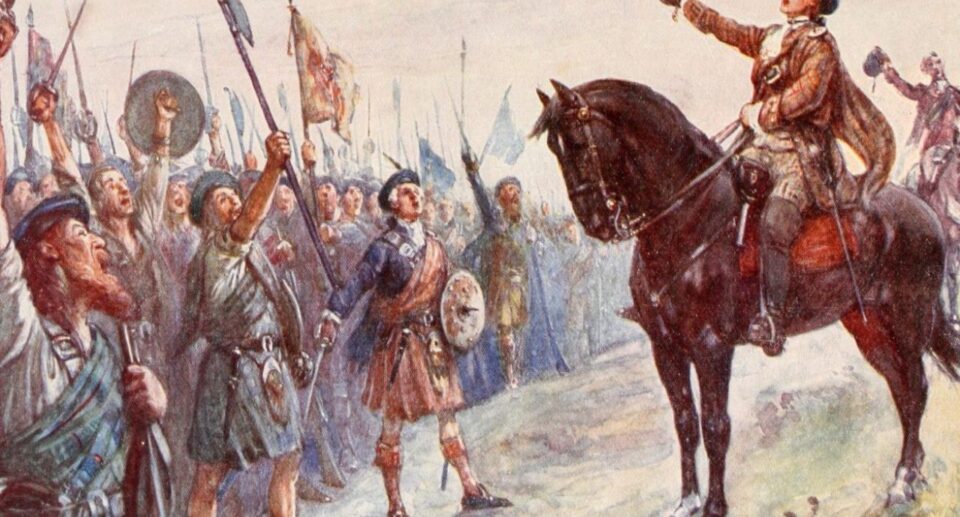
In Scotland, each clan was tied to a territory, a chief, and symbols of shared heritage, like tartan patterns. In Ireland, clans were known as septs, often ruling over regions and maintaining oral histories passed down through bards and Gaelic proverbs.

The Role of Chiefs and Kinship
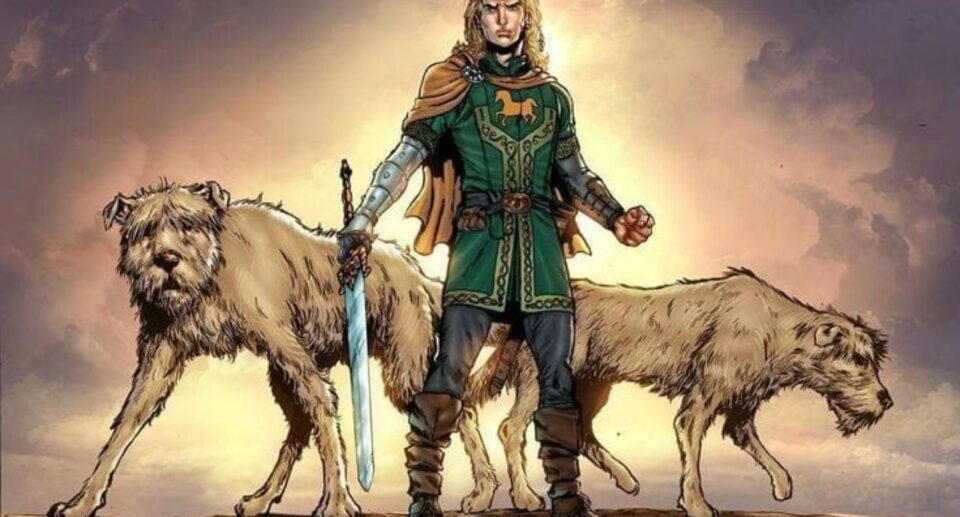
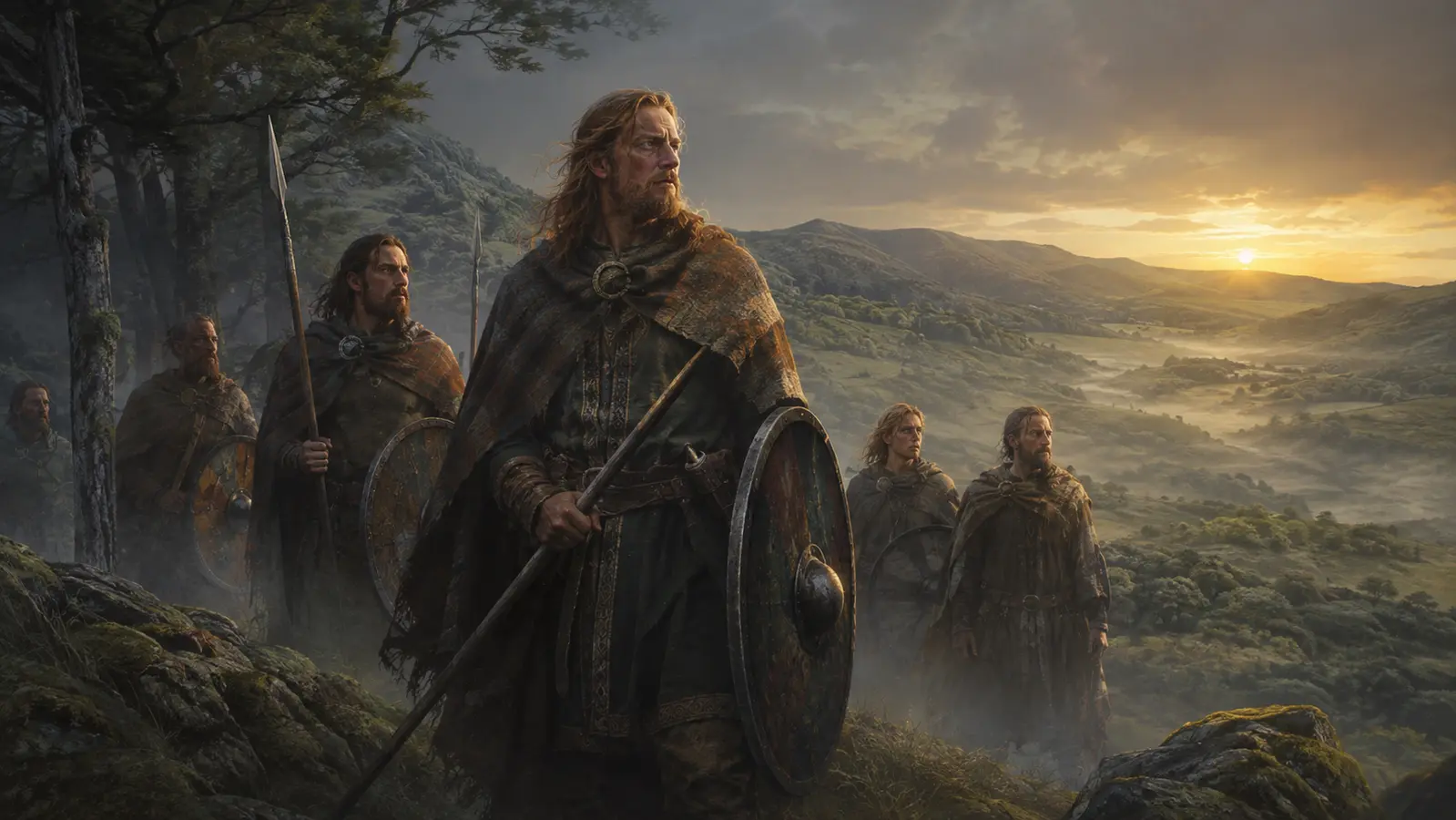
At the heart of each clan stood the chief, not just a leader but a guardian of the clan’s people and lands. The chief embodied responsibility, justice, and protection. In return, clan members pledged loyalty, military service, and tribute.
This mirrored other Celtic symbols of leadership, like the Celtic Sun God Lugh, who represented light, skill, and guardianship over his people.

Symbols of Clan Identity
Clans expressed their identity through:
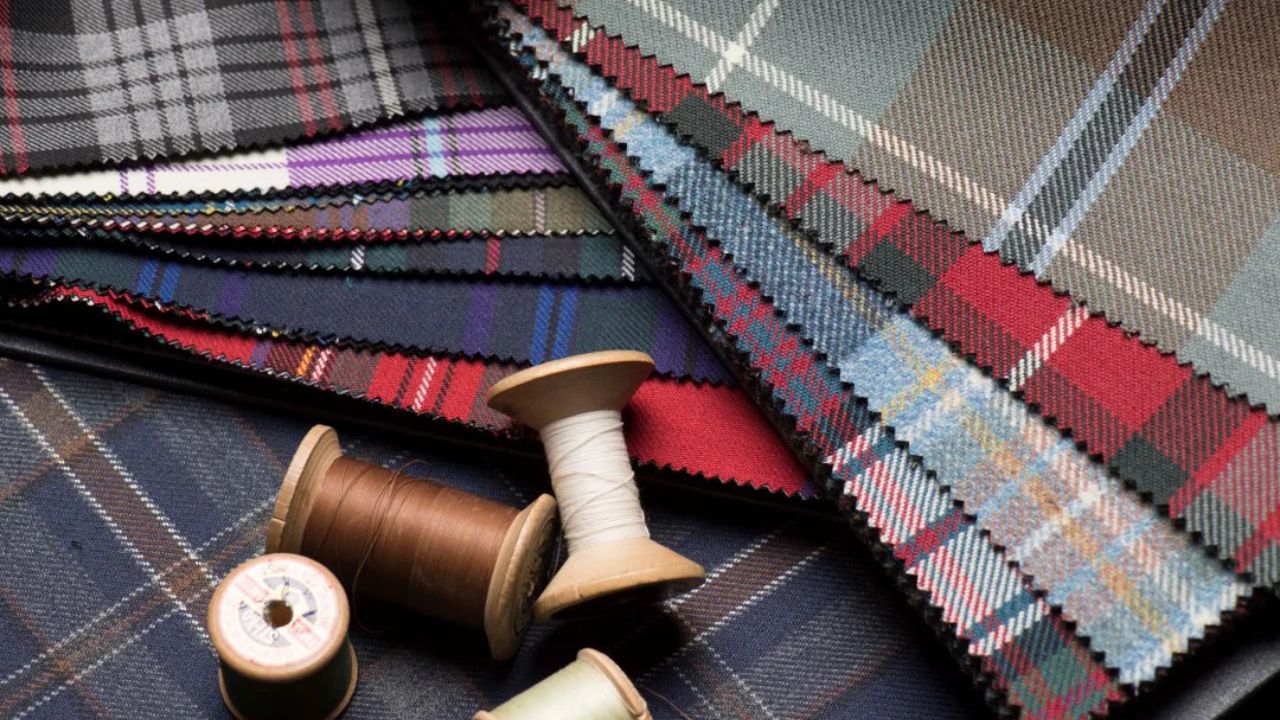
- Tartan: Unique weaving patterns representing family heritage (history of tartan prints).
- Mottos and Crests: Emblems of loyalty, courage, and resilience.
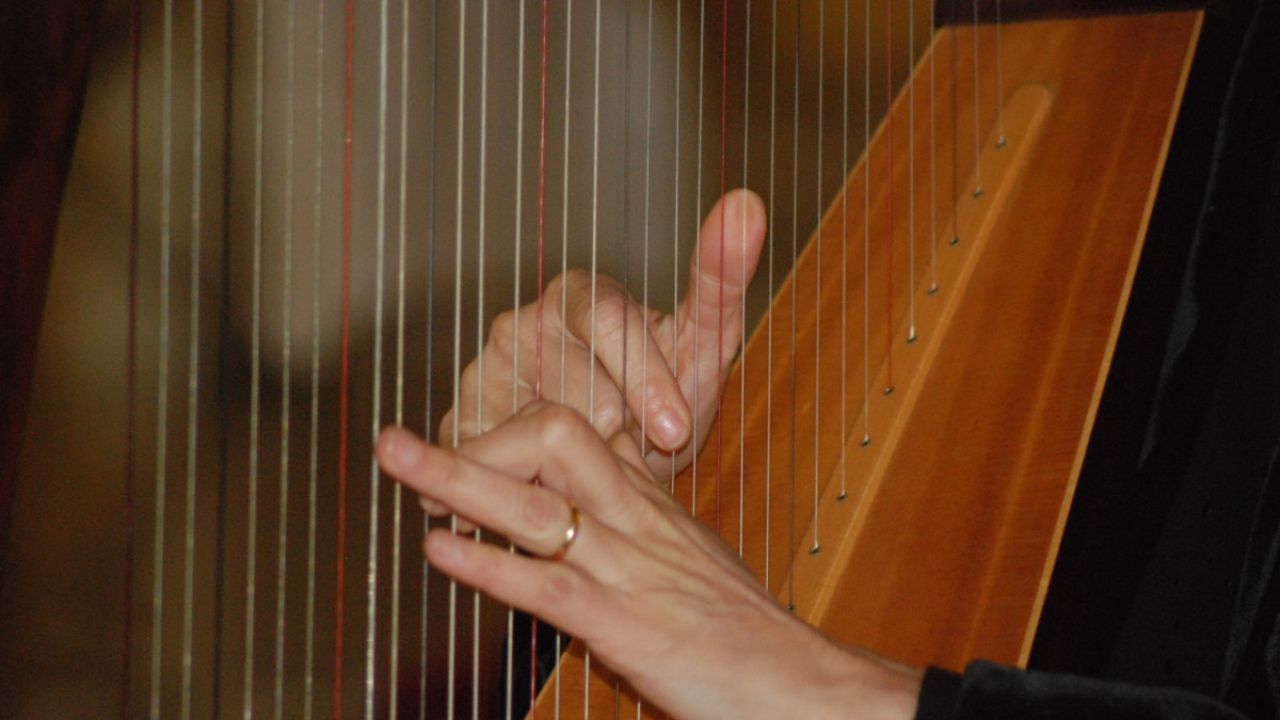
- Music: Clan gatherings often featured fiddle music and pipes.
- Oral History: Bards and storytellers preserved battles, marriages, and lineages.
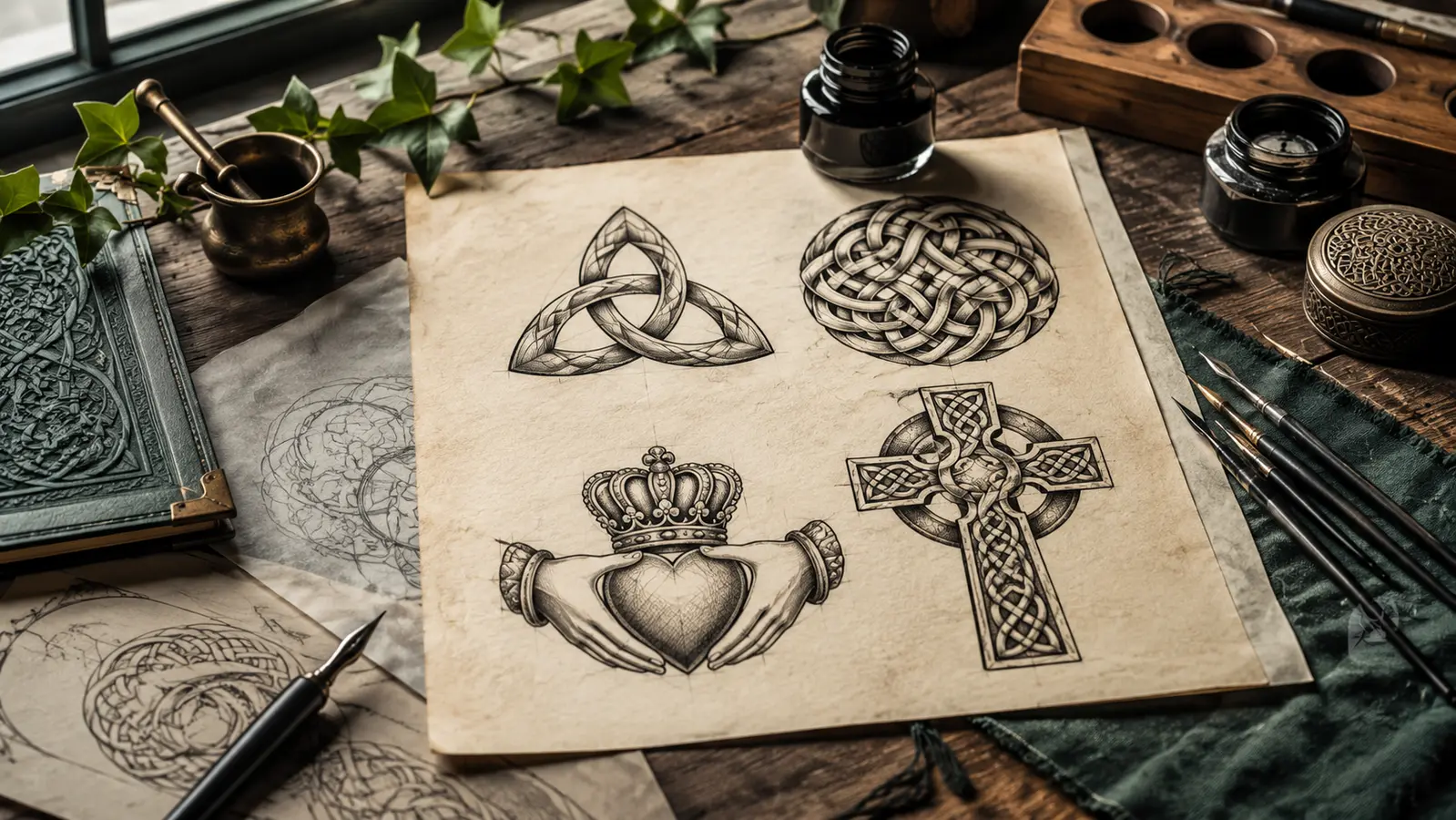
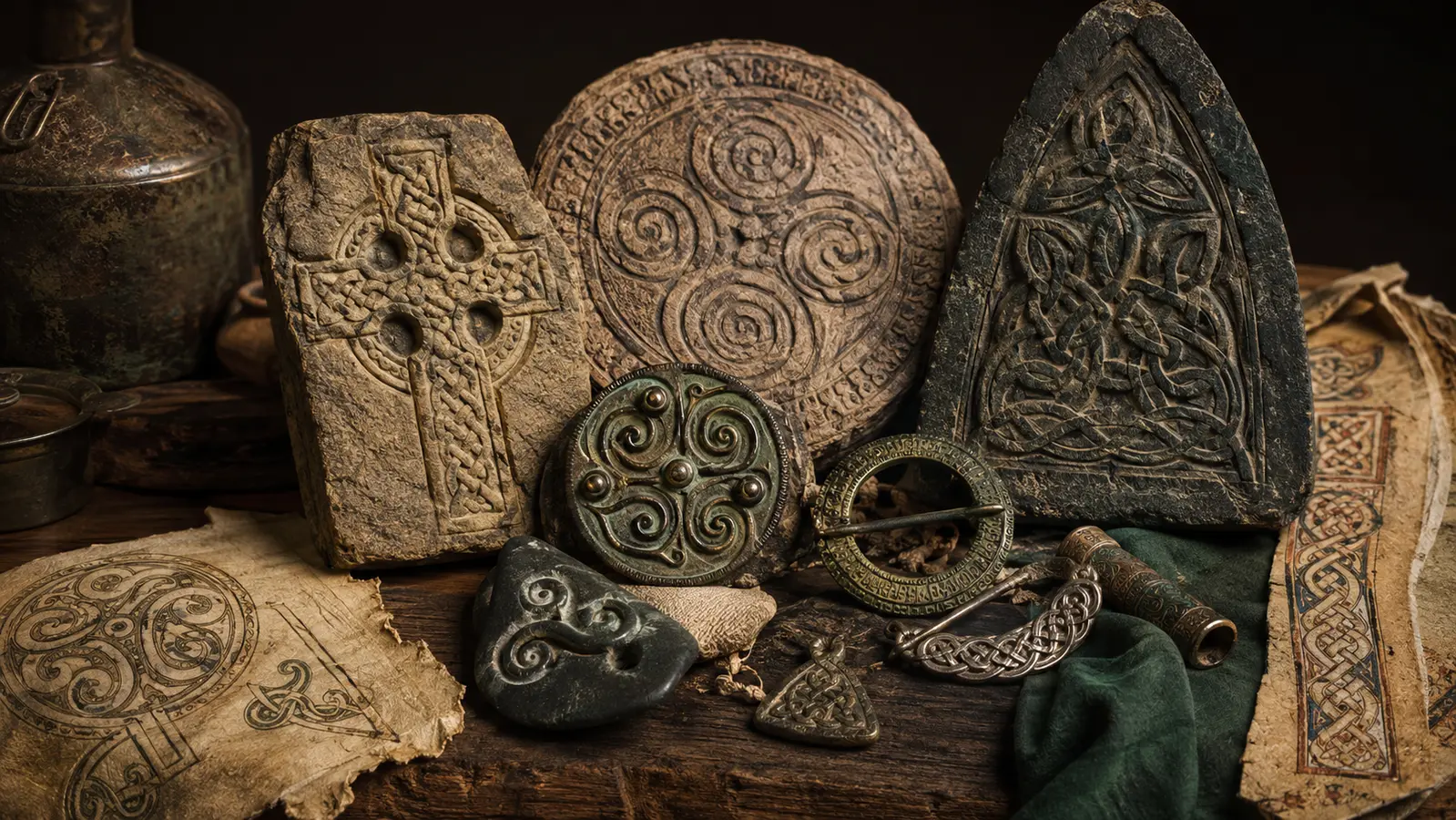
Like Celtic stone carvings, these symbols offered a permanent way to mark belonging and continuity.

Conflict, Alliances, and Survival
Clans were not static; they often clashed over land, honor, or cattle. Feuds could last generations, but alliances through marriage and treaties were equally powerful.
In times of famine or hardship, such as during the Irish Potato Famine, the sense of clan unity could mean survival or dispersal. Many Scots and Irish emigrants carried their clan names overseas, ensuring the system’s endurance beyond the Celtic homelands.
How Many Scottish Clans Were There?
Historians estimate there were hundreds of Scottish clans, though not all were large or powerful. Some were Highland warriors, others Lowland farmers. The exact number is debated, as explored in our guide: How Many Scottish Clans?
The Clan System Today
Though modern Scotland and Ireland no longer live by clan structures, their legacy thrives:
- Clan societies and global gatherings keep traditions alive.
- Ceremonial dress, such as kilts (see Do Irish Wear Kilts?), honors ancestral ties.
- Tourists visit Highland landscapes like Loch Lomond and the Isle of Mull, retracing the steps of clan ancestors.
Much like Irish holy wells, the clan system offers a living link to Celtic spirituality and belonging.

Conclusion: A Living Legacy
The clan system was never just about blood, it was about belonging. In every motto, crest, and tartan stripe lies a reminder of kinship and resilience. Even today, whether at Highland Games or through a family surname, the Celtic clan spirit endures bridging past and present like a story told by the fireside.