Celtic Belt Buckles: Symbols of Style and Heritage

Introduction: More Than Just a Fastener
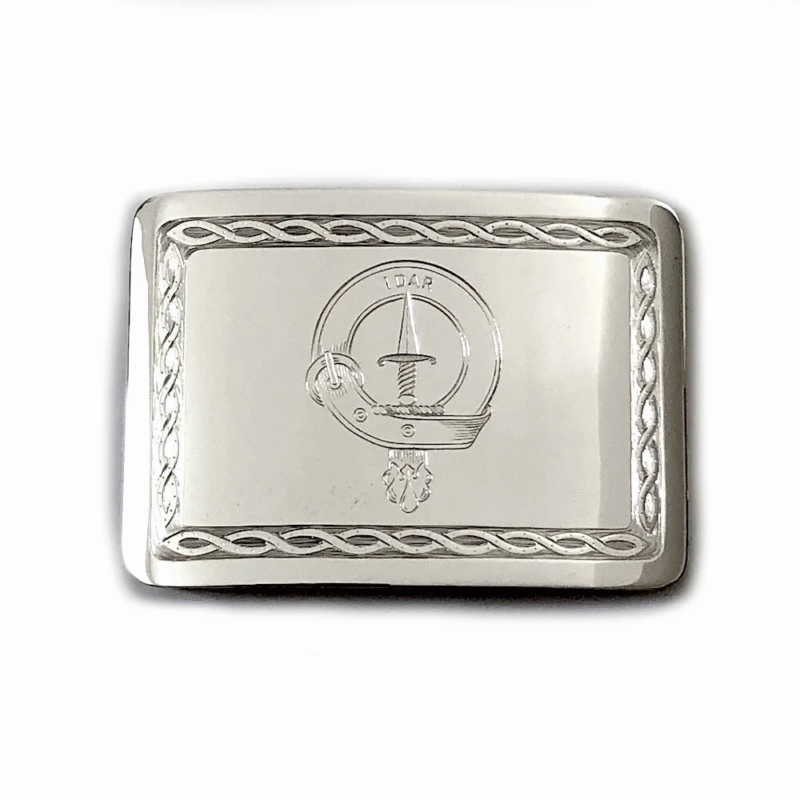
At first glance, a belt buckle seems like a practical item, a small piece of metal keeping your attire secure. But in Celtic tradition, even the smallest object often carried deep meaning. Celtic belt buckles are more than fashion accessories; they are miniature canvases where knotwork, spirals, and mythological motifs tell stories of identity and heritage.
Just as the Irish are natural storytellers, the Celts told their tales not only in words but also in wearable art.
The Historical Roots of Celtic Belt Buckles
Celtic craftsmanship was renowned for its fusion of artistry and function. From the Iron Age through the medieval period, warriors and chieftains wore decorated buckles that symbolized strength, lineage, and even spiritual protection.
The intricate designs echoed those found on Celtic stone carvings and illuminated manuscripts. Buckles became both practical fasteners and powerful emblems, much like the Claddagh ring later did for Irish identity.
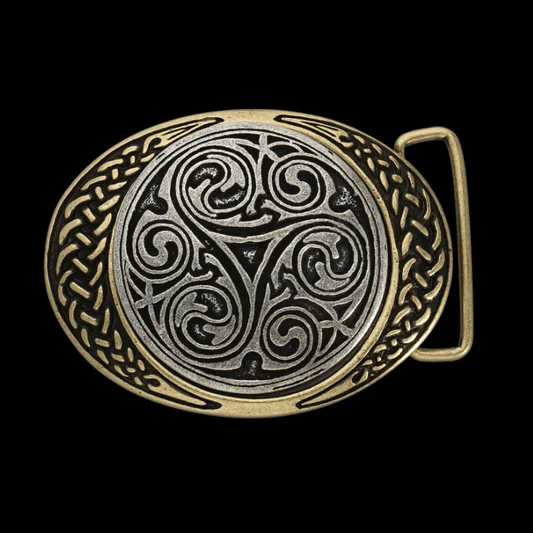
Common Designs and Their Meanings
Celtic belt buckles often feature recurring motifs, each steeped in symbolism:
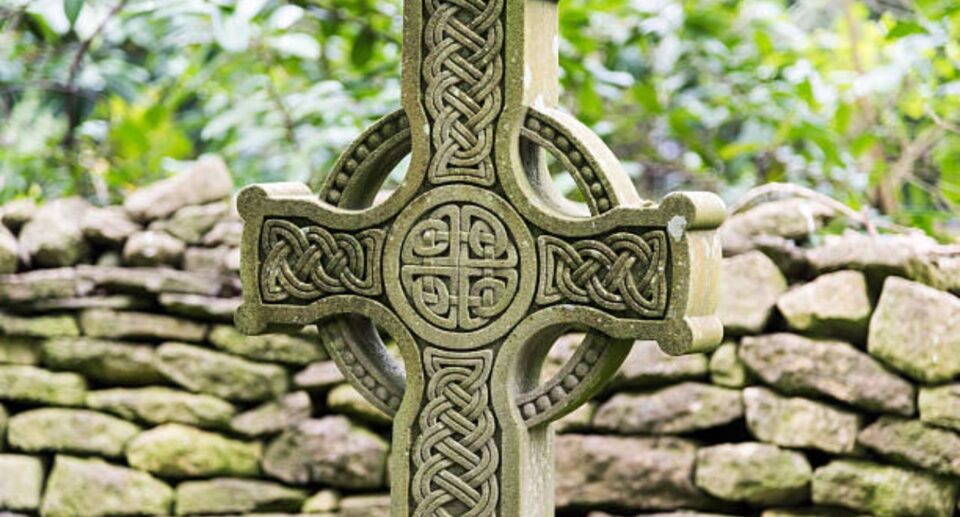
- Celtic Knots: Endless loops symbolizing eternity, unity, and loyalty.
- Triskelion (Triple Spiral): Representing motion, cycles, and the harmony of life.
- Zoomorphic Patterns: Animals like stags or boars for nobility and courage.
- Crosses and Spirals: Linking the spiritual and earthly realms.
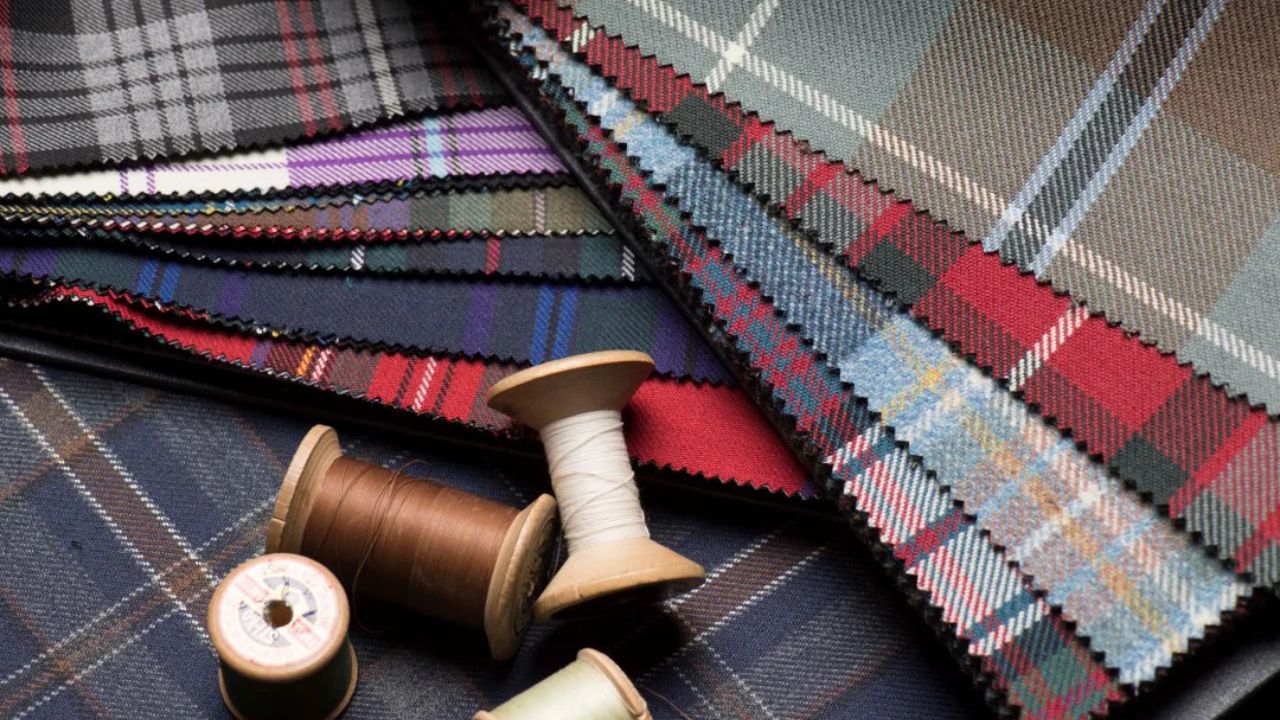
These motifs parallel broader Celtic art, seen in tartan traditions and ceremonial sites like the Hill of Tara.
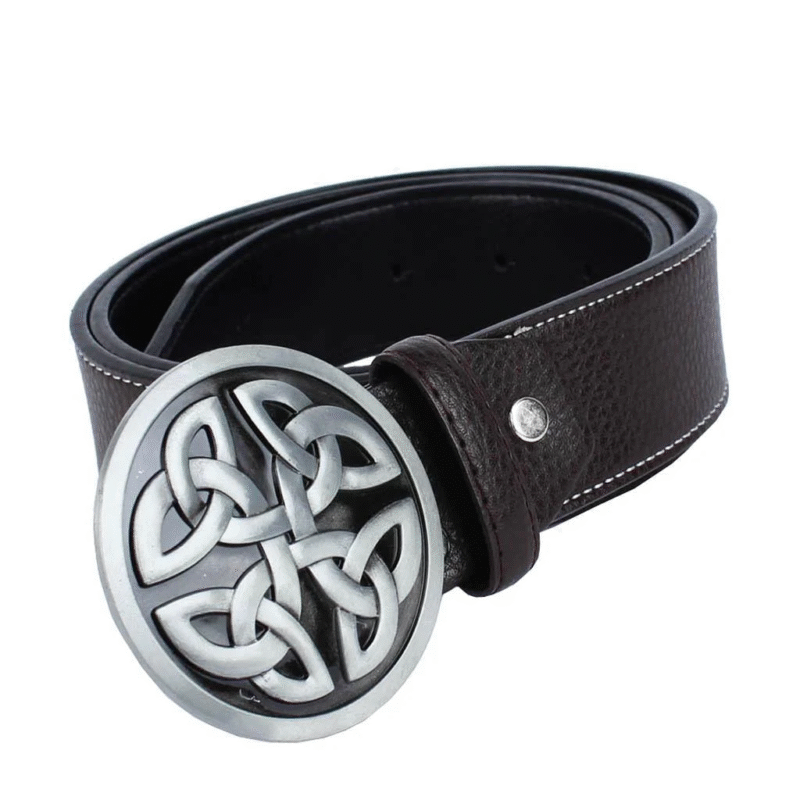
Belt Buckles in Celtic Fashion and Identity
In Celtic society, belt buckles were both functional armor accessories and status symbols. Elaborate designs marked rank, wealth, and clan affiliation.
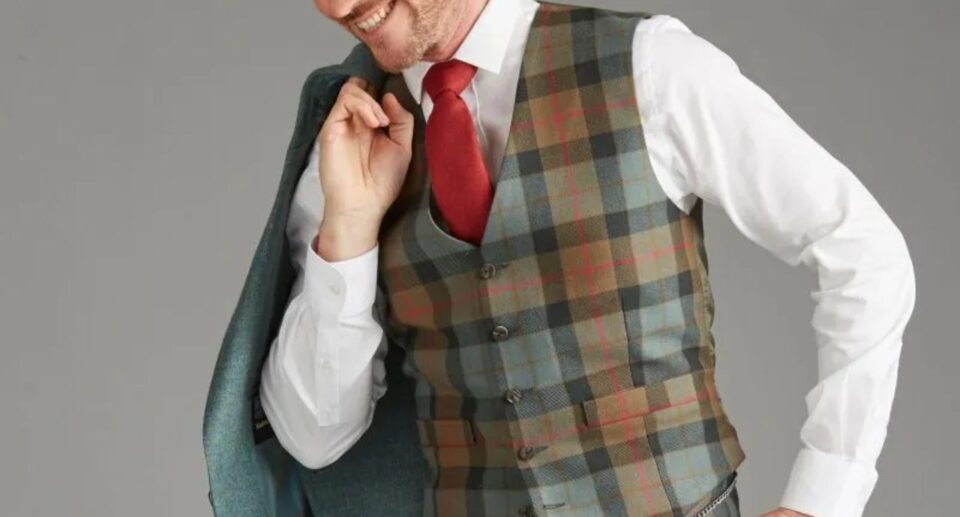
Today, Celtic belt buckles often accompany kilts, continuing a long tradition of style intertwined with identity. This echoes the cultural pride found in Irish kilts and the storytelling woven into Scottish tartan shawls.
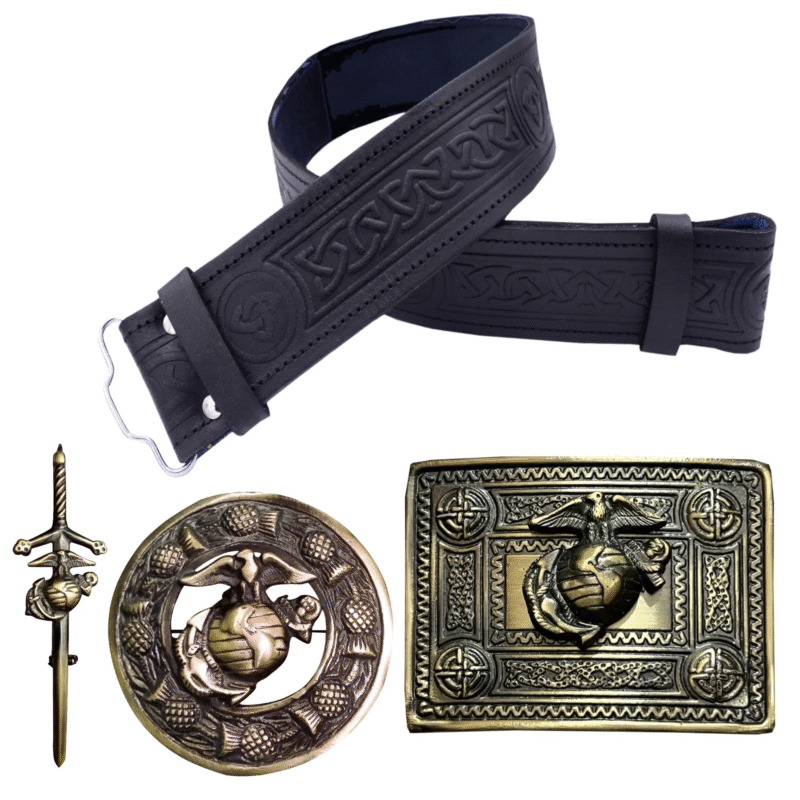
The Spiritual and Symbolic Role
Celtic belt buckles were not just ornamental; many were believed to carry protective powers. The interlacing knots acted as talismans against evil, while animal motifs channeled spiritual qualities admired in warriors.
This symbolic layering recalls the mythic richness of deities like Lugh, the Celtic sun god and the natural reverence found in the Celtic oak tree.
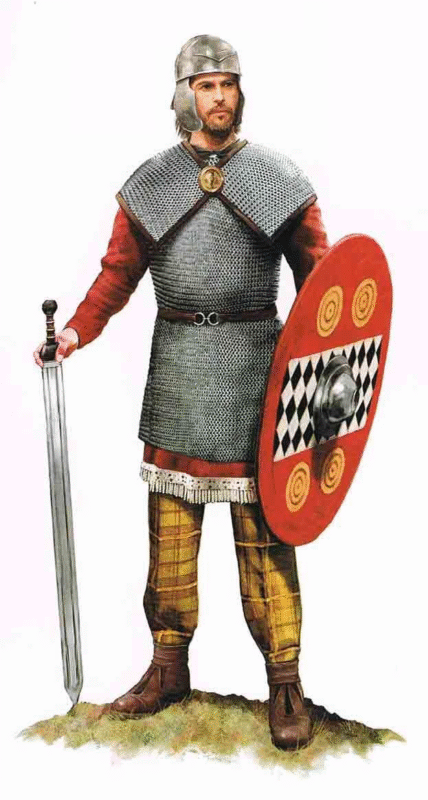
Celtic Belt Buckles in the Modern Era
Today, Celtic belt buckles are not confined to history museums. They appear in:
- Fashion: Paired with kilts at weddings, ceilidhs, and Highland gatherings (see Highland Games events).
- Jewelry & Accessories: Miniature artworks worn daily, carrying ancient motifs.
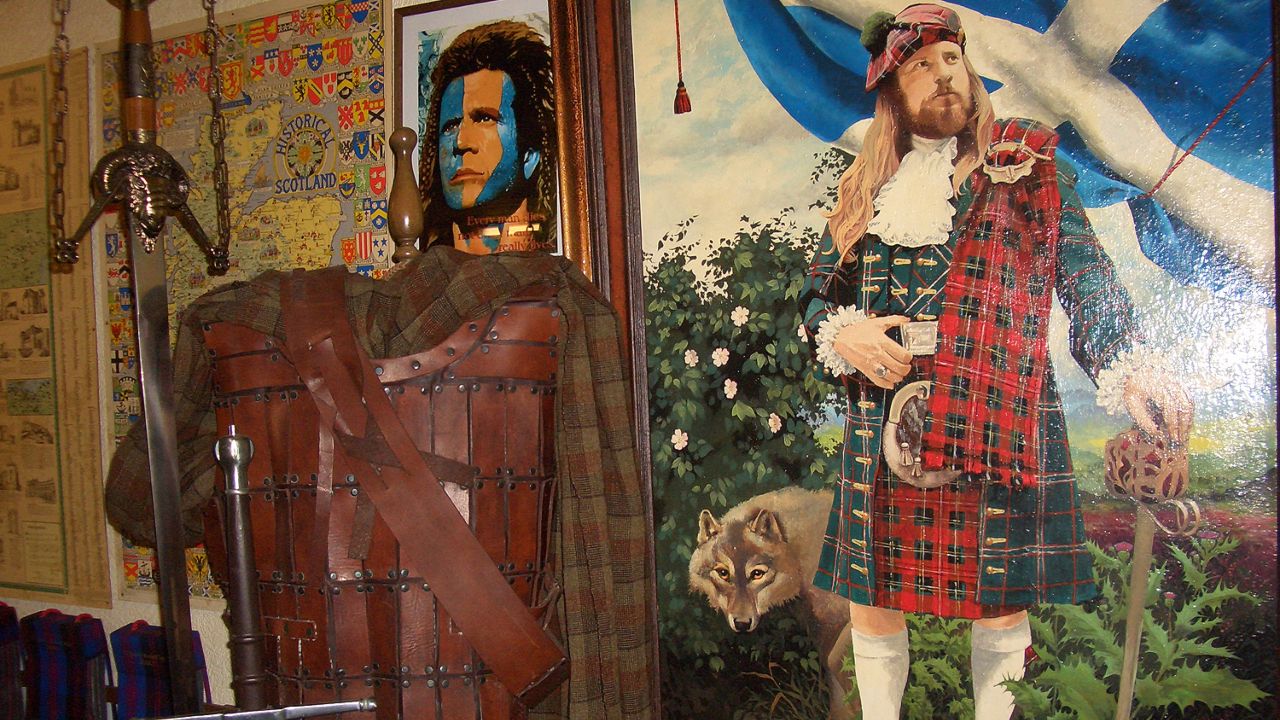
- Popular Culture: Featured in movies alongside kilts in shows and films).
The blend of heritage and style makes them timeless, a functional link to identity across centuries.
Conclusion: A Small Piece, A Grand Story
Celtic belt buckles prove that even the smallest accessories can hold immense cultural weight. Whether carved in bronze centuries ago or cast in silver today, these buckles embody artistry, identity, and continuity.
In every knot and curve, they remind us that heritage can be carried not just in memory, but also in the things we wear.