Celtic Artwork: A Journey Through Symbols, Style, and Spirit
Introduction: Where Art Meets Myth
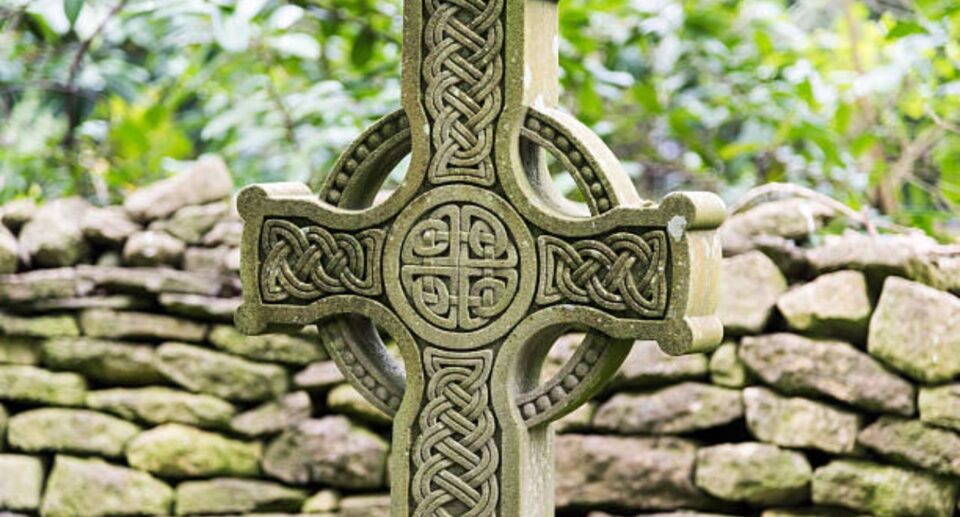
Celtic artwork is not just decoration; it is language, philosophy, and identity carved into stone, painted on manuscripts, and woven into daily life. From swirling knotwork to majestic crosses, Celtic art speaks in patterns that seem endless, echoing eternity itself.
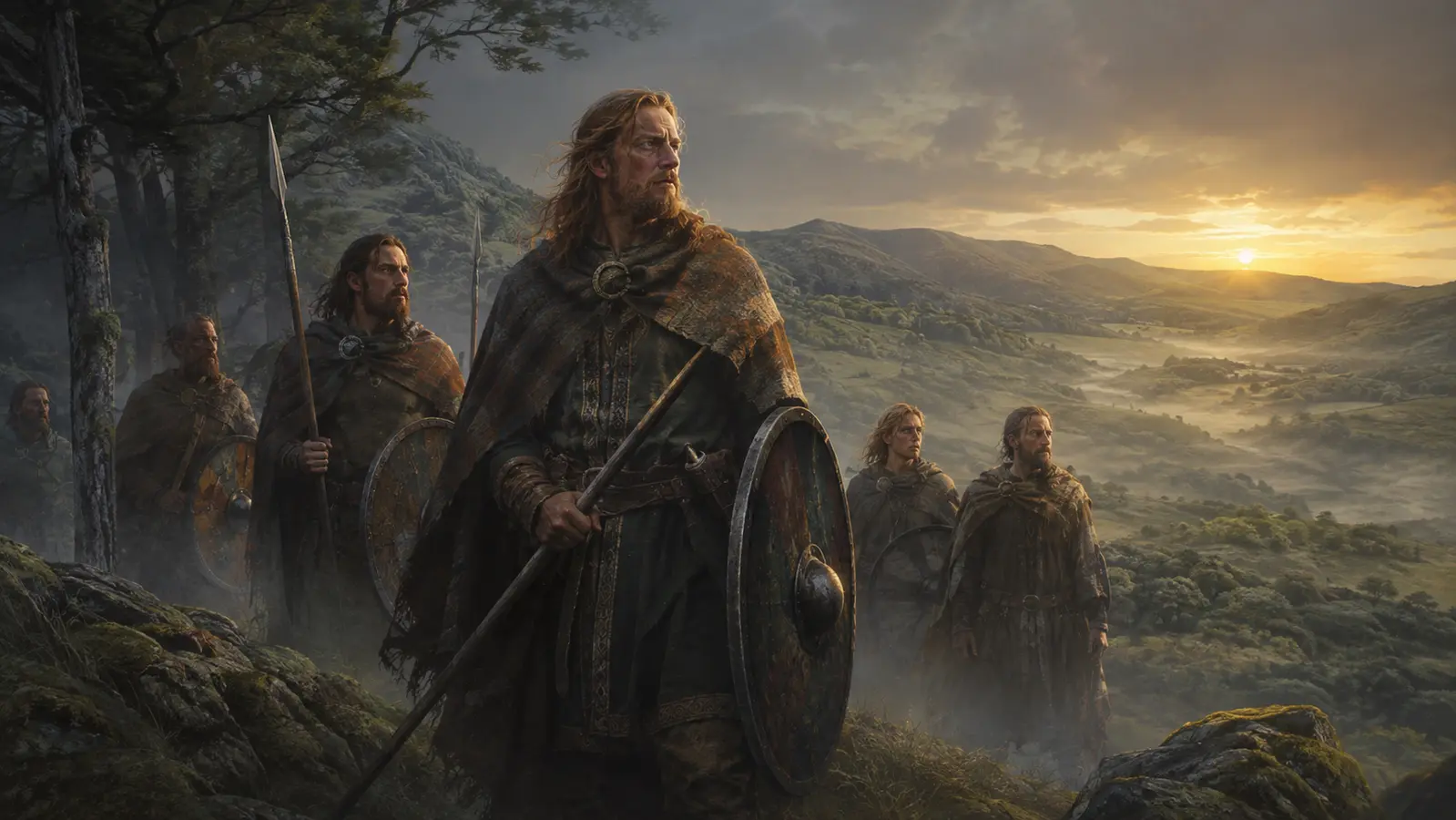
Just as the Irish are natural storytellers, the Celts told their stories visually. Every line and curve whispers of gods, warriors, and a worldview shaped by nature and myth.
Origins of Celtic Artwork
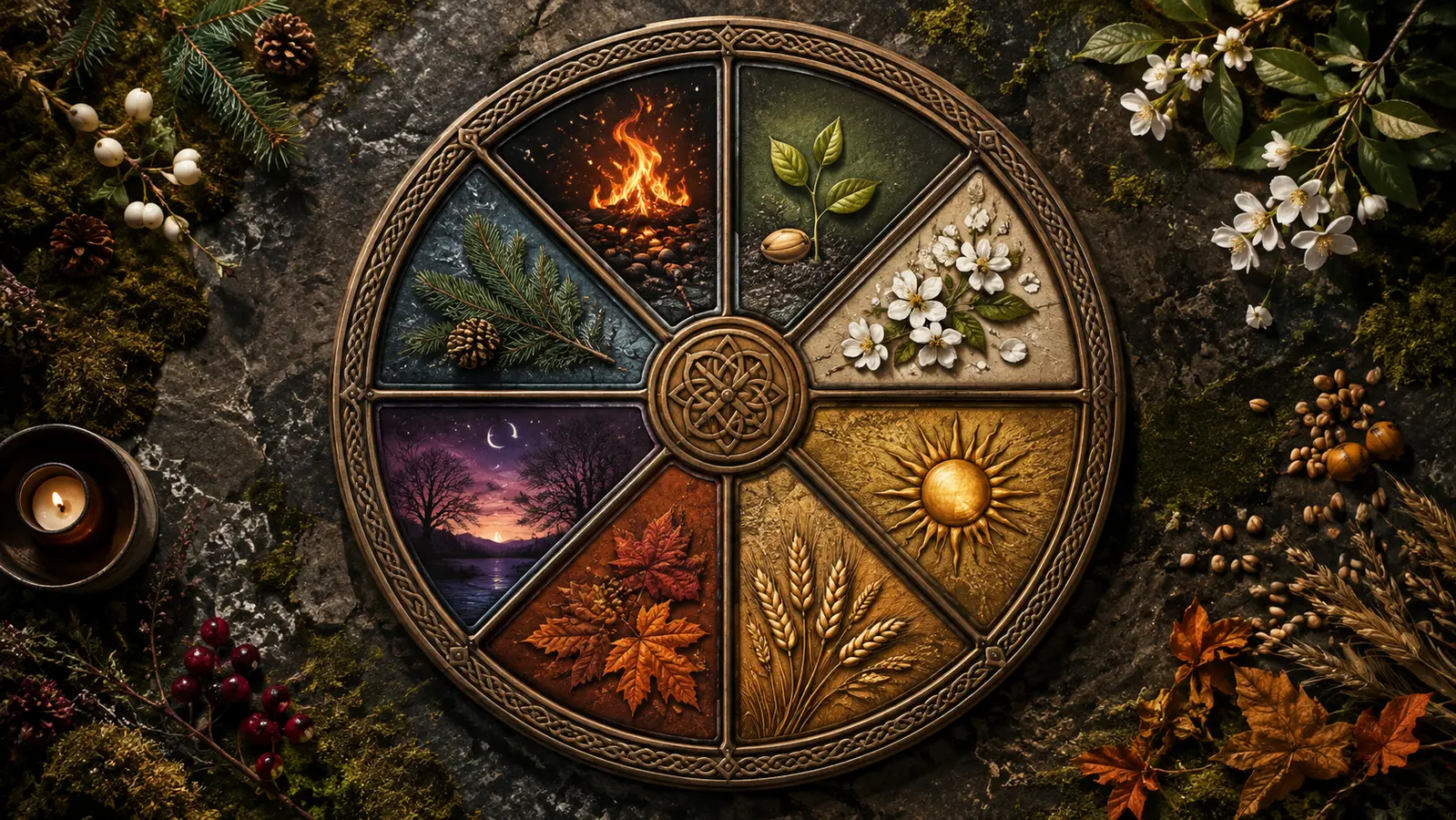
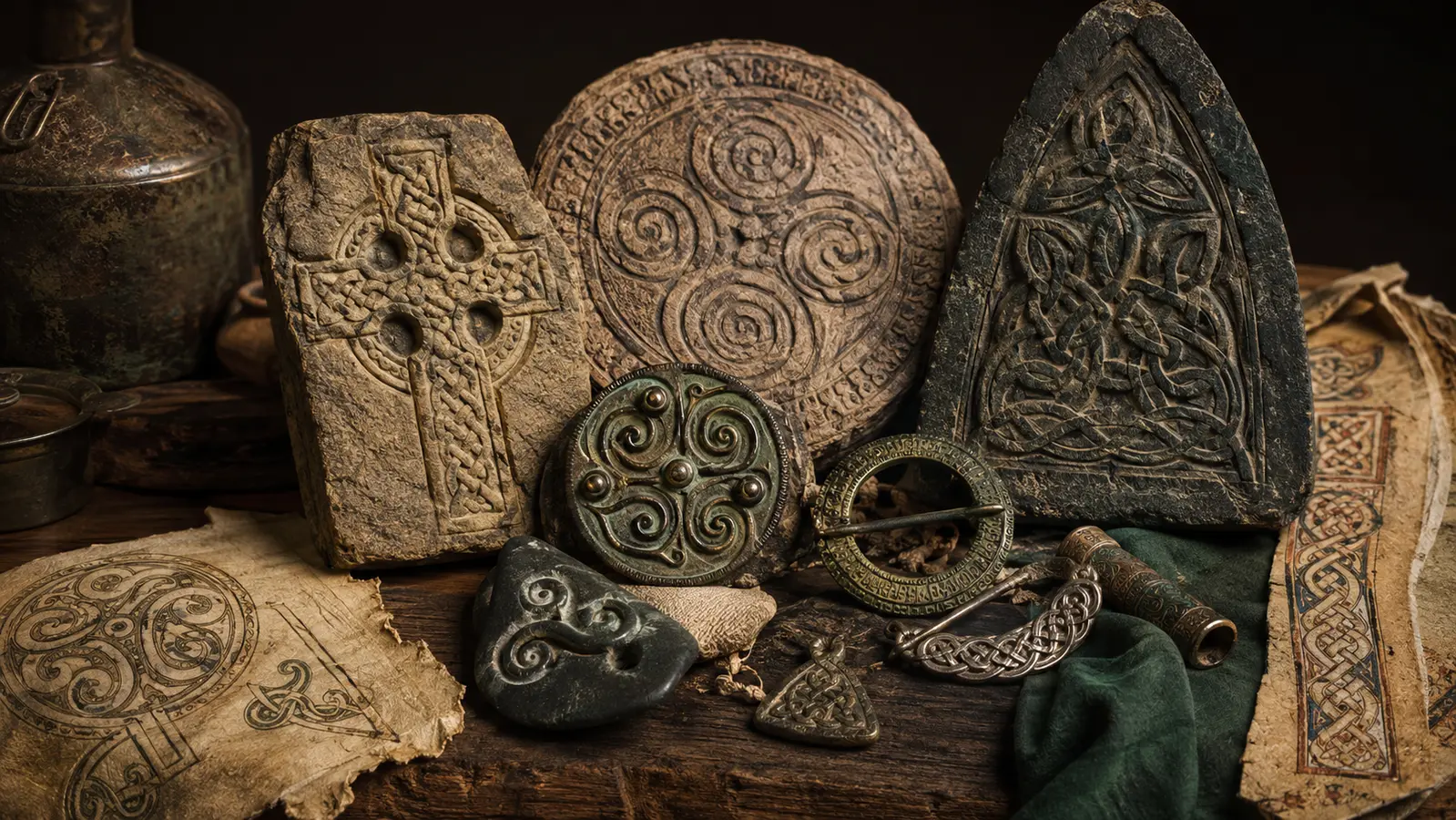
The roots of Celtic artwork reach deep into the Iron Age, when abstract spirals, circles, and patterns decorated weapons, jewelry, and pottery. These motifs were not simply ornamental; they carried spiritual and symbolic weight.
As Christianity spread, Celtic art fused with biblical themes, producing illuminated manuscripts and ornate crosses. Much like the cultural memory preserved in the Irish Potato Famine’s influence, Celtic artwork became a vessel for identity during turbulent times.
Hallmarks of Celtic Design
What makes Celtic artwork instantly recognizable? A few features stand out:
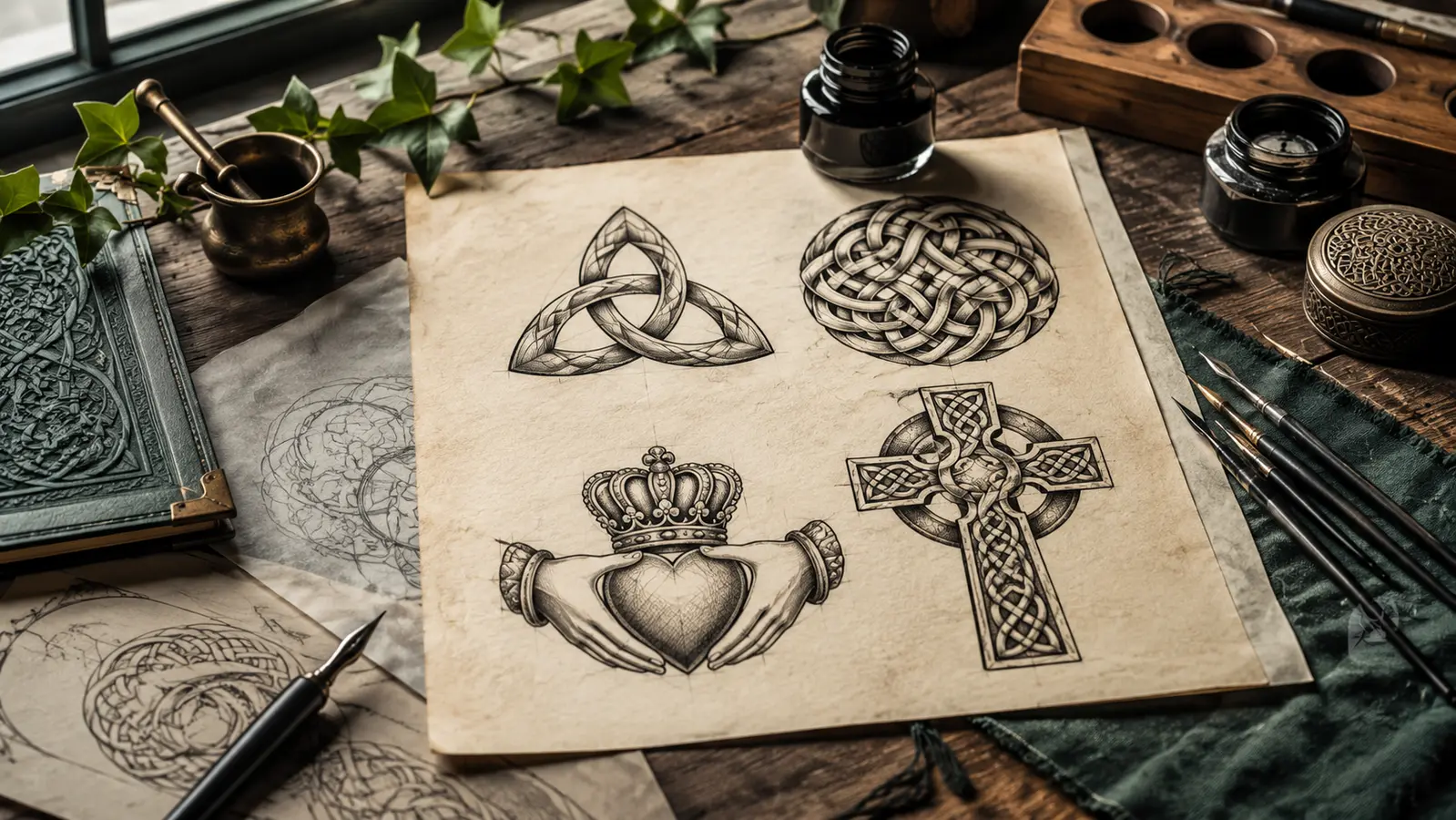
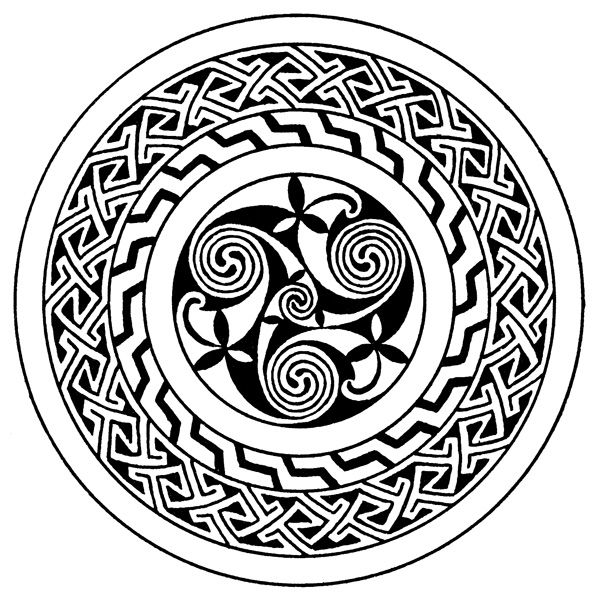
- Celtic Knots: Endless, interwoven designs symbolizing eternity.
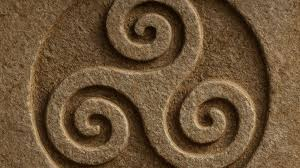
- Spirals and Triskeles: Representing cycles of life, death, and rebirth.
- Zoomorphic Forms: Animals woven into knotwork, symbolizing power, loyalty, or protection.
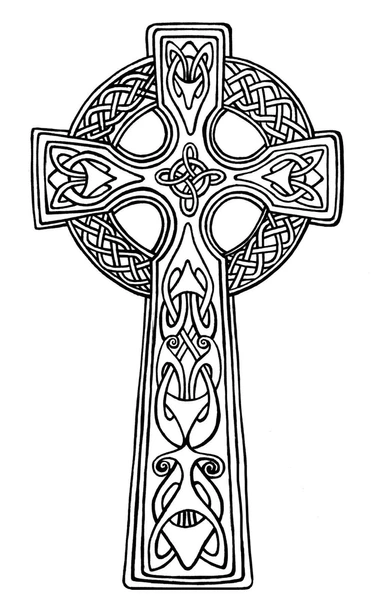
- Stone Carvings: Boldly carved crosses and standing stones (see Celtic stone carvings).
Artwork in Daily Life and Ceremony
Celtic art was never confined to galleries; it lived in daily objects and sacred spaces. Shields, brooches, and even drinking vessels carried symbolic designs.
At ceremonial sites like the Hill of Tara, artwork carved into stones served as both ritual tools and cultural records. Much like Celtic oak trees, these designs stood as living bridges between people and the divine.
The Spiritual Dimension
Celtic artwork was not just aesthetic, it was profoundly spiritual. Knots symbolized eternity, while animals embodied traits admired by the Celts: the stag for nobility, the boar for courage, the raven for prophecy.
This symbolic richness parallels the mythic depth found in stories of Lugh, the Celtic sun god and the
Celtic Artwork in the Modern World
Far from being relics, Celtic designs remain alive today:
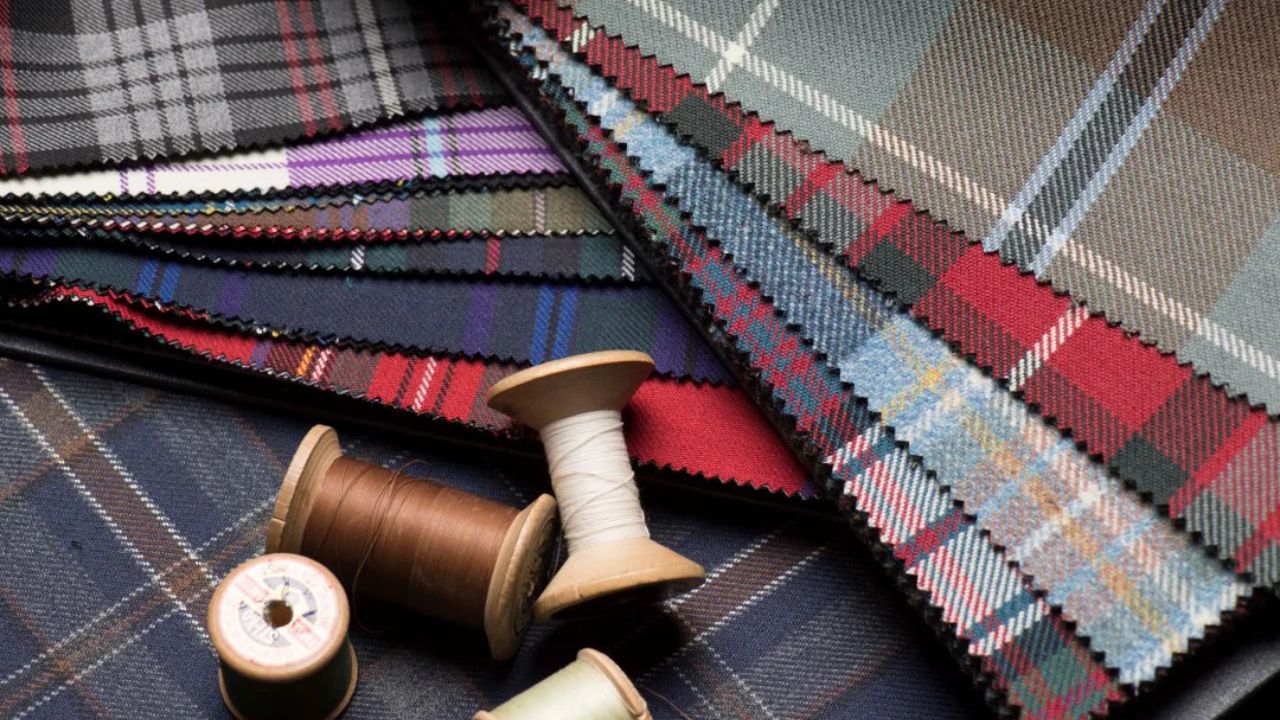
- Fashion: Woven into tartan-inspired designs (see tartan history).
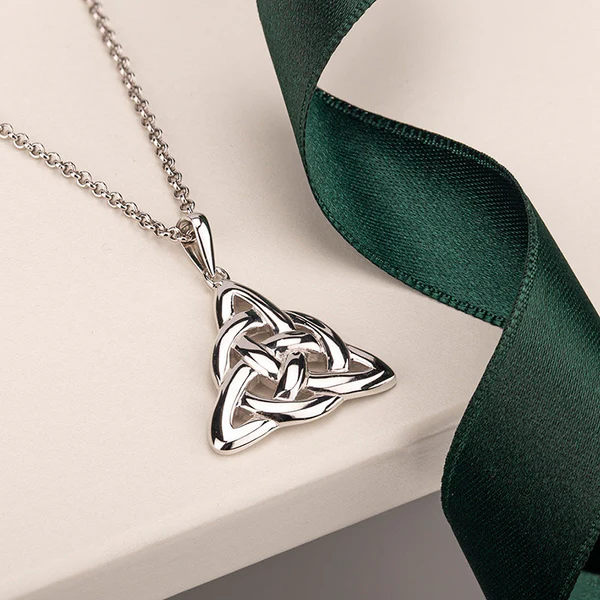
- Jewelry: Rings and pendants carrying knotwork, like the Claddagh ring).
- Music & Dance: Album covers and festival décor draw on the same motifs (Ceili bands carry the same spirit in sound).
- Popular Culture: Celtic art appears in films, video games, and even tattoos.
Conclusion: Eternal Patterns in a Changing World
Celtic artwork endures because it speaks a language beyond words. Its spirals, knots, and carvings are more than design, they are philosophy etched in form.
Whether carved into an ancient cross or worn today as jewelry, Celtic art connects us to a worldview that found eternity in pattern and spirit in every line