
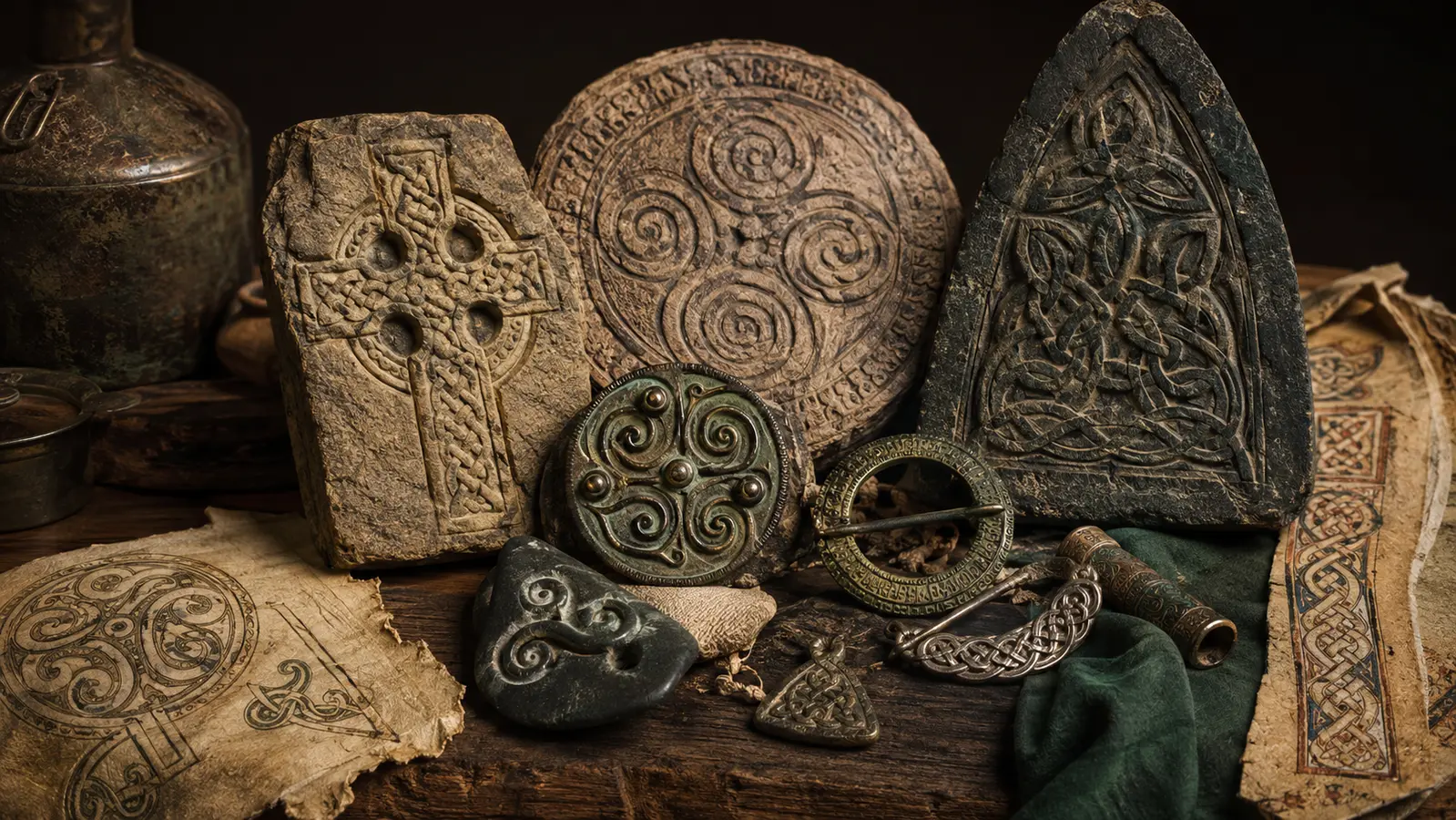
Irish Sean-nós Singing: The Soulful Voice of Ireland

Sean-nós singing, literally meaning “old style” in Irish, is one of the most profound expressions of Ireland’s cultural heritage. This unaccompanied vocal tradition is more than music — it is storytelling, history, and identity woven together in song.
What Is Sean-nós Singing?
Sean-nós is an unaccompanied style of singing rooted in the Irish language. It is characterised by:
- Free rhythm: The singer sets the pace, adjusting to the emotion and meaning of the words.
- Ornamentation: Grace notes, turns, and slides enhance the melody.
- Emotional intimacy: Songs often carry themes of love, loss, and longing.
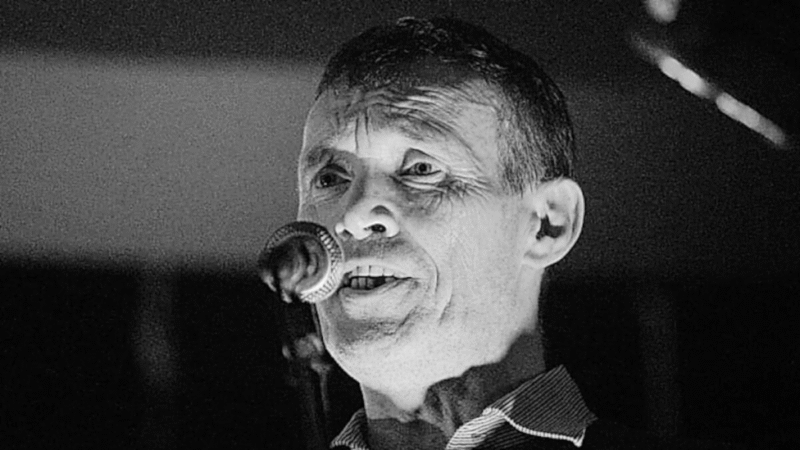
It is rarely a “performance” in the modern sense. Instead, Sean-nós belongs to kitchens, small gatherings, and community pubs — places where storytelling is a natural gift among the Irish.
Language and Cultural Roots
The songs are usually in Irish Gaelic, making Sean-nós an important tool in preserving language and oral tradition. Each lyric holds cultural codes — references to local landscapes, historical events, and ancestral values.
This connection between song and heritage is as enduring as the artistry of Gaelic children’s lullabies, both passing down not just words but worldviews.
Regional Styles of Sean-nós
While Sean-nós is a national tradition, regional variations give it unique flavour:
- Connemara: Highly ornamented, with flowing, almost wave-like phrasing.
- Donegal: Stronger rhythmic influence, sometimes echoing Scottish Gaelic song.
- Munster: Clear structure with a distinctive, measured lilt.
These styles reflect Ireland’s diverse cultural landscapes — just as the bodhrán drum varies in rhythm depending on the region.
Why It Endures in the Modern World
Despite the dominance of popular music, Sean-nós remains vibrant because it speaks to something timeless: the human need to share stories. Like the fiddle music tradition, it thrives at festivals, in competitions, and in informal gatherings.
Modern Sean-nós artists have also blended the style with contemporary genres, bringing it to new audiences without losing its roots.
Experiencing Sean-nós
To truly appreciate Sean-nós, hear it live. In small coastal pubs, you might see a singer close their eyes, lean forward, and let the song flow in a room so quiet you could hear a pin drop.
Even if you don’t understand every Irish Gaelic word, you will feel the rise and fall of emotion — the essence of a tradition that carries the heartbeat of Ireland.
FAQs about Irish Sean-nós Singing
1. What does “Sean-nós” mean?
It means “old style” in Irish, referring to the traditional form of unaccompanied singing.
2. Is Sean-nós always sung in Irish Gaelic?
Most traditional Sean-nós songs are in Irish, though English versions exist.
3. Is there a specific instrument for Sean-nós?
No — Sean-nós is unaccompanied, but it is often performed alongside other Irish traditions like ceili bands at gatherings.
4. Can anyone learn Sean-nós singing?
Yes, but mastery comes with immersion in the style’s unique ornamentation and phrasing, often learned by ear rather than from sheet music.
5. Where can I hear Sean-nós in Ireland?
Primarily in the west (Connemara, Donegal, Kerry), at festivals, cultural centres, and local pubs.