


Why Are Irish People Natural Storytellers?
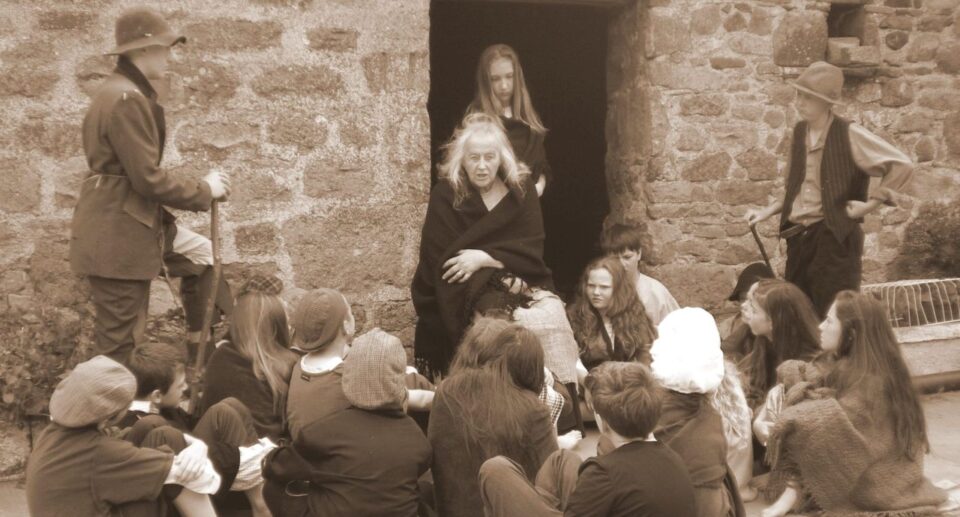
Storytelling has been a cornerstone of human culture for millennia, connecting people emotionally and helping them share experiences, warnings, and wisdom. Across the world, every culture has its unique storytelling heritage, but Ireland stands out as a land where stories and storytellers are woven into the very fabric of society. From the ancient Celts to contemporary authors, the Irish have a profound reputation for their narratives, which are infused with humor, pathos, and a touch of the mystical.
The Role of Storytelling in Society
Stories are more than entertainment; they are tools of education, memory, and community. A great storyteller can evoke powerful emotions, helping audiences understand and relate to the tales being shared. In Ireland, storytelling took on a unique importance as an oral tradition, preserving culture, history, and values across generations when written records were scarce.

Ireland’s Rich Storytelling Tradition
A Legacy of Oral Tradition
Ireland’s storytelling heritage is rooted in its Celtic past. For over 2,000 years, Irish culture thrived on oral traditions. Poems, songs, and tales were not merely forms of art but essential methods for passing down knowledge and preserving identity. The Celts even gained their name from their secretive oral practices—Celt, meaning “hidden.” To this day, the Irish term faoi ceilt means “hidden.”

The Influence of the Seanchaithe
Seanchaithe (pronounced shan-a-key) were the traditional storytellers of Ireland. These custodians of lore served as both historians and entertainers. Initially attached to chieftains, seanchaithe later became wandering storytellers, trading their tales for food and shelter. Their role was vital in keeping Ireland’s oral traditions alive, particularly in rural areas where literacy was limited.
Bardic Traditions and Their Evolution
In pre-Christian Ireland, bards held a prestigious position, second only to kings. They composed and performed poetry that chronicled historical events and celebrated heroic deeds. As society evolved, the bardic tradition gave way to the seanchaithe, but the storytelling art remained central to Irish life.
Key Components of Irish Storytelling
The Mythological Cycles
Irish literature is renowned for its mythological cycles:
- Fenian Cycle: Tales of Fionn mac Cumhaill and his warriors, the Fianna.
- Ulster Cycle: Stories of Cu Chulainn, the heroic defender of Ulster.
- Cycle of the Kings: Chronicles of Ireland’s rulers, blending history and myth.
- Mythological Cycle: Legends of the Tuatha Dé Danann, the mystical beings of Irish lore.
These cycles provided an inexhaustible source of material for storytellers, ensuring their relevance across generations.
Themes in Irish Storytelling
Irish tales often center on heroism, wit, and the supernatural. They balance humor with tragedy, capturing the complexities of human experience. This duality has made Irish storytelling resonate with audiences worldwide.
The Gift of Blarney
The term “gift of the gab” is tied to the legend of the Blarney Stone in County Cork. Visitors who kiss the stone are said to gain persuasive eloquence. Whether myth or reality, this charm is a hallmark of Irish storytelling.
Famous Irish Storytellers
Peig Sayers and the Blasket Islands
Peig Sayers, one of Ireland’s most celebrated storytellers, chronicled life on the remote Blasket Islands. Her poignant tales capture the hardships and resilience of her community.

Eddie Lenihan, a Modern Seanchaí
Eddie Lenihan, a contemporary storyteller, has kept the seanchaithe tradition alive. His dramatic delivery and dedication to preserving folklore make him a national treasure.

Literary Giants Influenced by Oral Tradition
Irish literature has been shaped by its storytelling roots. Writers like Oscar Wilde, with his sharp wit, and W.B. Yeats, who infused his poetry with mythology, are prime examples of this legacy.
Social and Cultural Factors
The Role of Community and the Pub
In Ireland, storytelling often flourished in communal spaces like pubs. The unpredictable weather and isolation of rural life encouraged people to gather, share stories, and celebrate their connections.
The Gaelic Revival
The 19th-century Gaelic Revival played a crucial role in documenting Irish oral traditions. This movement preserved countless tales that might otherwise have been lost, bringing them to global audiences.
The Enduring Legacy of Irish Storytelling
Festivals and Competitions
Modern events like the Fleadh Ceoil celebrate storytelling alongside music, showcasing the enduring importance of this art form.
Influence on Modern Media
Irish storytelling continues to inspire film, literature, and television, spreading its charm worldwide through emigrant communities and cultural exports.
Why Storytelling Is in the Irish Soul
Storytelling in Ireland is not just a tradition but a way of life. It reflects the Irish people’s resilience, wit, and love of language, ensuring their stories remain timeless and universal.
Conclusion
From the ancient seanchaithe to modern literary icons, Ireland’s storytelling tradition has left an indelible mark on the world. Its tales, filled with humor, heroism, and magic, continue to captivate audiences, proving that storytelling is as vital today as it was thousands of years ago.
FAQs
- What makes Irish storytelling unique?
Its blend of humor, tragedy, and mythology creates deeply emotional and memorable tales. - Who were the seanchaithe, and what was their role?
Seanchaithe were traditional storytellers who preserved and shared Ireland’s history and lore. - How did the Blarney Stone contribute to Ireland’s storytelling reputation?
Legend claims kissing the stone grants eloquence, reinforcing the stereotype of Irish wit. - Why is humor significant in Irish tales?
It reflects the Irish spirit of resilience and ability to find light in adversity. - Are there any modern events celebrating Irish storytelling?
Yes, events like the Fleadh Ceoil and mummers’ festivals honor traditional storytelling.
27 Comments
[…] The Irish Uilleann Pipes hold a special place in Ireland’s musical landscape. Their sound is soft, intricate, and deeply emotional. Unlike the louder Highland pipes, these pipes speak in a voice that feels intimate and conversational. Many listeners describe the instrument as a storyteller, weaving melodies that echo Ireland’s spirit. If you enjoy exploring Irish cultural voices, you may also like our article on Why Irish People Are Natural Storytellers. […]
[…] the unseen and guide decisions. Much like storytelling in Celtic culture, which you can explore in Why Irish People Are Natural Storytellers, divination blends narrative, intuition, and […]
[…] These laments survive in fragments of song, in oral memory, and in the emotional tone that still resonates in Celtic music today. Many readers first encounter this world through Celtic storytelling, and if you want to explore that deeper, you might enjoy Why Irish People Are Natural Storytellers. […]
[…] those intrigued by storytelling in Celtic culture, you may also enjoy Why Irish People Are Natural Storytellers, which explores how oral tradition preserved tales across […]
[…] If you want to explore why Irish storytelling feels so unique, read our full guide here:➡️ https://celtguide.com/why-are-irish-people-natural-storytellers/ […]
[…] For readers who enjoy Celtic storytelling at large, you may also enjoy our piece on Why Are Irish People Natural Storytellers?. […]
[…] The fiddle entered Irish life many centuries ago, and people welcomed it quickly. It blended well with the natural storytelling traditions that run deep in Irish culture. If you want to understand this tradition better, you might enjoy Why Irish People Are Natural Storytellers. […]
[…] For insights into broader Celtic storytelling traditions, see Why Are Irish People Natural Storytellers?. […]
[…] If you’re curious about why storytelling is so important here, this piece explains it beautifully:➡️ https://celtguide.com/why-are-irish-people-natural-storytellers/ […]
[…] you might also like discovering how Celtic Stone Carvings preserve stories across centuries or how Irish storytelling traditions shaped Celtic […]
[…] If you enjoy exploring how storytelling shapes identity, you may also like our guide on why Irish people are natural storytellers. […]
[…] To explore more Celtic storytelling traditions that shape regional identity, you can visit our article Why Irish People Are Natural Storytellers. […]
[…] If you enjoy the way stories shape cultures, you may also like our reflection on Why Irish People Are Natural Storytellers. […]
[…] traditions. If you enjoy exploring how stories shape identity, you may find our article on why Irish people are natural storytellers […]
[…] so natural in Ireland, it helps to explore the country’s strong narrative culture. Our article on why Irish people are natural storytellers dives deeper into that […]
[…] itself. They blend beautifully with wider Celtic storytelling, a tradition explored in our piece on why Irish people are natural storytellers. But Highland fairy lore has its own rugged character, shaped by mountains, lochs, and long […]
[…] and centuries of imagination. As with many Scottish legends like those explored in our pieces on storytelling traditions—the Dunbar tales show how the past clings to the […]
[…] This deep respect reflects Ireland’s storytelling heritage. If you want to understand how powerful stories shape life here, explore Why Irish People Are Natural Storytellers. […]
[…] that shaped ancient Ireland and Scotland. Just as Celtic storytelling preserved cultural identity (Why Irish People Are Natural Storytellers), tattoos acted as visual narratives etched into skin, telling tales of ancestry, belief, and […]
[…] as storytelling preserved the Irish spirit (Why Are Irish People Natural Storytellers), the blacksmith’s craft conveyed practical knowledge, artistry, and local tradition. Every […]
[…] like the way storytelling preserves Irish culture (Why Are Irish People Natural Storytellers), Scottish mantles tell stories of lineage, craftsmanship, and community belonging. Wearing a cape […]
[…] Irish lace making is one of the most beautiful and enduring expressions of Ireland’s cultural creativity. Its delicate patterns, patient craftsmanship, and deep historical roots make it more than just a textile tradition—it is a story of resilience, artistry, and community. Lace has shaped Irish identity much like storytelling, music, and folklore have shaped the Celtic imagination. If you love exploring the cultural threads that define Ireland, you might also enjoy our piece on Why Irish People Are Natural Storytellers. […]
[…] with nature, spirituality, and community. Much like the Irish storytelling tradition explored in Why Are Irish People Natural Storytellers, these lucky symbols weave a narrative of identity, hope, and […]
[…] bond with the outdoors resonates with Ireland’s storytelling tradition, explored in Why Are Irish People Natural Storytellers, where the landscape often becomes a silent character in tales of heritage, adventure, and […]
[…] cottages do more than decorate the landscape. They echo the storytelling spirit explored in Why Are Irish People Natural Storytellers?. Every cottage has its own story, carried through centuries of craftsmanship, community, and Celtic […]
[…] stories echo across Celtic mythology much like the timeless oral traditions discussed in Why Are Irish People Natural Storytellers?. These islands represent the idea that the Otherworld is always close, just over the horizon, […]
[…] deep connection to storytelling echoes themes discussed in Why Are Irish People Natural Storytellers?. Celtic communities, whether Scottish or Irish, hold an enduring love for narrative and […]