
The Irish Uilleann Pipes: Ireland’s Most Expressive Traditional Instrument

The Irish Uilleann Pipes hold a special place in Ireland’s musical landscape. Their sound is soft, intricate, and deeply emotional. Unlike the louder Highland pipes, these pipes speak in a voice that feels intimate and conversational. Many listeners describe the instrument as a storyteller, weaving melodies that echo Ireland’s spirit. If you enjoy exploring Irish cultural voices, you may also like our article on Why Irish People Are Natural Storytellers.
In this guide, we’ll explore the history, structure, sound, and cultural role of the Uilleann Pipes, and understand why they remain one of Ireland’s most treasured instruments.
What Makes the Uilleann Pipes Unique?
The Uilleann Pipes differ from most forms of bagpipes. Instead of blowing into the instrument, the piper pumps a bellows under the arm. This method allows long, steady airflow and creates a refined, sweet tone.
The name “Uilleann” comes from the Irish word for “elbow,” showing how central the bellows are to playing.
A Brief History of the Uilleann Pipes
The instrument developed during the 18th century, growing out of earlier Irish piping traditions. Musicians sought more range, more control, and a softer tone suitable for indoor music. This shift shaped the modern Uilleann Pipes.

By the 19th century, Irish pipers took the instrument across the world as part of the diaspora. Much like the migrations discussed in The Influence of the Irish Potato Famine, the pipes traveled wherever Irish communities settled.
How the Uilleann Pipes Produce Their Distinctive Sound
The Uilleann Pipes create music through several interconnected parts:
- The Bellows push air gently into the bag.
- The Bag stores the air and keeps pressure steady.
- The Chanter plays the melody with a wide range of notes.
- The Drones provide a constant harmonic hum.
- The Regulators add rhythmic chords controlled with the piper’s wrist.
This combination gives the instrument its layered, expressive voice. It can whisper, cry, dance, and soar—sometimes all within a single tune.

The Cultural Role of the Uilleann Pipes in Ireland
The Uilleann Pipes are central to Ireland’s folk tradition. They lead dance tunes, accompany ballads, and shape the mood of storytelling sessions. The instrument often appears in céilí bands, which you can learn more about in our guide to Céilí Bands.
Pipers carry a deep sense of cultural responsibility. Their music reflects Ireland’s layered history, from joy and celebration to exile and longing.
Uilleann Pipes vs. Other Celtic Instruments
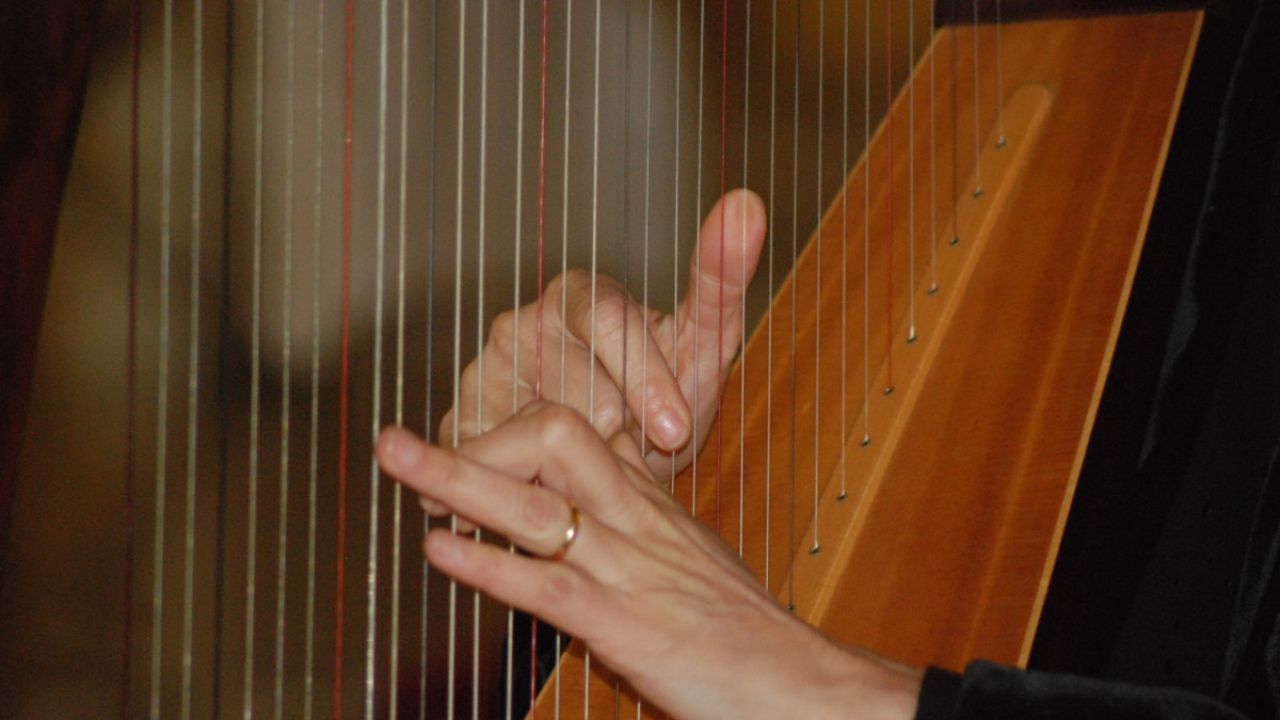
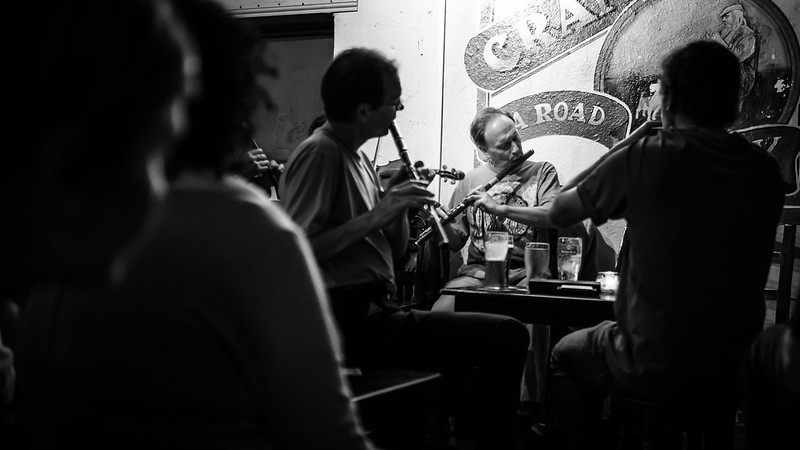
The Uilleann Pipes sit alongside instruments like the Clarsach and the Bodhrán in shaping Ireland’s musical identity.
While the bodhrán provides rhythm and the clarsach offers gentle harmonies, the pipes add emotional depth. They often lead ensembles because of their melodic strength and expressive tone.

Learning the Uilleann Pipes Today
Learning the Uilleann Pipes takes patience. The bellows technique feels unusual at first, and the regulators require fine control. However, modern teachers, workshops, and online groups make learning much easier.
New pipers often start with a “practice set” that includes only a bag, bellows, and chanter. As skills grow, they add drones and regulators.
Why the Uilleann Pipes Still Matter
The Uilleann Pipes continue to thrive because they connect people to Ireland’s heritage in a living, breathing way. Each tune becomes a conversation between past and present. Their sound carries history, resilience, and emotion, qualities at the heart of Irish identity.

If you’re exploring more of Ireland’s cultural landscape, the Celtguide Blog offers stories spanning music, folklore, history, and tradition.