The Story of William Wallace
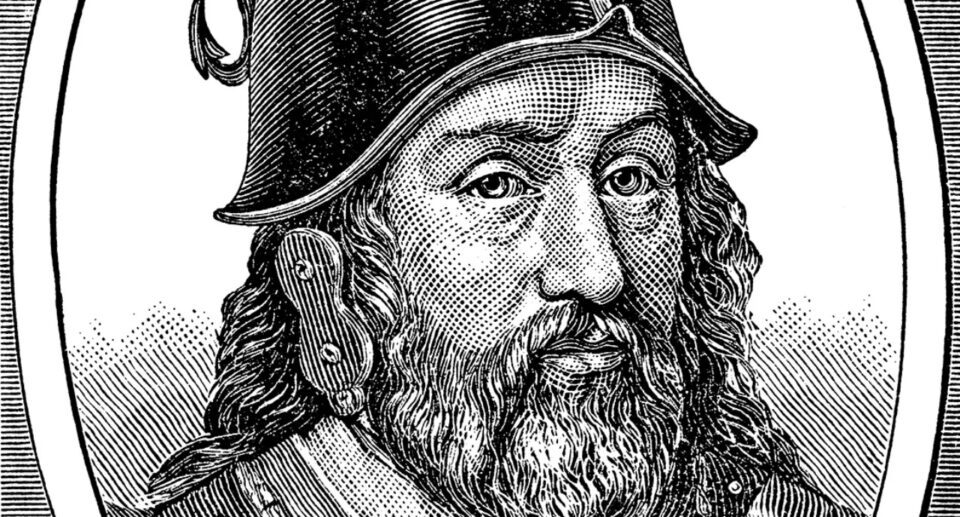
William Wallace stands at the heart of Scotland’s national story. His name evokes courage, defiance, and sacrifice. Yet the real man often disappears behind legend. To understand Wallace, we must step beyond cinema and enter the political and cultural landscape of late thirteenth-century Scotland.
Wallace did not fight merely for spectacle. He fought during a constitutional crisis that threatened Scotland’s sovereignty. His rebellion shaped Scottish nationalism and continues to inform cultural pride today.
Scotland in Crisis
In 1290, Scotland faced uncertainty after the death of the young Margaret, Maid of Norway. Competing nobles sought the throne. Edward I of England intervened and demanded overlordship. Many Scottish leaders complied. Others resisted.
Wallace emerged from this tension. He did not belong to the highest nobility. Sources suggest he came from a minor gentry family. Yet he possessed education, martial skill, and fierce loyalty to Scotland.
If you want to understand how kinship structured medieval society, explore How Many Scottish Clans Are There?
https://celtguide.com/how-many-scottish-clans/
Clans and regional alliances shaped the loyalties that men like Wallace mobilised.
The Spark of Rebellion
In 1297, Wallace killed the English sheriff of Lanark, William de Heselrig. Chroniclers record this act as retaliation for oppression. Whether personal or political, it ignited wider revolt.
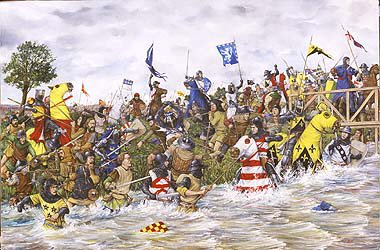
Wallace rallied forces across central Scotland. His leadership culminated at the Battle of Stirling Bridge in September 1297. There, Scottish troops exploited narrow terrain and defeated a larger English army. Wallace demonstrated tactical intelligence and boldness.
Stirling Bridge proved decisive. It reminded Scotland that resistance could succeed.
Guardian of Scotland
After Stirling, Scottish leaders appointed Wallace as Guardian of Scotland. He governed in the name of King John Balliol, who Edward had deposed. Wallace organised defence, maintained diplomatic contacts, and attempted to stabilise the kingdom.
Yet victory did not guarantee security. In 1298, Edward I confronted Wallace at the Battle of Falkirk. English longbowmen shattered Scottish formations. Wallace resigned the guardianship soon after.
His career as a national leader lasted barely a year. His symbolic legacy, however, endures.
Capture and Execution
In 1305, Scottish knight John de Menteith captured Wallace near Glasgow. English authorities transported him to London. There, they tried him for treason. Wallace rejected the charge. He argued that he never swore allegiance to Edward.
The court ignored his defence. They executed him brutally at Smithfield. His death aimed to intimidate Scotland. Instead, it intensified resistance.
The emotional power of martyrdom often shapes national memory. We see similar processes in ritual and remembrance, such as those explored in The Echo of Ancestors
https://celtguide.com/the-echo-of-ancestors-how-celtic-bells-ring-through-time/
Memory sustains identity across generations.
Wallace in Cultural Memory
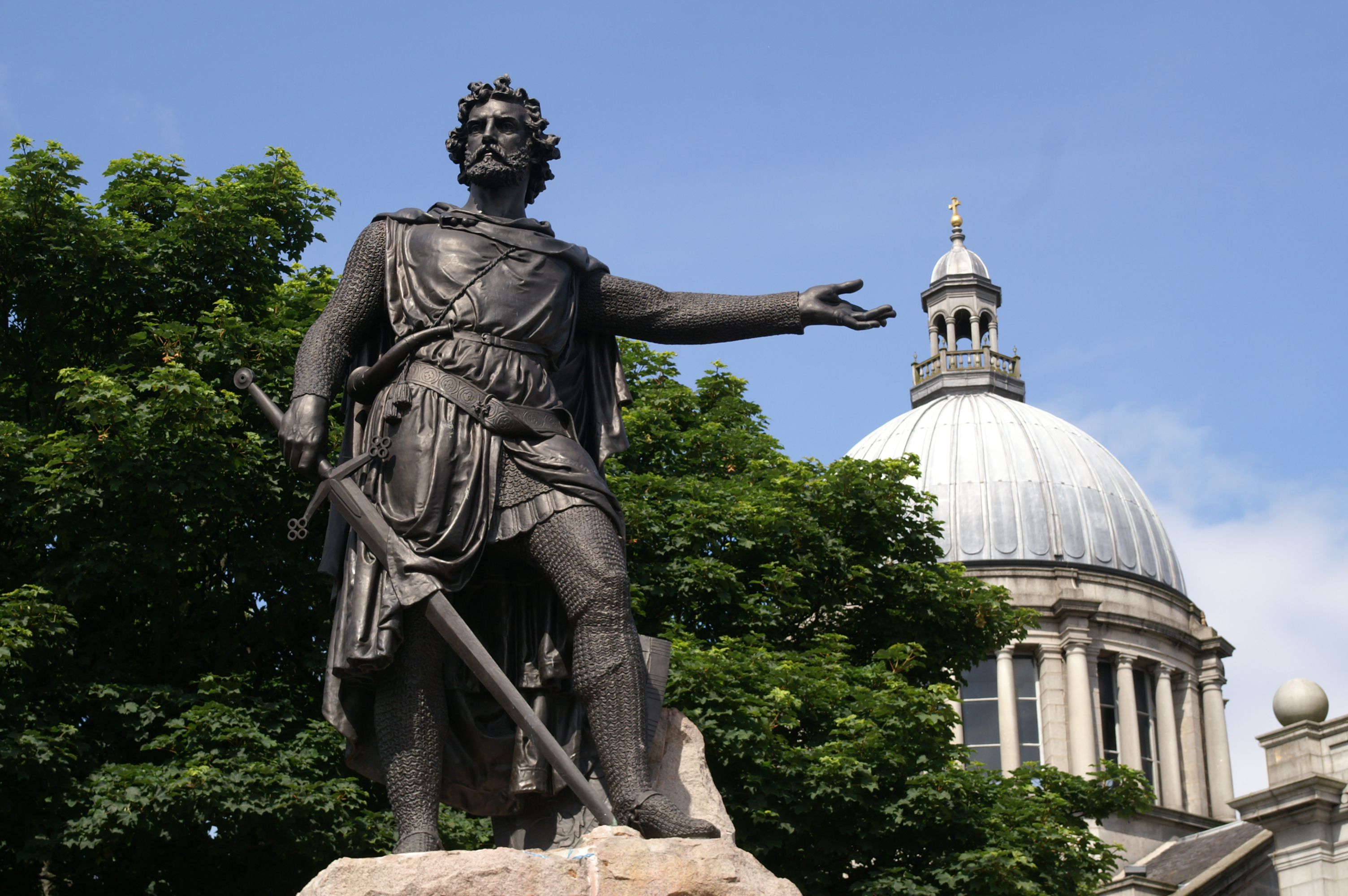
Wallace’s story grew through poetry and song. Blind Hary’s fifteenth-century epic poem transformed him into a larger-than-life hero. Later centuries embraced him as a symbol of liberty.
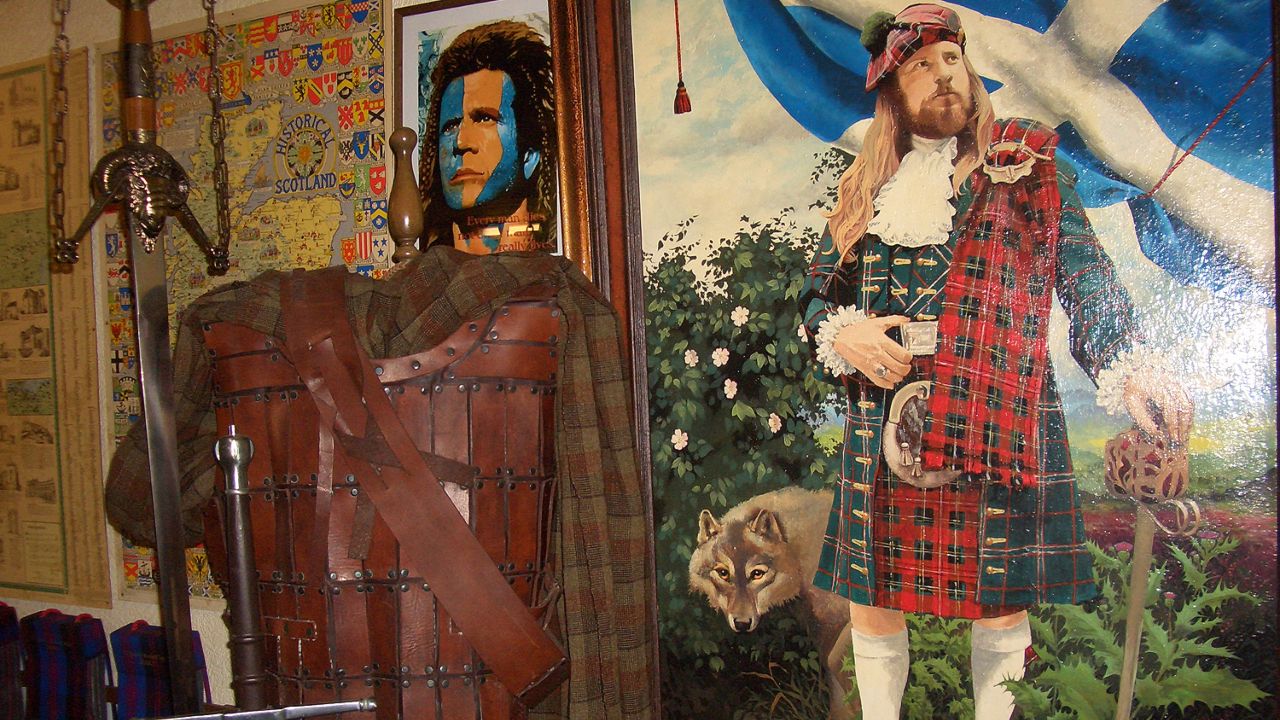
Modern audiences often meet Wallace through film. Popular culture shapes perception, much like tartan imagery shapes ideas about Scotland. For context on national dress traditions, read What Is Tartan?
https://celtguide.com/what-is-tartan/
Or explore how kilts appear in media in Kilts in Movies and Shows
https://celtguide.com/kilts-in-movies-and-shows/
These representations reveal how nations curate memory.
Wallace also occupies physical space in Scotland’s landscape. Visitors often connect his legacy with sites across the country, from Stirling to the Highlands. If you are planning travel, you might enjoy exploring broader Scottish destinations such as the Isle of Mull
https://celtguide.com/isle-of-mull/
Landscape and legend intertwine.
Leadership, Myth, and Meaning
As a historian, I encourage readers to distinguish between evidence and embellishment. Wallace did not fight alone. Figures like Andrew Moray shared leadership at Stirling Bridge. Robert the Bruce later secured independence at Bannockburn.
Yet Wallace matters because he embodied resistance at a critical moment. He acted decisively, accepted risk, and articulated the principle that Scotland possessed the right to self-rule.
National heroes often emerge during crisis. They concentrate collective aspiration into a single narrative. Wallace fulfils that role in Scotland.
Why William Wallace Still Matters
Today, debates about sovereignty and identity continue across the United Kingdom. Wallace’s story resurfaces in these conversations. He represents moral courage rather than flawless perfection.
His life reminds us that history involves human agency. Individuals can alter the trajectory of nations.
To explore more stories from Celtic history and heritage, visit our main blog hub
https://celtguide.com/blog/
Or browse related discussions in the Culture & Tradition category
https://celtguide.com/category/culture-tradition/
William Wallace’s story does not end in 1305. It lives in scholarship, in monuments, and in Scotland’s continuing dialogue about freedom.