The Scottish Ghillie Shirt: Tradition in Every Thread

There’s something effortlessly timeless about the Scottish Ghillie Shirt. Simple yet striking, it bridges rugged Highland tradition and modern comfort. Whether worn with a kilt at a ceilidh or paired casually at a Highland Games, the Ghillie Shirt is more than a garment, it’s a symbol of Scotland’s easy grace and enduring pride.
What Is a Ghillie Shirt?
The Ghillie Shirt, sometimes called the “Jacobean Shirt,” is a loose-fitting garment with a lace-up neckline. Unlike formal dress shirts, it has no stiff collar or buttons. Instead, crisscrossed leather ties and soft, flowing fabric give it a relaxed, natural feel perfect for the Highland lifestyle.
Traditionally made from cotton or linen, it’s worn tucked into a kilt or trews. Its open chest design kept Highlanders cool during dances, hunts, and gatherings long before central heating or tailored suits came into style.

A Garment Rooted in Highland Life
The word ghillie itself comes from the Gaelic gille, meaning “servant” or “lad.” Historically, a ghillie was a Highland attendant or outdoor guide who helped clansmen during hunting and travel. These guides needed clothing that allowed freedom of movement and comfort in Scotland’s unpredictable weather and the Ghillie Shirt fit the bill perfectly.
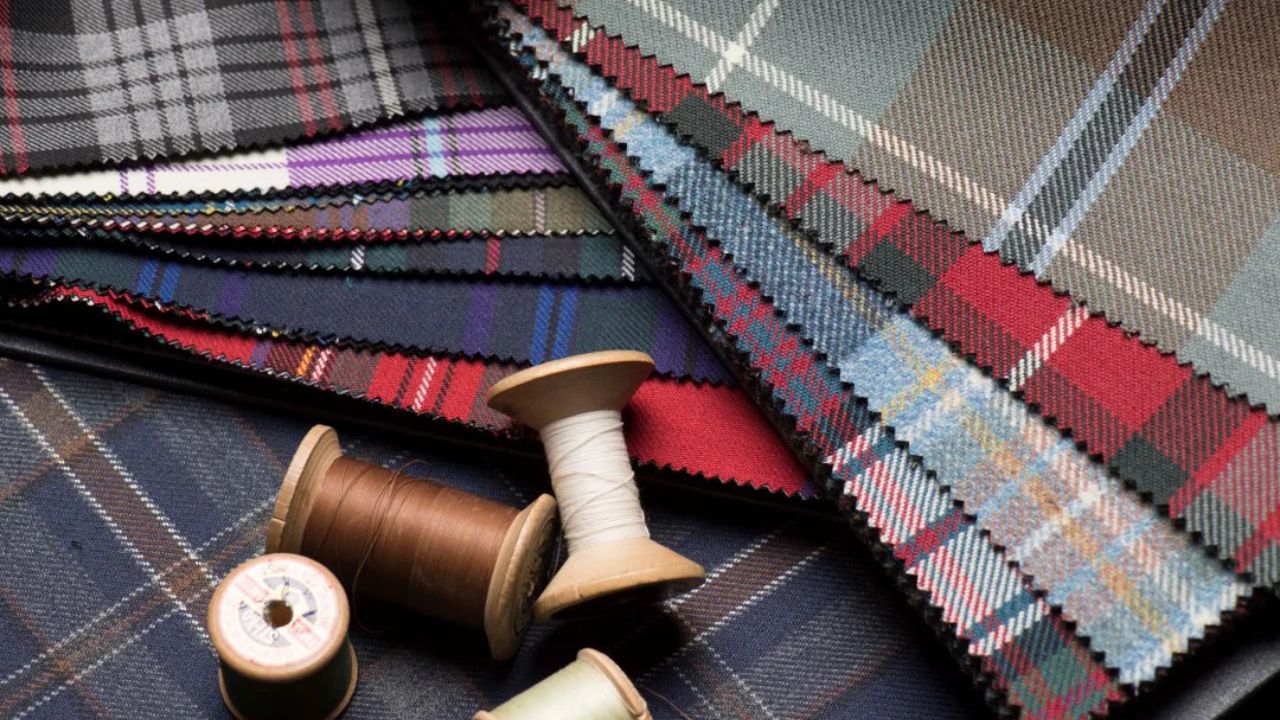
It’s no surprise the shirt became a Highland staple, often paired with kilts woven in clan tartans, like those described in What Is Tartan?. The Ghillie Shirt’s functionality, paired with its simple beauty, made it a favourite among both commoners and chieftains.
From the Highlands to the Modern World
In the 20th century, the Ghillie Shirt found new life. As traditional Scottish attire gained renewed popularity, it became a go-to choice for ceilidhs, weddings, and Highland gatherings. Unlike formal jackets or waistcoats, the shirt’s relaxed fit suits both men and women, lending a sense of authenticity without stiffness.
You’ll often see performers and dancers in Ghillie Shirts at events like the Highland Games, where comfort and mobility matter just as much as heritage. Its breezy form is perfect for those high-energy steps and reels that define Scottish music and dance culture.

A Shirt That Breathes Heritage
Every lace and fold of a Ghillie Shirt tells a story. It reflects Scotland’s history of practicality, independence, and understated elegance. The same cultural values seen in other Celtic crafts from Celtic Stone Carvings to Highland textiles, also live in this humble garment.
Even today, designers reinterpret the shirt with fine materials, sometimes pairing it with modern kilts like those explored in How to Measure for a Kilt or Kilts in Movies and Shows. Yet, its spirit remains unchanged — unpretentious, strong, and undeniably Scottish.

Wearing the Ghillie Shirt Today
You don’t need to be in the Highlands to wear a Ghillie Shirt. It’s versatile enough for festivals, folk concerts, and even casual wear. Many pair it with jeans, kilts, or tartan sashes, like those described in How to Wear a Tartan Sash. Its breathable design makes it ideal for warm weather, while layering gives it year-round appeal.
To truly embrace its spirit, wear it with confidence. That’s the real essence of Celtic fashion.
More Than Fashion — A Cultural Statement
The Ghillie Shirt isn’t merely about style. It connects its wearer to a lineage of craftsmanship, dance, and kinship. In that sense, it’s similar to the Claddagh Ring both symbols of loyalty and heritage that continue to evolve while staying true to their roots.
When worn at festivals or gatherings, it’s not just a shirt, it’s a piece of living history. Every thread recalls the Highlands’ landscapes, the echo of bagpipes, and the warmth of Scottish community spirit.