Scottish Clan Tartan Colours: Threads of Identity and Heritage

Walk through the Scottish Highlands, and you’ll soon spot a kaleidoscope of tartan patterns; deep greens, ocean blues, blood reds, and sunlit yellows woven into history itself. Each Scottish clan tartan tells a story, not just through its pattern but through the colours that carry centuries of pride, lineage, and belonging. Understanding tartan colours is to read Scotland’s story stitched in cloth.
The Language of Colour in Scottish Tartans
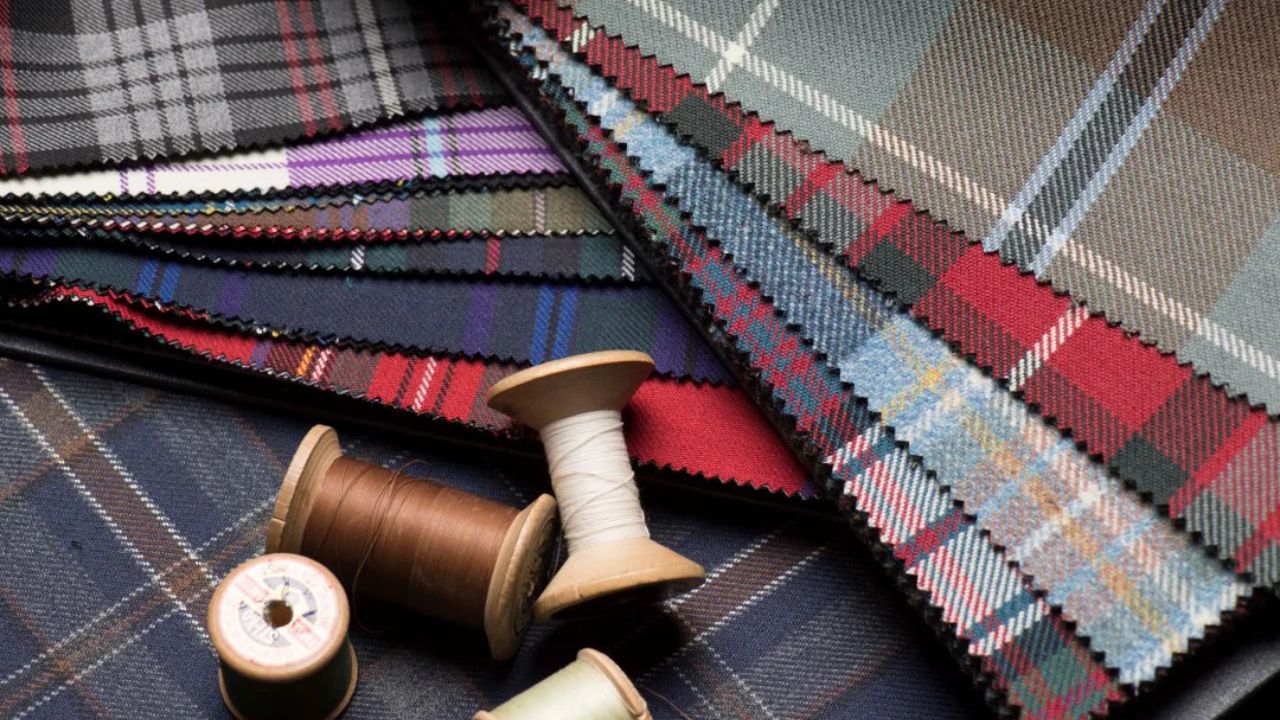
Tartans are more than decorative fabric, they’re a coded language of kinship. Historically, local weavers dyed wool using plants, lichens, and minerals native to their region. That meant the landscape shaped the tartan’s palette: earthy browns from heather roots, blues from woad, and greens from moss.
As tartan making evolved, colours took on symbolic meaning. Green often represented the land and loyalty. Blue reflected rivers and skies, evoking peace and protection. Red symbolized courage and valor in battle. Yellow and gold stood for prosperity and high rank.
For a deeper understanding of the roots of tartan itself, explore What Is Tartan?, a comprehensive guide to the evolution of this Scottish emblem.

Clan Colours and Their Meanings
Each clan’s tartan is unique, blending history and symbolism. The MacDonald tartan, with its bold reds and blacks, speaks of power and dominance. The Campbell tartan’s dark greens and blues reflect loyalty and strength. Meanwhile, the MacLeod tartan’s golden hues mirror sunshine, warmth, and pride.
While these interpretations may vary, colour remains a unifying thread—a visual mark of identity. To explore how clans formed and thrived, visit How Many Scottish Clans Exist?.

Weather, Warfare, and Weaving
The colours of tartan were also practical. Highland weather demanded thick wool that blended naturally with the environment. Warriors used muted greens and browns in hunting tartans, while ceremonial versions burst with brighter reds and yellows. This contrast, subtle versus striking, reflected Scotland’s dual nature: fierce in battle, elegant in celebration.
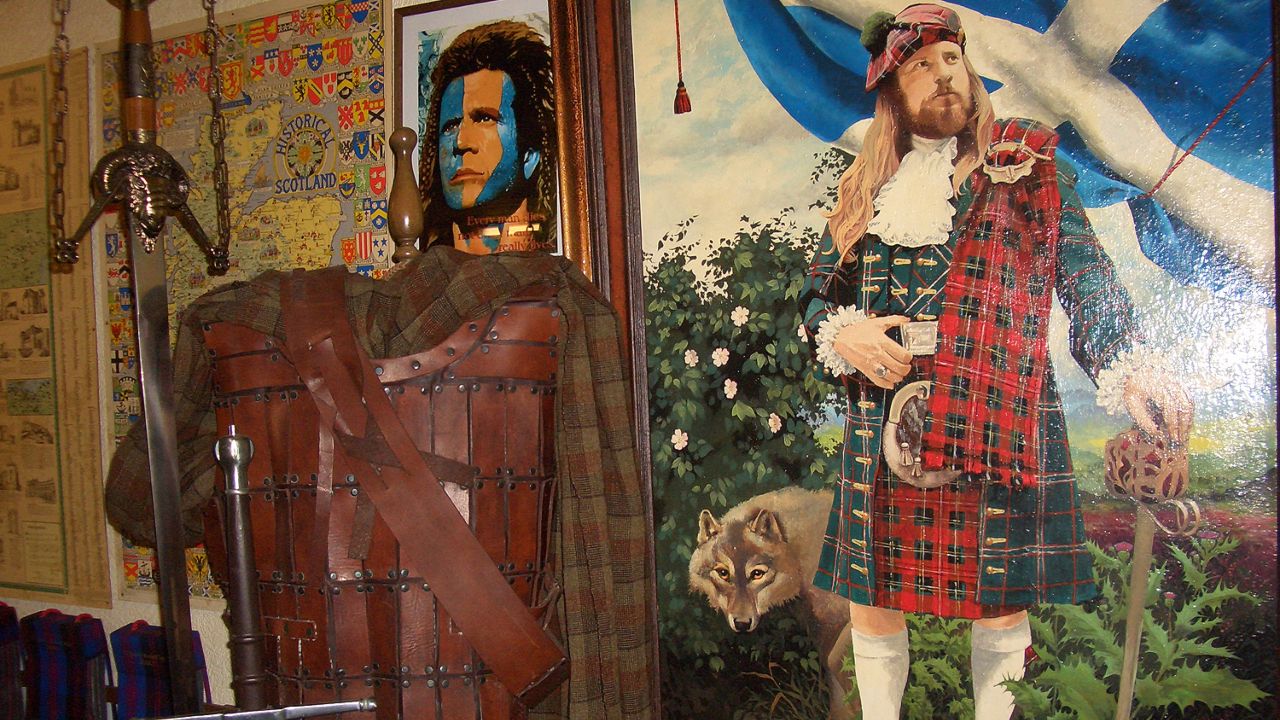
Those fascinated by tartan in history and cinema can explore how it appears on screen in Kilts in Movies and Shows.

From Clan Pride to Global Fashion
Today, tartan isn’t confined to clan gatherings. Designers worldwide adapt these patterns into modern fashion, from scarves to haute couture. Still, authenticity remains valued each pattern links back to ancestral lands and families.
Tartan connects to the same artistic spirit found in Celtic Stone Carvings and the rhythmic craft traditions that shape Scotland’s identity. Whether worn at Highland Games or weddings, tartan reminds Scots and those who admire their culture that heritage can live on through cloth.

A Living Fabric of Memory
Every tartan colour tells a story of soil and sky, love and loss, clan and country. These colours remind Scots of who they are and where they come from. When one dons a kilt or a shawl in their clan’s tartan, it isn’t just fabric, it’s family, woven across generations.
To discover more about the evolution of tartan design, explore How Long Has the Tartan Print Been Around?.