


The Scottish Border Reivers’ Clothing: Function Meets Identity
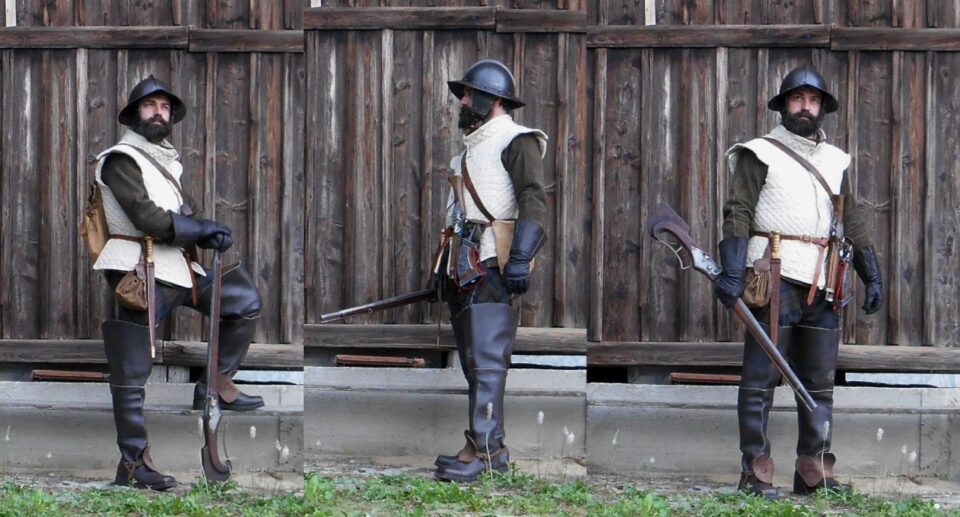
The Scottish Borders, stretching along the frontier with England, were home to the notorious Border Reivers from the late medieval period into the early 17th century. These clans were known for their raiding, feuding, and enduring life in one of Scotland’s harshest regions. Their clothing provides a fascinating window into their daily lives, social identity, and survival strategies. Understanding Reiver attire reveals how necessity, environment, and culture shaped their fashion.
Practicality at Its Core
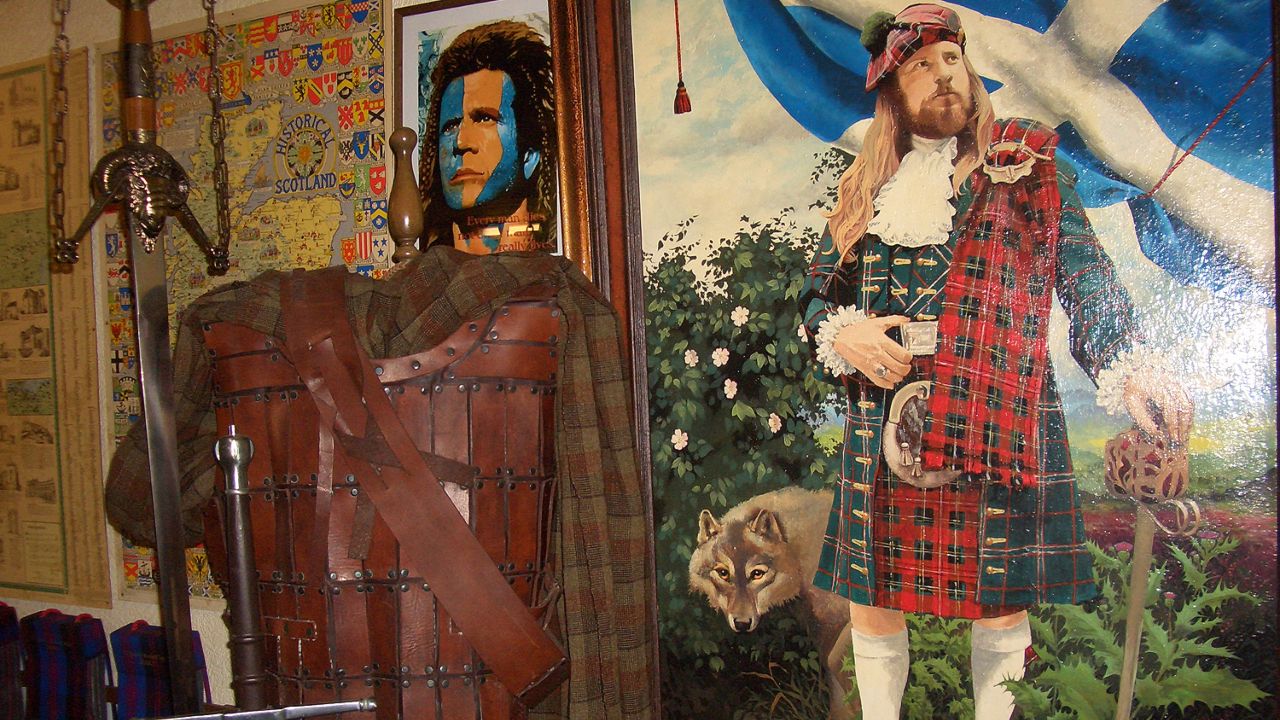
Reiver clothing prioritized durability and utility over elegance. Woolen tunics and leather doublets were staples, crafted to withstand both the cold, damp climate and the frequent skirmishes. Thick wool provided insulation during long winters, while leather reinforced key areas to prevent wear and injury. Leather boots were essential for navigating the uneven hills and moors of the Borders, offering protection against rocks, mud, and the occasional ambush.
Belts, often carrying small tools or weapons, played a vital role. Knives, especially the dirk, were a constant accessory, reflecting the Reivers’ readiness for conflict. These garments weren’t just about survival, they were a visual testament to resilience and practicality.
Layered Clothing for Protection
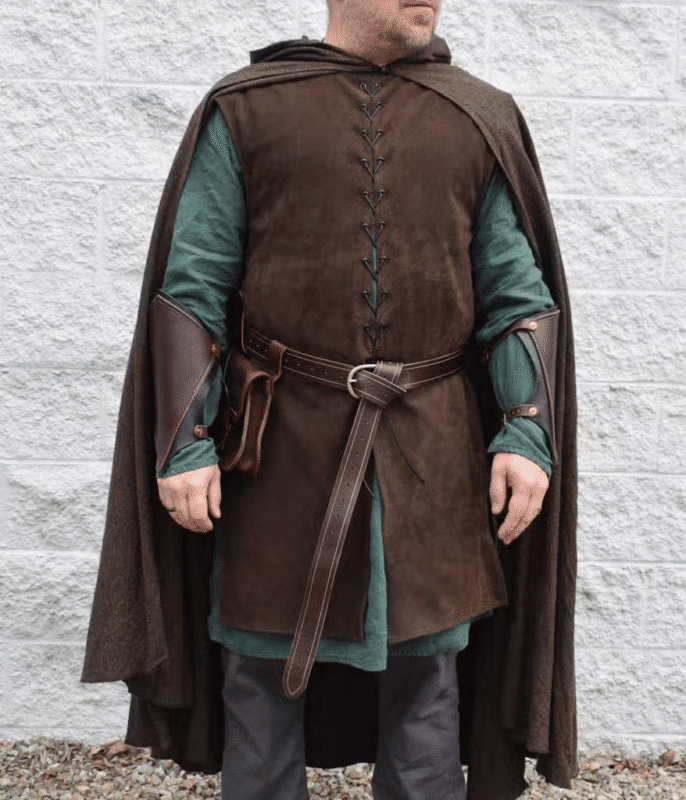
Layers were crucial for both weather and defense. A typical Reiver might wear a woolen tunic under a leather jerkin, topped with a cloak lined with fur for warmth. Wool caps or hoods, similar in style to the famous Tam o’ Shanter hat, kept the head warm and shielded from rain.
This layering approach was functional and flexible, allowing Reivers to adapt quickly to different environments. On colder days, fur lining or an extra cloak layer could be added; during raids, lighter garments allowed for agile movement. These practical considerations reflect a culture deeply intertwined with the harshness of the land.
Identity and Allegiance Through Patterns
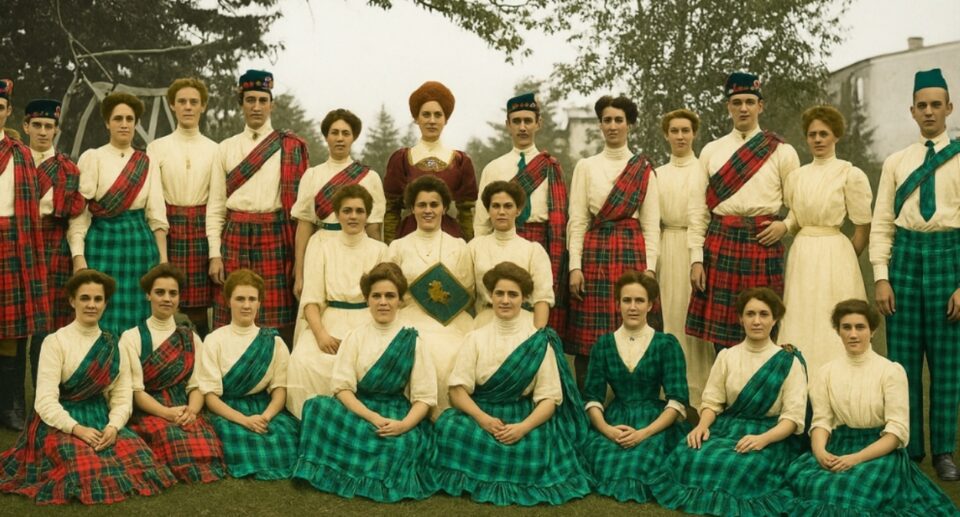
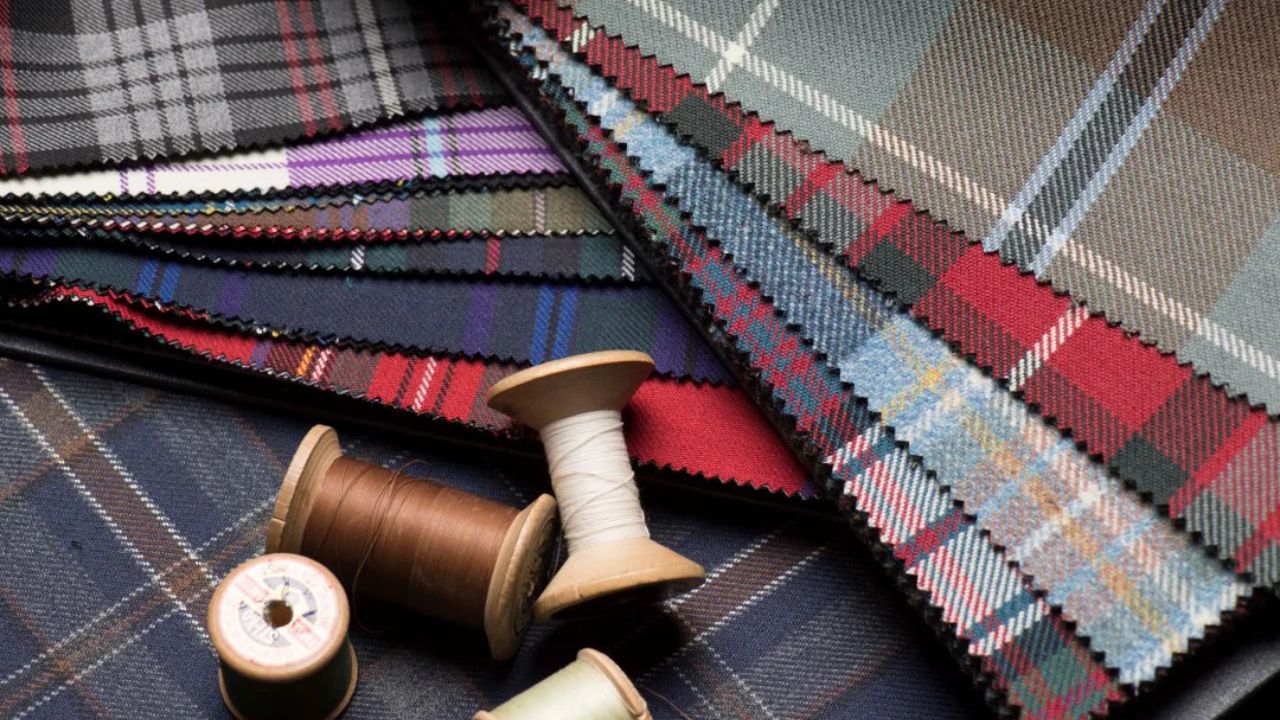
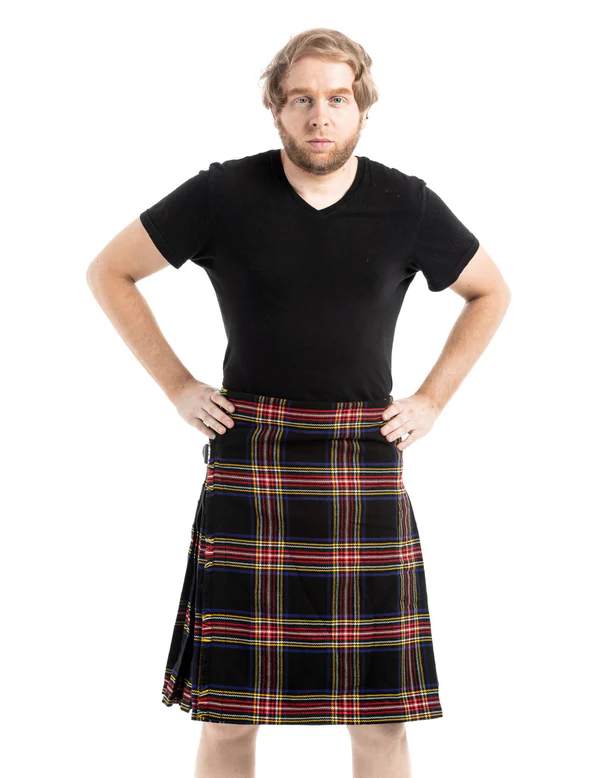
While tartan is typically associated with Highland clans, Border Reivers also used distinctive patterns and colors to signify allegiances and family identity. Early tartan-like weaves helped Reivers recognize allies during raids or feuds, serving as both practical and symbolic markers.
Understanding these patterns provides insight into how fashion intersected with social and familial identity. For further reading on the history and meaning of tartan, see our guides on what is tartan and how long tartan prints have been around.
Accessories and Armament
Accessories were minimal yet essential. Leather pouches and belts allowed Reivers to carry provisions, ammunition, and weapons efficiently. Gloves and simple headgear offered additional protection without restricting mobility. Small personal weapons, primarily dirks and occasionally short swords were integrated into everyday attire, demonstrating a seamless blend of clothing and armament.
This combination of attire and tools underscores the Reivers’ practicality-driven lifestyle. Unlike ceremonial dress, Reiver clothing was designed to support both work and survival in an environment where danger was constant.

Clothing as a Reflection of Border Life
The clothing of Scottish Border Reivers reflects resilience, resourcefulness, and identity. Every item, from boots to belts, was chosen for function, protection, and sometimes symbolic meaning. Their attire tells a story of survival in a region defined by conflict, harsh weather, and shifting alliances.
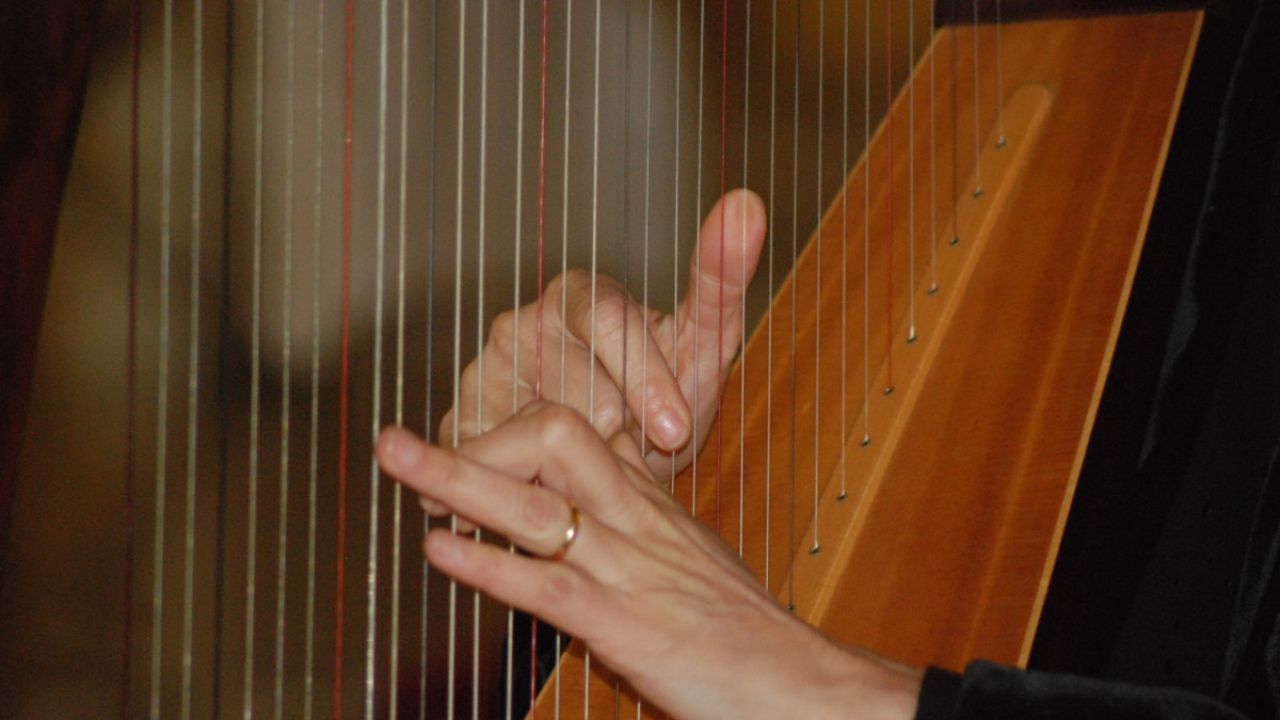
Beyond function, clothing also mirrored broader Celtic cultural elements. Patterns, weaves, and certain accessories show continuity with other Scottish and Irish traditions. For example, just as the Celtic harp or clarsach holds cultural symbolism, Reiver garments reflected a combination of practicality and identity. Their clothing was a statement of belonging and a tool of survival.
Legacy of the Reivers’ Attire
Though the era of Border Reivers ended centuries ago, their clothing remains a cultural and historical touchstone. Modern reenactments, heritage festivals, and research into Scottish dress often highlight these garments, preserving knowledge of how people adapted to one of Scotland’s most challenging regions. For those interested in the broader context of Scottish heritage, exploring Celtic fashion and history offers fascinating connections to other traditions, such as kilts and tartans, which evolved in parallel to Reiver clothing.
By studying Reiver attire, we gain more than historical facts, we glimpse a resilient way of life where clothing was a means of survival, a marker of identity, and an emblem of cultural continuity.