The Legend of Cú Chulainn: Ireland’s Warrior Hero
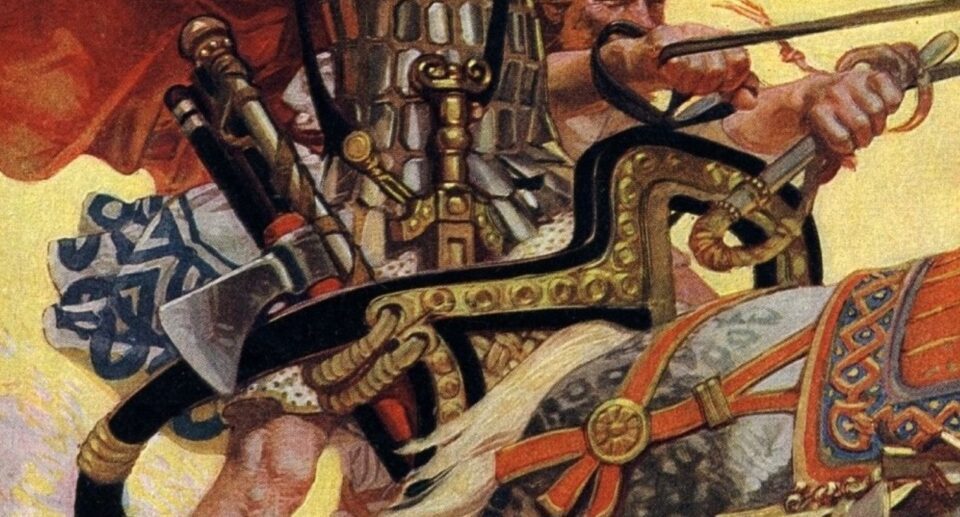
Among Ireland’s mythic figures, none stands taller than Cú Chulainn. His story pulses with speed, strength, tragedy, and youth. Warriors feared him. Poets celebrated him. Generations remembered him through spoken word long before ink met parchment.
Cú Chulainn does not belong to quiet legend. He belongs to thunder, blood, and honour.
Origins of a Hero: From Sétanta to Cú Chulainn
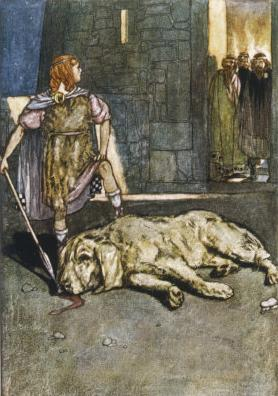
Cú Chulainn entered legend as a child named Sétanta. His fate changed when he killed the fierce guard dog of Culann the smith. To repay the loss, the boy vowed to serve as the hound himself. From that promise came his name; Cú Chulainn, the Hound of Culann.
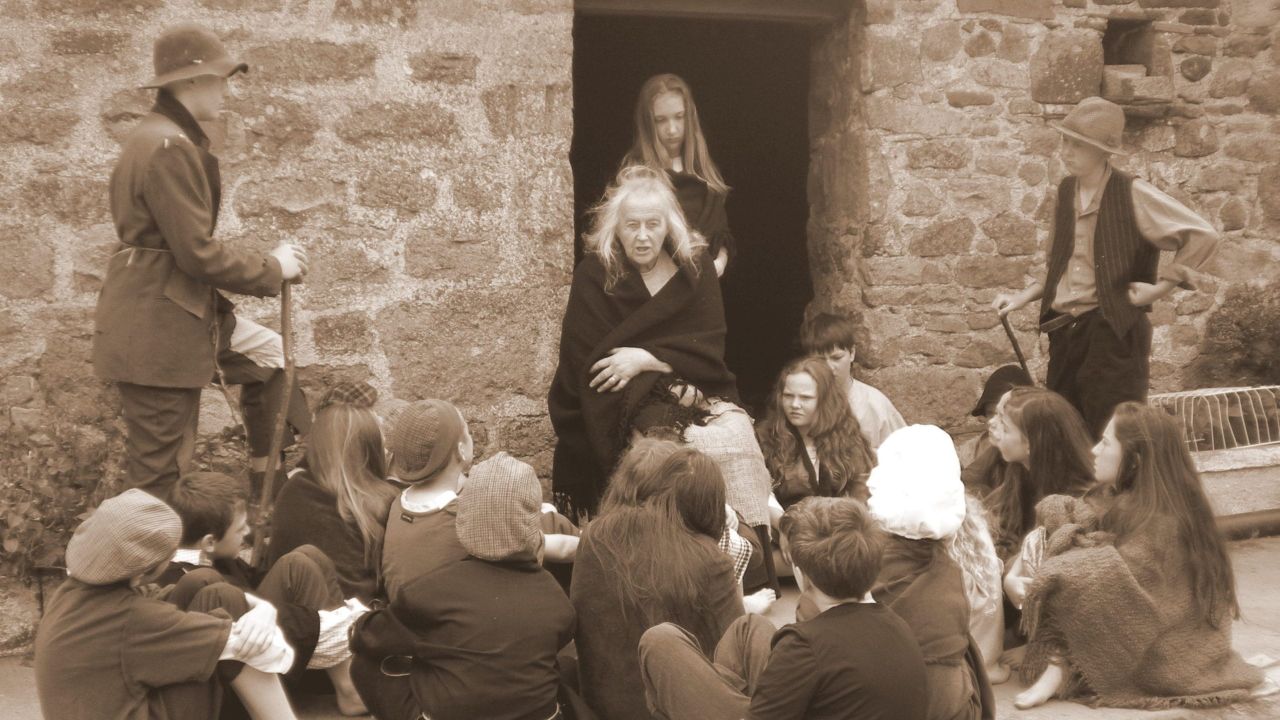
The tale reflects a deep Irish belief in honor through action. Stories like this survived because Ireland relied on oral tradition, not written record. That same storytelling instinct appears in Why Are Irish People Natural Storytellers?.
Even as a boy, Cú Chulainn showed unnatural strength. Myth never presents him as ordinary. It presents him as inevitable.
The Ulster Cycle and the Brown Bull of Cooley
Cú Chulainn’s legend dominates the Ulster Cycle, a body of Irish myths focused on warfare, kingship, and territory. His most famous role appears in the Táin Bó Cúailnge, The Cattle Raid of Cooley.
While Ulster’s warriors lay cursed, Cú Chulainn alone defended the province. He fought champions one by one, holding borders through single combat. No army advanced without facing him first.
These stories often link power with place. The political importance of ancient Irish centers, such as The Hill of Tara, helps explain why territorial myths mattered so deeply.
The Warp-Spasm: A Body Transformed by Fury
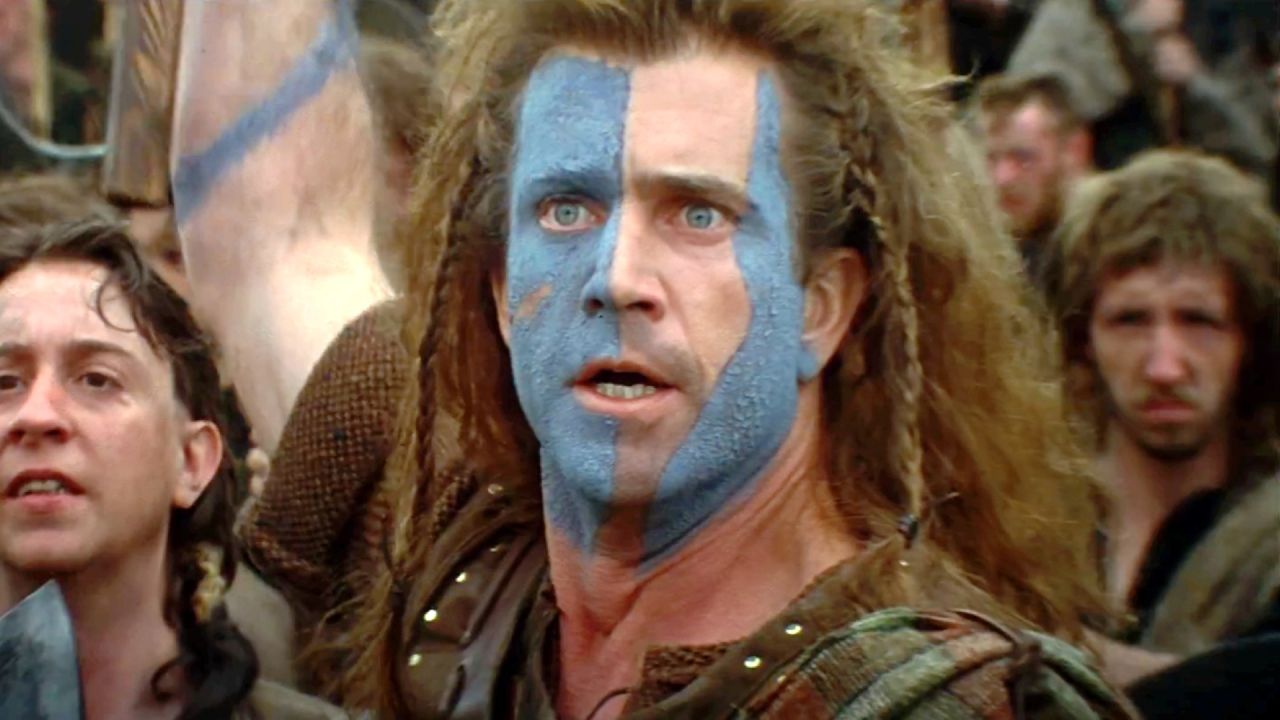
Cú Chulainn did not fight like other men. When rage overtook him, he entered the ríastrad, or warp-spasm. His body twisted. One eye sank. The other bulged. Heat rose from his skin.
This transformation terrified enemies and allies alike. It symbolized uncontrolled power, the cost of unmatched strength. Irish myth often warns that greatness carries consequence, not comfort.
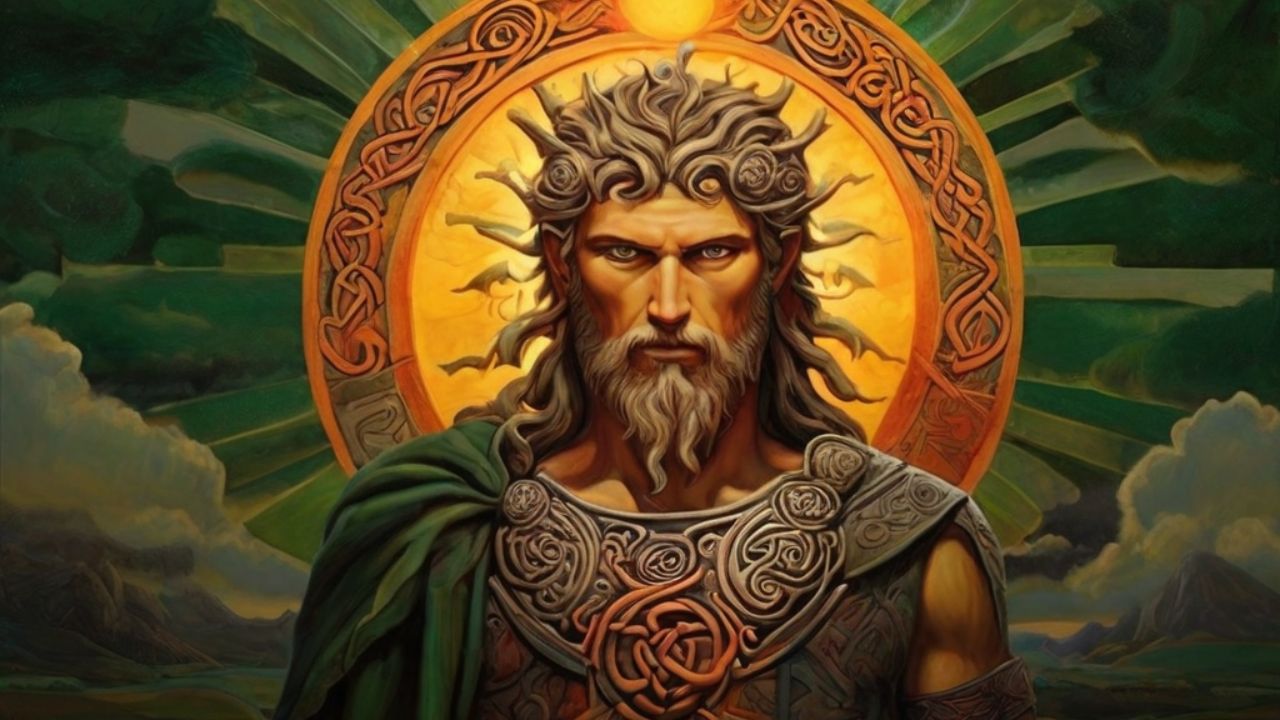
Other Celtic traditions echo this balance between power and danger, such as divine figures explored in Celtic Sun God Lugh, who also blends skill with destructive force.
Weapons, Training, and Superhuman Skill
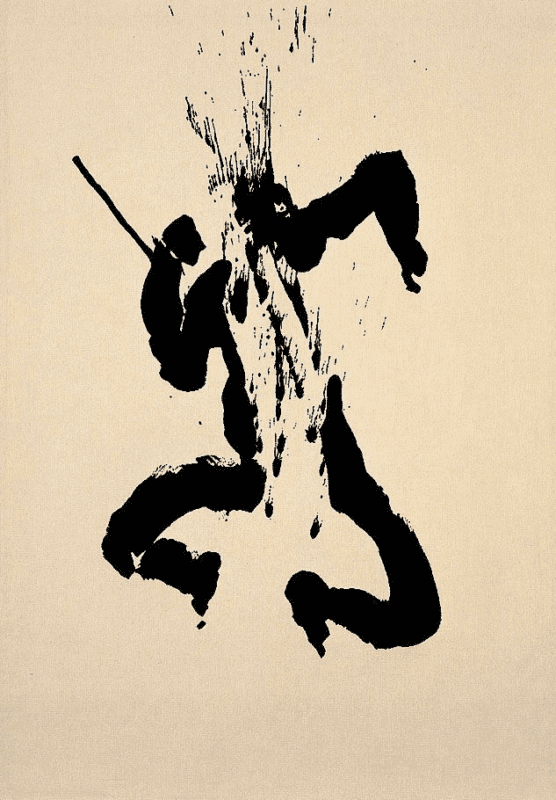
Cú Chulainn trained under the warrior woman Scáthach. She taught him the use of deadly weapons, including the Gáe Bolga, a spear that spread barbs inside its victim. Skill defined him as much as strength.
Combat in Irish myth did not rely on brute force alone. Rhythm, timing, and precision mattered. Even traditional music reflects this martial pulse. You can sense it in Irish rhythm traditions like the bodhrán drum, where timing commands attention.
His fighting style made him unstoppable, but never invincible.
Death Bound by Fate
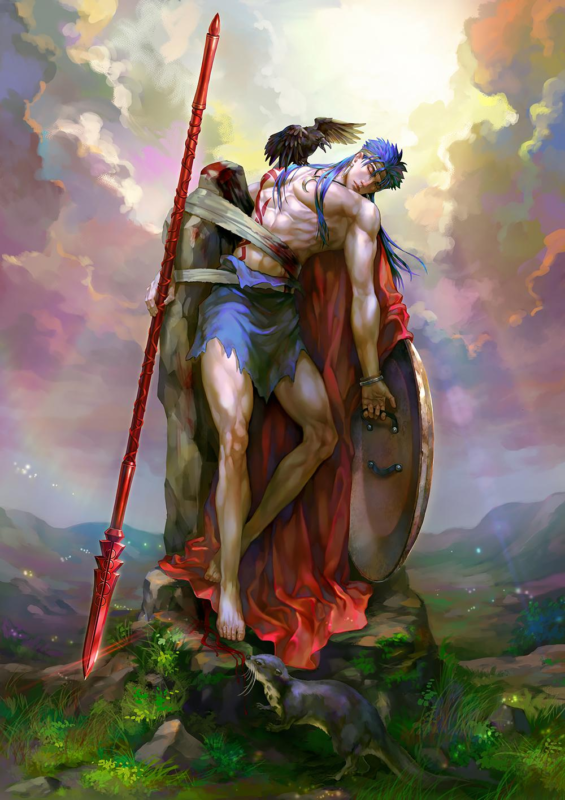
Cú Chulainn’s death stands among the most haunting moments in Irish mythology. Bound by geasa, sacred vows, he broke taboos to survive battle. That choice sealed his fate.
Wounded and dying, he tied himself upright to a stone so he could face enemies standing. Only when a raven landed on his shoulder did foes accept his death.
This image of defiant dignity echoes later Irish ritual traditions, including those explored in Heartbeat of Farewell: Irish Wake Traditions.
Why Cú Chulainn Still Matters
Cú Chulainn remains Ireland’s eternal warrior not because he always won, but because he never retreated from duty. His legend explores youth, sacrifice, rage, and honor with rare intensity.
In a modern world, his story still asks ancient questions:
How much strength is too much?
What does loyalty cost?
Irish mythology does not answer gently but it always answers honestly.