
The Jacobite Rose: A Symbol of Loyalty and Resistance

Introduction: A Flower with a Cause
Flowers are never just flowers in history, they bloom with meaning. The Jacobite Rose, delicate yet defiant, became a living emblem of political resistance and loyalty to the exiled Stuart dynasty. Much like tartan, this rose was not merely decorative. It was a quiet but potent declaration of identity, a coded symbol worn by supporters who risked much for their cause.
The Origins of the Jacobite Rose
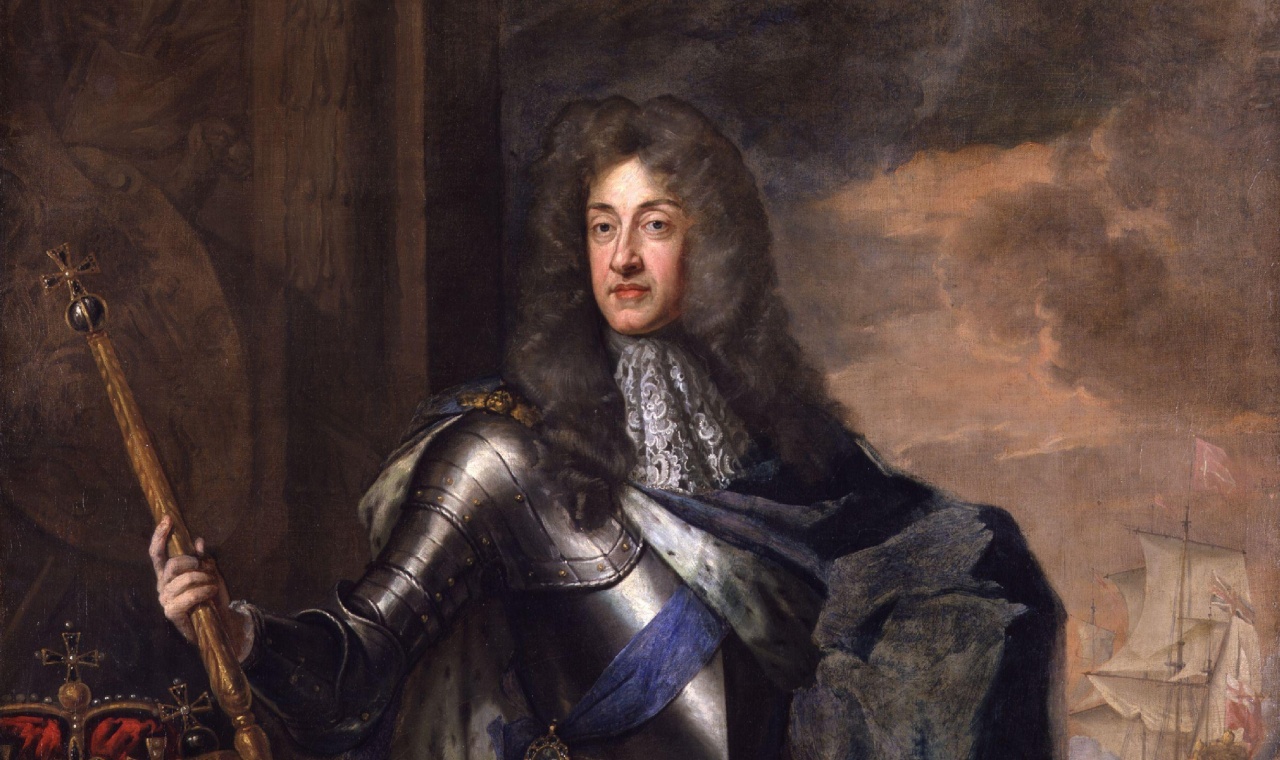
The Jacobite cause emerged after the 1688 Glorious Revolution, when King James II of England and VII of Scotland, of the Stuart line, was deposed. His supporters, known as Jacobites (from Jacobus, Latin for James), carried his legacy through decades of uprisings.
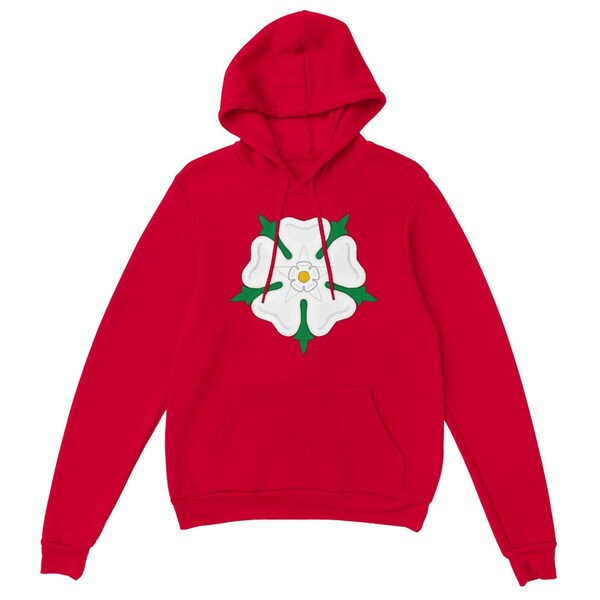
In this turbulent landscape, the white rose of Scotland blossomed as a subtle badge of allegiance. Far less conspicuous than banners or tartans, the rose allowed Jacobites to signal their loyalty without uttering a word.

The Rose as Secret Language
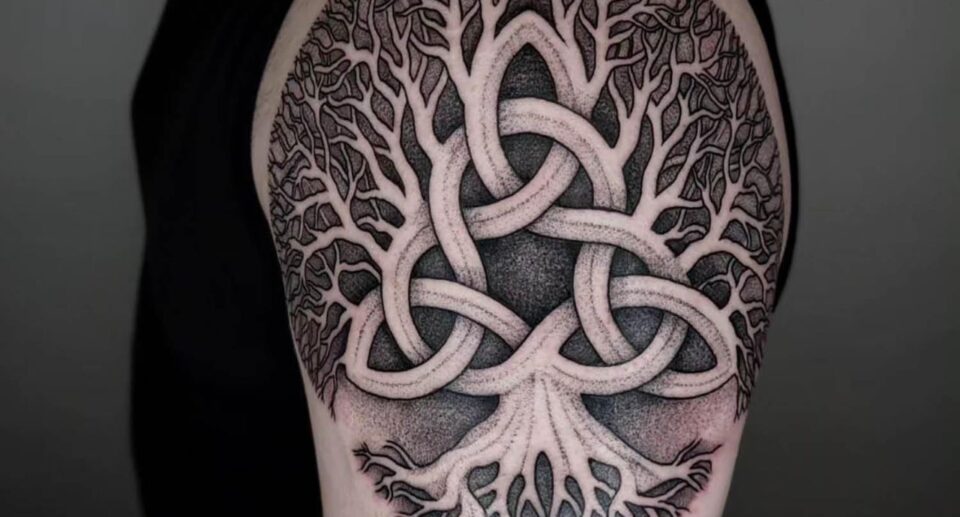
The Jacobite Rose functioned as a form of silent communication, much like Celtic stone carvings conveyed meaning in symbols. A white rose pinned to a lapel, embroidered into fabric, or even slipped into a bouquet could identify a sympathizer.
In a world where open rebellion was dangerous, this flower became an act of quiet defiance comparable to the coded messages hidden in Gaelic proverbs.
Clans, Culture, and the Jacobite Rose
Just as Scottish clans were identified through their tartans, Jacobite sympathizers could identify each other through the rose. It was worn especially on June 10th, the birthday of James Francis Edward Stuart, the “Old Pretender.”
This blending of political loyalty and cultural identity is echoed across Scottish tradition, from the defiant rhythms of the bodhrán drum to the enduring symbolism of the Celtic oak tree.

The Jacobite Rose in Poetry and Song
The rose also found its way into literature and music, where symbolism could be more safely explored. Jacobite songs and ballads sung in hushed tones around firesides often invoked the white rose as a metaphor for loyalty, loss, and hope.
Like the clarsach, the Celtic harp, these songs carried the emotional weight of heritage, preserving memory long after the rebellions faded.
The Legacy of the Jacobite Rose
Though the Jacobite risings ended in tragedy, especially after the Battle of Culloden in 1746, the rose endured. Today, it is less a political emblem and more a cultural reminder, an echo of a people’s loyalty and resilience.
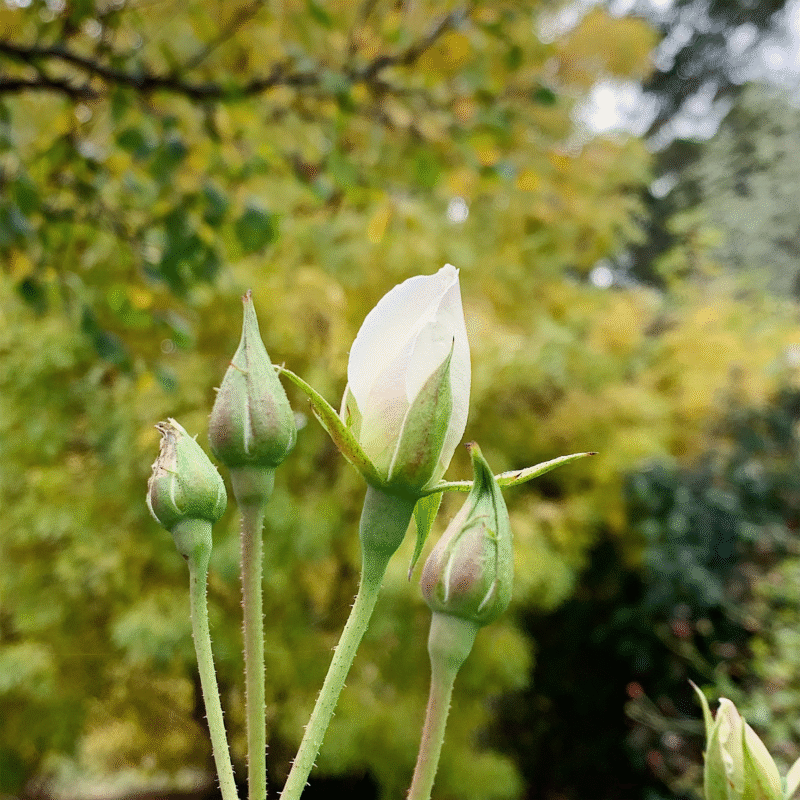
It stands alongside enduring Scottish symbols such as the tam o’ shanter hat and tartan shawls, a floral thread in the larger tapestry of Scottish identity.
Conclusion: A Bloom of Defiance
The Jacobite Rose reminds us that history is not only fought on battlefields but also whispered in symbols. It was a rallying cry disguised as a flower, a subtle act of defiance that bloomed even in silence.
Like the Highland Games, the rose connects past loyalty with present heritage, keeping alive the memory of a cause that once stirred all of Scotland.
To uncover more stories of resilience and tradition, explore our Culture & Tradition archives.