Scottish Military Tartan Patterns: A Complete Guide

Scottish military tartan patterns sit at the crossroads of identity, duty, and cultural memory. They carry stories of Highland regiments, clan loyalties, and national pride. Many readers arrive at tartan through clans or fashion, but military tartan has its own deep system of meaning. If you love exploring Scotland’s cultural symbols, you might also enjoy our guide on What Is Tartan? or the history-focused article How Long Has the Tartan Print Been Around?.
Let’s walk through how these patterns came to define Scottish regiments and why they still inspire admiration today.
The Origins of Scottish Military Tartans
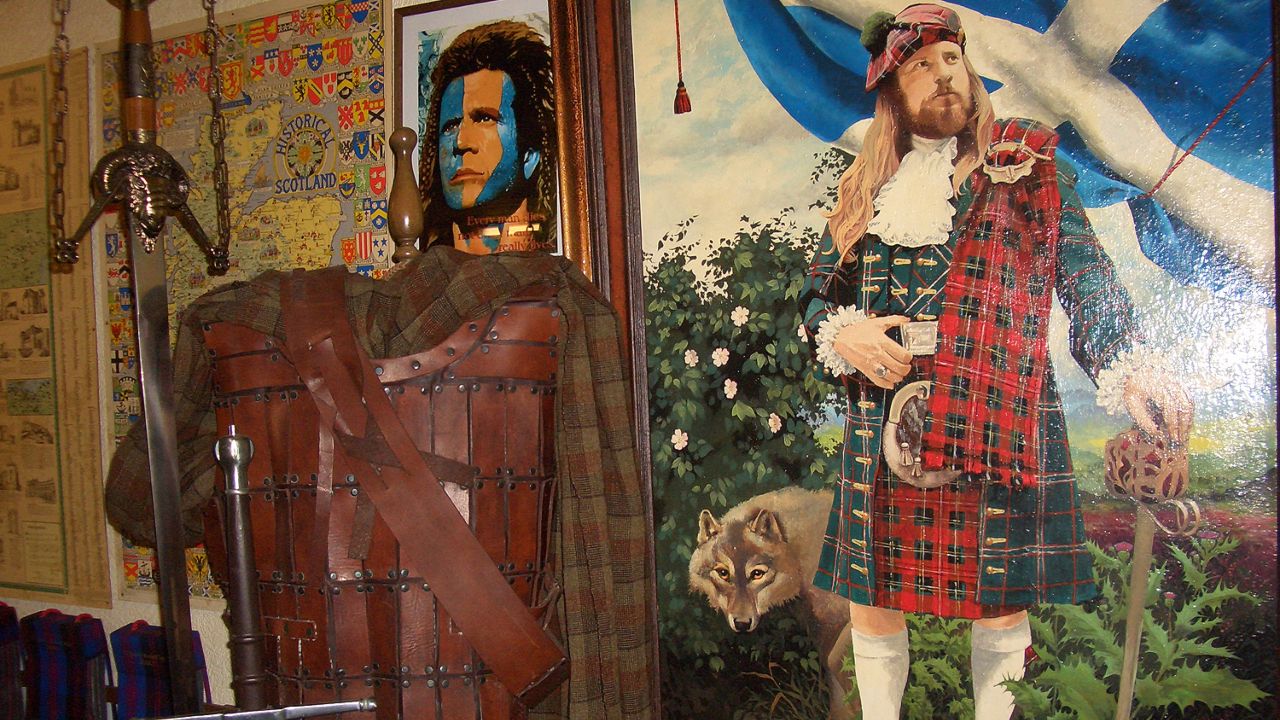
Military tartan began long before official uniform regulations. In the medieval Highlands, warriors wore whatever tartan their region produced, usually dyed with local plants. These early patterns lacked strict standardization, but they created a strong visual identity on the battlefield.
By the 18th century, the British Army recognized the Highland soldier’s fierce reputation and formed distinct regiments. This moment marked the beginning of regulated military tartans.
The Rise of Regimental Identity
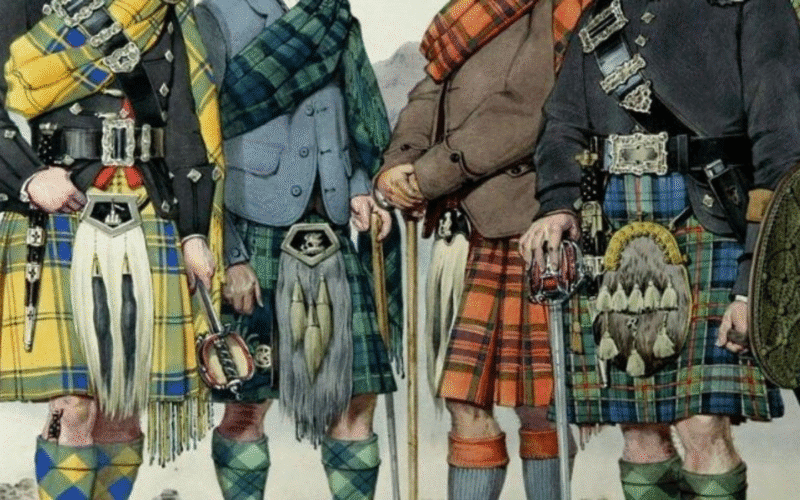
As Highland regiments emerged, each unit adopted a specific tartan. The goal was twofold: give soldiers a sense of belonging and help identify units quickly.
The most iconic examples include the Black Watch (42nd Regiment), Gordon Highlanders, Argyll and Sutherland Highlanders, and the Cameron Highlanders. Their patterns remain instantly recognizable today.
If you enjoy exploring the cultural complexity behind Scottish communities, you may also want to read How Many Scottish Clans Are There?.
The Black Watch: The Blueprint for Military Tartan
No military tartan carries more historical weight than the Black Watch. Introduced in the early 1700s, it uses a restrained palette of deep green and navy. This muted color scheme served two purposes: camouflage in the Highland landscape and a disciplined, unified appearance.
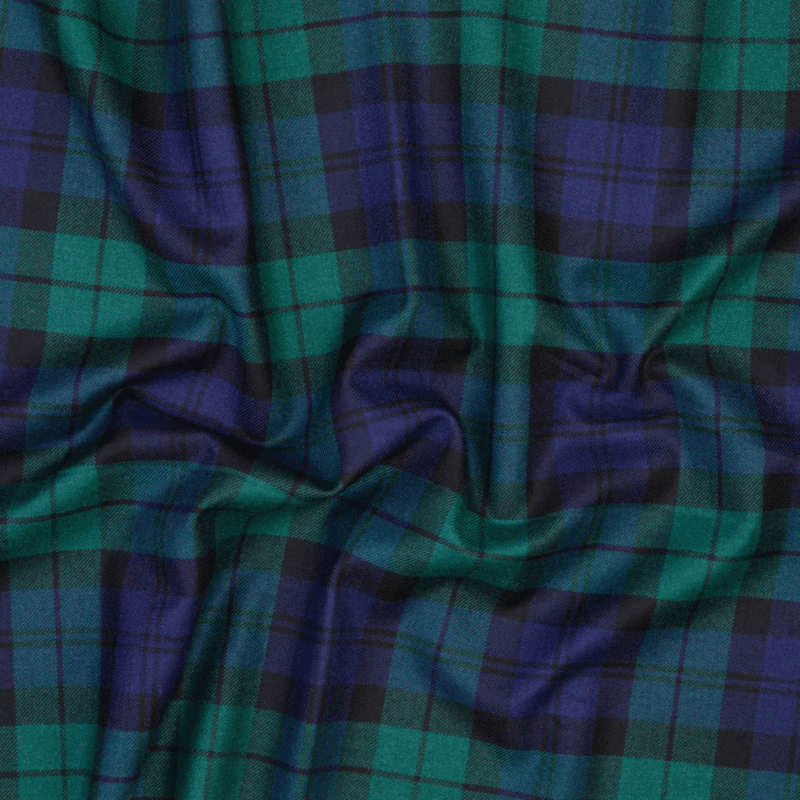
This pattern became the benchmark for military tartans and influenced future regimental designs.
Highland Regiments and Their Distinct Patterns
Each Highland regiment shaped its own visual legacy. Some used bold reds and yellows. Others favored darker tones to honor their clan roots. A few highlights:
- Gordon Highlanders → bright yellows woven into dark green
- Cameron Highlanders → red-based tartan linked to clan tradition
- Argyll & Sutherland Highlanders → softer greens with a balanced grid
These patterns showed pride, loyalty, and lineage. Even modern redesigns pay tribute to this history.
Symbolism Behind Military Tartan Colors
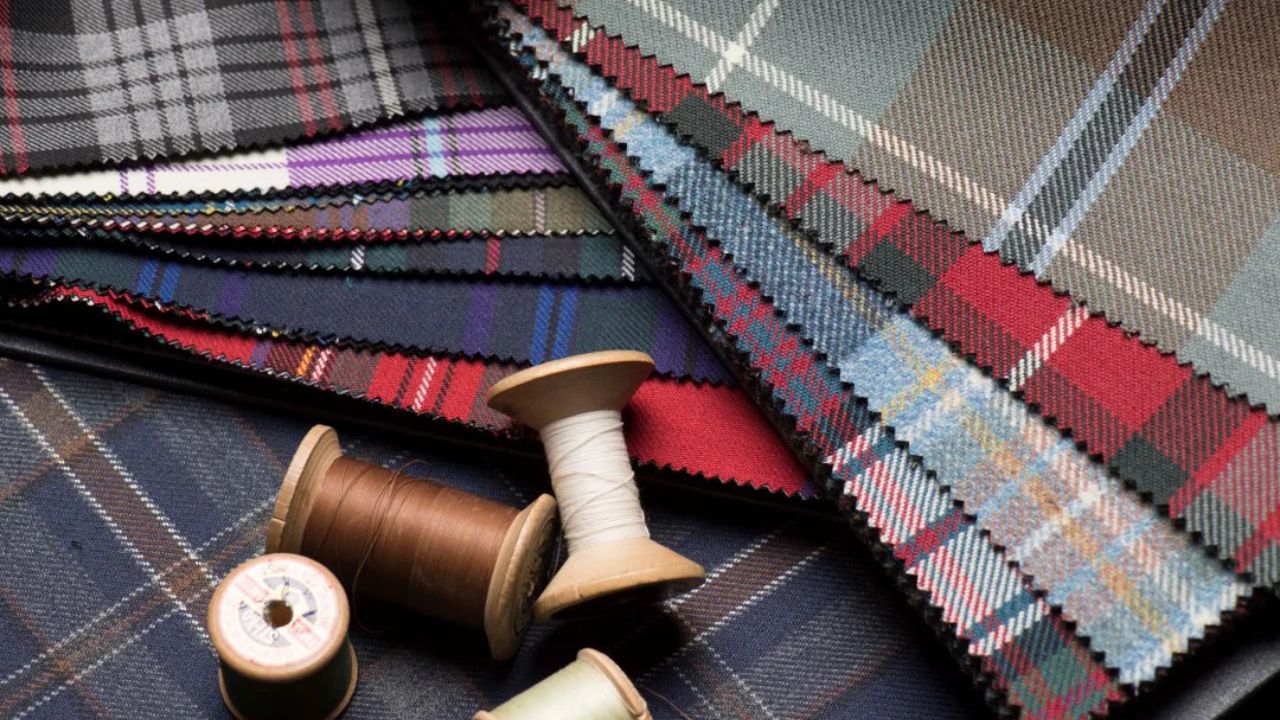
Military tartans may look decorative, but their colors communicate powerful symbolism. Dark hues reflect duty and discipline. Reds often symbolize courage and sacrifice. Yellow accents show honor or affiliation.
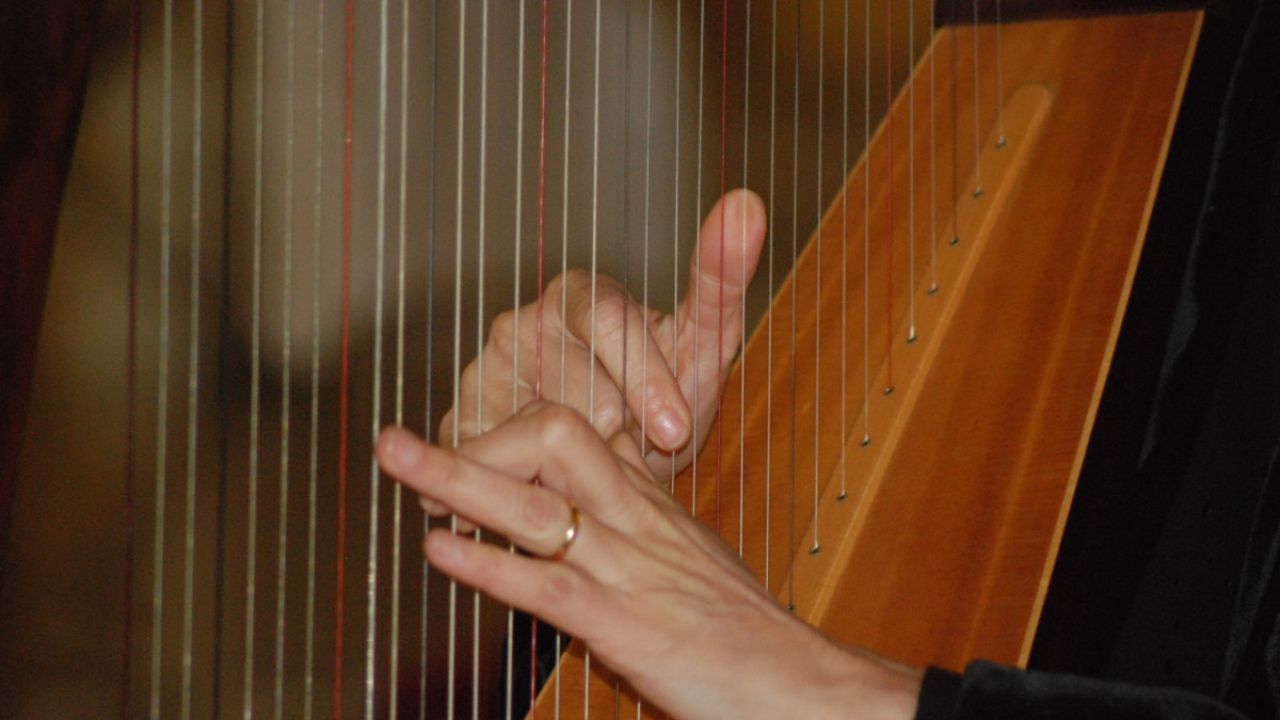
This symbolic language supported regimental morale and helped soldiers feel part of a greater legacy, similar to how musical traditions like the Clarsach connect people to cultural memory.
Modern Military Tartans: Tradition Meets Innovation
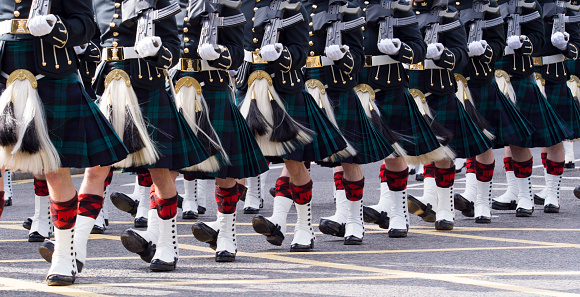
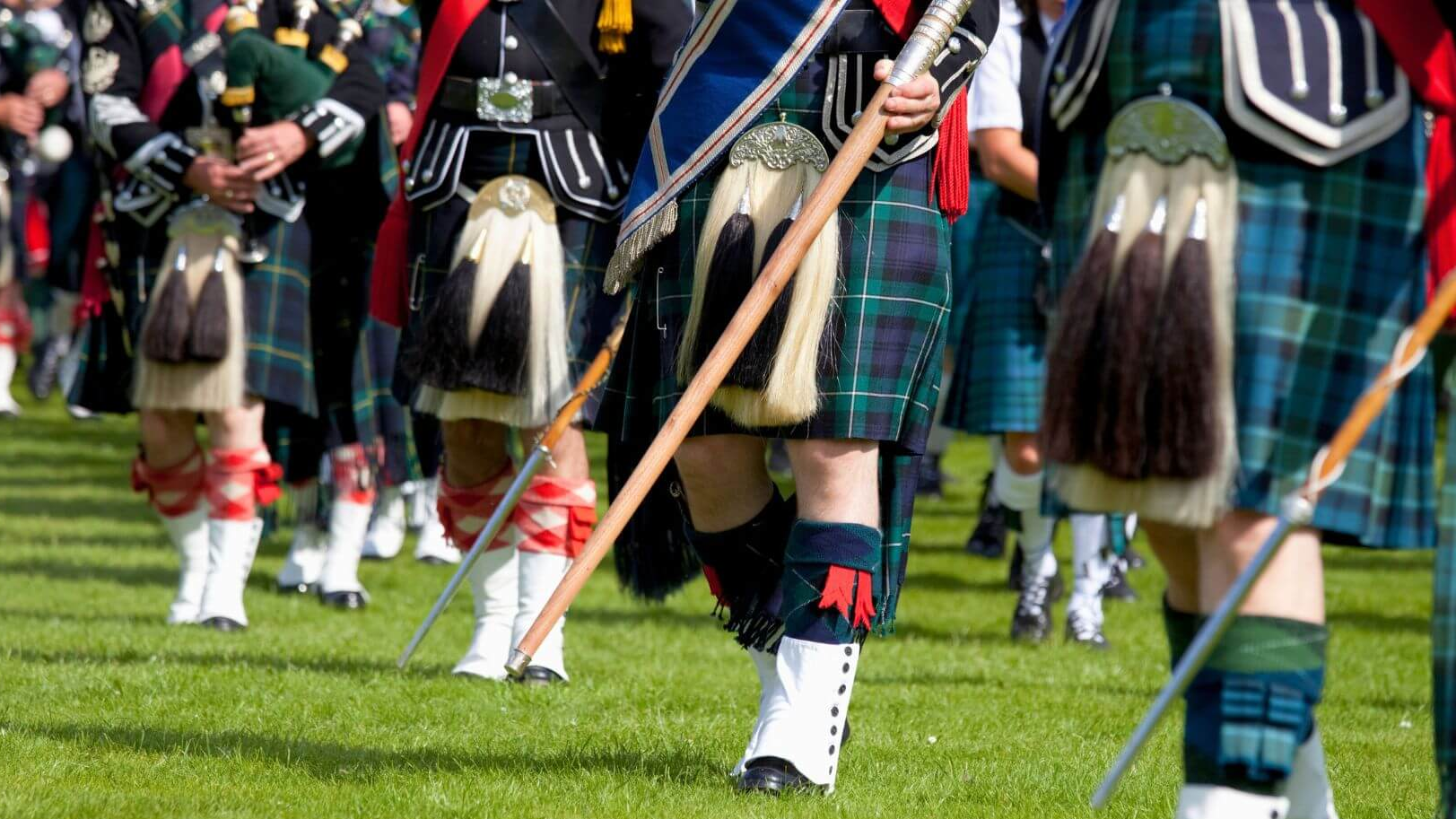
Today’s Scottish regiments still wear tartan, though uniforms have evolved. Regulation kilts remain part of ceremonial occasions, military parades, and official state duties.
Modern tartans balance heritage with practicality. Fabrics endure harsh weather, and designs stay faithful to historical patterns while meeting contemporary standards. This rhythm of innovation and tradition echoes many Scottish cultural practices, much like those explored in our Celtguide Blog.
Why Military Tartans Still Matter
Military tartans remain powerful symbols of identity. They honor ancestral bravery, strengthen regimental unity, and showcase Scotland’s cultural resilience. For many Scots, these patterns feel like a living archive of national history.
Whether worn in parades, museums, or Highland Games events, military tartans remind us that heritage endures when we carry it with pride.