

The Irish Potato Ridges and Furrows: A Landscape of Survival
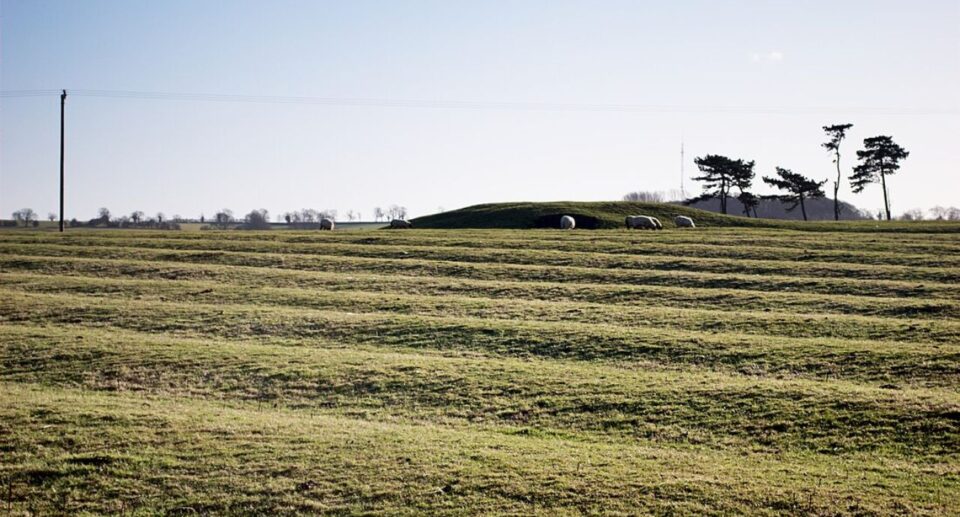
Ireland’s fields, shaped into ridges and furrows, are more than just remnants of old farming practices. They are silent witnesses of resilience, hardship, and cultural memory. From feeding families to marking landscapes with a distinct agricultural rhythm, the potato ridges tell a story deeply woven into Ireland’s history.
What Are Ridges and Furrows?
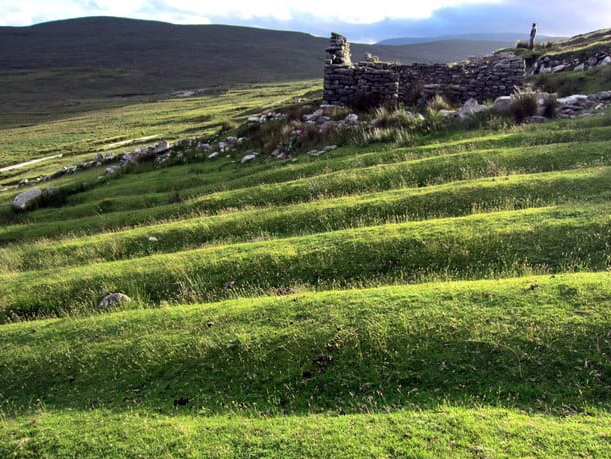
Ridges and furrows are a traditional method of potato cultivation where raised ridges of soil were formed, with furrows (trenches) running between them. This technique allowed farmers to:
- Improve drainage in Ireland’s often rain-soaked soils
- Create warmer beds for potato growth
- Maximize yield on small plots of land
This system, sometimes referred to as “lazy beds,” may look simple, but it carried centuries of knowledge in its furrows.
Why Potatoes Mattered in Ireland
By the 18th and 19th centuries, the potato had become the cornerstone of Irish diet and survival. Nutritious, high-yielding, and suitable for poor soil, potatoes sustained entire communities. However, this dependence also meant that when disease struck, tragedy followed.
For deeper context on this turning point, see our article on The Influence of the Irish Potato Famine.
The Human Story Behind the Furrows
Walking across fields where ridges are still visible feels like stepping into a lived history. These furrows were made by hand tools or simple spades, often carved by tenant farmers who paid rent with sweat and soil. The ridges remind us of a time when land, survival, and cultural identity were intertwined.
This storytelling landscape connects with Ireland’s broader tradition of oral memory, as explored in Why Are Irish People Natural Storytellers?.
Ridges in the Landscape Today
Even now, you can find traces of these furrows across rural Ireland. Some lie abandoned, ghostly imprints of famine-era struggle. Others are still used in small-scale farming or preserved for cultural heritage. They are etched reminders that Ireland’s countryside is not just natural but cultural—an open-air archive of human endurance.
From Past to Present: Cultural Significance
The ridges are more than agricultural scars, they are cultural symbols. They connect to themes of resilience, loss, and renewal. Just as tartan patterns in Scotland hold memory and identity (What is Tartan?), the potato ridges anchor Ireland’s memory of survival through hardship.
Conclusion: A Living Memory in the Fields
The Irish potato ridges and furrows are not merely about farming. They are about endurance, heritage, and the shaping of Irish identity. They remind us that landscapes carry stories, just as songs, myths, and traditions do.
For those exploring Celtic heritage, these ridges form part of a larger cultural fabric, alongside music, folklore, and sacred traditions like Irish Holy Wells.