

The Irish Fiddle: Heartbeat of Celtic Music

There’s a moment at every Irish gathering when the chatter fades, the pint glasses clink, and a single bow draws across the strings of a fiddle. That first note carries something ancient, a spark that connects Ireland’s present to its past. The Irish fiddle, simple yet profound, stands as one of the most essential instruments in Celtic tradition. It is the voice of Irish emotion; sometimes mournful, sometimes wild with joy, always alive.
The Heartbeat of Irish Sound
Unlike its classical cousin, the violin, the Irish fiddle speaks a language rooted in community rather than concert halls. It belongs to the firesides, crossroads dances, and céilí bands that once animated rural Ireland. Every fiddler brings their own phrasing, rhythm, and flair. There are no rigid rules, only a shared heartbeat that carries through every reel, jig, and air.
The Irish fiddle became the people’s instrument because it was portable, versatile, and expressive. It could mirror the lilting rhythms of Gaelic speech or echo the human voice in lament. In many ways, it’s as essential to Irish life as storytelling, explored beautifully in Why Are Irish People Natural Storytellers?. Both art forms preserve memory, emotion, and identity through performance.
From Medieval Roots to Modern Pubs
Though bow-string instruments existed across Europe in the Middle Ages, the fiddle took on a distinctive Irish character by the seventeenth century. Irish fiddlers developed unique ornamentations—rolls, cuts, and slides that gave their music its unmistakable lift.
In those centuries, the fiddle became the centerpiece of house dances, intimate gatherings where neighbors came together to play, sing, and step to the rhythm of their heritage. Each region cultivated its own sound, and traveling musicians carried those styles across counties, creating a mosaic of musical dialects that still thrives today.
When Irish emigrants carried their fiddles to America, Canada, and Australia, the tunes crossed oceans too. In New York, Boston, and beyond, they blended with Appalachian and bluegrass traditions, influencing global folk styles while staying rooted in the Irish soul.
The Regional Voices of the Fiddle
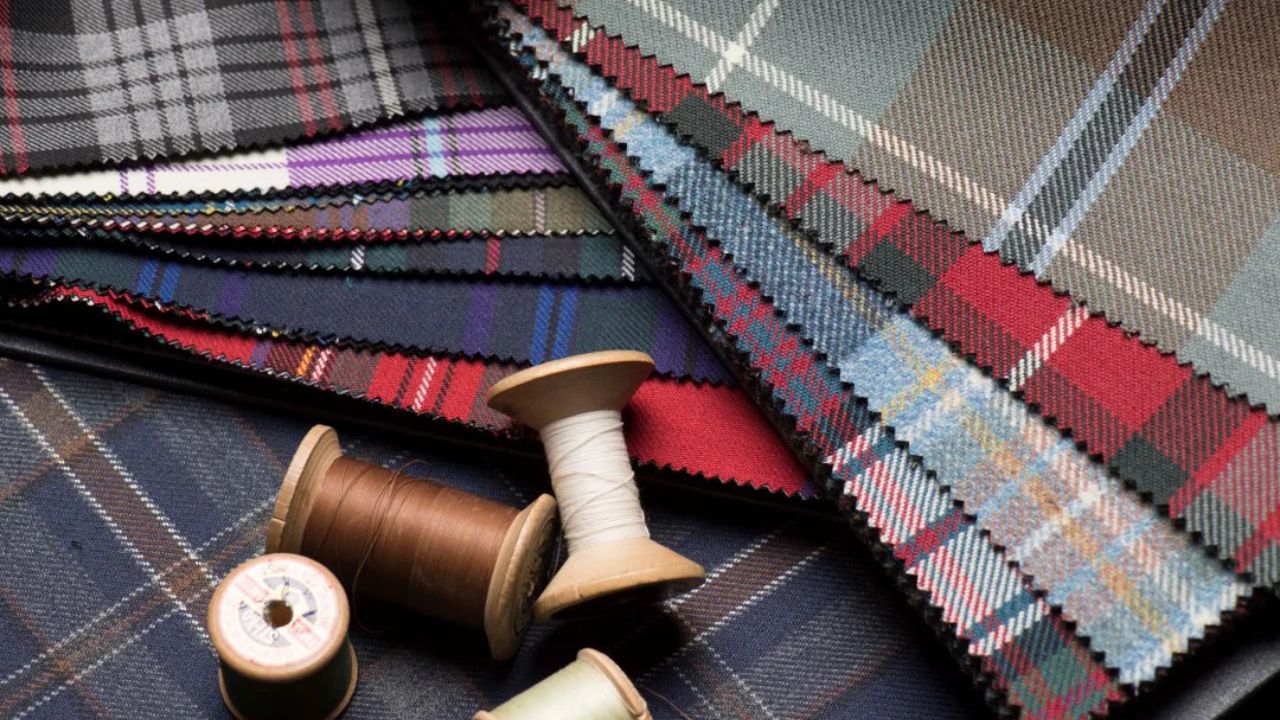
Ireland’s geography shaped its musical accents. Every county had its own pulse and personality, just as tartans distinguished Scottish clans (What Is Tartan?).
- Sligo Style: Quick and intricate, filled with ornaments and rhythmic energy. The Sligo style gained international fame through fiddlers like Michael Coleman, whose early 20th-century recordings defined Irish music abroad.
- Donegal Style: Influenced by nearby Scotland, Donegal fiddling favors powerful bowing and lively reels, often in duets or unison playing.
- Clare Style: Smooth, deliberate, and deeply expressive, this style emphasizes melody and phrasing over speed.
- Galway Style: Dance-driven and free, often blending elements from neighboring regions, showing how fluid Irish traditions can be.
Each style tells a story about its people and land. A dialogue between emotion, rhythm, and place.

The Fiddle in Irish Life and Celebration
The Irish fiddle is woven into every celebration, from family weddings to public festivals. It’s rare to attend a céilí or a session without one. Its melodies lead the dance, anchor the rhythm, and carry the emotions of the crowd.
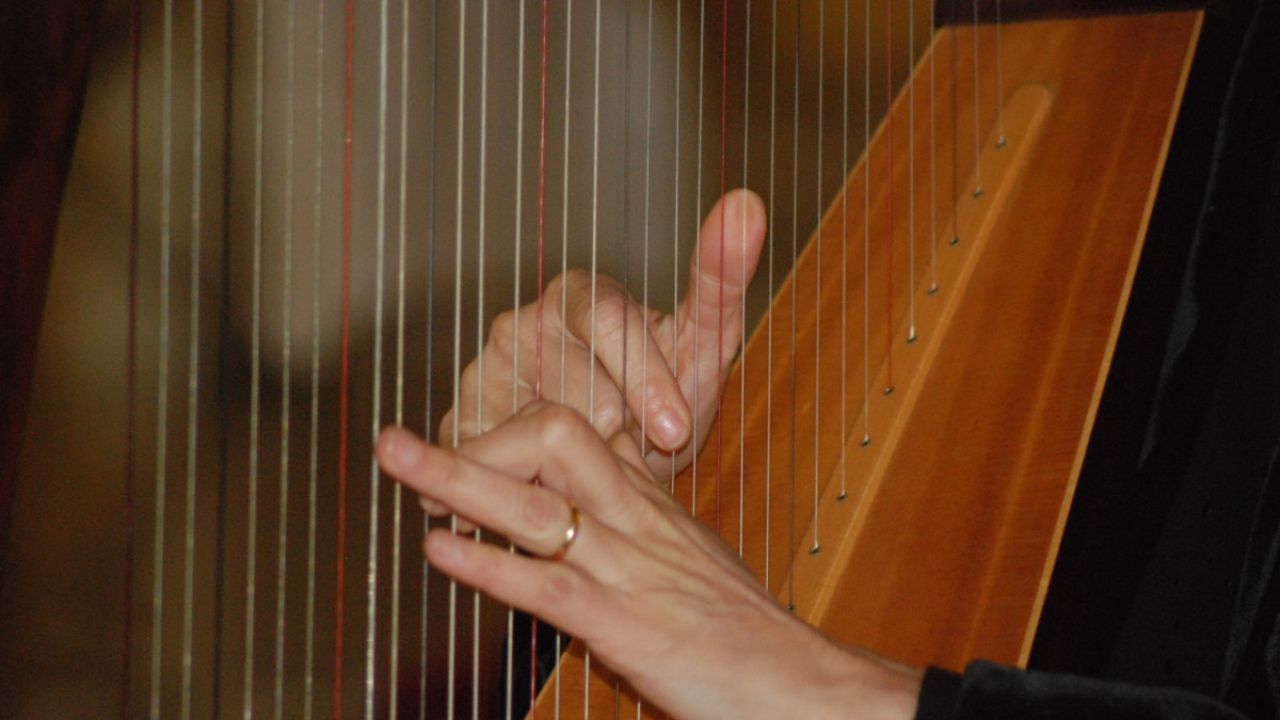
The fiddle’s versatility allows it to blend with other traditional instruments like the Clarsach and the Bodhrán Drum. In a céilí band, the fiddle often leads, setting the tempo while others follow. The best sessions feel alive—spontaneous, communal, and joyful.
Ireland’s festival culture continues this tradition. Events like the Fleadh Cheoil na hÉireann, Ennis Trad Fest, and Willie Clancy Summer School gather thousands of musicians each year. These gatherings aren’t just about performance—they’re about preserving oral traditions, learning by ear, and celebrating identity.
The Fiddle Through the Ages of Change
During darker times, especially The Irish Potato Famine, the fiddle became a vessel for resilience. Tunes carried messages of sorrow and endurance, offering comfort when words failed. When so many left Ireland’s shores, they took their fiddles with them, using music to keep home alive in distant lands.
Over time, the Irish fiddle also entered modern genres. Musicians like Martin Hayes, Liz Carroll, and Zoë Conway continue to evolve the tradition, blending it with jazz, classical, and even rock. Yet, at its core, the fiddle remains rooted in storytelling, much like Ireland itself.

The Fiddle’s Emotional Range
Part of what makes the Irish fiddle essential is its emotional depth. With a change in bow pressure, a fiddler can evoke laughter, sorrow, longing, or jubilation. Its tones mimic the rhythm of Gaelic speech and the lyrical rise and fall of the human voice.
A slow air might feel like a whispered prayer, while a fast reel can spark a room into dance. This range allows the fiddle to carry the essence of Irish emotion, a blend of melancholy and joy that defines Celtic art, from the haunting Celtic Oak Tree symbolism to the ethereal beauty of Gaelic Children’s Lullabies.
The Modern Revival: Fiddles Across Generations
In today’s Ireland, young musicians continue to embrace the fiddle. From school sessions to national competitions, the instrument remains an educational cornerstone. Many families pass fiddles down through generations, making each one a vessel of memory.
Digital media has expanded its reach further. Online tutorials, archives, and recordings like those featured in Fiddle Music, help preserve regional styles that might otherwise fade. Musicians can now collaborate across continents, proving that tradition can thrive in the digital age.

Why the Fiddle Still Matters
To understand Ireland, one must hear the fiddle. Its strings tell the story of a nation—its struggles, joys, migrations, and celebrations. It unites the ancient with the modern, the rural with the urban, and the local with the global.
Even as Ireland embraces new technologies and global influences, the fiddle remains its musical heart. It’s not just an instrument; it’s a voice that refuses to be silenced. Each tune played today adds to a centuries-old legacy that continues to inspire musicians around the world.
For anyone exploring Ireland’s musical traditions, learning about the fiddle is essential. It’s the bridge between history and emotion, performance and identity. To dive deeper into this world, explore our Music & Dance section or read about the cultural companions to the fiddle such as the Bodhrán Drum and the Clarsach).
Final Reflection
The Irish fiddle is more than a sound, it’s a shared heartbeat that pulses through generations. When a fiddler plays, centuries of Irish memory awaken. The tunes remind us that tradition isn’t a museum piece; it’s a living, breathing art that grows with each bow stroke.
Whether heard in a quiet cottage, a Dublin pub, or an international stage, the Irish fiddle continues to echo the soul of Ireland—lively, lyrical, and endlessly enduring.